Explore our engineering-grade aluminum doors and windows optimized for hurricane resistance, thermal insulation, and architectural elegance.
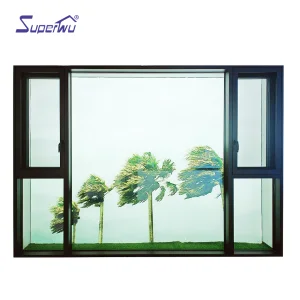
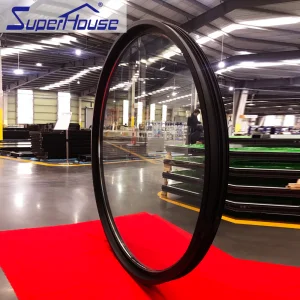
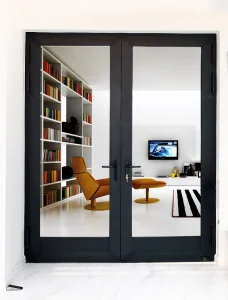
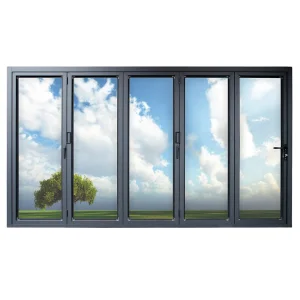
Analyzing shifting building codes, energy conservation metrics, and structural resistance standards in modern fenestration engineering.
The global construction industry is undergoing a structural paradigm shift driven by stringent energy efficiency mandates, extreme weather vulnerabilities, and a growing emphasis on architectural aesthetics. Modern facade design no longer views aluminum doors and windows merely as spatial dividers or passive light portals. Instead, they are recognized as active, engineered envelope systems critical to building decarbonization, occupant safety, and structural integrity.
Across North America, Europe, and Australia, regulatory frameworks such as the International Energy Conservation Code (IECC), California Title 24, European EN 14351-1 standards, and Australian AS2047 have systematically raised performance thresholds. Fenestration assemblies must demonstrate extraordinarily low thermal transmittance (U-factors below 1.2 W/m²K in cold regions), high Solar Heat Gain Coefficients (SHGC) optimization in sunny regions, and exceptional resistance to wind loads reaching up to 6000 Pa in coastal hurricane zones.
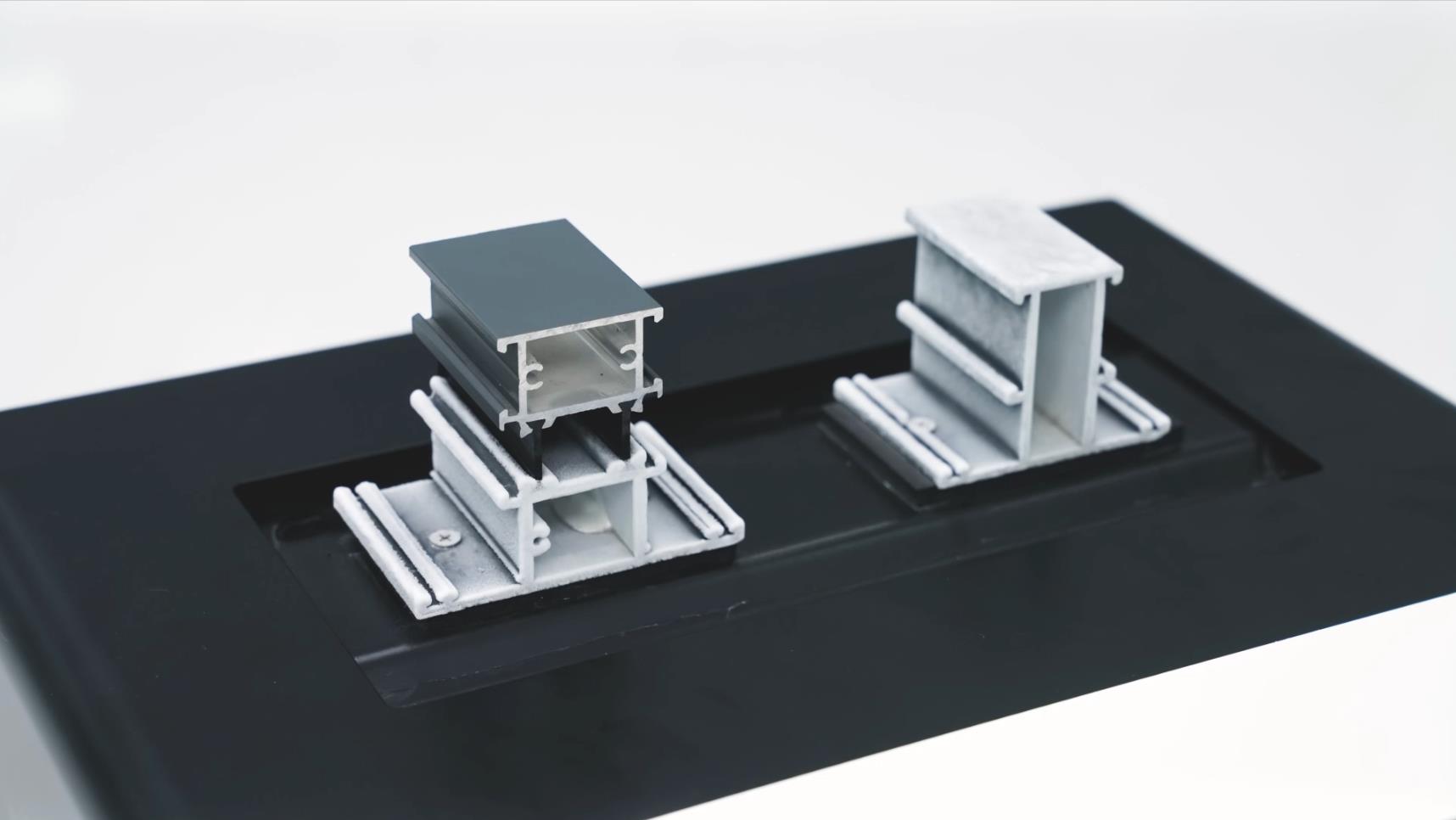
Multi-cavity PA66GF25 polyamide thermal breaks engineered to minimize thermal bridges and drastically reduce HVAC power demands.
High-tensile 6063-T5 and 6060-T66 aluminum alloys featuring multi-point locking channels to withstand severe pressure differentials.
Acoustically laminated double and triple glazing units achieving up to STC 45 / Rw 42 dB sound attenuation in urban centers.
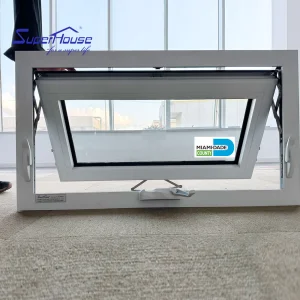
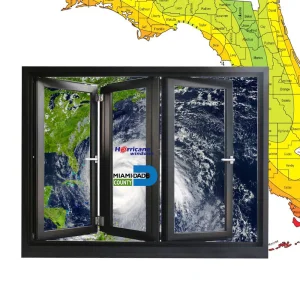
Impact-resistant laminated glass paired with heavy-duty reinforced extrusions passed through Miami-Dade NOA protocols.
Delving into profile extrusion chemistry, thermal strip composition, sealant physics, and hardware load-bearing mechanics.
High-performance aluminum doors rely on a precise balance of mechanical strength and thermal decoupling. Standard aluminum possesses a high thermal conductivity ($k \approx 200 \text{ W/m}\cdot\text{K}$), which leads to extreme heat transfer if unmitigated. To overcome this inherent physical limitation, modern engineering employs structural Polyamide (PA66GF25) thermal breaks reinforced with 25% short glass fibers. This structural bridge reduces frame conductivity to less than $0.3 \text{ W/m}\cdot\text{K}$, decoupling the interior and exterior profile chambers effectively.
Furthermore, structural performance relies on wall thickness, alloy temper, and corner crimping methodology. By utilizing prime 6063-T5 aluminum extrusions with nominal wall thicknesses ranging from 2.0mm to 3.0mm, system frames resist torsional shear forces during maximum wind loading. Double-component corner cleats combined with anaerobic corner injection glue ensure airtight corner joints that never loosen under cyclic thermal movement.
| Performance Metric | Standard Commercial Aluminum | OptiDoors Thermal Break System | Testing Standard / Compliance Code |
|---|---|---|---|
| Thermal Transmittance ($U_f$) | 5.8 - 6.5 W/m²K | 1.1 - 1.8 W/m²K | ISO 10077-2 / NFRC 100 |
| Air Infiltration Rate | 1.5 m³/m·h @ 100 Pa | ≤ 0.05 m³/m·h (Class 4) | ASTM E283 / EN 12207 |
| Water Resistance Pressure | 300 Pa (75 mph rain) | ≥ 1050 Pa (Hurricane Grade) | ASTM E331 / EN 12208 |
| Structural Wind Load | 1800 Pa | ≥ 4500 Pa - 6000 Pa | ASTM E330 / AS2047 / NOA |
| Acoustic Isolation Rating | STC 25 / Rw 26 dB | STC 42 / Rw 45 dB | ASTM E90 / ISO 717-1 |
Shandong OptiDoors Technology Co., Ltd.: Scale, Quality Control Systems, and Global Supply Leadership.
Founded in 2018, Shandong OptiDoors Technology Co., Ltd. occupies an ultra-modern manufacturing complex spanning 8,200 m². Backed by 8 years of deep door industry experience and 4 years of expanding global trade, the company achieves an annual export revenue of USD 6,800,000.
To ensure flawless product execution, we strictly follow ISO9001 quality management procedures alongside rigorous salt-spray corrosion, wind-load, and cyclic impact testing methods. Our internal QC department employs 16 dedicated QA officers who monitor every production stage—from raw material aluminum extrusion arrival to final protective packaging. Our primary global footprint covers Western Europe, North America, the Middle East, and Central Asia, backed by a robust supply network of 380 qualified supply chain partners.
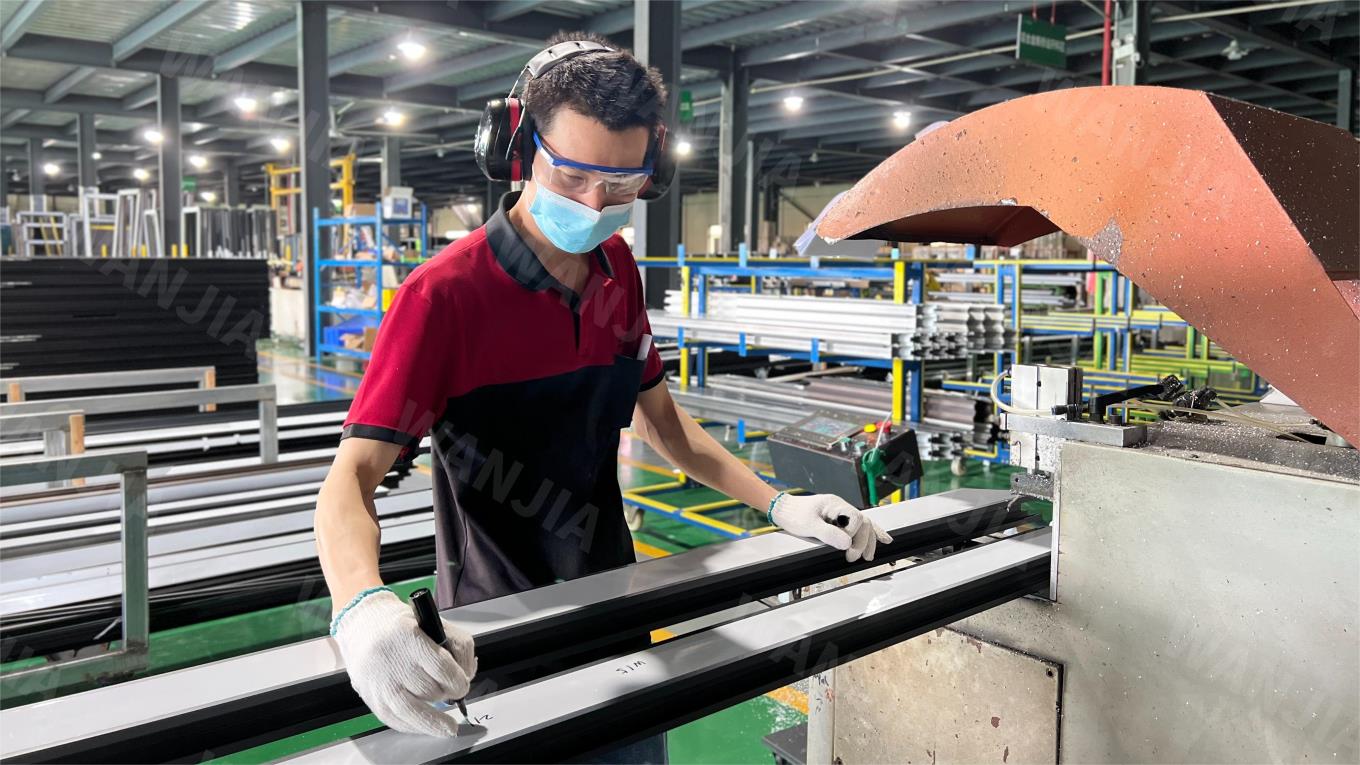
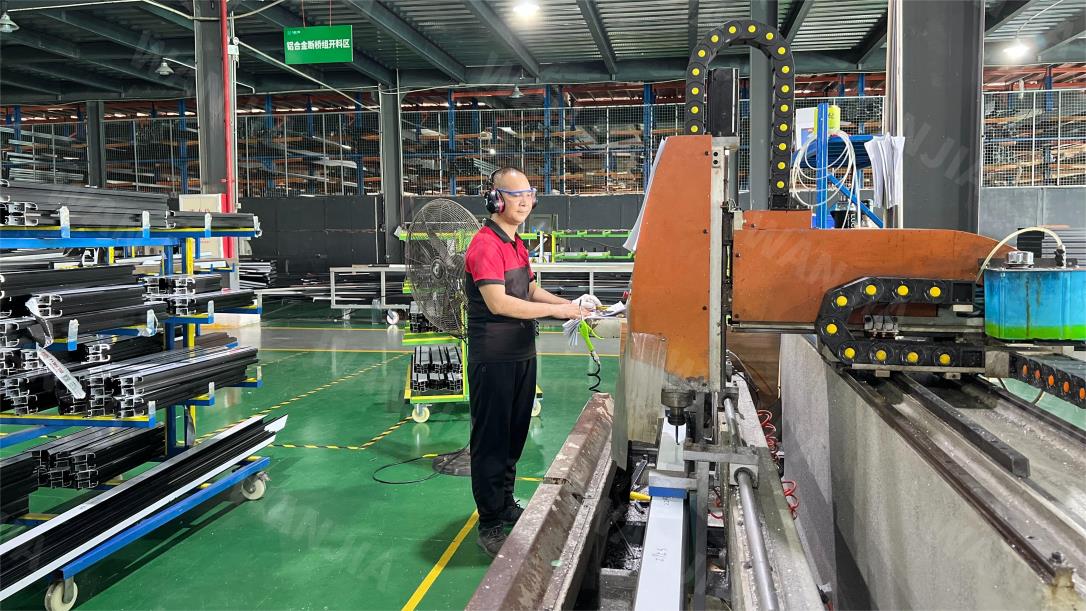
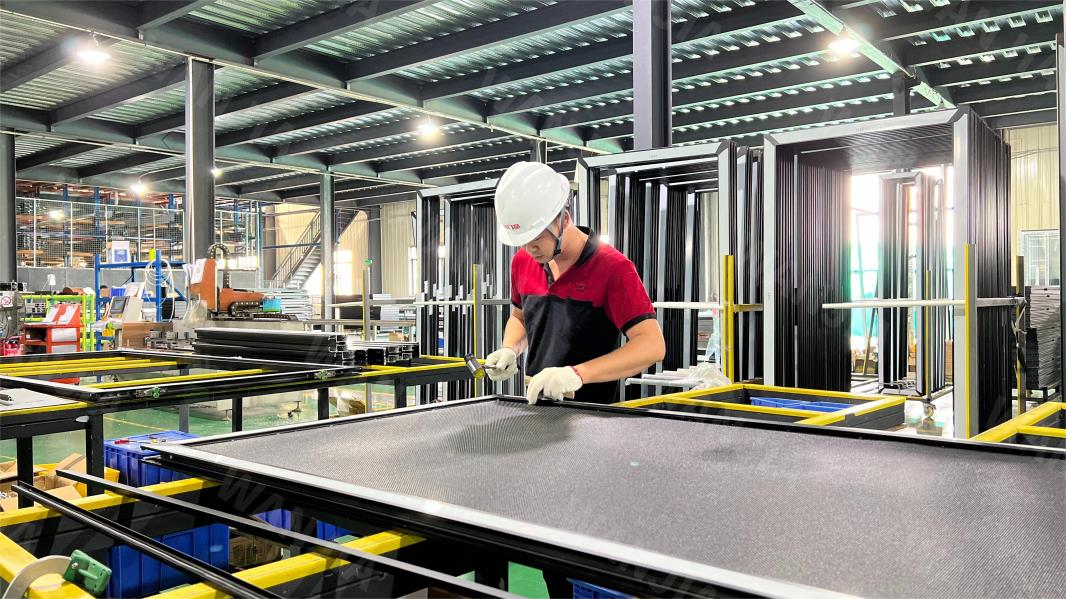
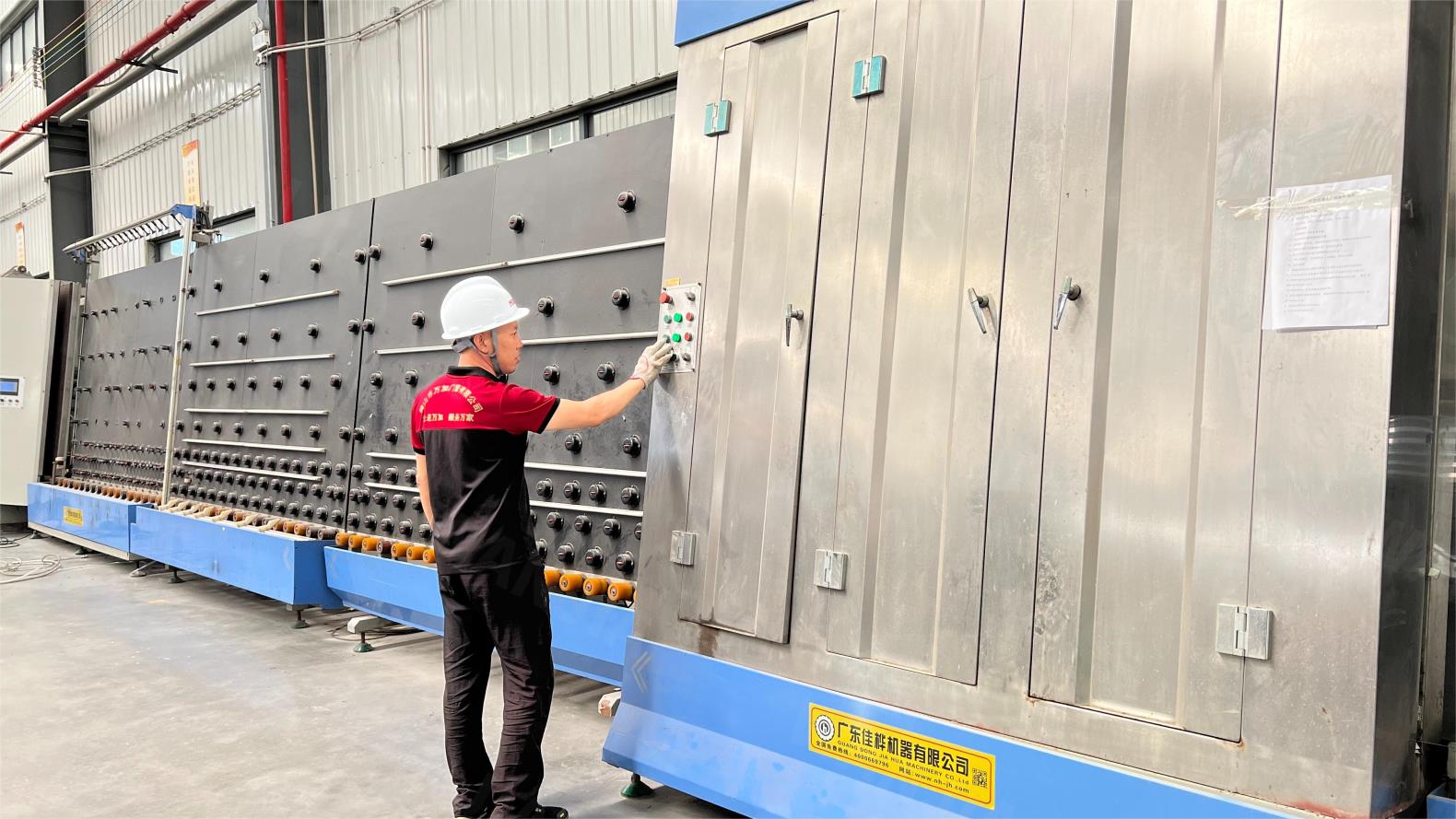
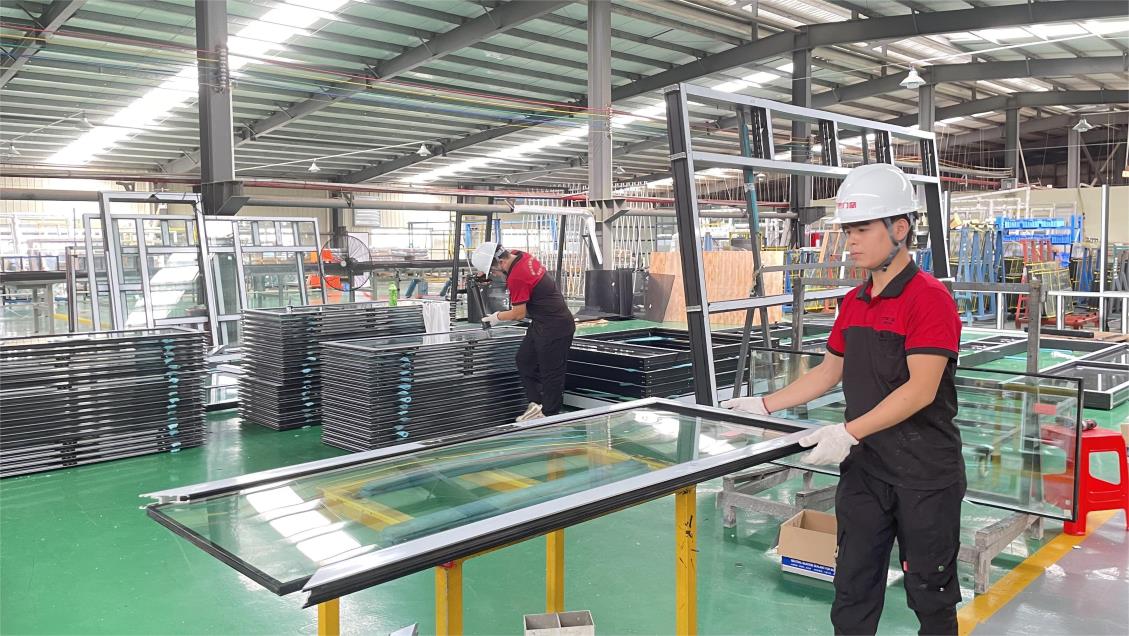
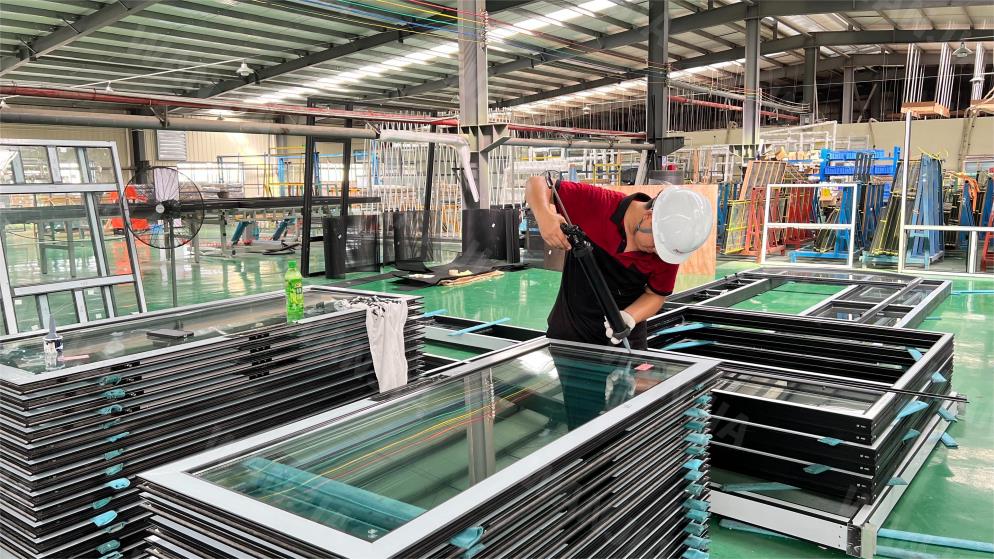
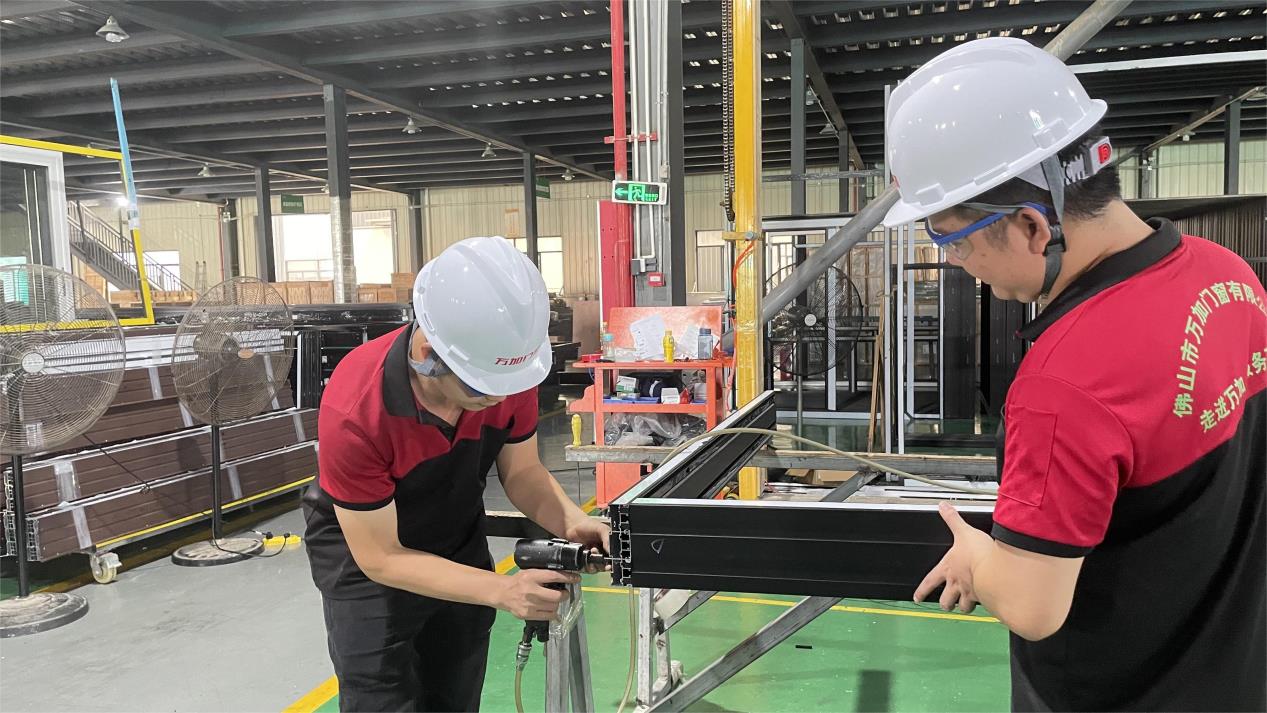
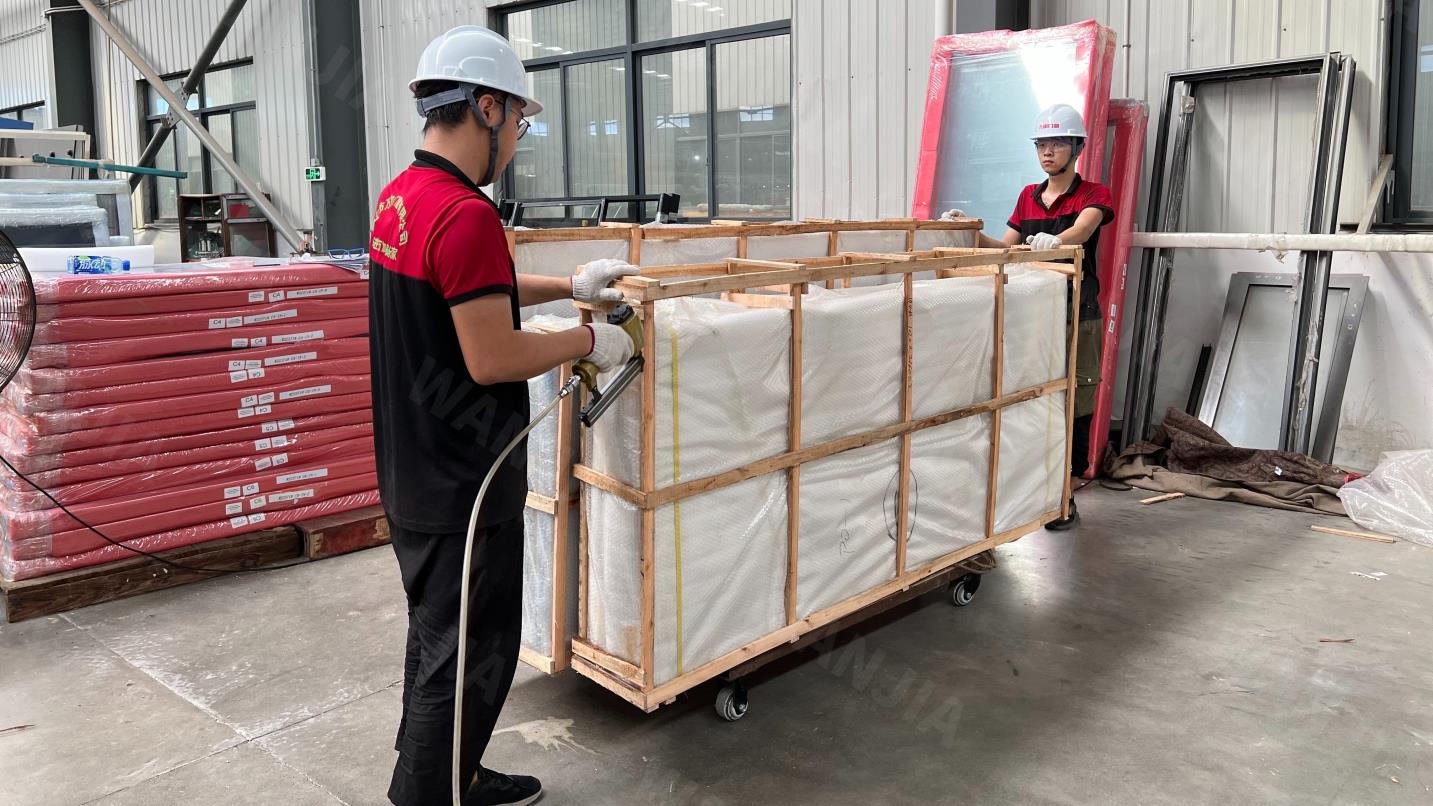
Combining German-engineered automation with comprehensive laboratory performance validation.
Our workshop integrates digital precision machinery with automated assembly lines to maintain tight tolerance controls (±0.2mm) across custom unit productions. By removing human error from critical operations such as profile notch cutting, corner key alignment, and gasket strip rolling, OptiDoors achieves consistent quality on large-scale commercial orders.
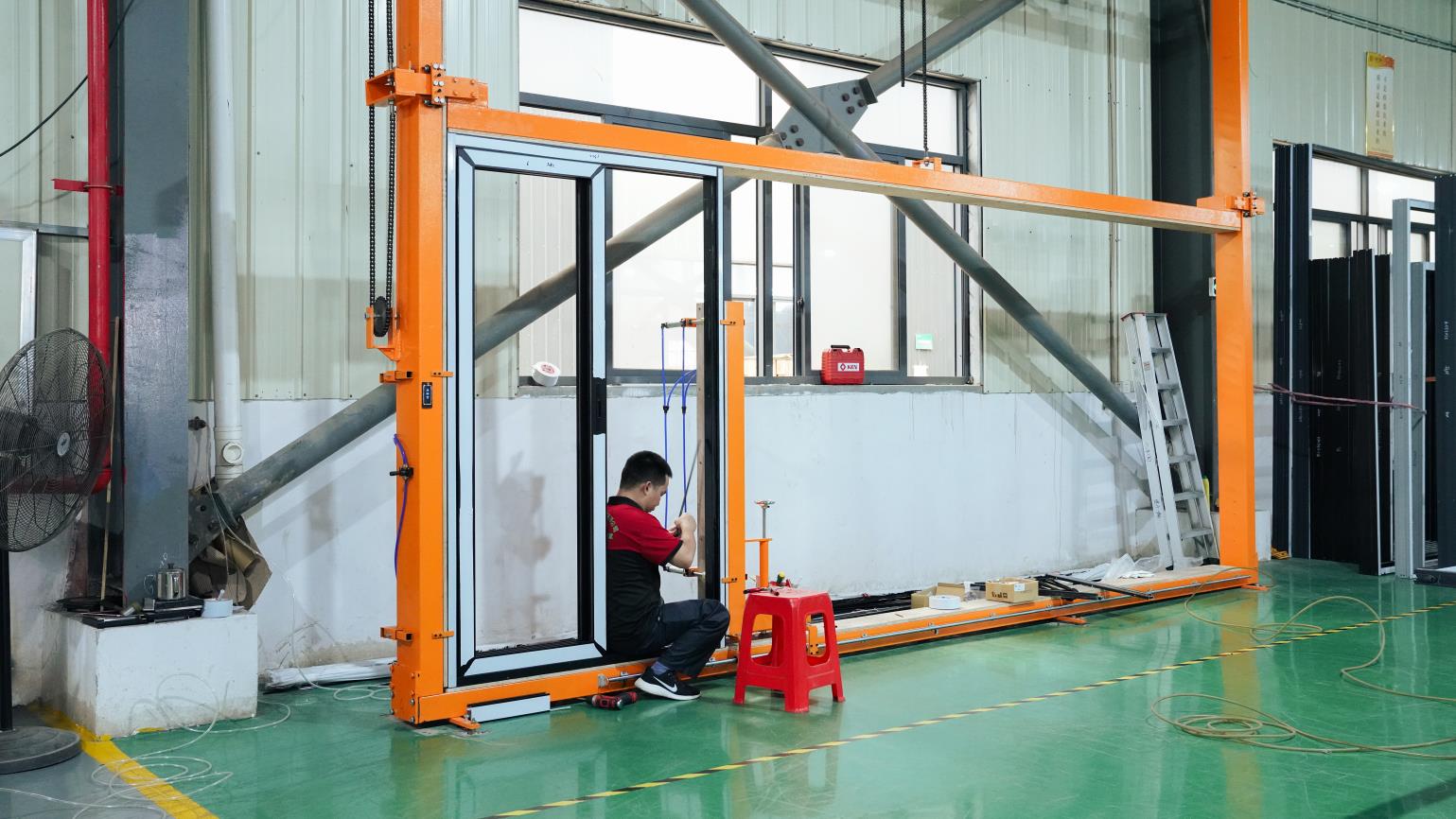
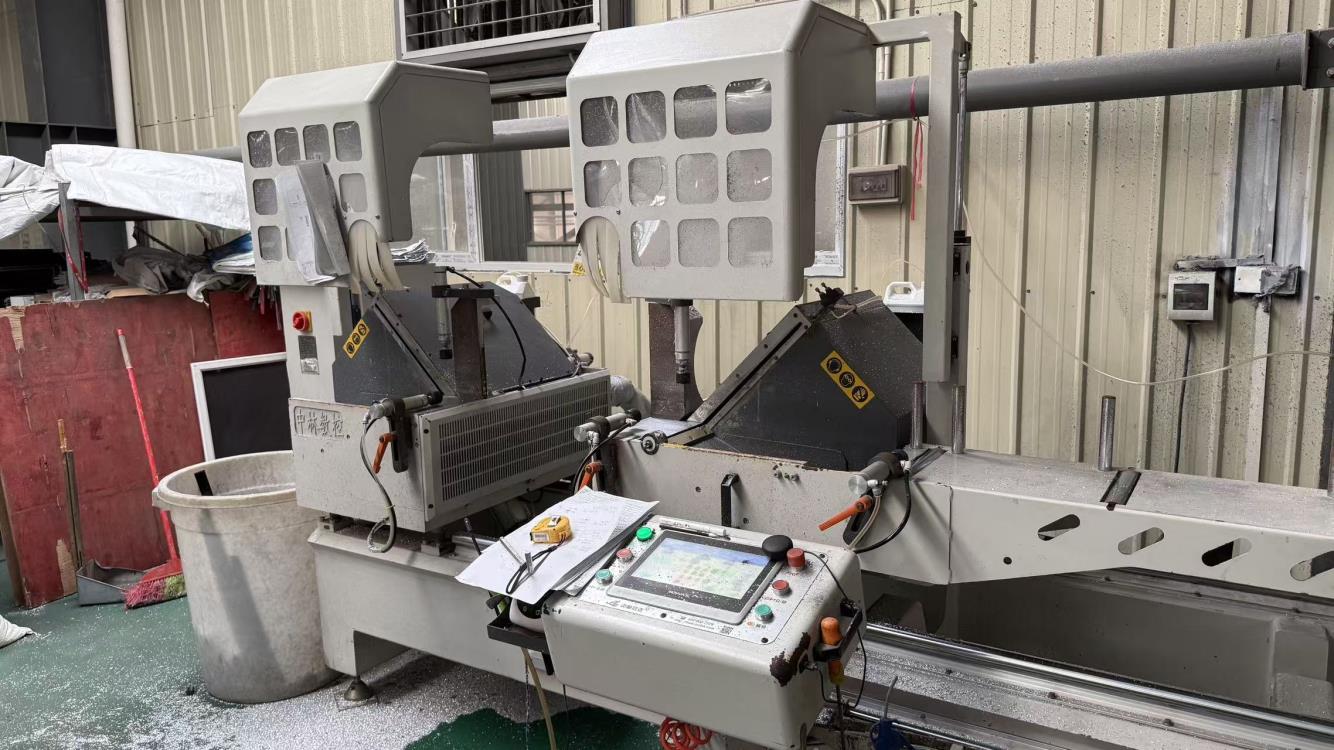
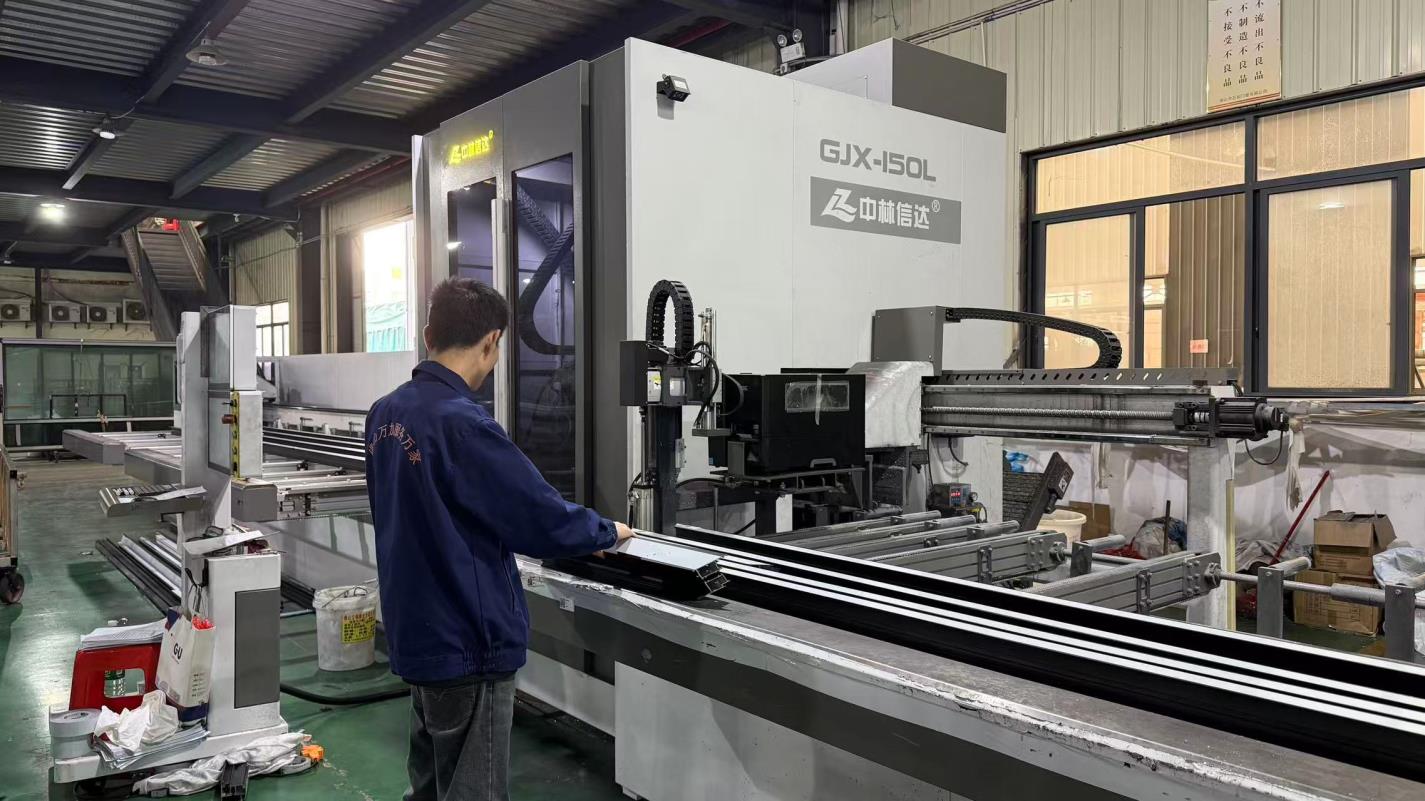
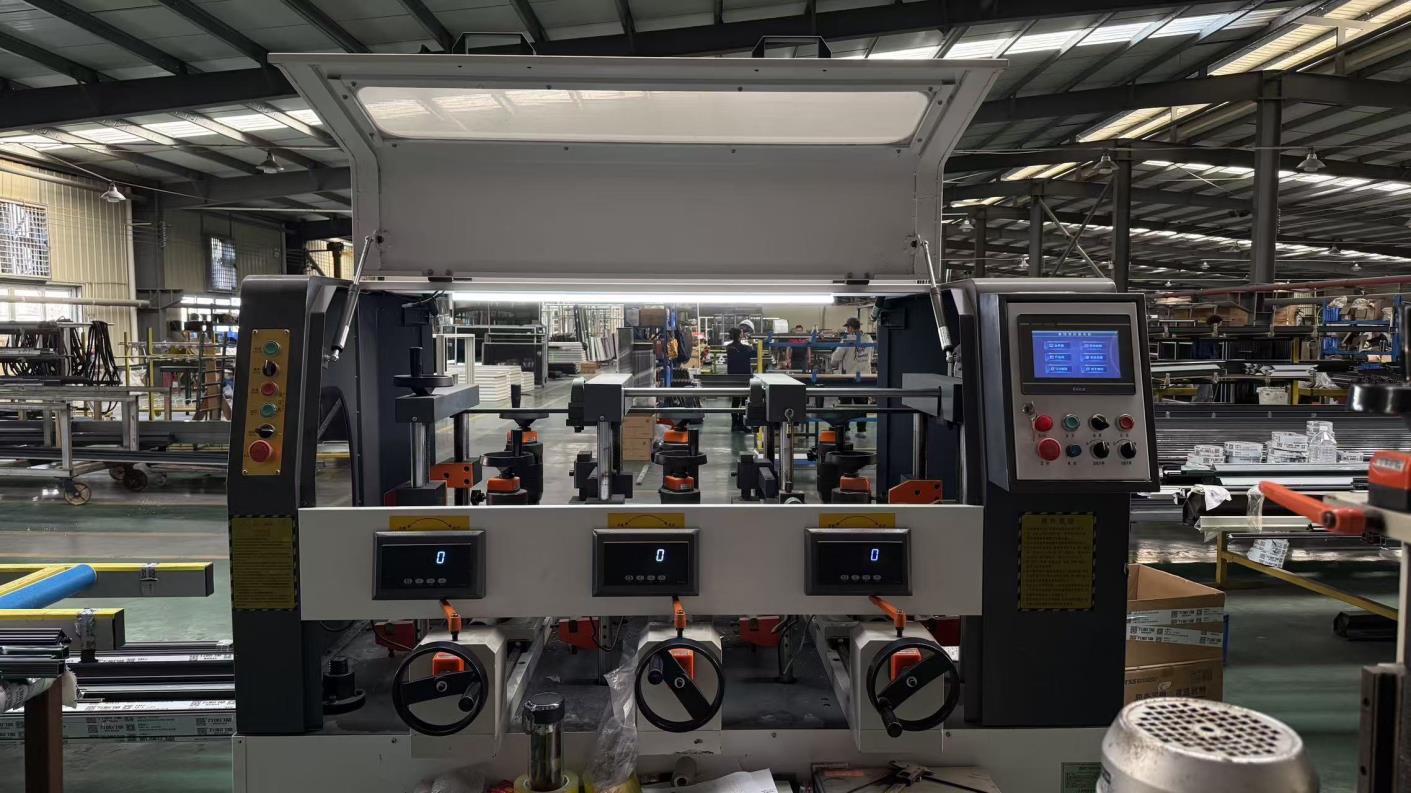
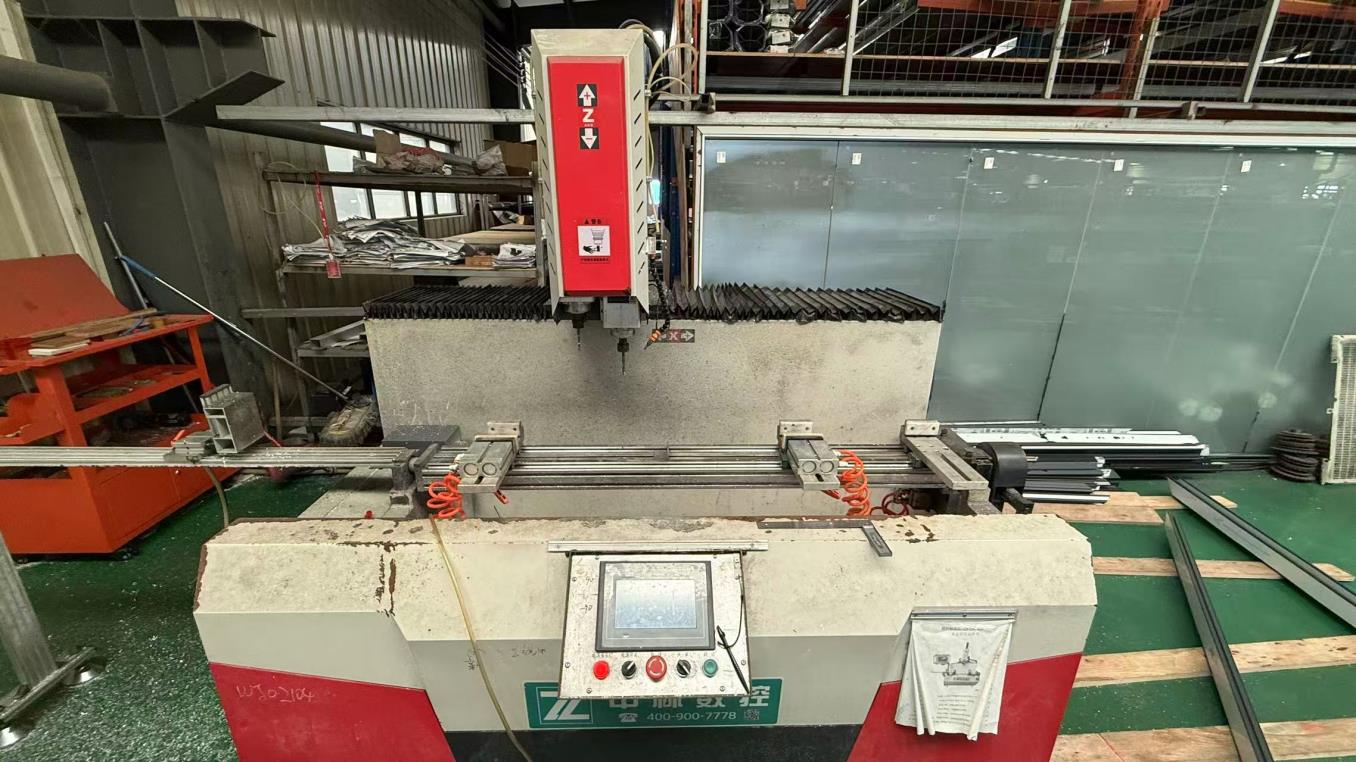
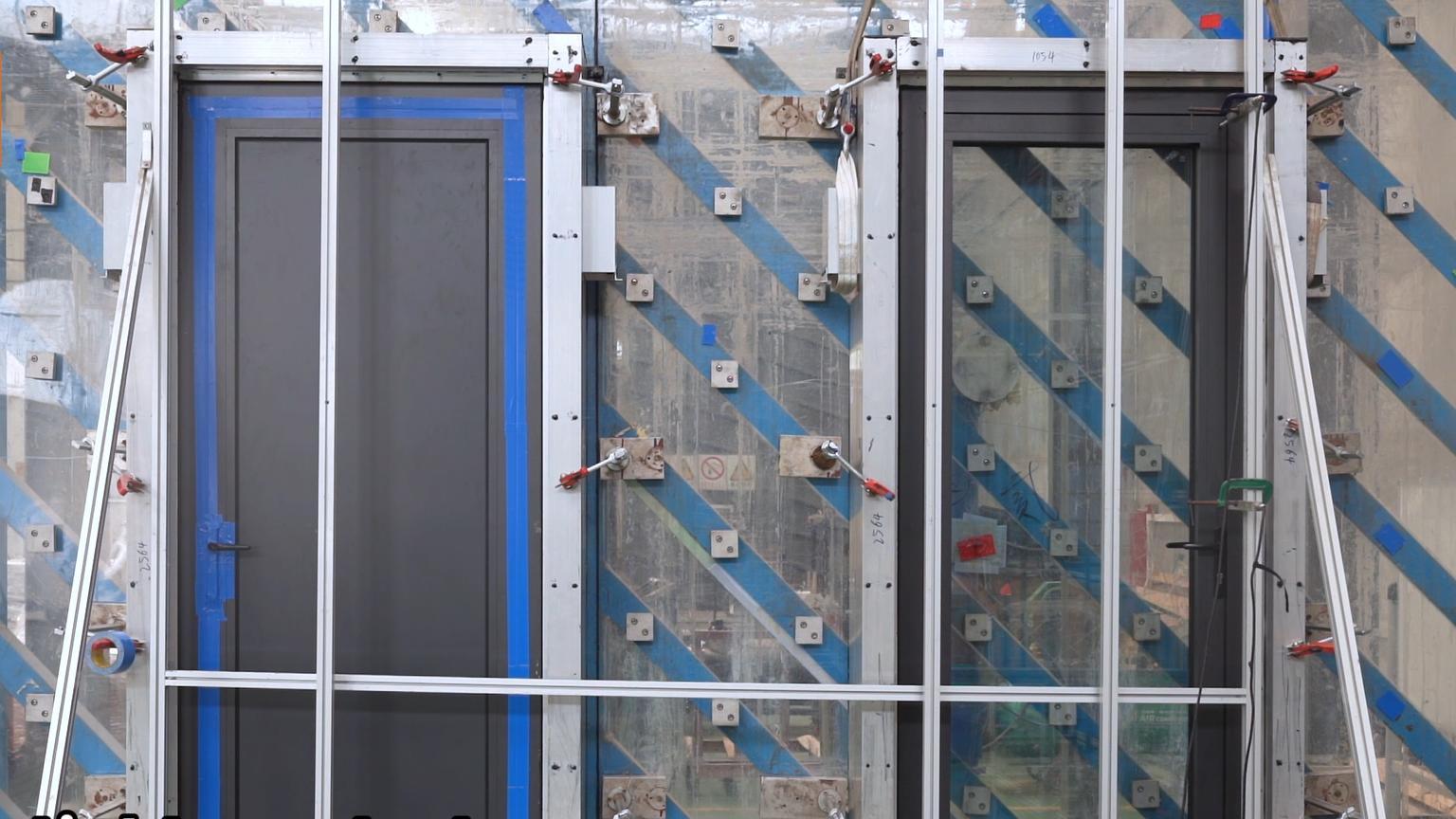
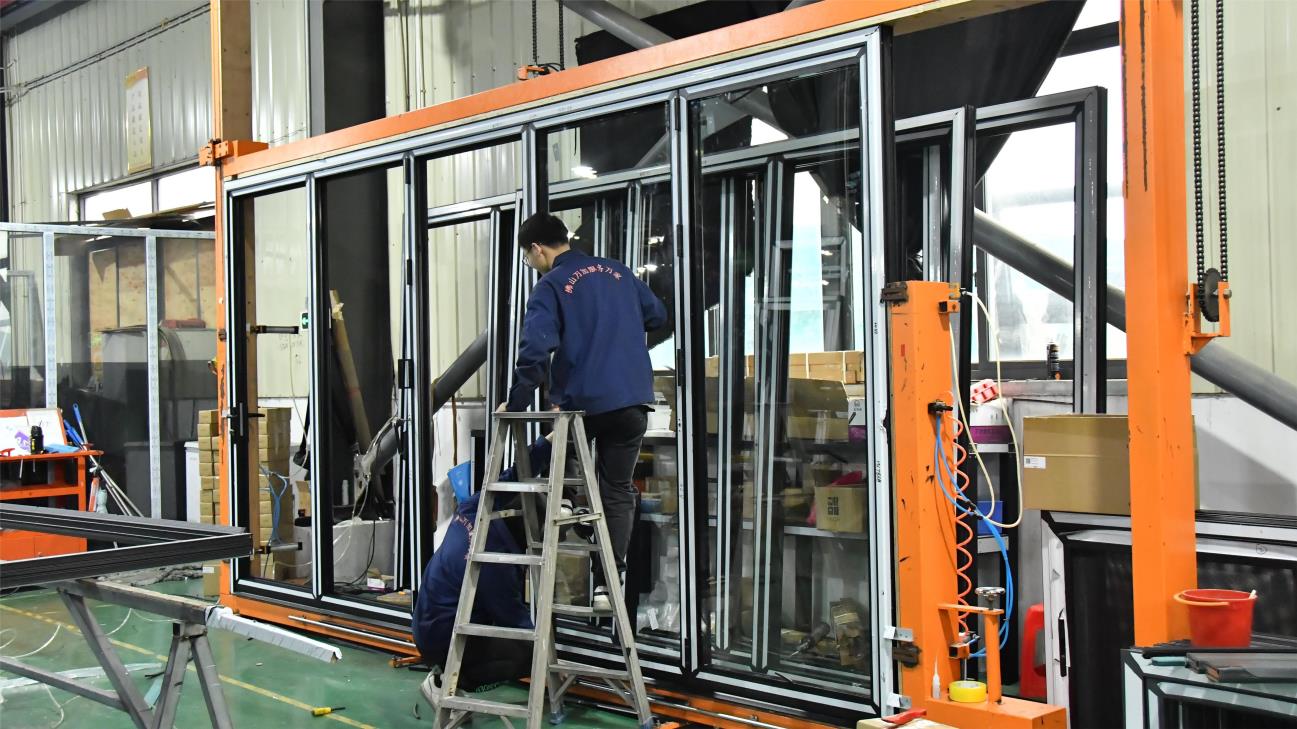
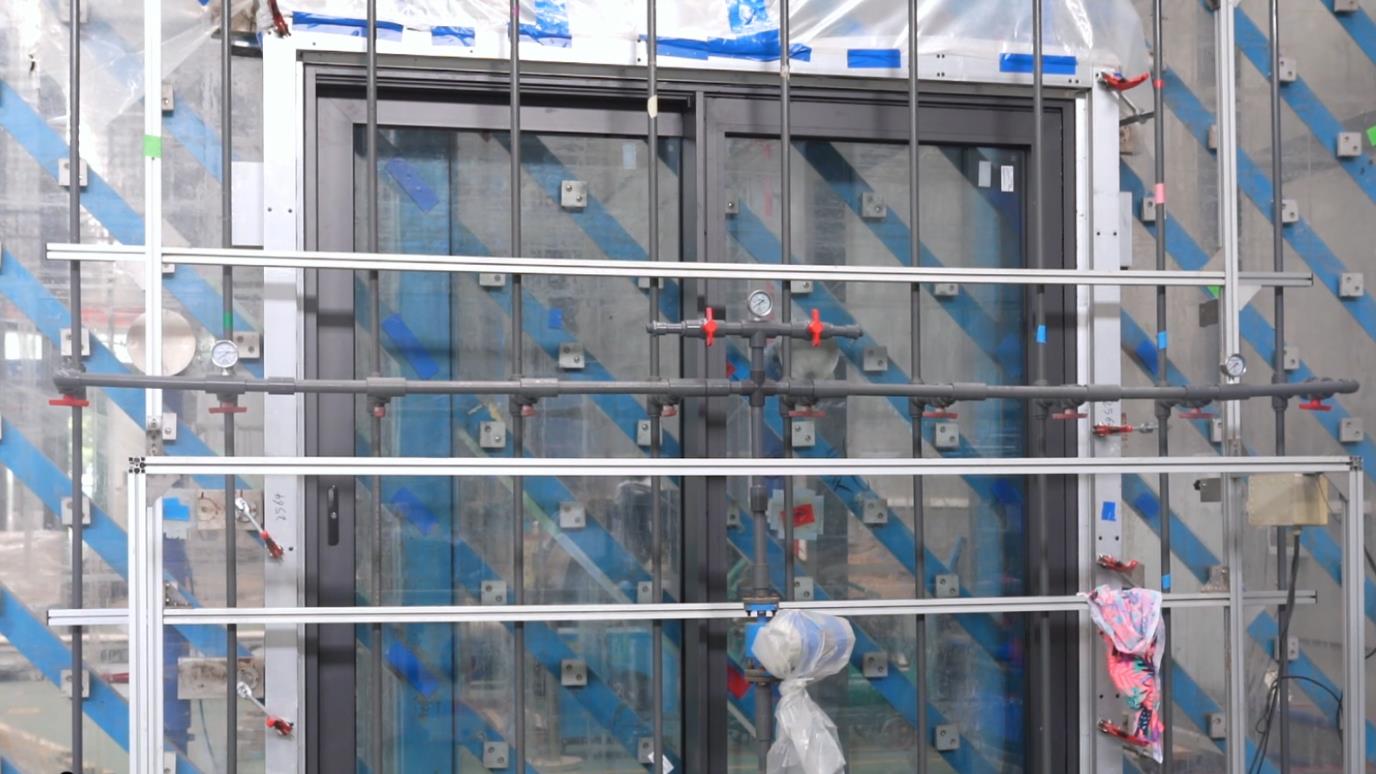
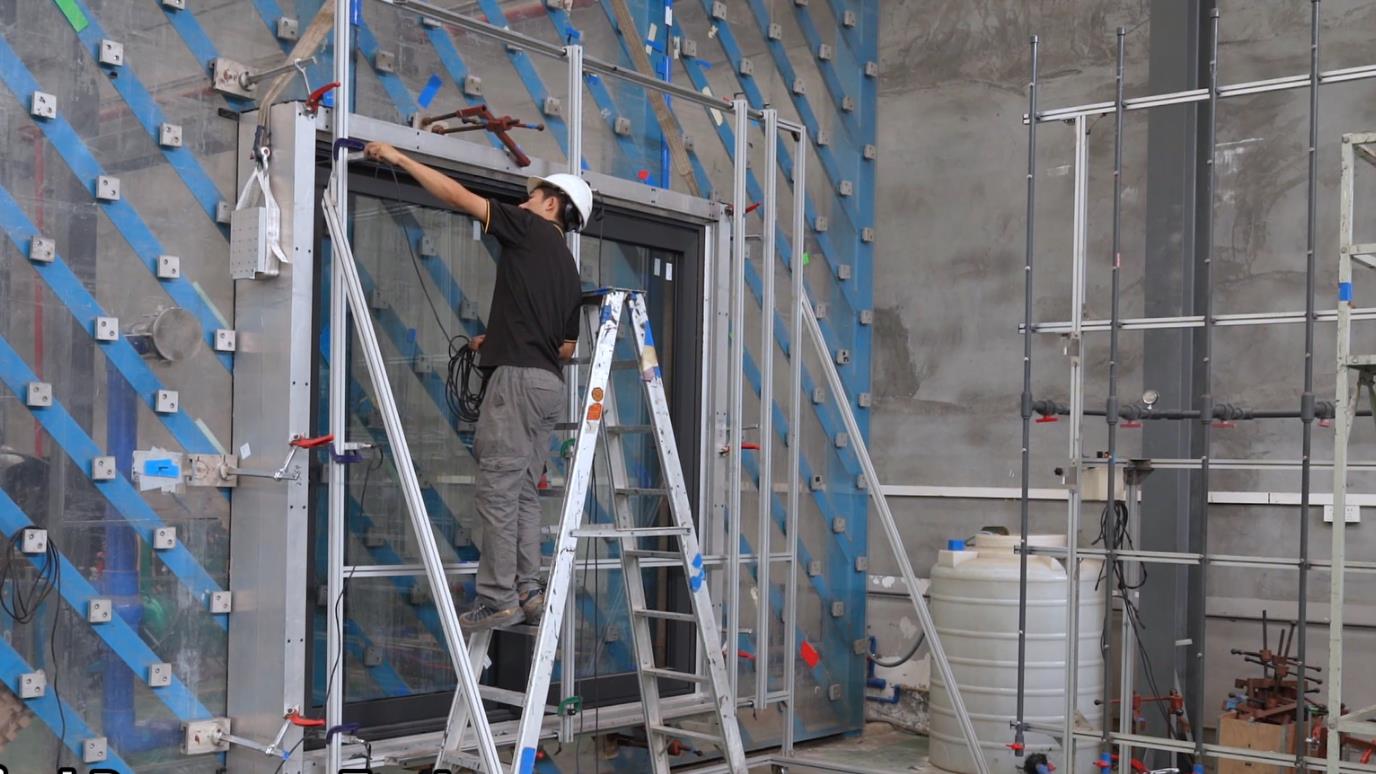
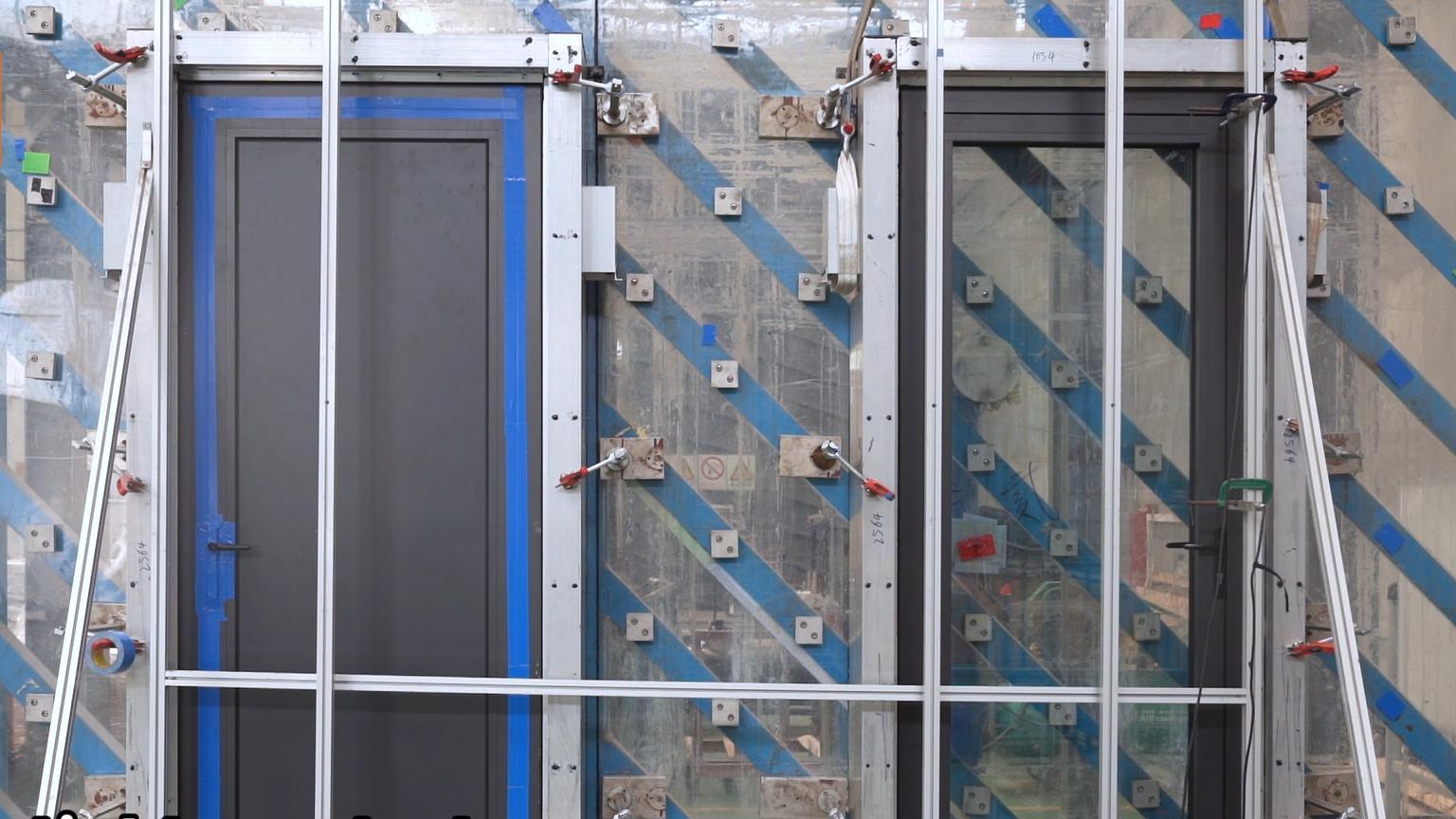
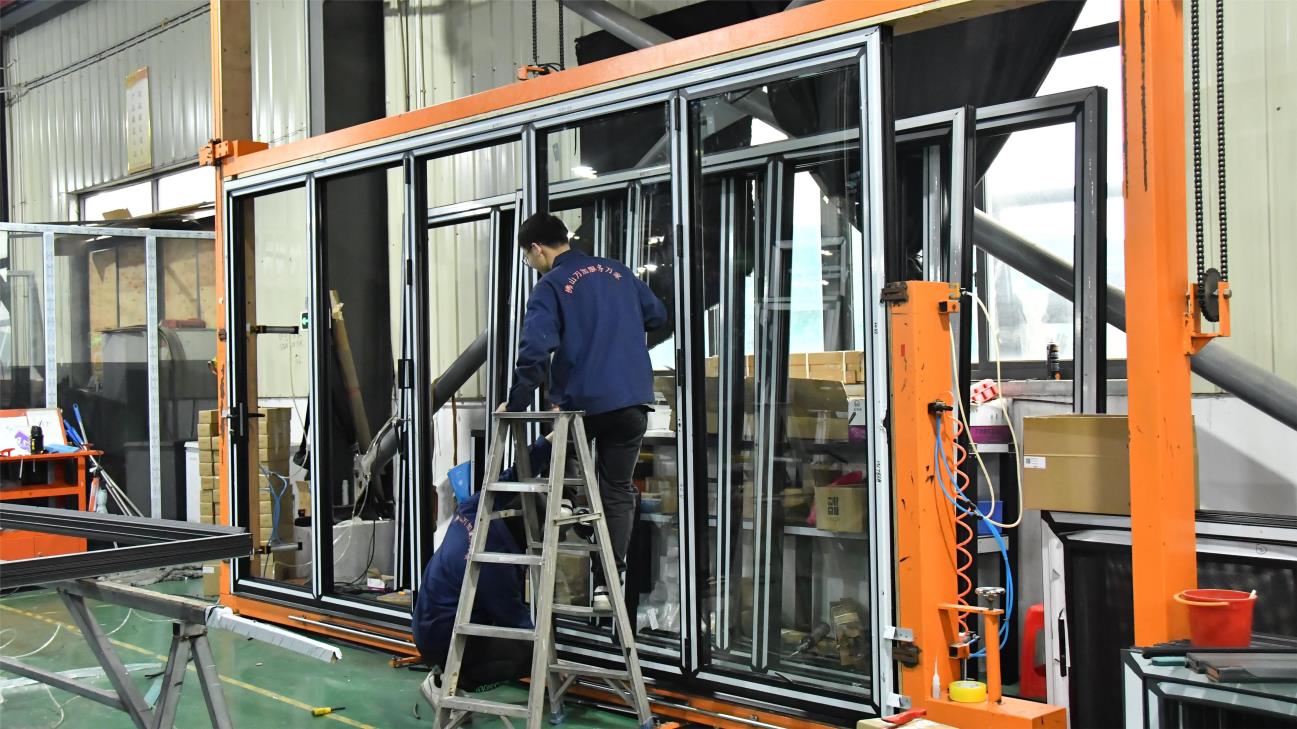
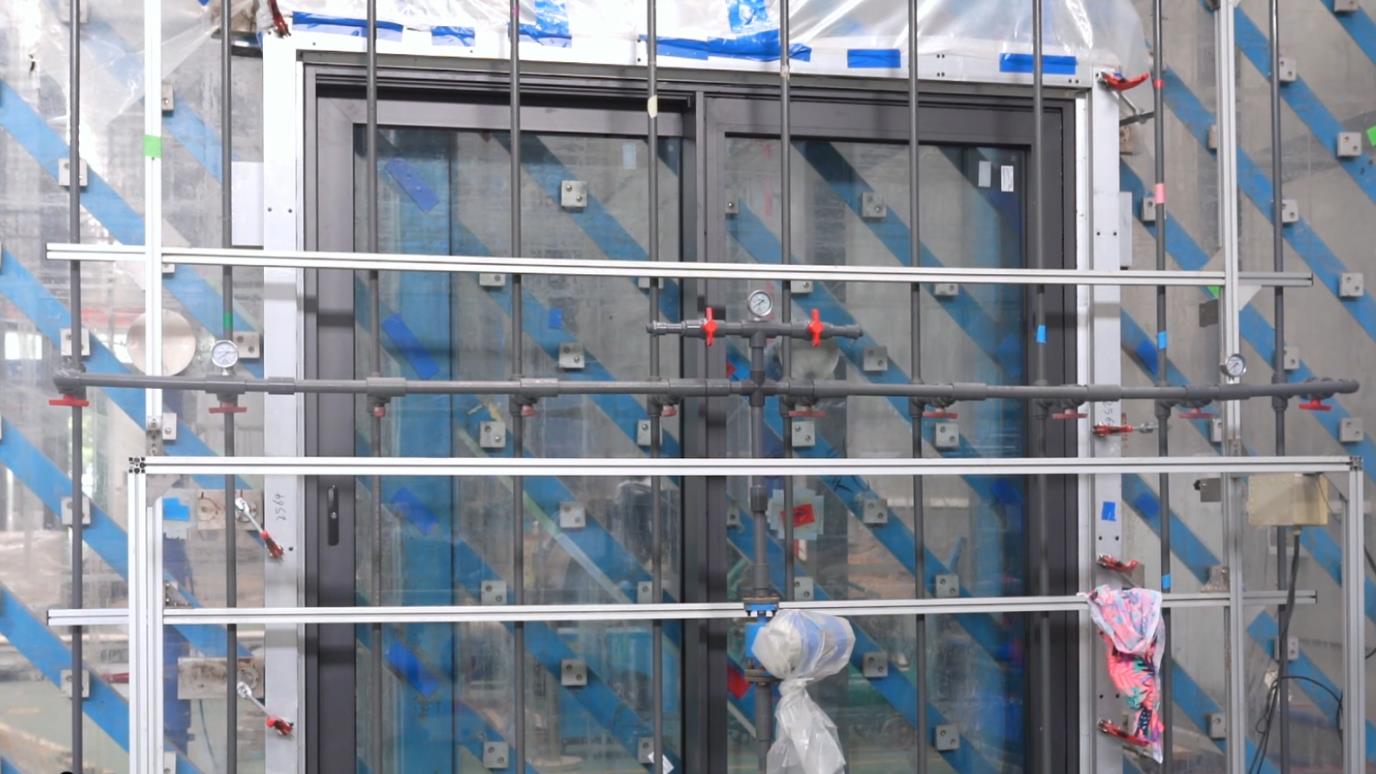
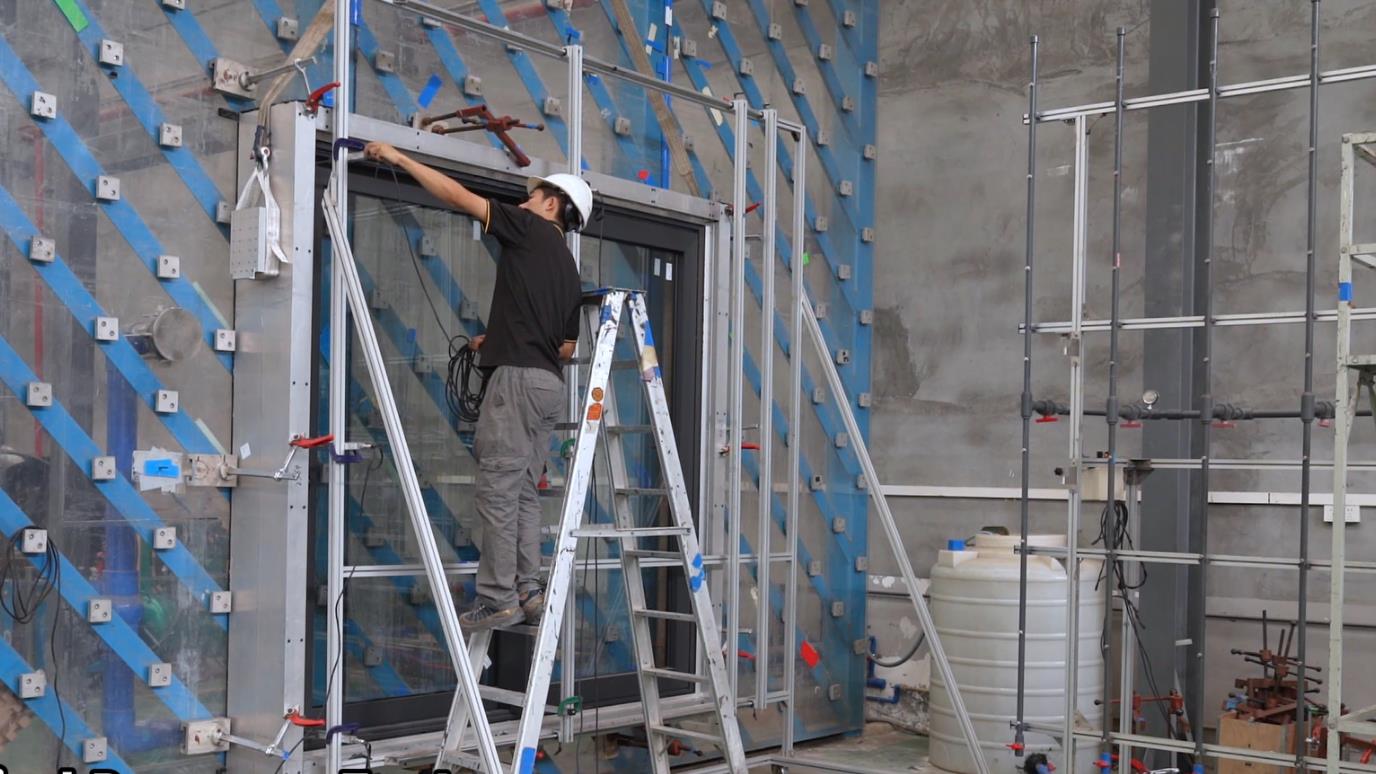
Driven by 24 engineering specialists focused on profile cavity innovation, modular customization, and thermal simulations.
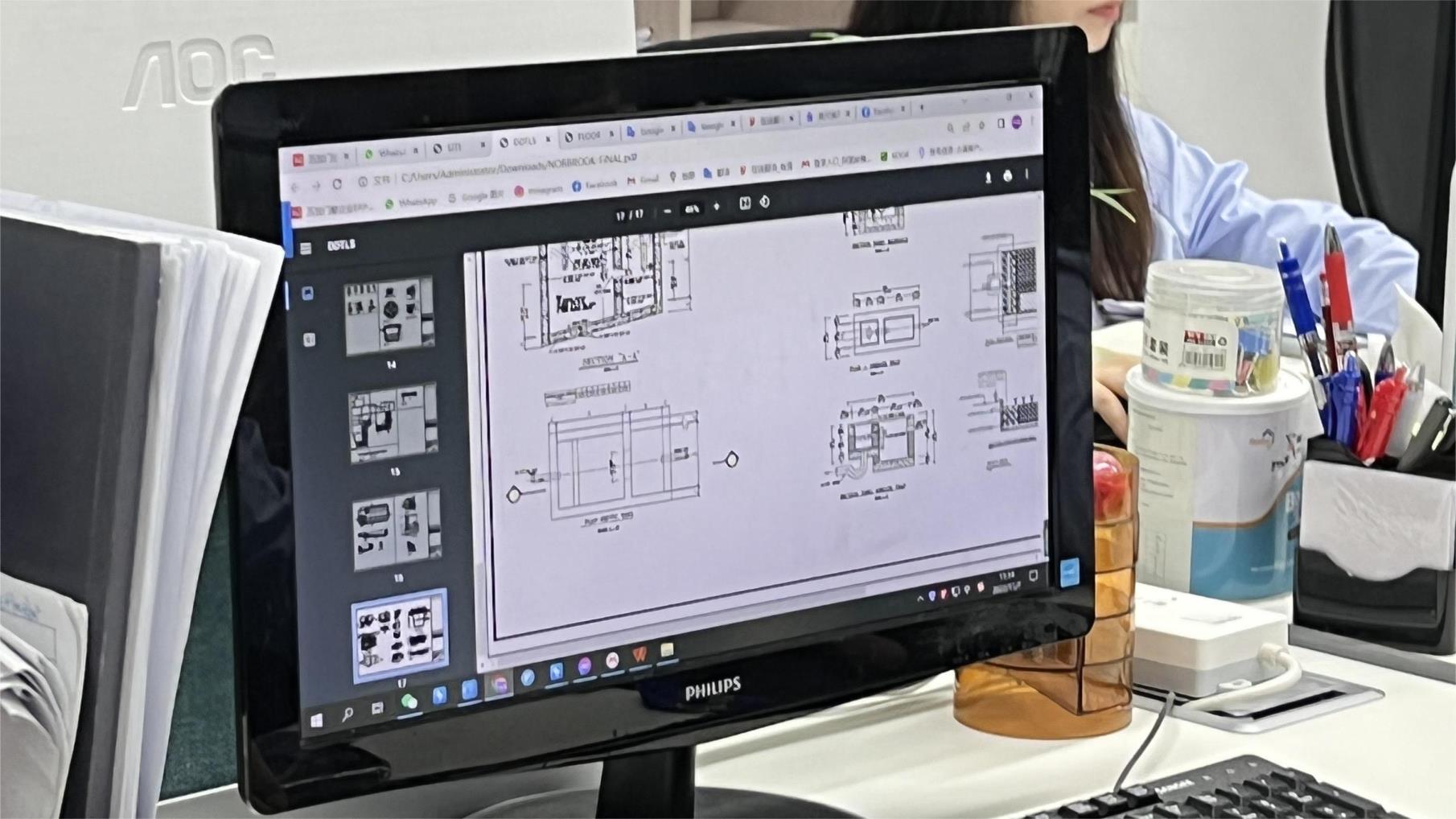
With an agile product development approach, our R&D unit successfully introduced 40 new entry door and window series last year. We work alongside global developers, architecture firms, and trade buyers to transform complex parametric sketches into certified structural systems. We offer custom options, including minimalist slim-line profiles, multi-cavity thermal break extrusions, RAL powder coating matching, and multi-point hardware integration.
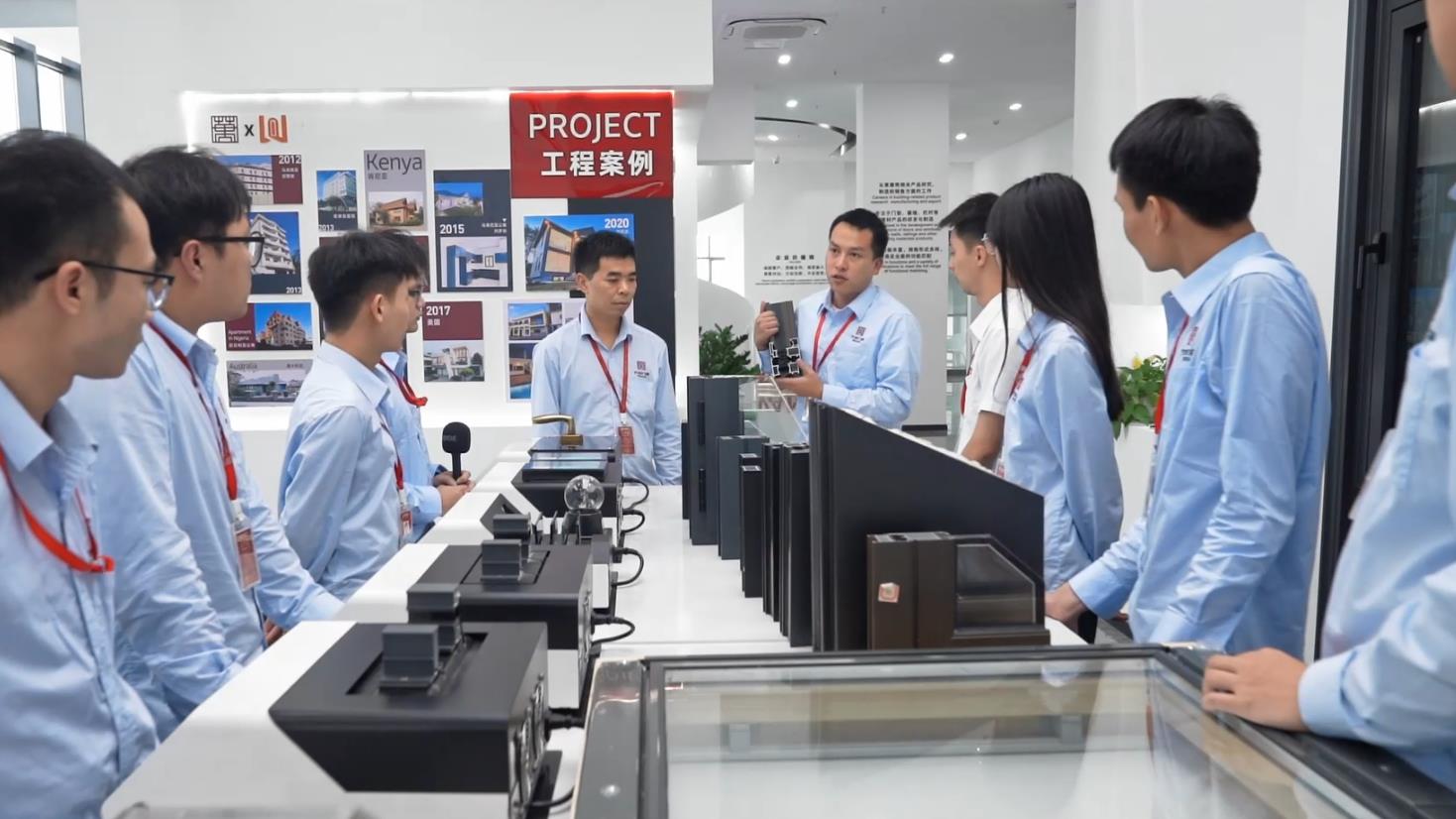
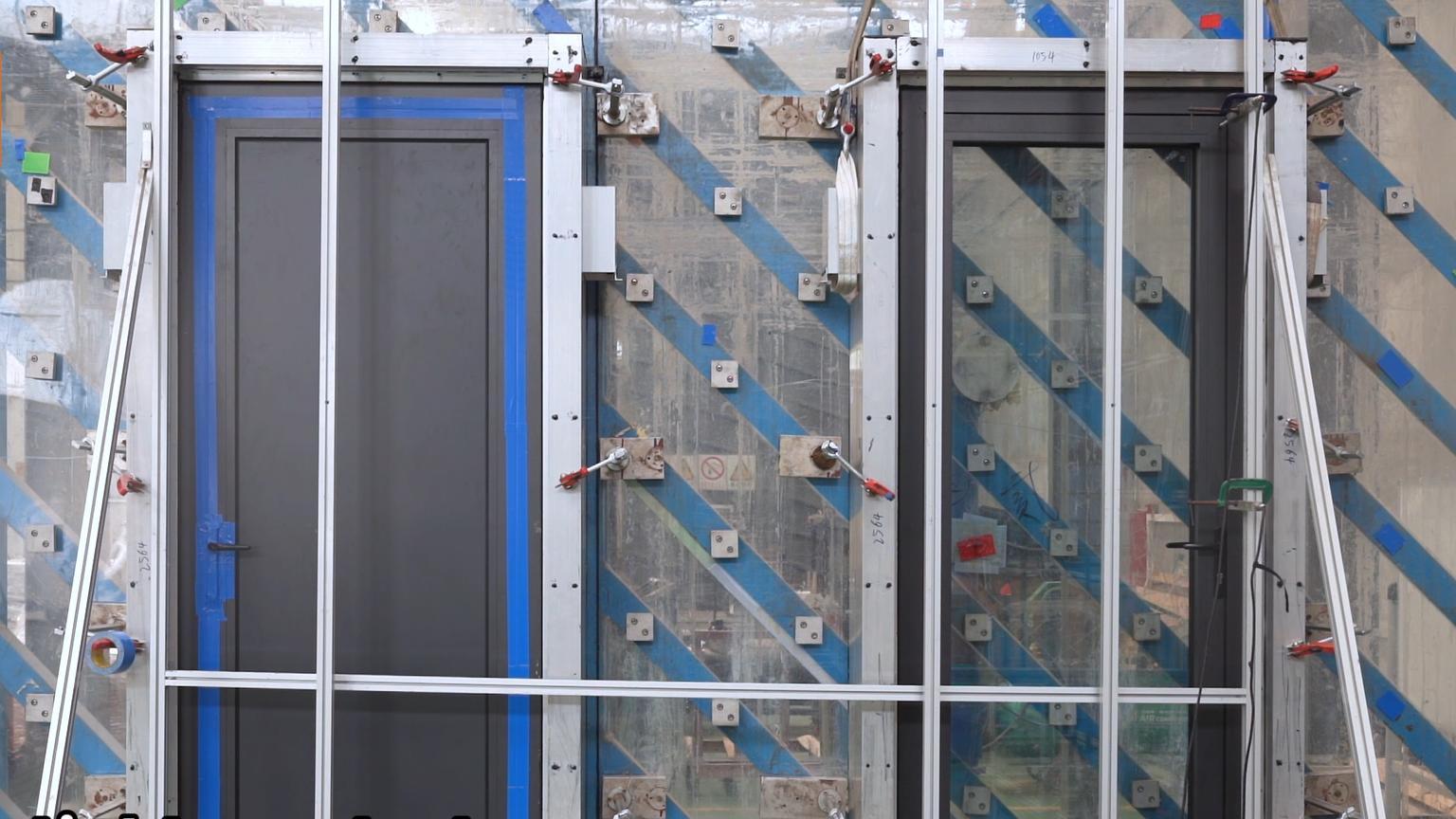
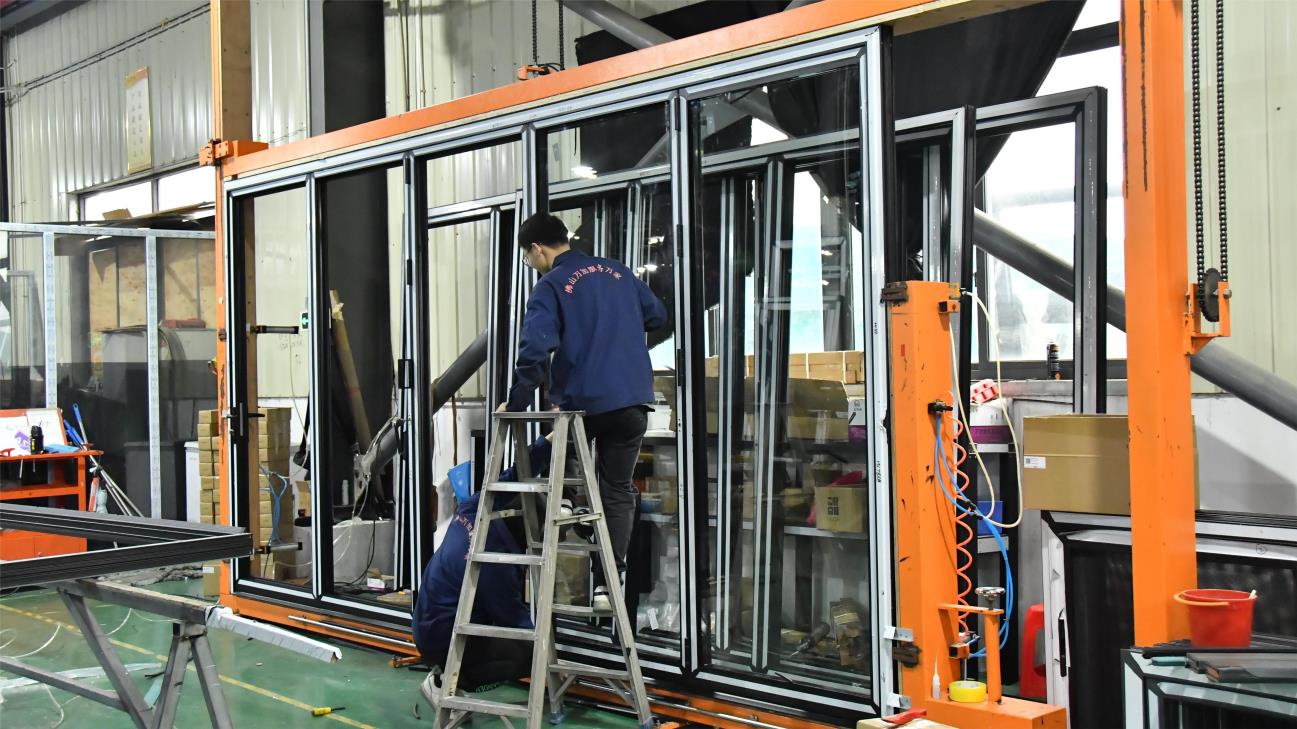
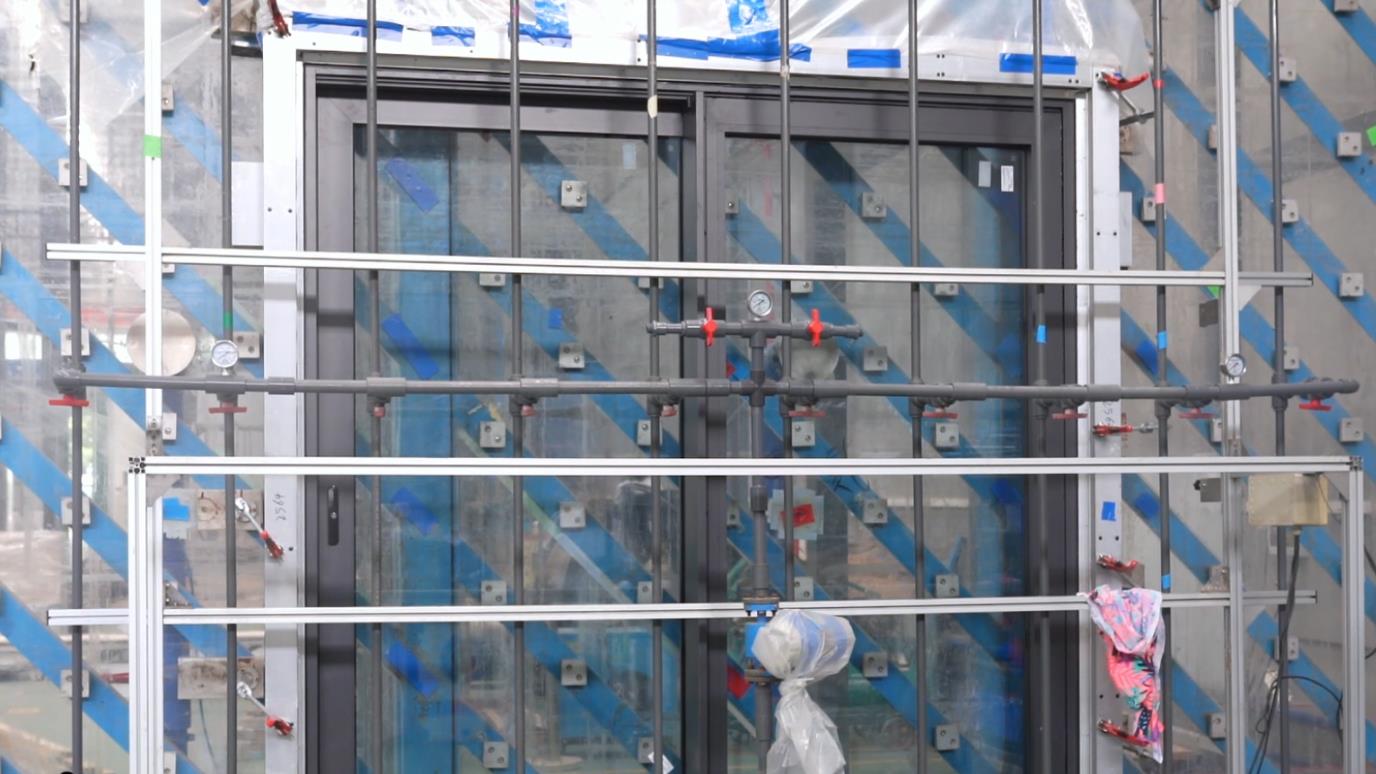
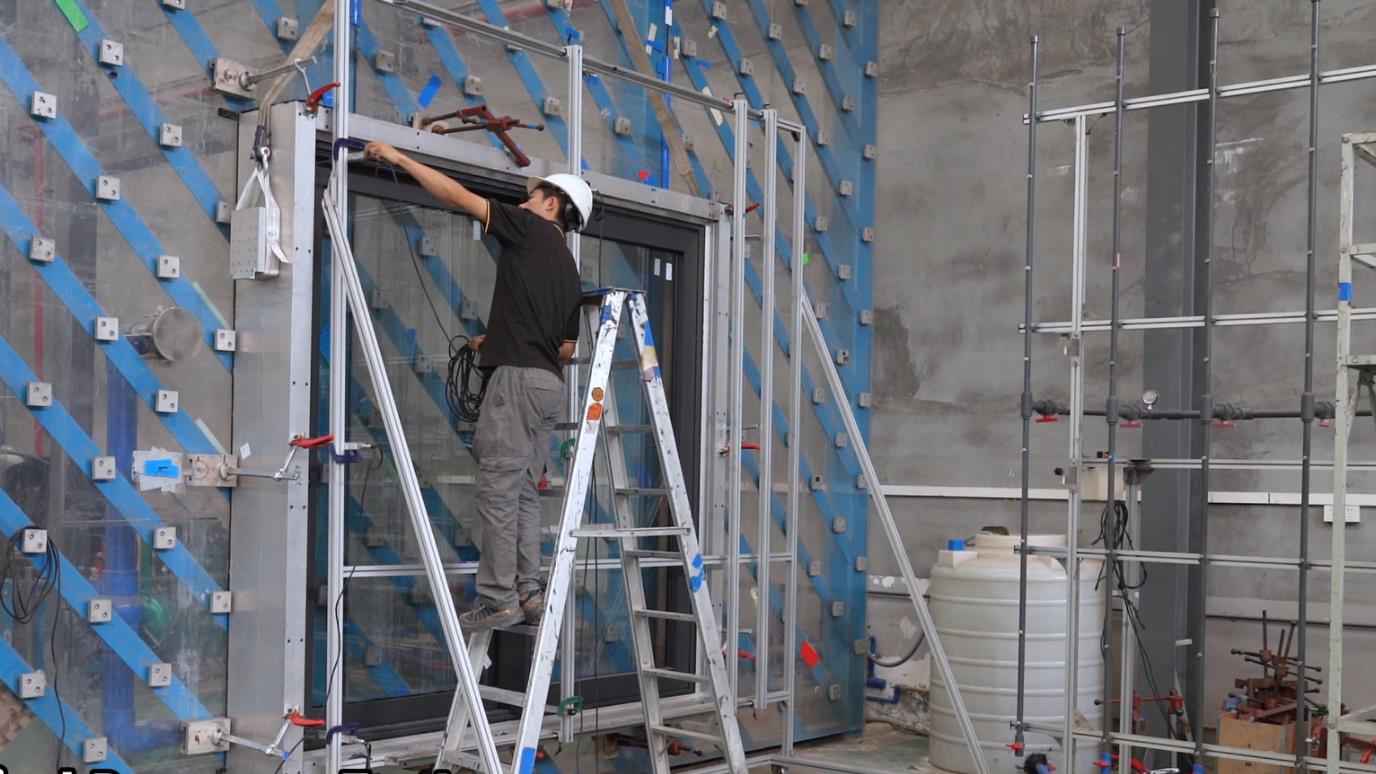
Customizing structural fenestration parameters based on regional climatic and architectural requirements.
Requires Miami-Dade NOA compliance with heavy-wall 6063-T5 extrusions, 12mm+ SentryGlas® (SGP) laminated glass, and multi-point deadbolt latching to resist wind velocities exceeding 170 mph.
Employs 39mm wide PA66GF25 multi-cavity thermal break strips paired with triple Low-E Argon-filled glass units, driving total U-factors down to 0.8 - 1.1 W/m²K.
Utilizes heavy-duty continuous hinges, concealed automatic closers, and ultra-durable PVDF surface coatings (AAMA 2605) to withstand high operational cycles and atmospheric salt spray.
How vertical integration and cluster economies yield competitive advantages for international importers.
China's fenestration supply chain benefits from dense industrial clusters in Shandong and surrounding coastal regions. By co-locating raw aluminum billet smelting, profile extrusion, anodizing, hardware manufacturing, and glass processing within immediate geographic reach, lead times are compressed by up to 40% compared to fragmented international supply lines.
Direct sourcing of primary 99.7% pure aluminum ingots ensures stable chemical alloy compositions without recycled impurities that compromise structural integrity.
Modular tooling systems allow our facility to manufacture custom dimensions and specialty RAL finishes without demanding excessive Minimum Order Quantities (MOQs).
Custom structural wood packaging and automated container loading algorithms maximize internal volume, minimizing freight costs per square meter of glass shipped.
Pioneering the next decade of intelligent, decarbonized, and ultra-insulated fenestration engineering.
OptiDoors is investing R&D resources into three core technical innovations scheduled for global rollout over the next 24 months:
Ensuring frictionless municipal approvals and structural sign-offs across target international markets.
Navigating global building codes requires detailed documentation, structural engineering calculations, and certified physical test reports. OptiDoors provides full architectural engineering packages—including DWG profiles, BIM/Revit models, shop drawings, thermal simulation reports (WINDOW/THERM software), and certified test documentation for local inspectors.
| Target Region | Required Standard / Code | OptiDoors Compliance Pathway |
|---|---|---|
| North America (USA / Canada) | NFRC 100/200/400, Miami-Dade NOA, AAMA/WDMA 101/I.S.2/A440 | NFRC thermal rating labels, structural hurricane impact test reports, Florida Product Approvals. |
| Australia / New Zealand | AS2047, AS1288, WERS Energy Rating | AS2047 physical pressure validation, AS1288 structural safety glass compliance certification. |
| European Union | EN 14351-1, CE Marking, Passive House Institute (PHI) | CE compliance documentation, factory production control (FPC) audit compliance, Low-E glass certifications. |
| Middle East (GCC) | Gulf Building Code (GBC), High Thermal Resistance & Dust Seal | Enhanced UV-resistant powder coatings, high-durability double EPDM weather seals against airborne dust. |
Addressing engineering, procurement, and structural questions from project managers and architectural importers.
Explore additional certified window and door systems designed for custom architectural applications.
 OptiDoors