Explore our top-tier NFRC certified, hurricane-resistant, and thermally insulated uPVC window assemblies engineered for global export.
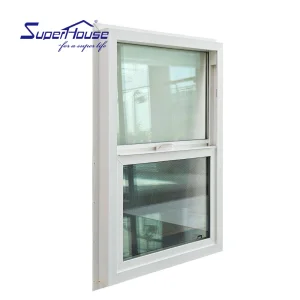
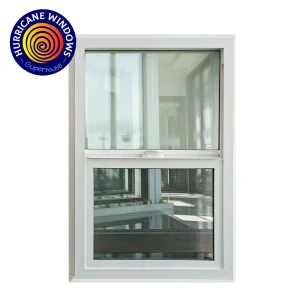
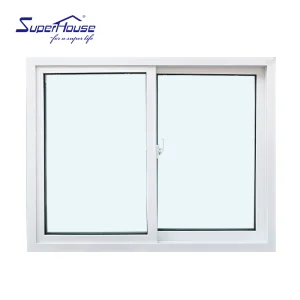
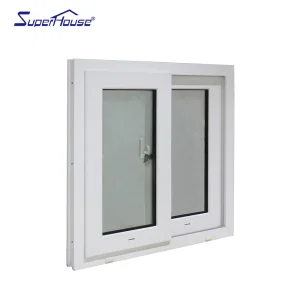
In modern architectural engineering, the transition from traditional timber and uninsulated metallic frames to advanced polymer fenestration systems represents a paradigm shift in building envelope design. Unplasticized Polyvinyl Chloride (uPVC), commercially designated as architectural vinyl, has matured into the premier material of choice for high-performance residential, multi-family, and commercial facade developments across North America, Western Europe, and Oceania.
The chemical stability of modern uPVC compounds stems from a specialized formulation comprising high-grade PVC resin blended with heat stabilizers, titanium dioxide (TiO2) UV inhibitors (minimum 9 phr content for high-UV exposure zones), and impact modifiers. Unlike plasticized PVC used in flexible goods, rigid architectural uPVC offers exceptional mechanical rigidity, fire-retardant self-extinguishing capabilities (Class A fire rating), and complete immunity to chemical corrosion, oxidation, and coastal salt-spray degradation.
uPVC inherently possesses a thermal conductivity rating of approximately 0.14 W/mK—orders of magnitude lower than extruded aluminum (approx. 160 W/mK). Multi-chamber extrusion profiles minimize convective heat transfer within the frame, driving assembly U-factors down to energy-star compliant ≤ 0.20 BTU/h·ft²·°F levels.
High-span vinyl windows incorporate internal galvanized steel reinforcement channels (minimum 1.5mm to 2.0mm wall thickness) engineered into the central chambers. This structural backbone enables resistance against extreme negative wind load pressure in coastal hurricane zones and high-rise applications.
When integrated with asymmetric double or triple Insulated Glass Units (IGUs) utilizing acoustic PVB laminates, high-chamber uPVC profiles deliver Sound Transmission Class (STC) ratings exceeding 42 dB, shielding interior environments from urban background noise.
| Engineering Property | Architectural uPVC (Vinyl) | Standard Aluminum | Thermal Break Aluminum |
|---|---|---|---|
| Frame Thermal Conductivity (K-Value) | 0.14 – 0.17 W/mK | ~ 160 W/mK | 1.8 – 2.8 W/mK |
| Condensation Resistance Factor (CRF) | High (65 – 80+) | Low (30 – 40) | Medium-High (55 – 70) |
| Coastal Salt-Spray Corrosion Resistance | Immune (Non-metallic profile) | Prone to galvanic pitting | Requires fluorocarbon coating |
| Corner Construction Method | Fusion-welded seamless joint (100% leakproof) | Mechanical crimp / Screwed gasket | Mechanical crimp + sealant |
| Life Cycle Maintenance Needs | Zero repainting; mild soapy wash | Prone to surface oxidation | Anodized/Powder-coat maintenance |
Global procurement directors, real estate developers, and large-scale importers increasingly rely on OEM/ODM partnerships centered in China’s advanced manufacturing hubs. The convergence of upstream raw material availability, cutting-edge automated extruders, skilled structural engineering talent, and massive scale efficiencies gives Chinese vinyl window factories an unparalleled market edge.
Key structural pillars driving this manufacturing supremacy include:
Building codes and climate challenges vary substantially across international markets. Chinese vinyl window exporters specialize in customizing facade assemblies to meet local regulatory and climate demands:
Projects in high-velocity hurricane zones (HVHZ) demand compliance with NFRC, NOA (Notice of Acceptance), and FPA standards. Our hurricane-resistant vinyl hung and casement series integrate heavy-gauge internal steel reinforcement, structural silicone glazing, and laminated impact glass capable of passing ASTM E1886/E1996 missile impact and hydrostatic pressure testing.
For sub-zero winter regions, thermal retention is the primary design metric. Multi-chamber uPVC window frames configured with triple-pane Low-E coated glass, 90%+ Argon gas fills, and warm-edge composite spacers yield passive-house level insulation parameters, mitigating internal condensation even when temperature differentials exceed 40°C.
Extreme UV radiation and ambient heat cause sub-standard plastics to yellow, chalk, and warp. Exporter-grade profiles utilize high titanium dioxide formulations (UV-stabilized) combined with solar-control spectrally selective low-emissivity glass to reflect infrared heat while transmitting visible natural daylight.
Multi-family housing projects require streamlined aesthetic appeal paired with operational longevity. Integrated vinyl double hung, horizontal sliding, and casement windows offer integral nail fins for quick wood-frame installation, or flush flange options for concrete frame installation.
A trusted global manufacturing enterprise delivering high-volume fenestration solutions across Western Europe, the Middle East, Central Asia, and the Americas.
Founded in 2018, Shandong OptiDoors Technology Co., Ltd. operates a manufacturing complex of 8,200 m². Backed by 8 years of specialized door and window industry experience and 4 years of rapidly expanding global trade, the company yields an annual export revenue of USD 6,800,000.
To ensure flawless product execution, we strictly follow ISO9001 quality management procedures along with rigorous salt-spray, wind-load, and impact testing methods. Our QC department employs 16 dedicated QA officers who monitor every stage from raw material arrival to final packaging. Our primary markets cover Western Europe, the Middle East, and Central Asia, supported by an established network of 380 supply chain partners and a versatile international trade background.
Our primary client base includes regional door and window wholesalers, custom home builders, commercial developers, and e-commerce importers. With agile product development capabilities, our engineering team of 24 R&D experts successfully released 40 new product lines last year. We offer versatile customization options, including modern minimal designs, thermal break structures, custom RAL color matching, multi-point locking systems, and nail-fin integrations.
Visualizing our precision machinery, structural quality control, performance testing rigs, and R&D design workflows.
Our plant executes a 9-step production system designed to enforce dimensional accuracy to within ±0.5mm across all window frames.
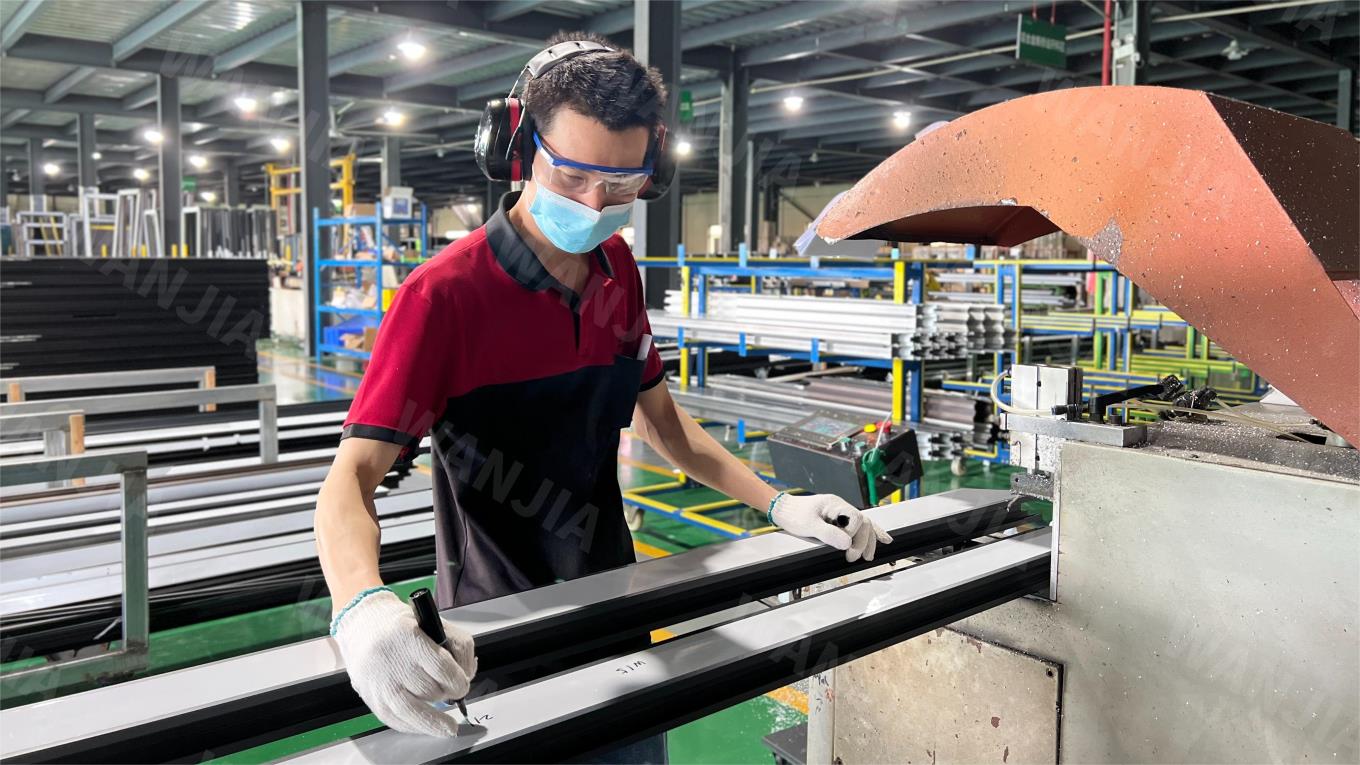 Cutting Process
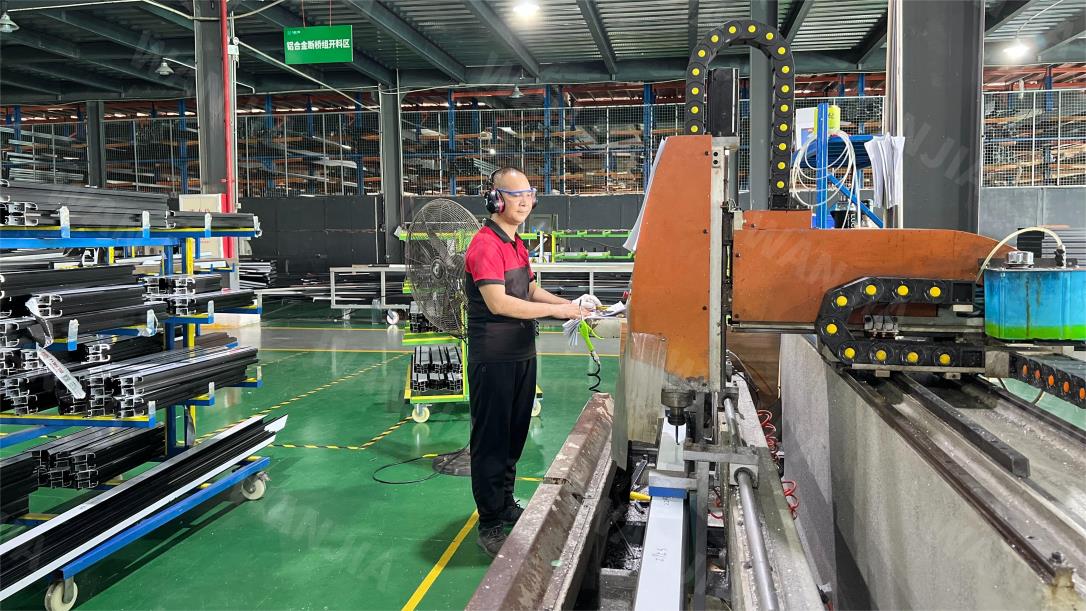 Drilling Process
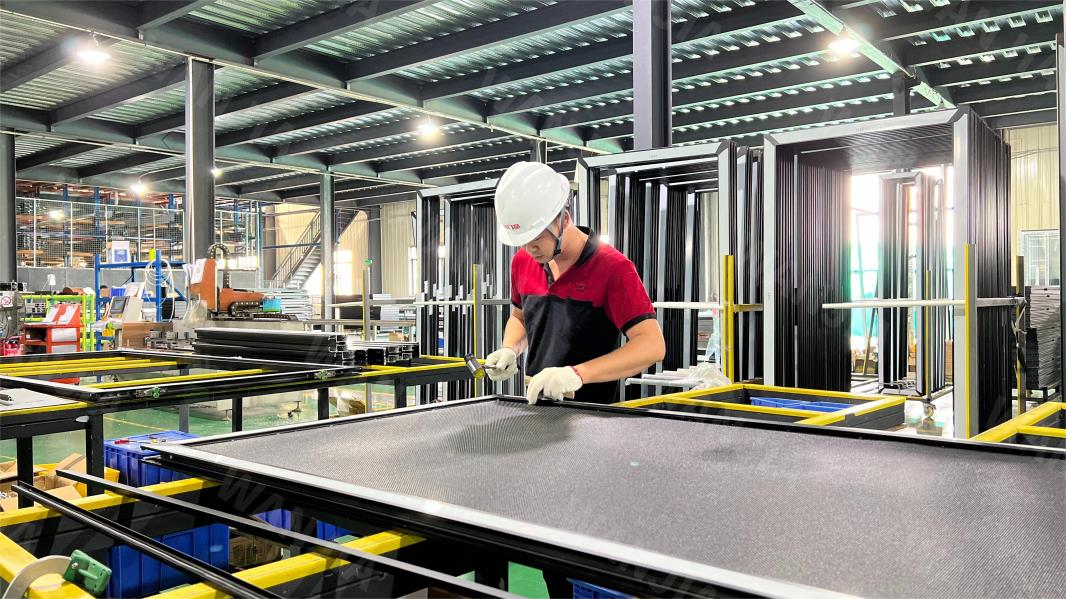 Gauze Installation
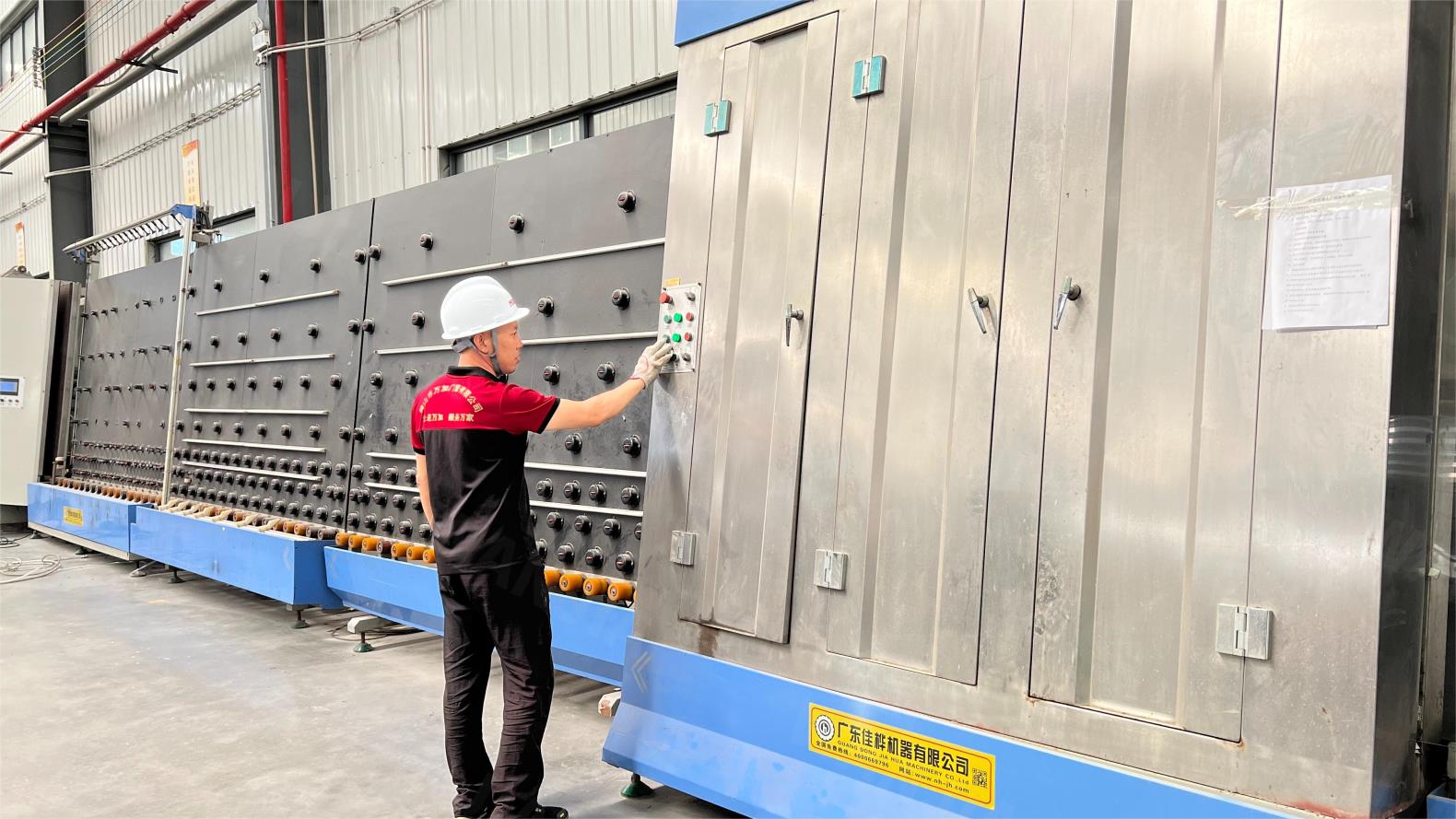 Glass Cleaning
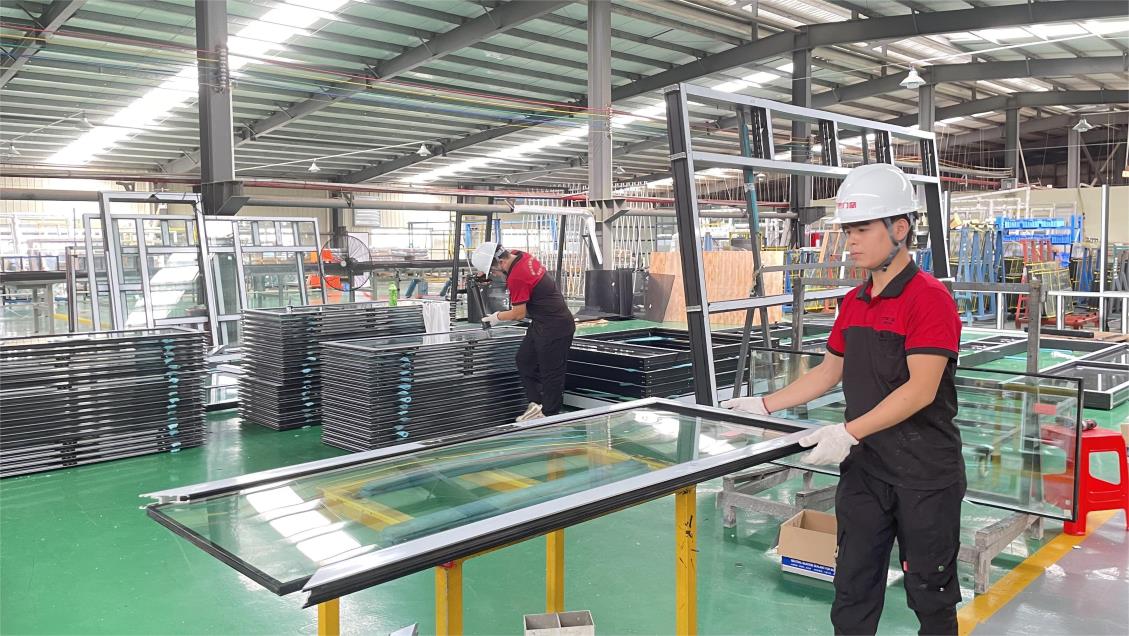 Glass Installation
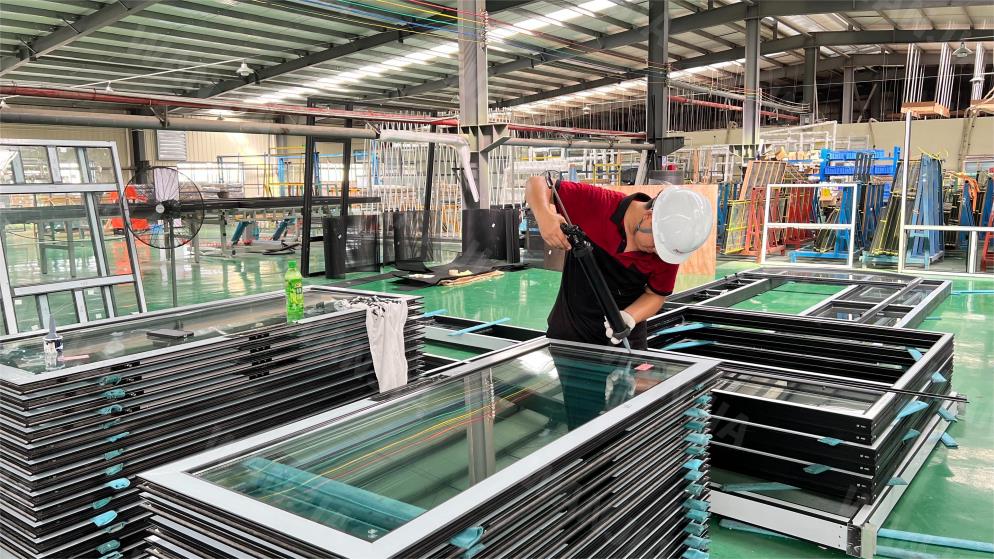 Automated Gluing
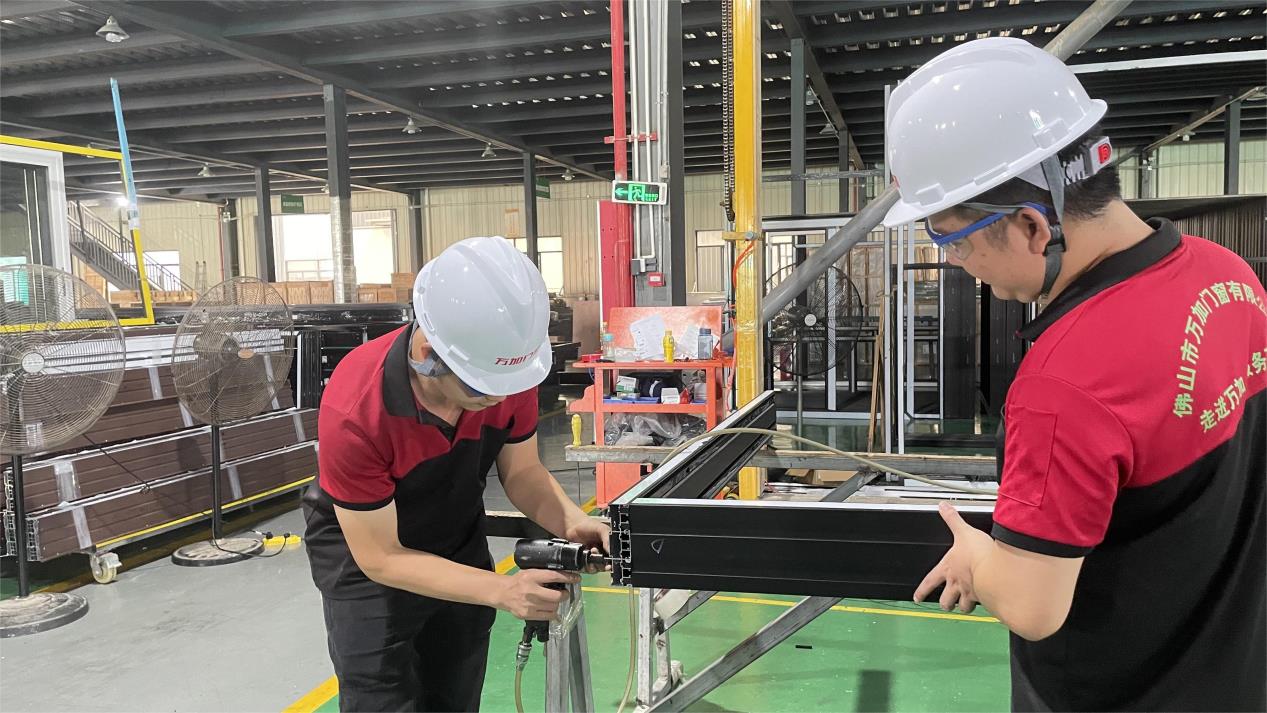 Frame Connection
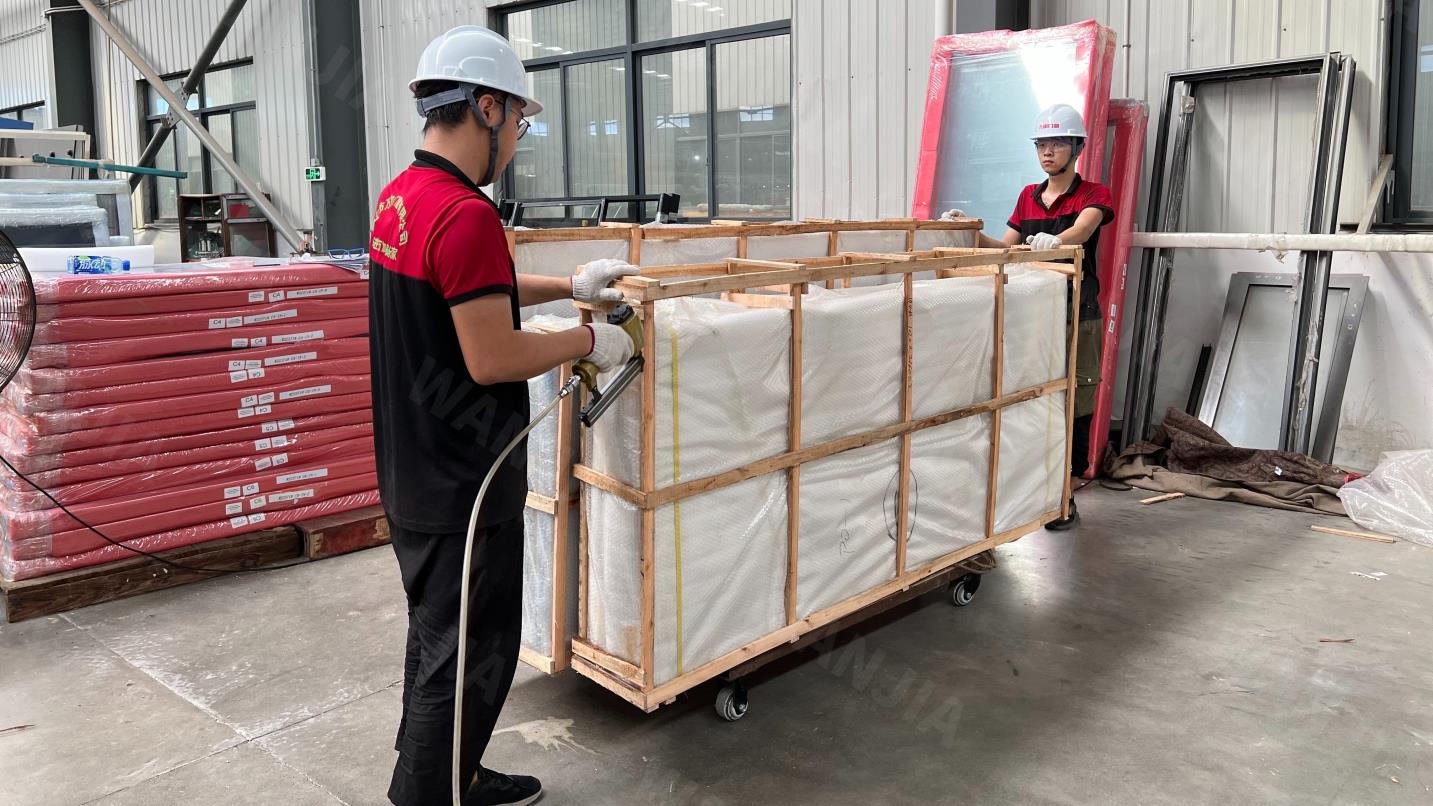 Export Packaging
 Quality Inspection
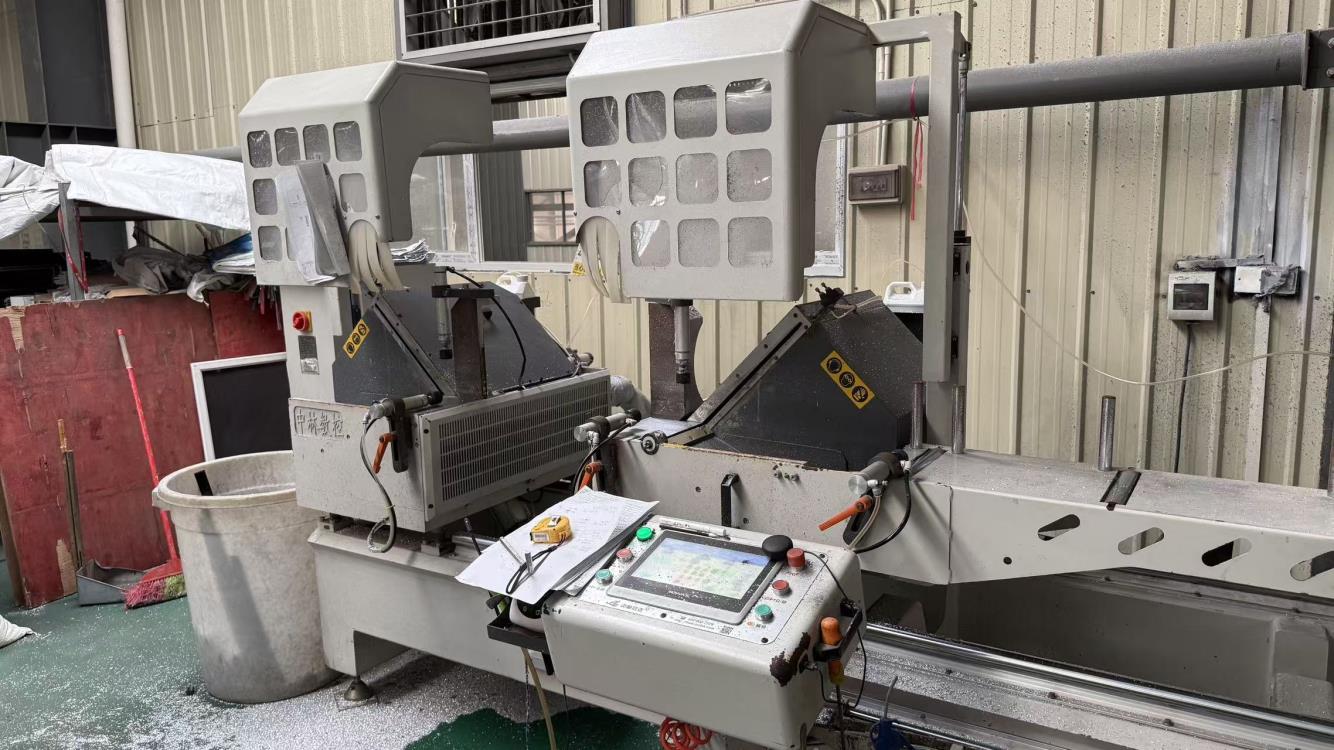 Aluminum Cutting Machine
 Fully Automatic Laser Cutting
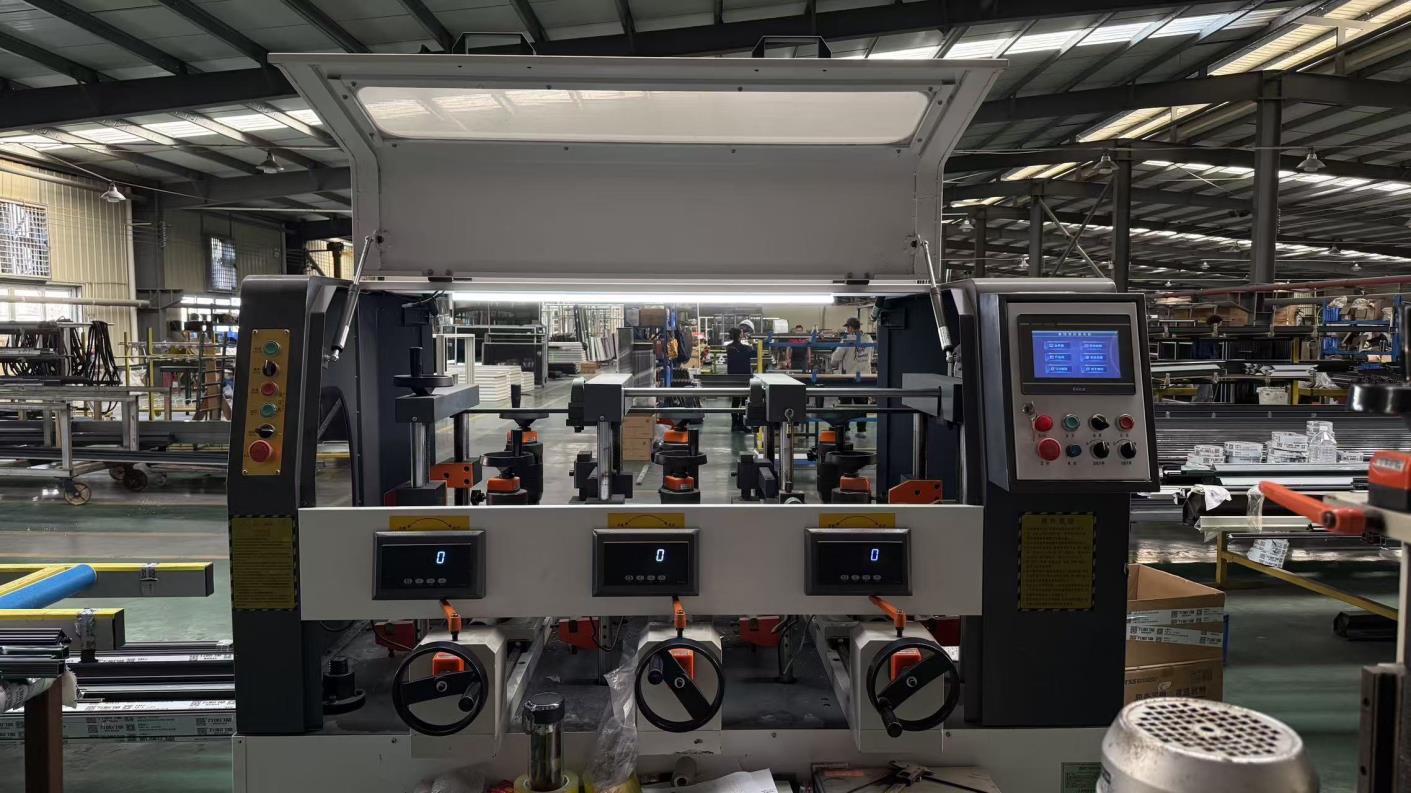 Glue Strip Assemblying Machine
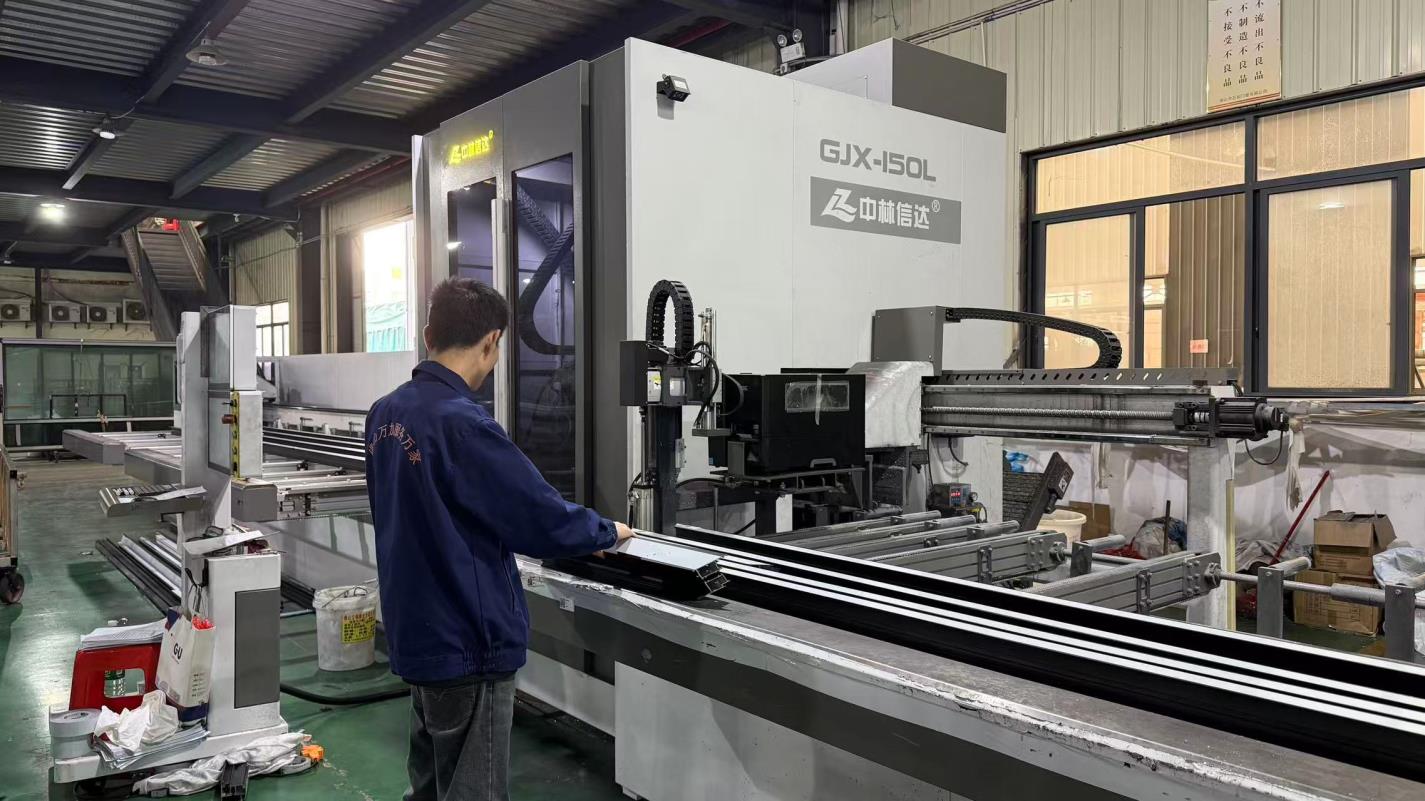
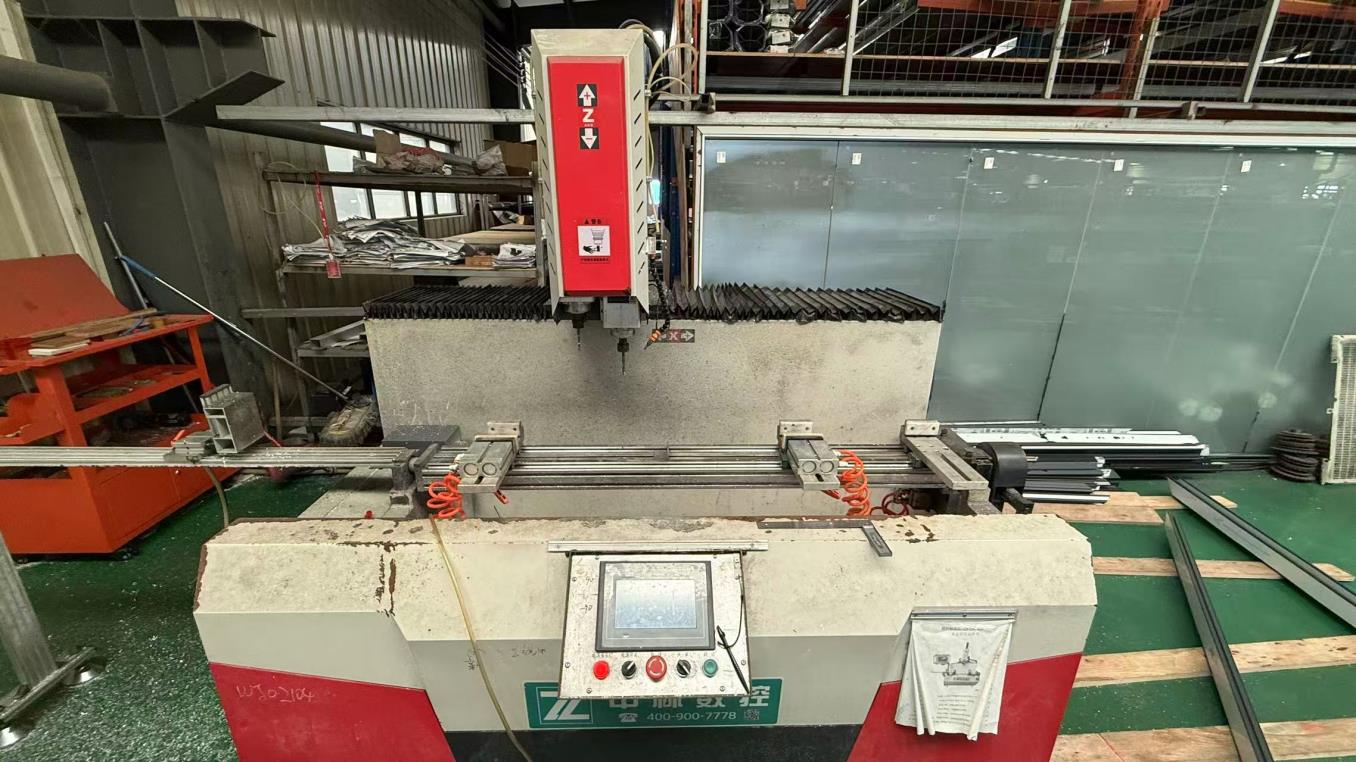 Aluminum Drilling Machine
Every window design undergoes rigorous physical verification to simulate extreme weather phenomena, structural stress, and long-term mechanical wear.
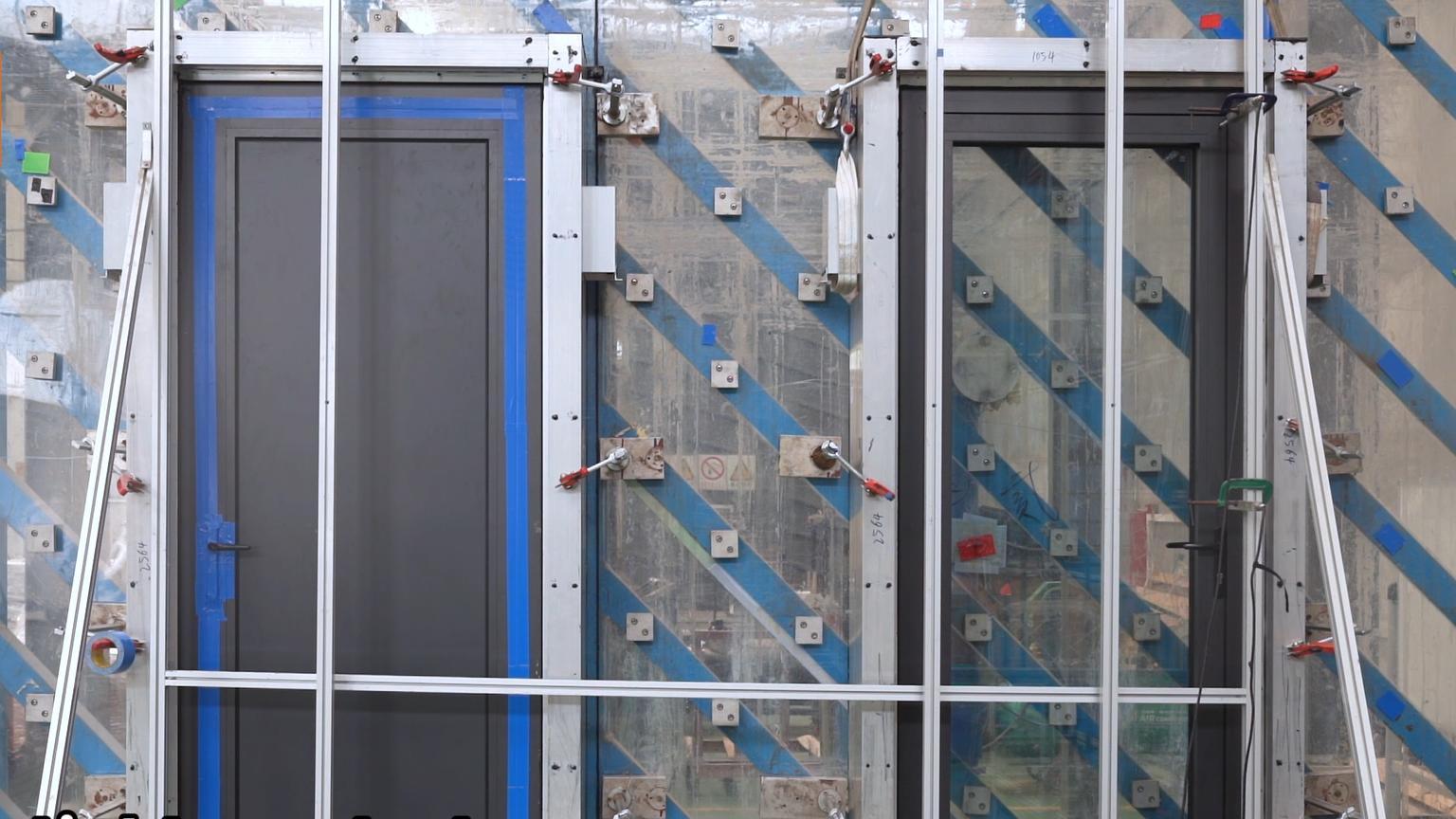 Air Tightness Testing
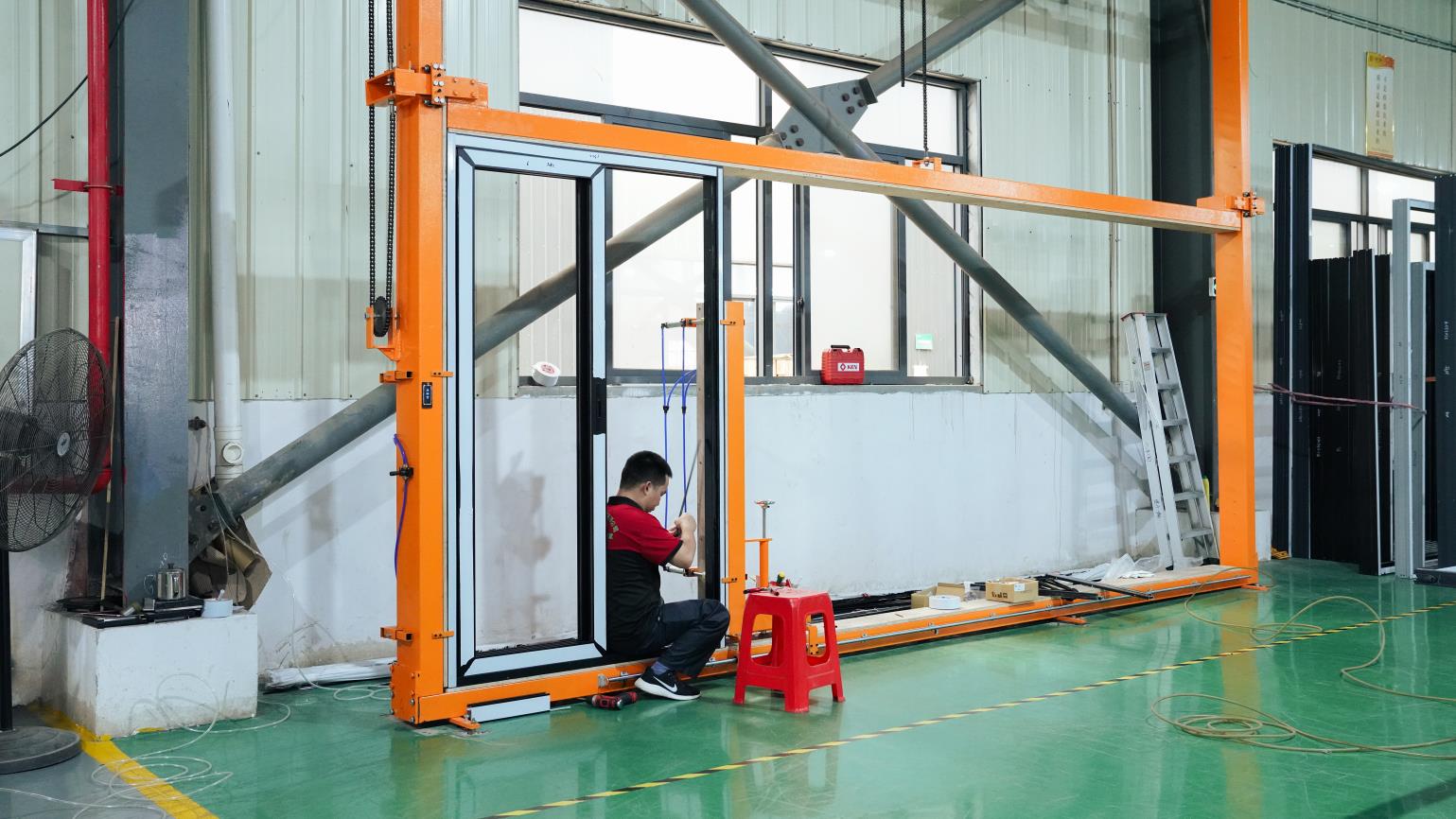
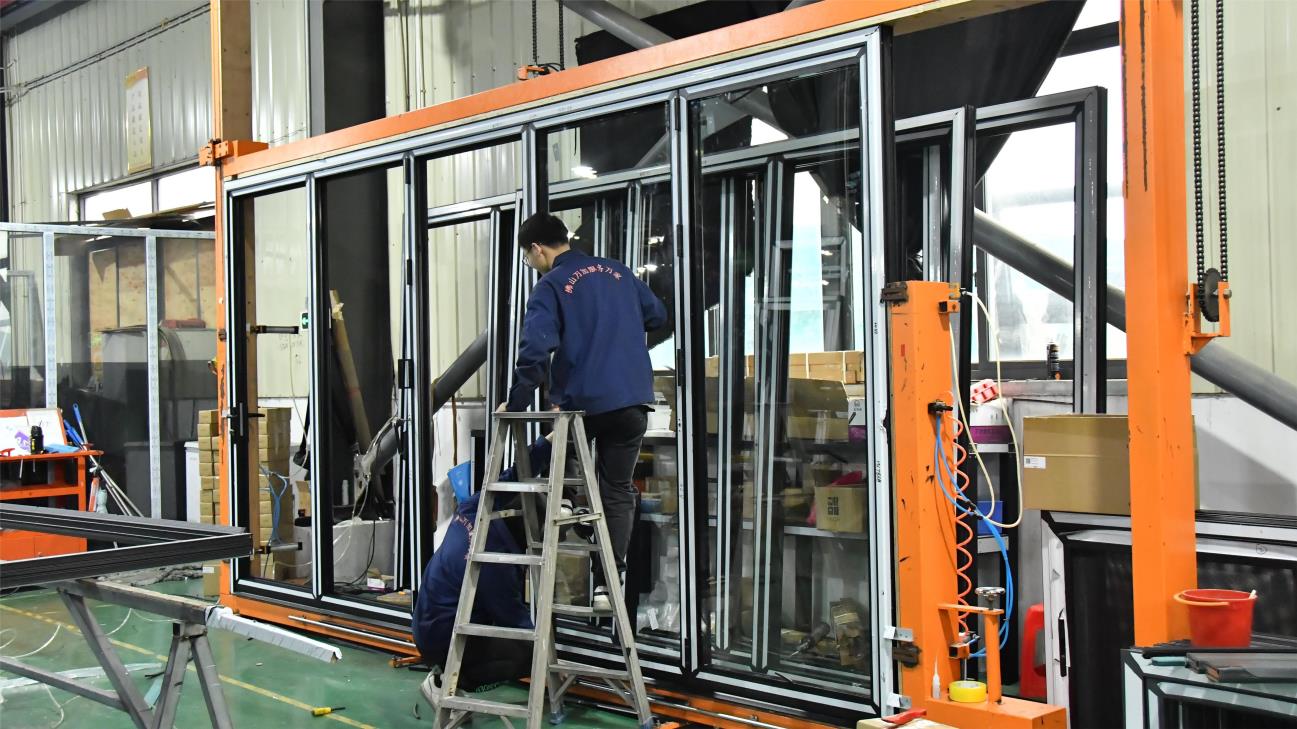 Installation Testing
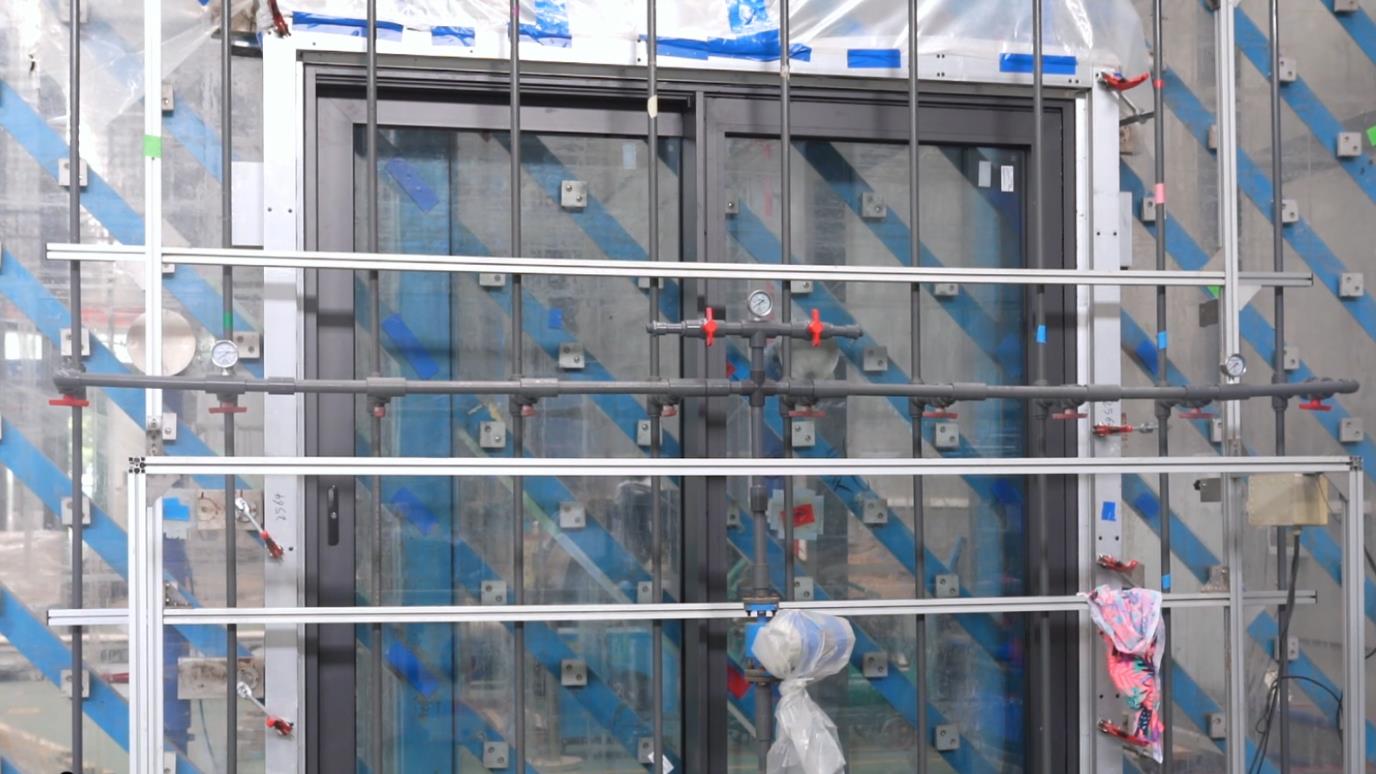 Water Tightness Testing
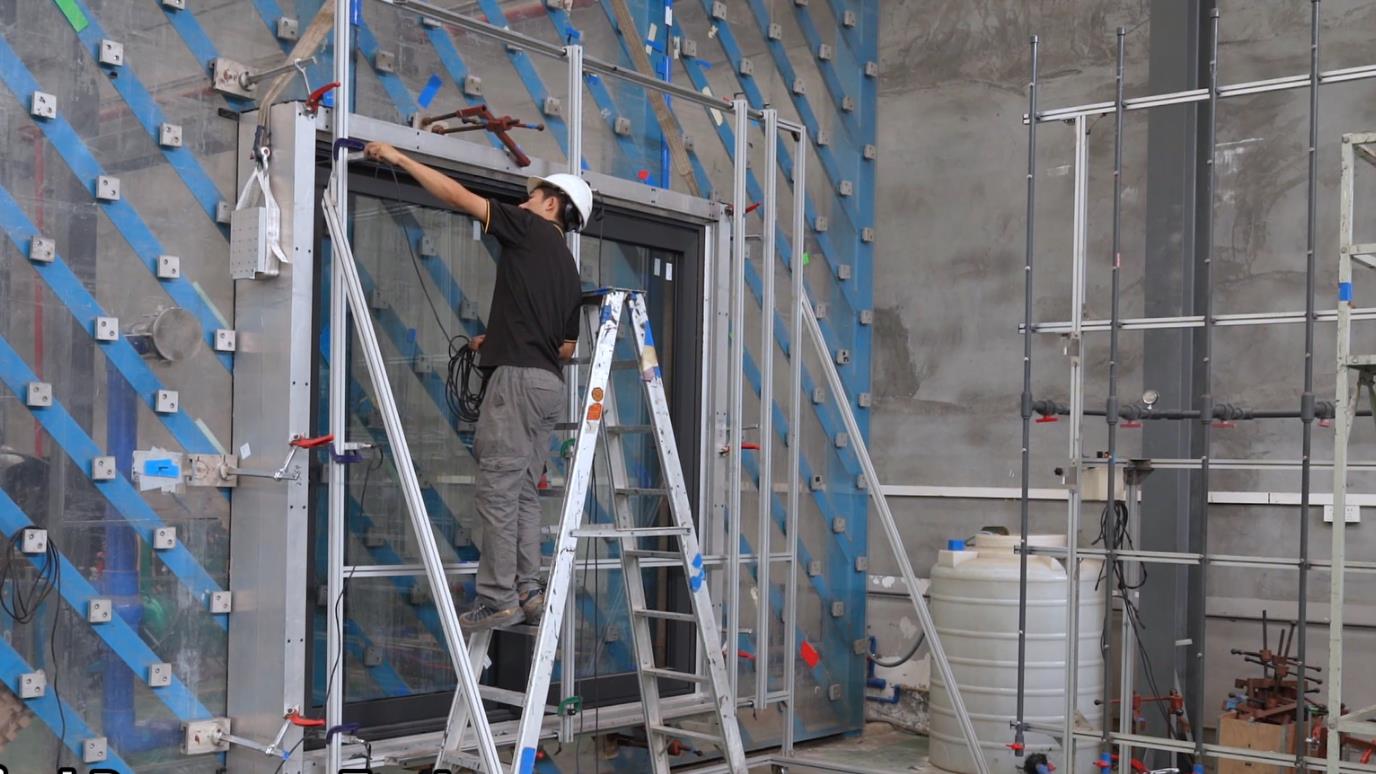 Wind Resistance Testing
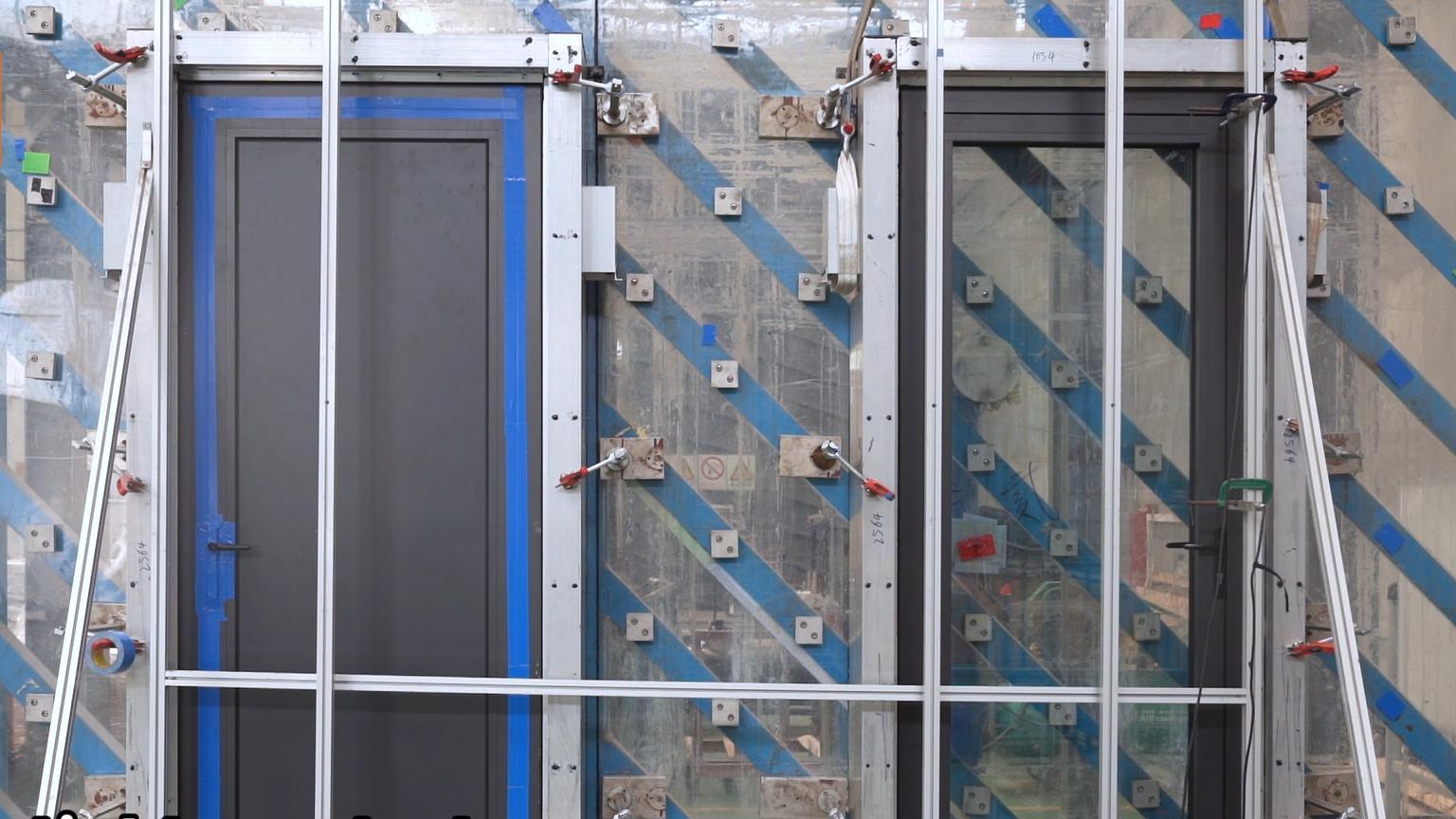 Air Tightness Tester Machine
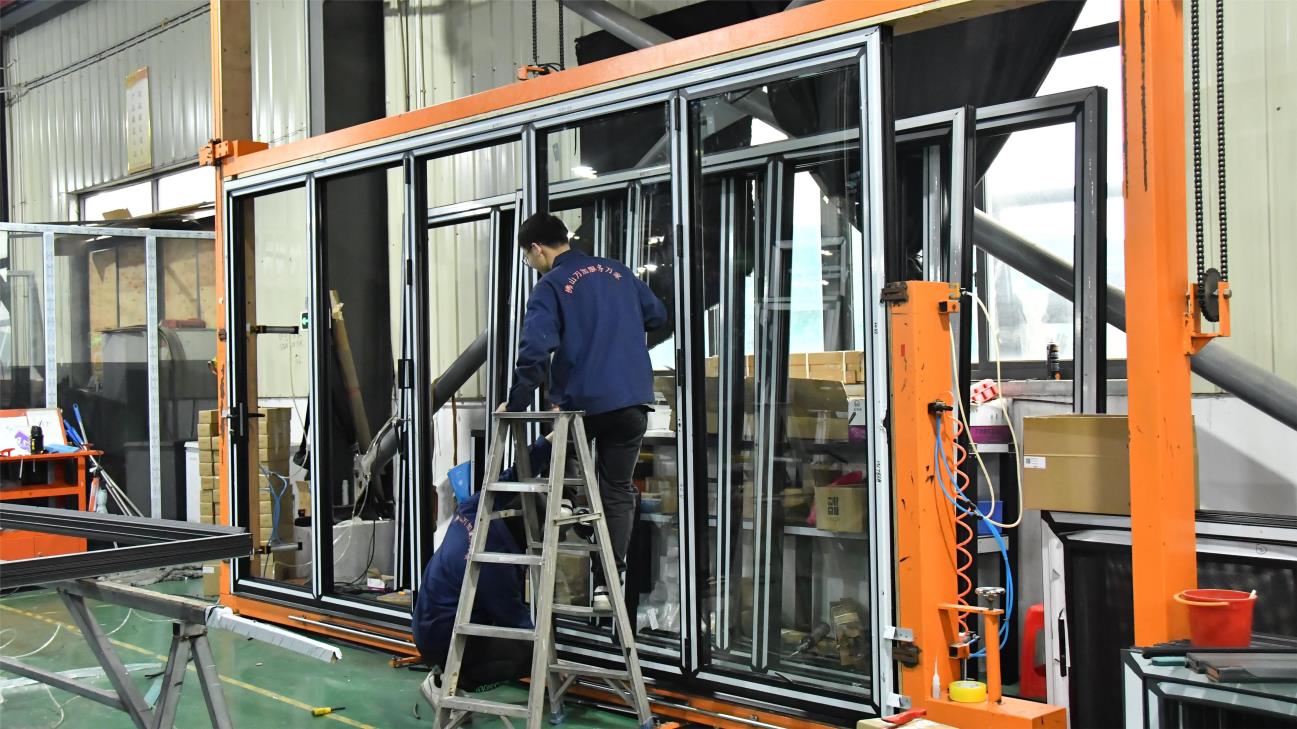 Installation Rig
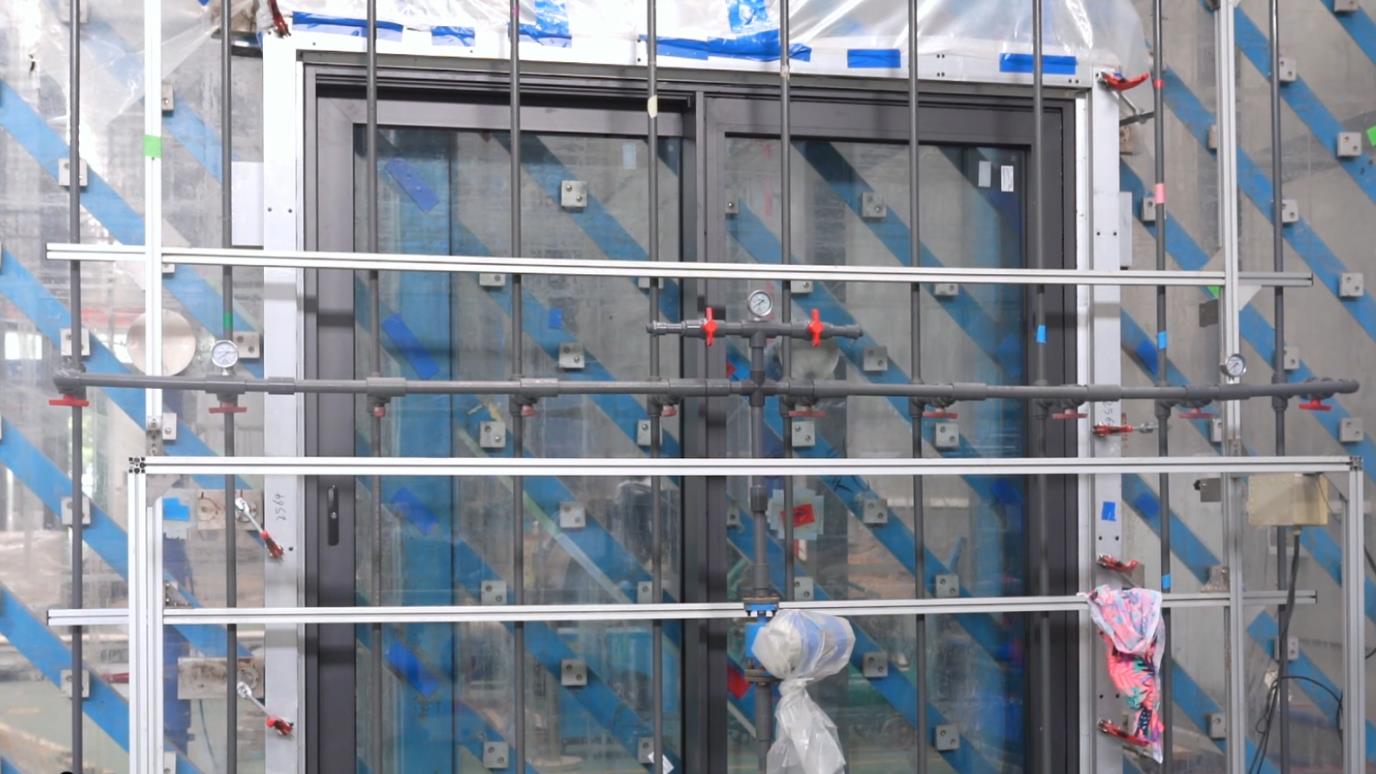 Water Tightness Tester
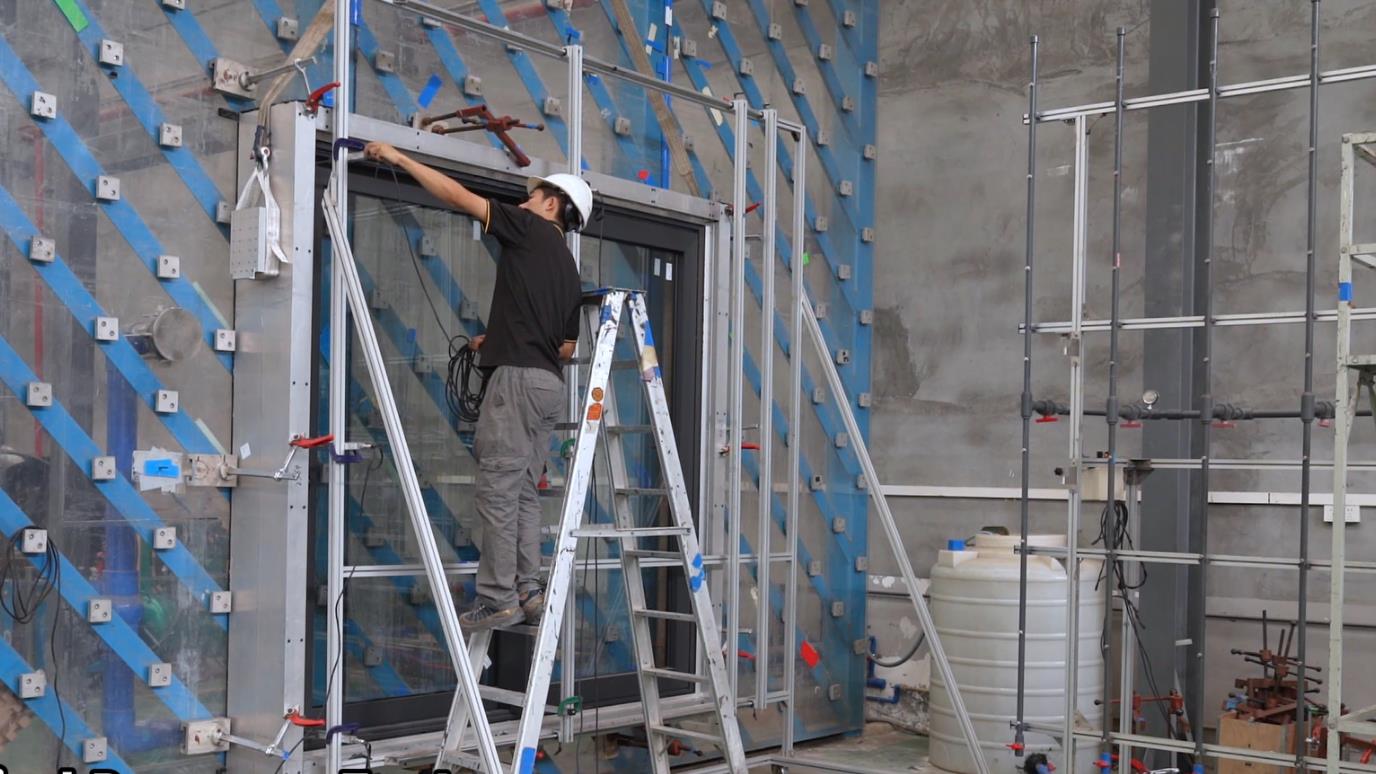 Wind Load Testing Rig
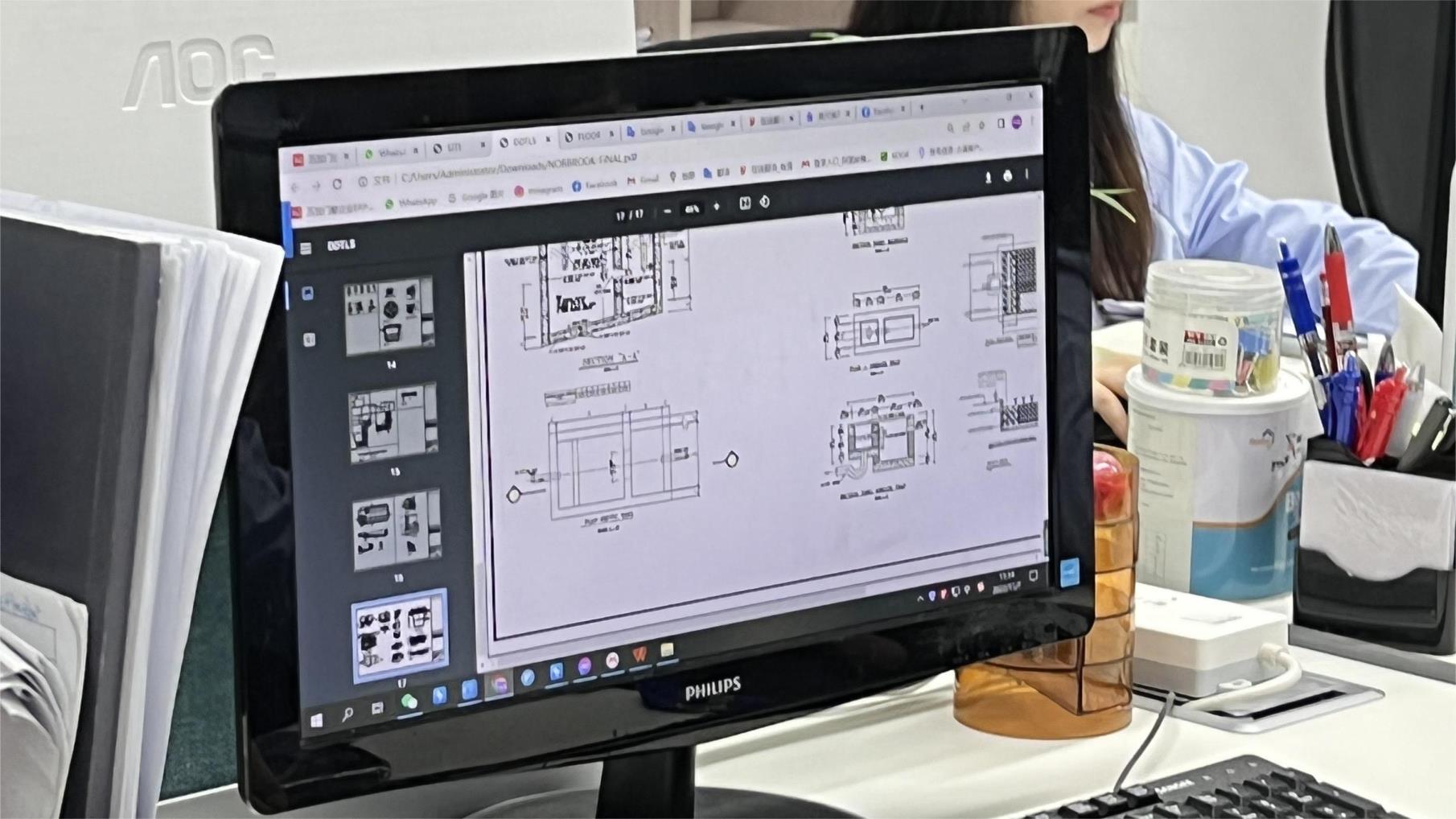 CAD Drawing Development
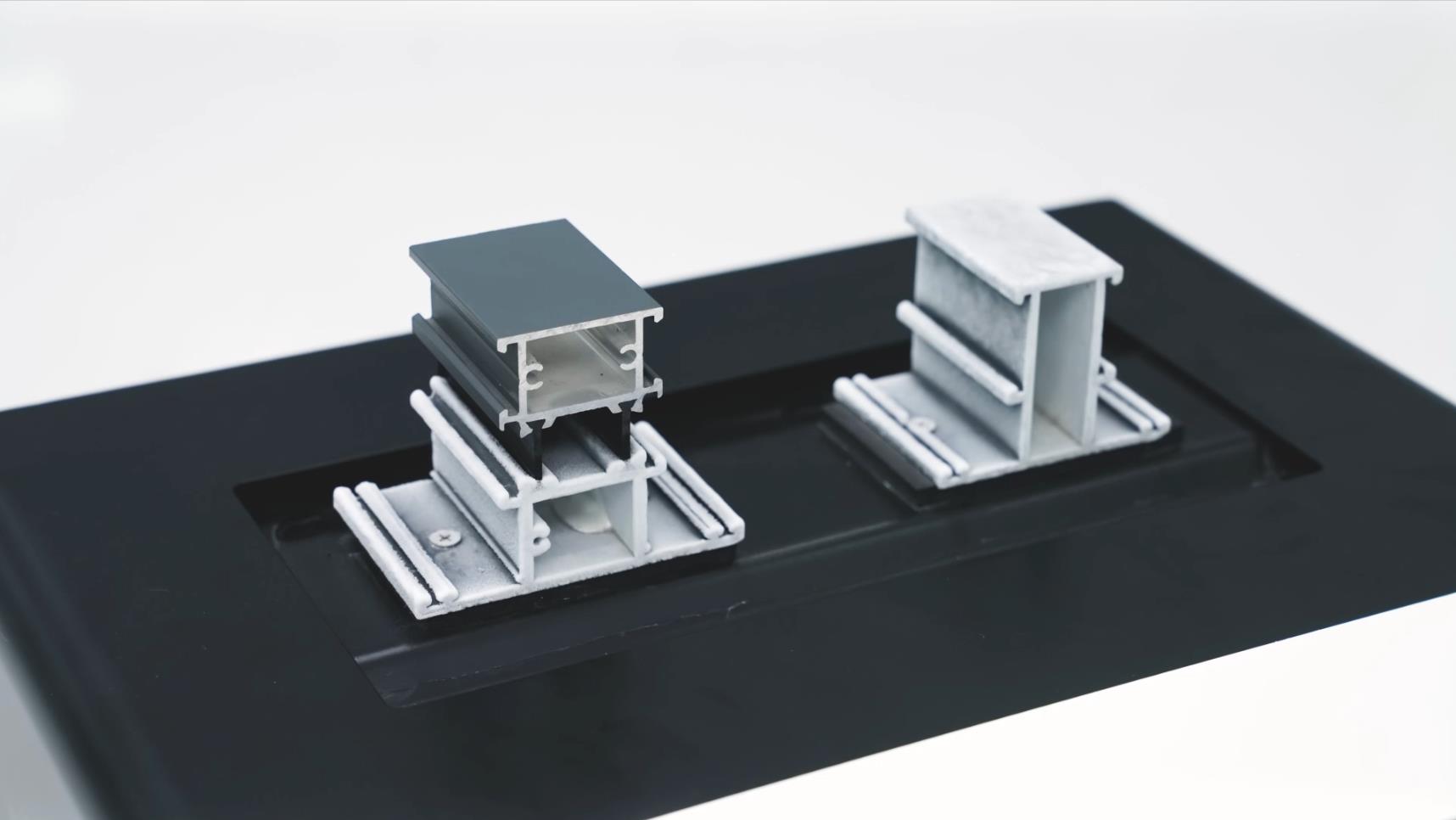 Profile Cavity Design
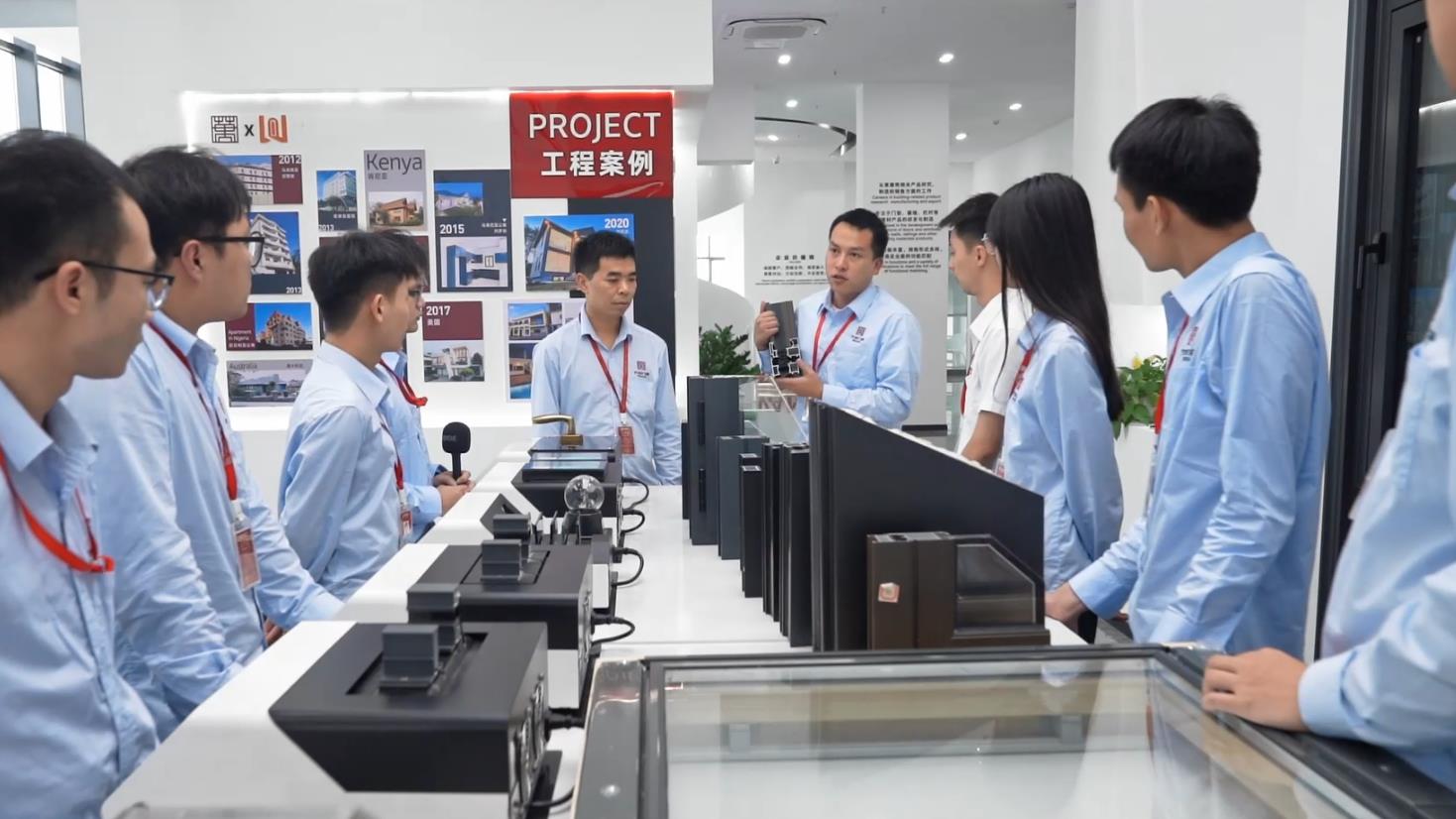 R&D Engineering Consultation
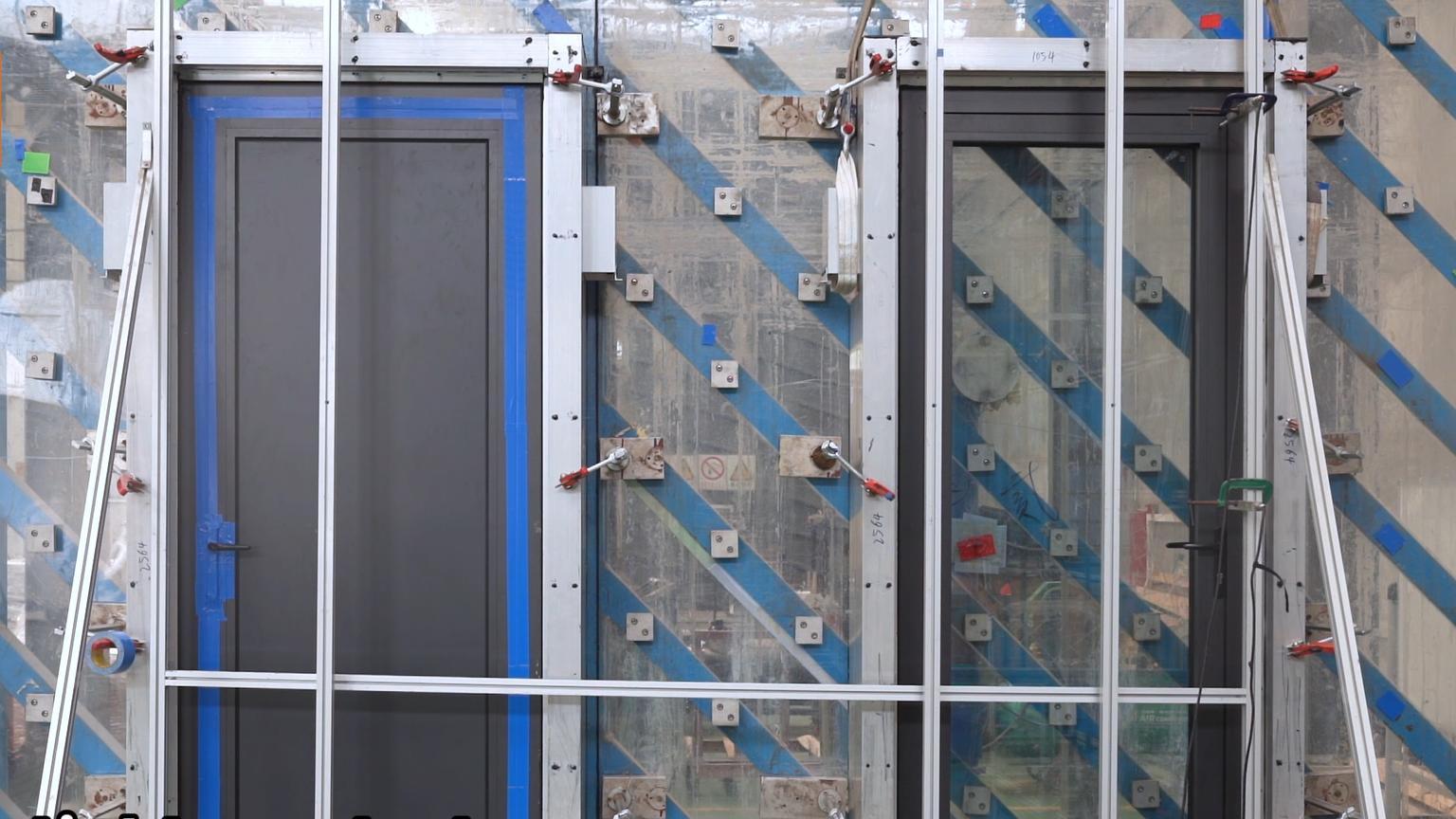 Advanced Chamber Analysis
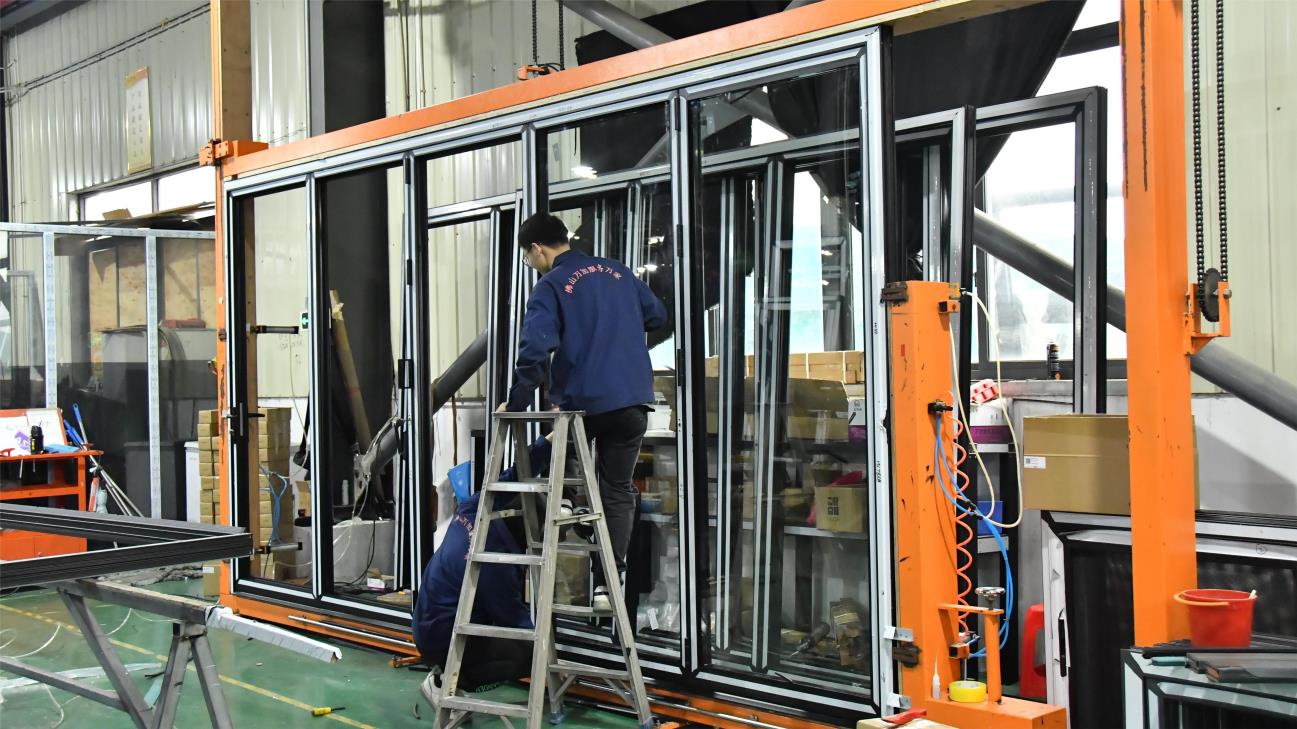 Structural Tolerances Test
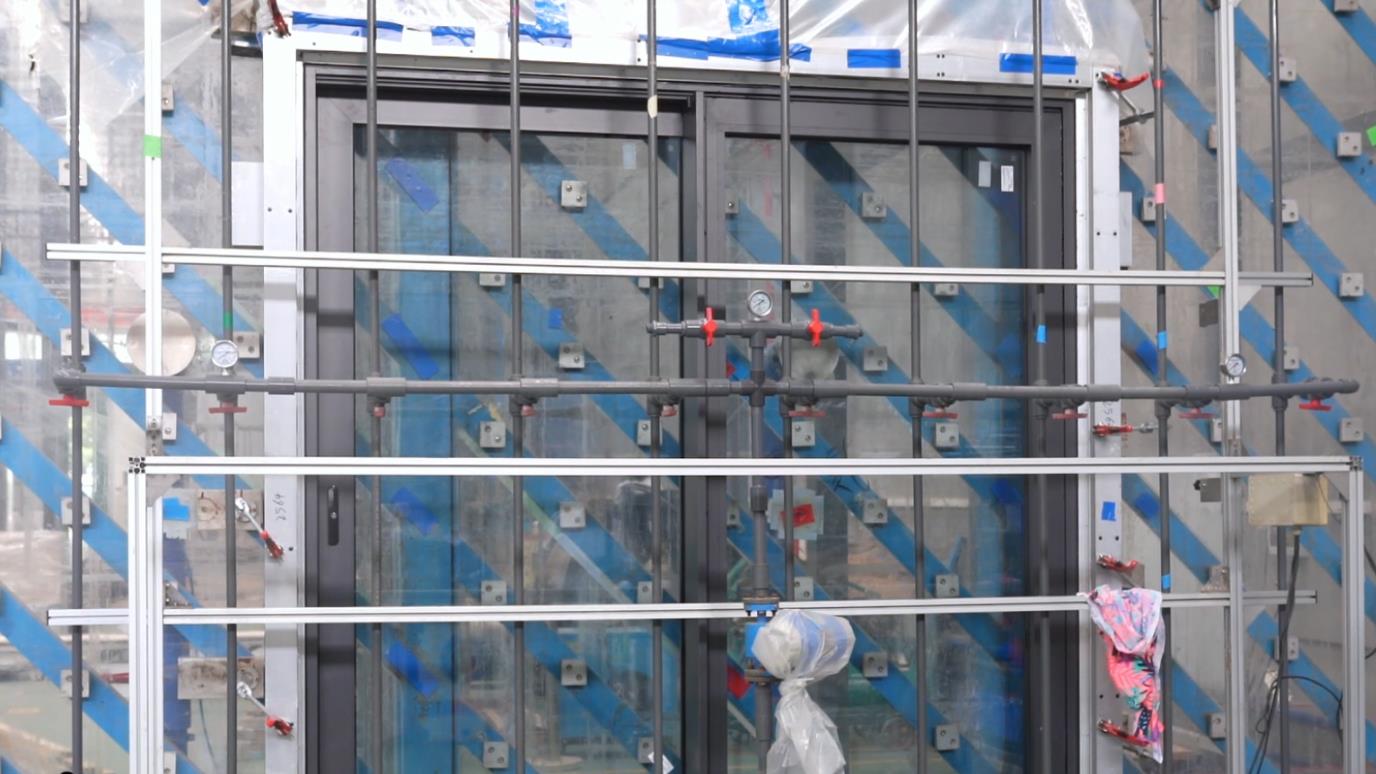 Hydrostatic Simulation
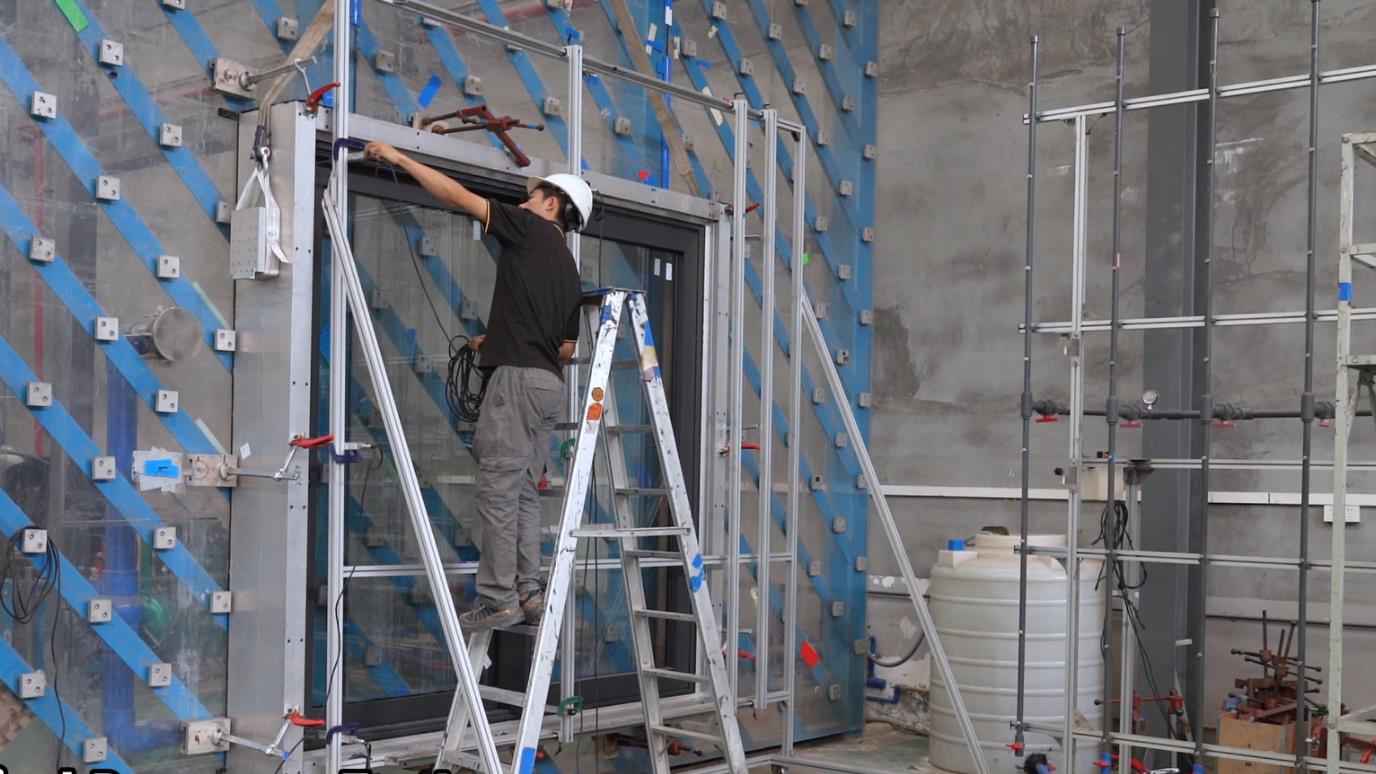 Dynamic Wind Pressure Rig
Procuring windows and doors internationally requires meticulous evaluation of shipping economics, structural performance certification, and packaging integrity. For professional procurement teams, evaluating an OEM manufacturer involves four pivotal criteria:
Ensure that products exported to North America carry authentic NFRC certification ratings for Solar Heat Gain Coefficient (SHGC) and U-Factor. For the Australian market, compliance with AS2047 and AS1288 is legally mandatory to pass building inspector approvals.
Glass units are prone to transit damage if packed incorrectly. Professional suppliers utilize fully enclosed wooden crates with internal shock-absorbing foam, corner protectors, and moisture-desiccant vacuum wrapping to safeguard frames against ocean transit humidity.
While initial profile costs are significantly lower when buying from China, buyers must compute landed cost figures: FOB price + freight + customs tariffs + port handling fees. Ordering in full container loads (20GP vs 40HQ) maximizes volumetric efficiency, reducing shipping costs per square meter.
Frame longevity must be matched by high-grade operational hardware. Multipoint latching mechanisms, heavy-duty stainless steel (SUS304) friction hinges, and anti-lift blocks are required for security standards and wind resistance performance.
Clear answers to critical procurement questions regarding standards, custom specifications, warranties, and factory capabilities.
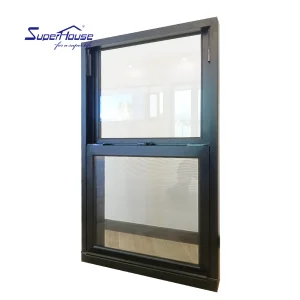
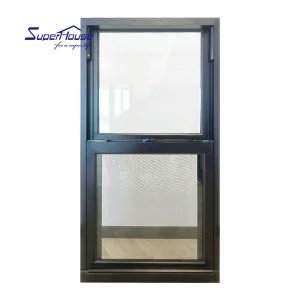
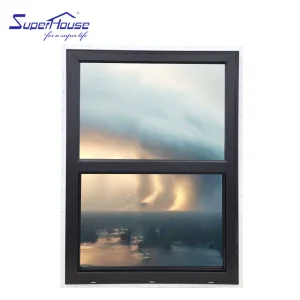
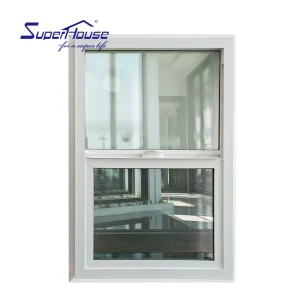
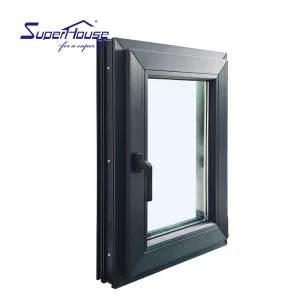
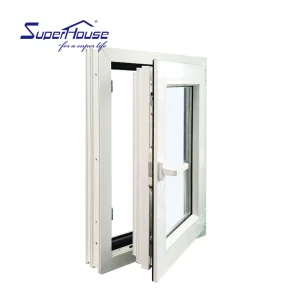
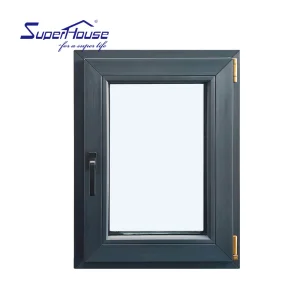
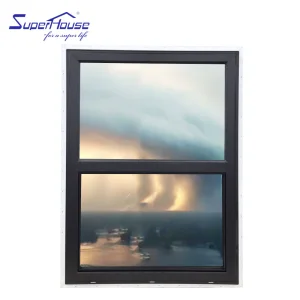
Select from our specialized single-hung, double-hung, tilt-turn, and casement vinyl window configurations.
 OptiDoors