Precision-engineered emergency egress assemblies certified for international building codes, hurricane impact resistance, and high-traffic commercial environments.
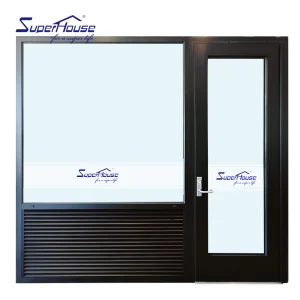
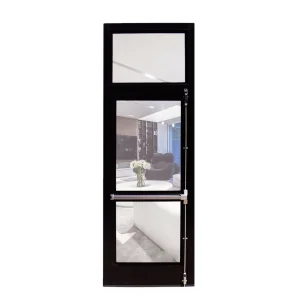
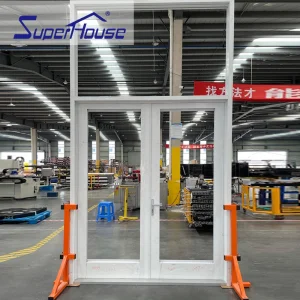
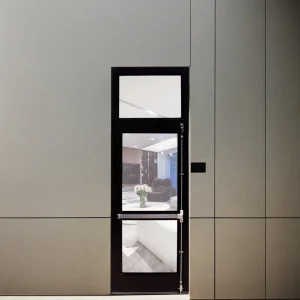
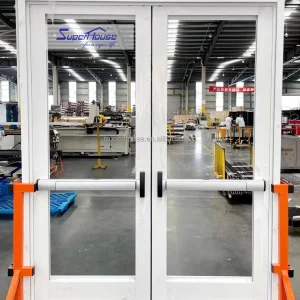
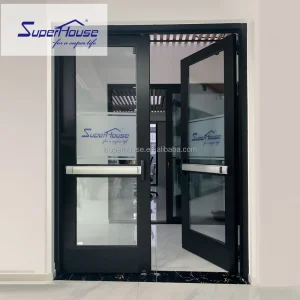
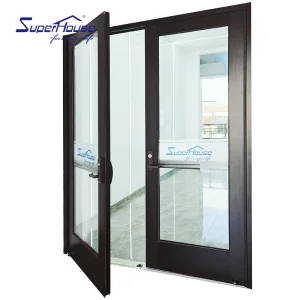
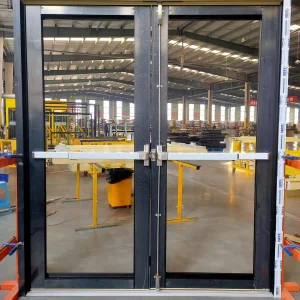
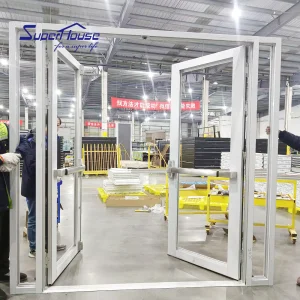
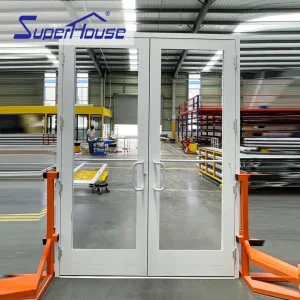
In modern commercial architecture, industrial complexes, educational institutions, and healthcare infrastructure, emergency escape door systems serve as critical life-safety barriers. Far beyond standard entrance points, high-performance aluminum escape doors are meticulously engineered assemblies designed to facilitate rapid, unhindered evacuation during fires, structural panics, power outages, and extreme weather events while maintaining stringent perimeter security and environmental isolation during normal operation.
The global market for aluminum egress systems is experiencing a paradigm shift driven by stricter international building mandates—including the International Building Code (IBC), NFPA 101 Life Safety Code, European EN 179 / EN 1125 standards, and North American Miami-Dade County NOA (Notice of Acceptance) hurricane protocols. Structural engineers and architectural specifiers increasingly favor extruded aluminum alloy (6063-T5/T6) over traditional hollow metal or stainless steel due to its optimal strength-to-weight ratio, superior corrosion resistance, geometric precision, and complete thermal break design adaptability.
Modern commercial procurement teams, general contractors, and door wholesalers require hardware systems that harmonize compliance, durability, and cost-efficiency. Key macro drivers transforming the global aluminum escape door ecosystem include:
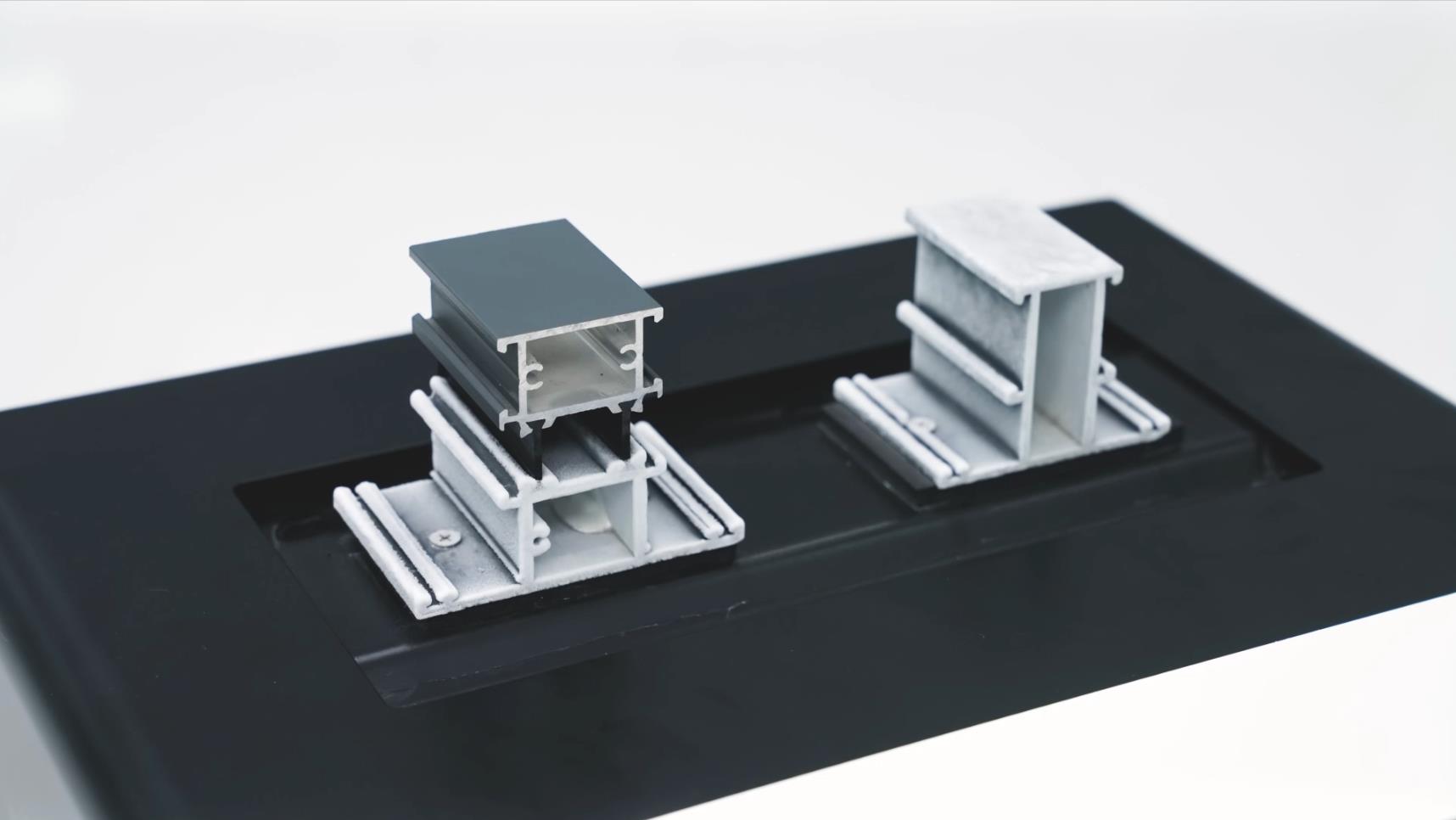
Unlike standard commercial swing doors, an optimized aluminum escape door incorporates a continuous load path that distributes immediate kinetic energy when a panic bar is depressed under crowded surge conditions. Using high-tensile T6 tempered aluminum extrusions, the profile wall thickness ranges from 2.0mm to 3.0mm at key mechanical stress points, preventing frame racking or latch jamming even under high thermal exposure or structural displacement.
As global construction projects demand shorter lead times, rigorous quality traceability, and competitive unit economics, China’s advanced aluminum manufacturing ecosystem has established itself as an irreplaceable global hub. At the forefront of this industrial capability, Shandong OptiDoors Technology Co., Ltd. exemplifies modern, automated architectural door production.
Founded in 2018, Shandong OptiDoors Technology Co., Ltd. occupies a state-of-the-art manufacturing complex of 8,200 m². Backed by 8 years of specialized door industry experience and 4 years of expanding global trade, the company yields an annual export revenue of USD 6,800,000. To ensure flawless product execution, we strictly follow ISO9001 quality management procedures along with rigorous salt-spray, wind-load, and impact testing methods. Our QC department employs 16 dedicated QA officers who monitor every stage from raw material arrival to final packaging. Our primary markets cover Western Europe, the Middle East, and Central Asia, supported by an established network of 380 supply chain partners and a versatile international trade background.
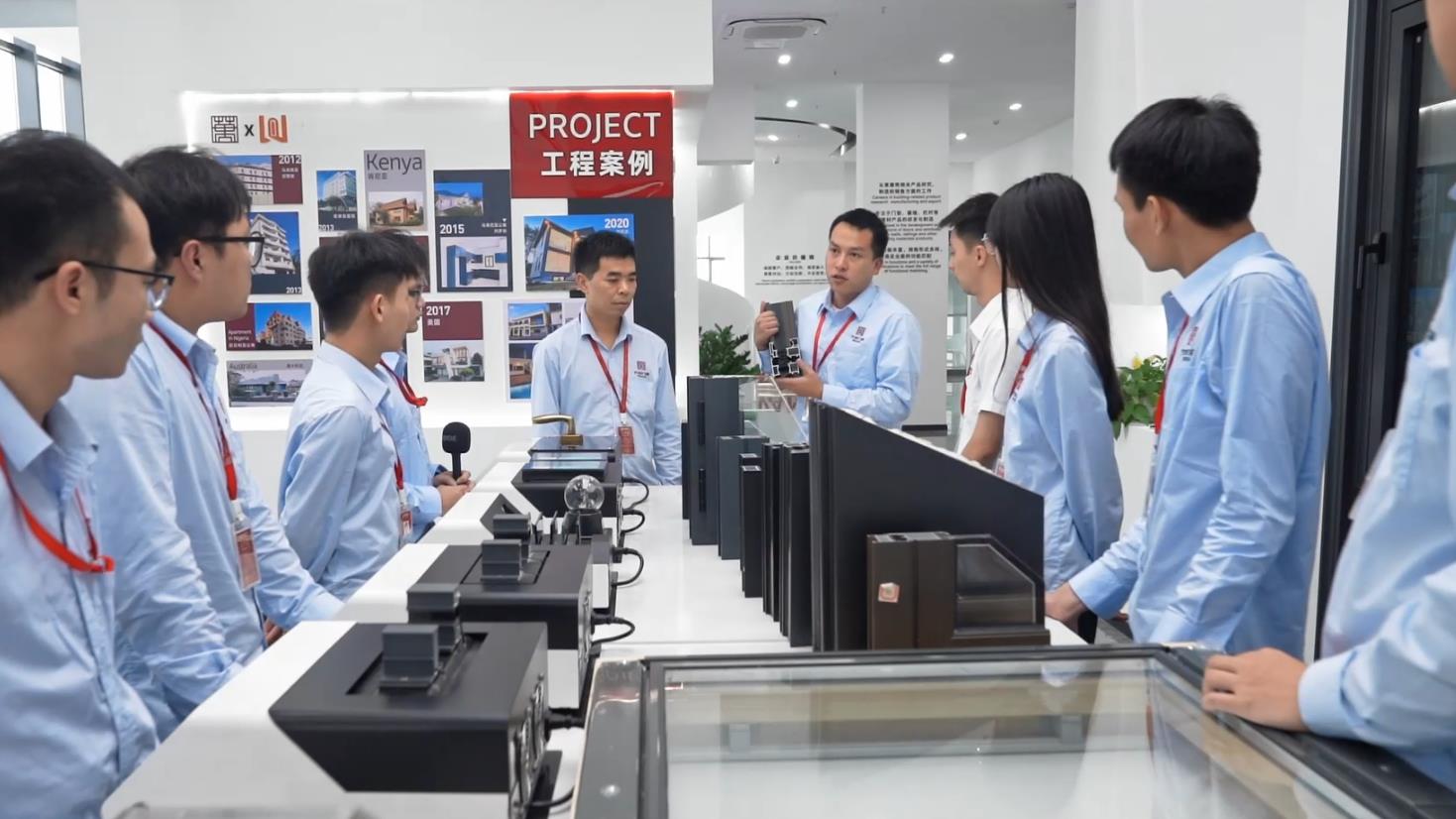
Our primary client base includes regional door wholesalers, custom home builders, and e-commerce importers. With agile product development capabilities, our engineering team of 24 R&D experts successfully released 40 new entry door lines last year. We offer versatile customization options, including modern minimal designs, thermal break structures, custom RAL color matching, and multi-point locking systems.
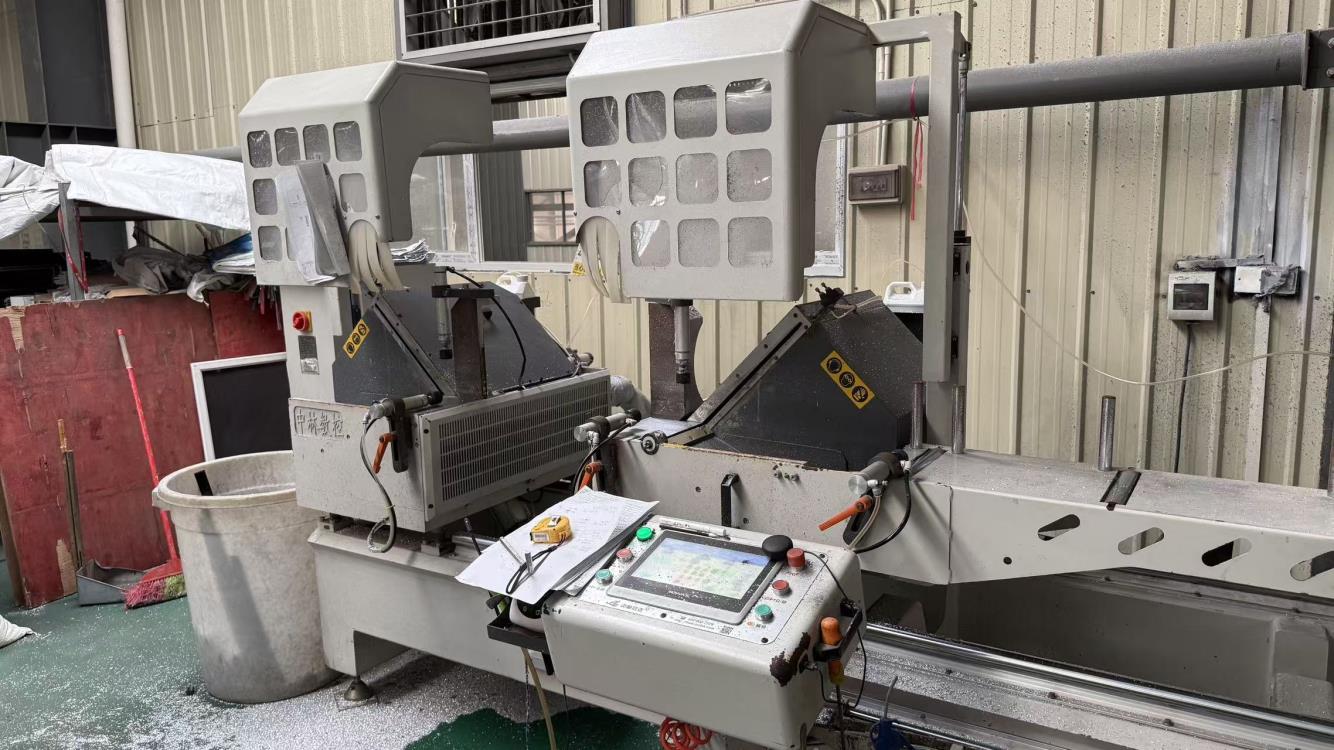
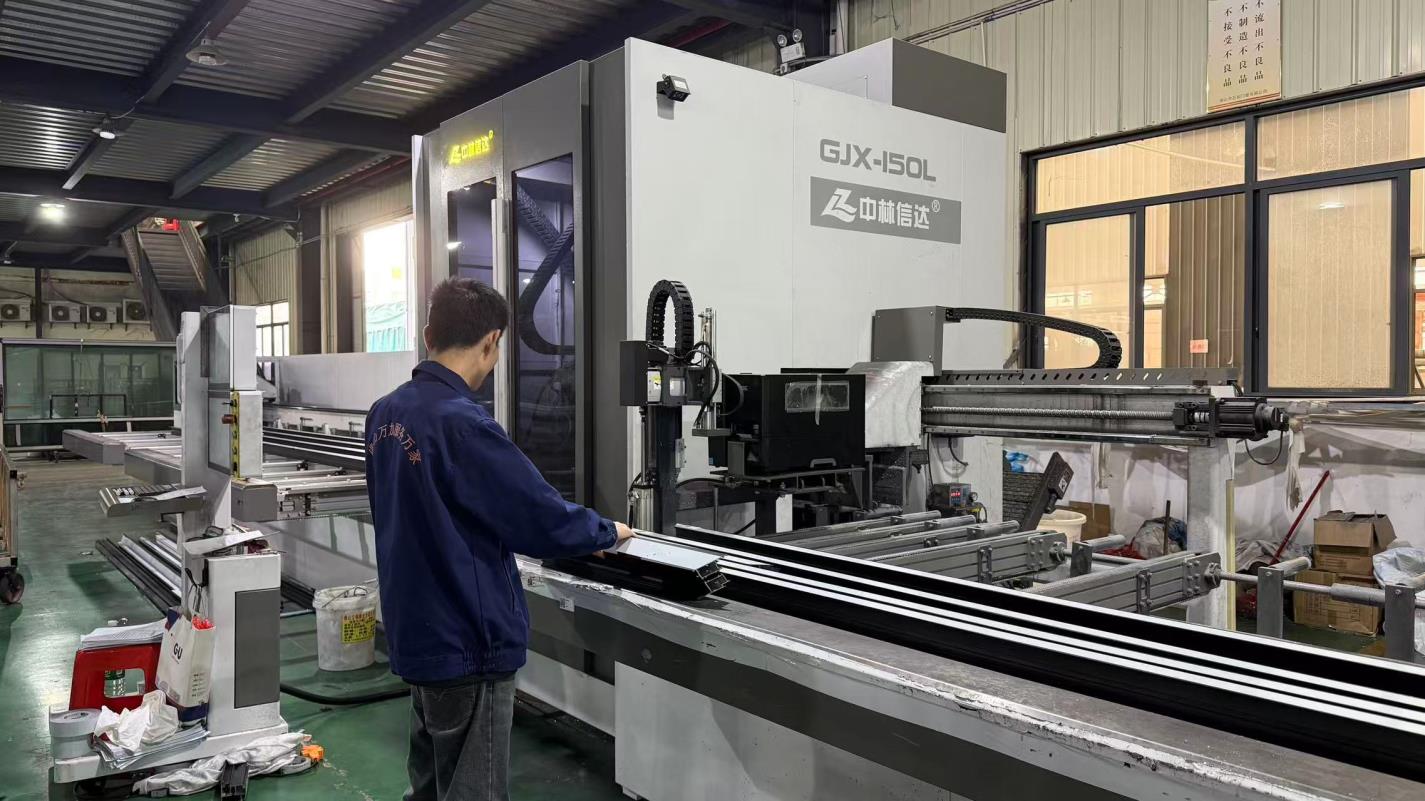
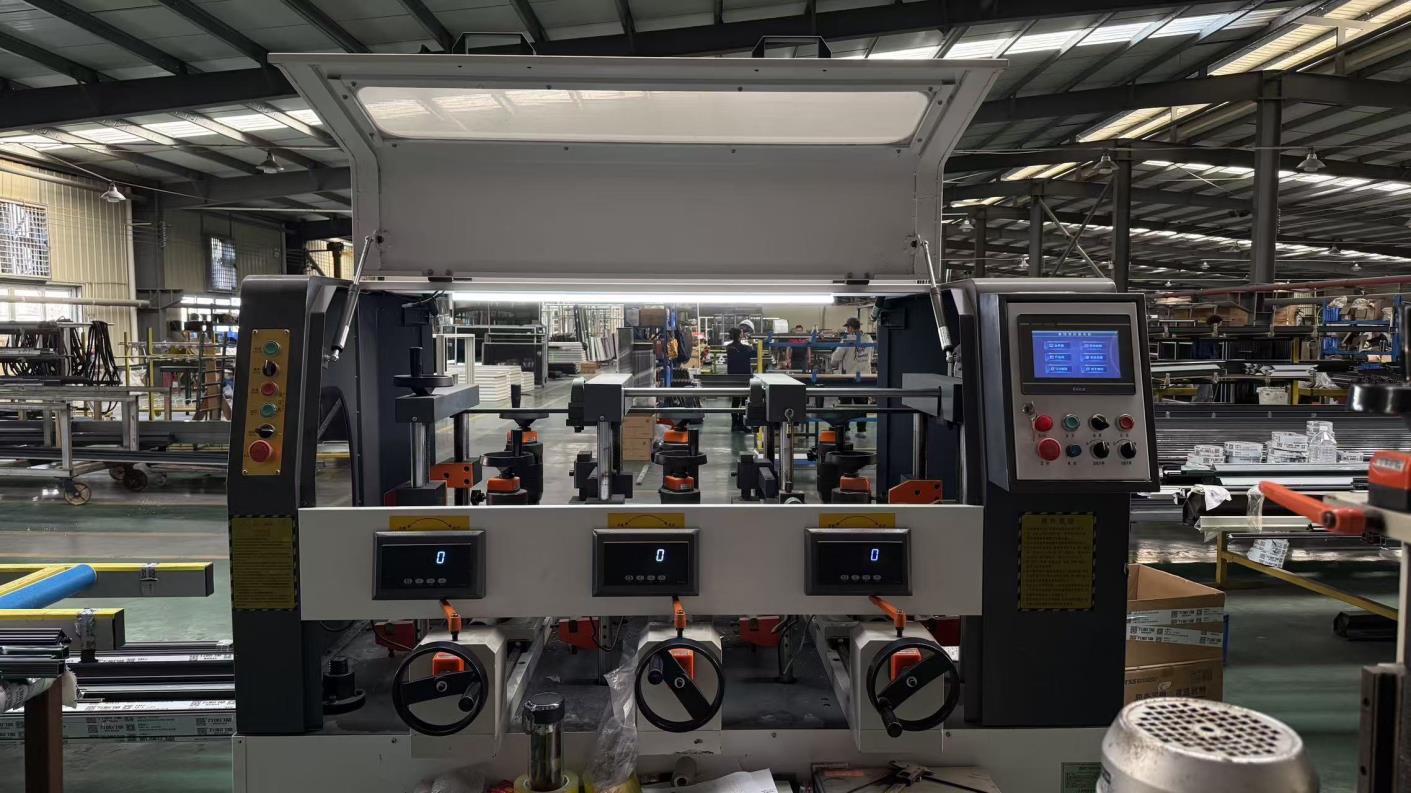
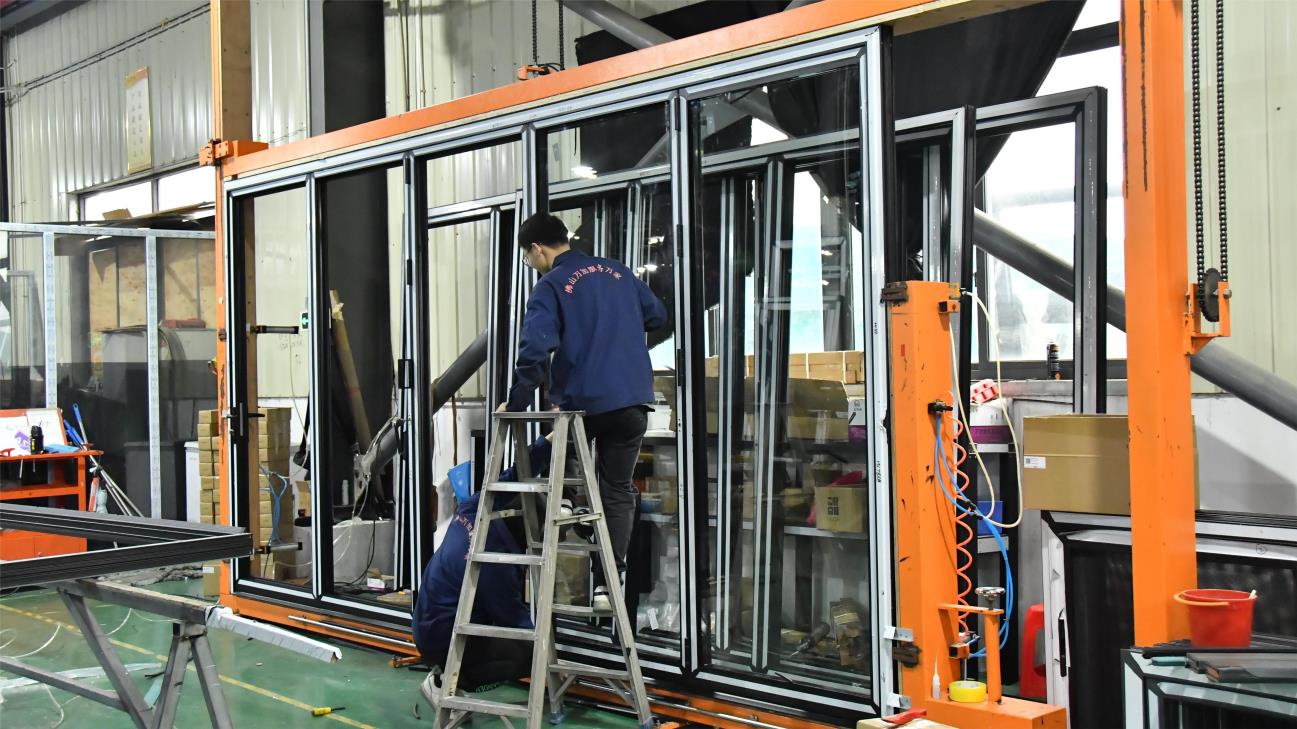
Shandong OptiDoors integrates raw billet extrusion, anodizing, PVDF spraying, thermal break strip insertion, glass tempering, and automated hardware assembly into a unified production pipeline. This vertically integrated model eliminates multi-vendor markups and cuts production cycles by up to 35% compared to Western regional fabricators.
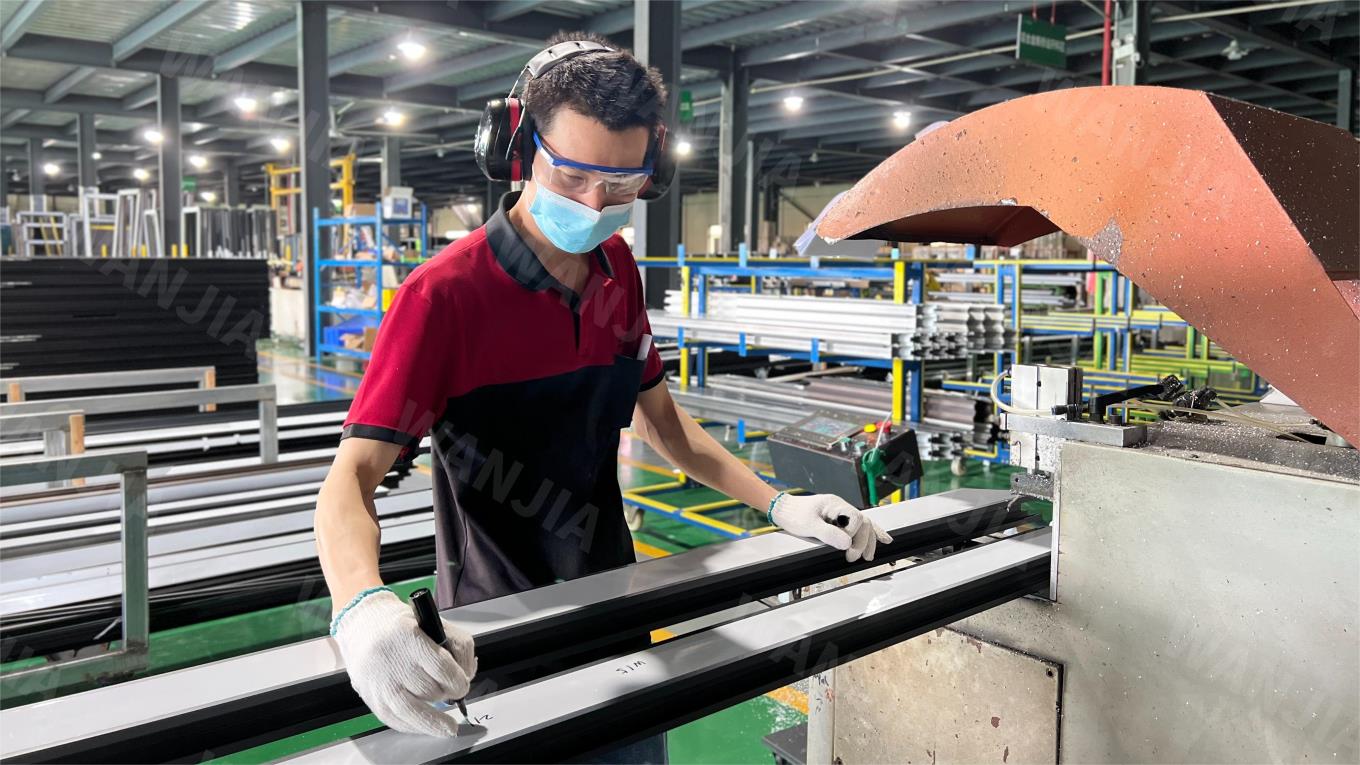
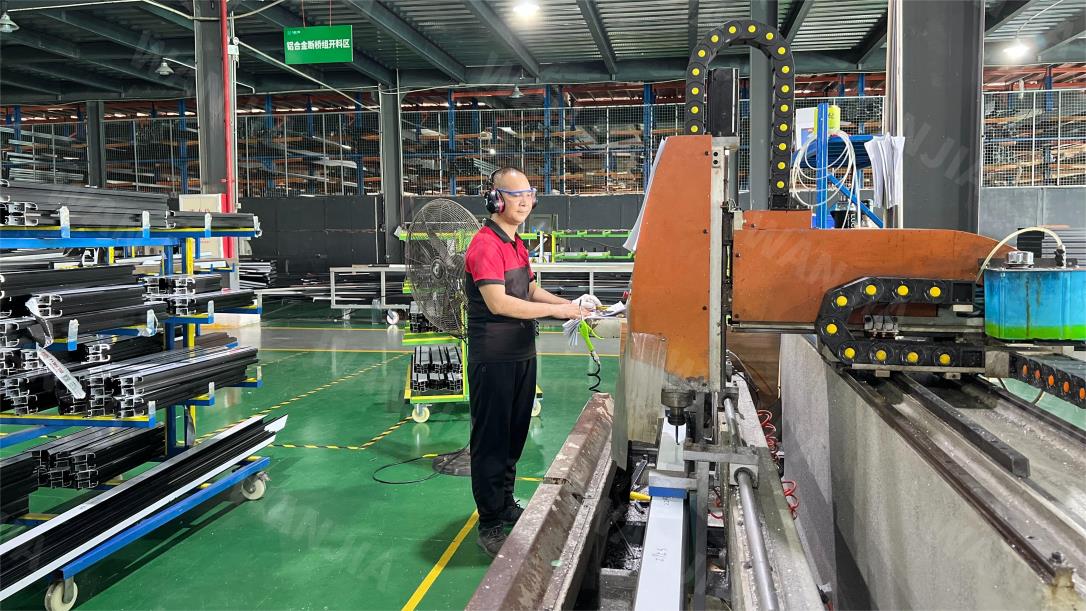
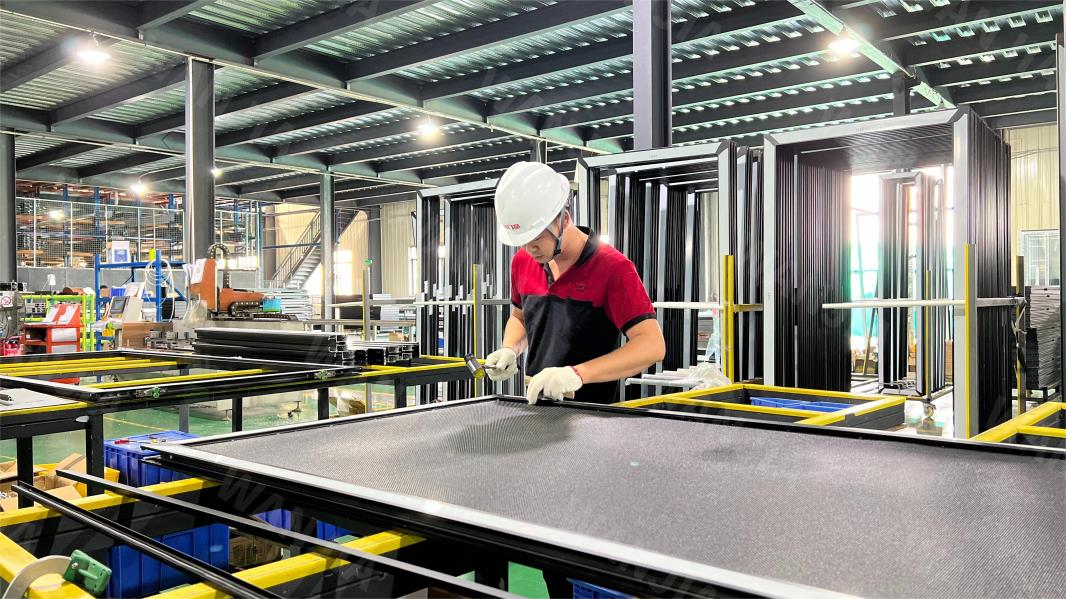
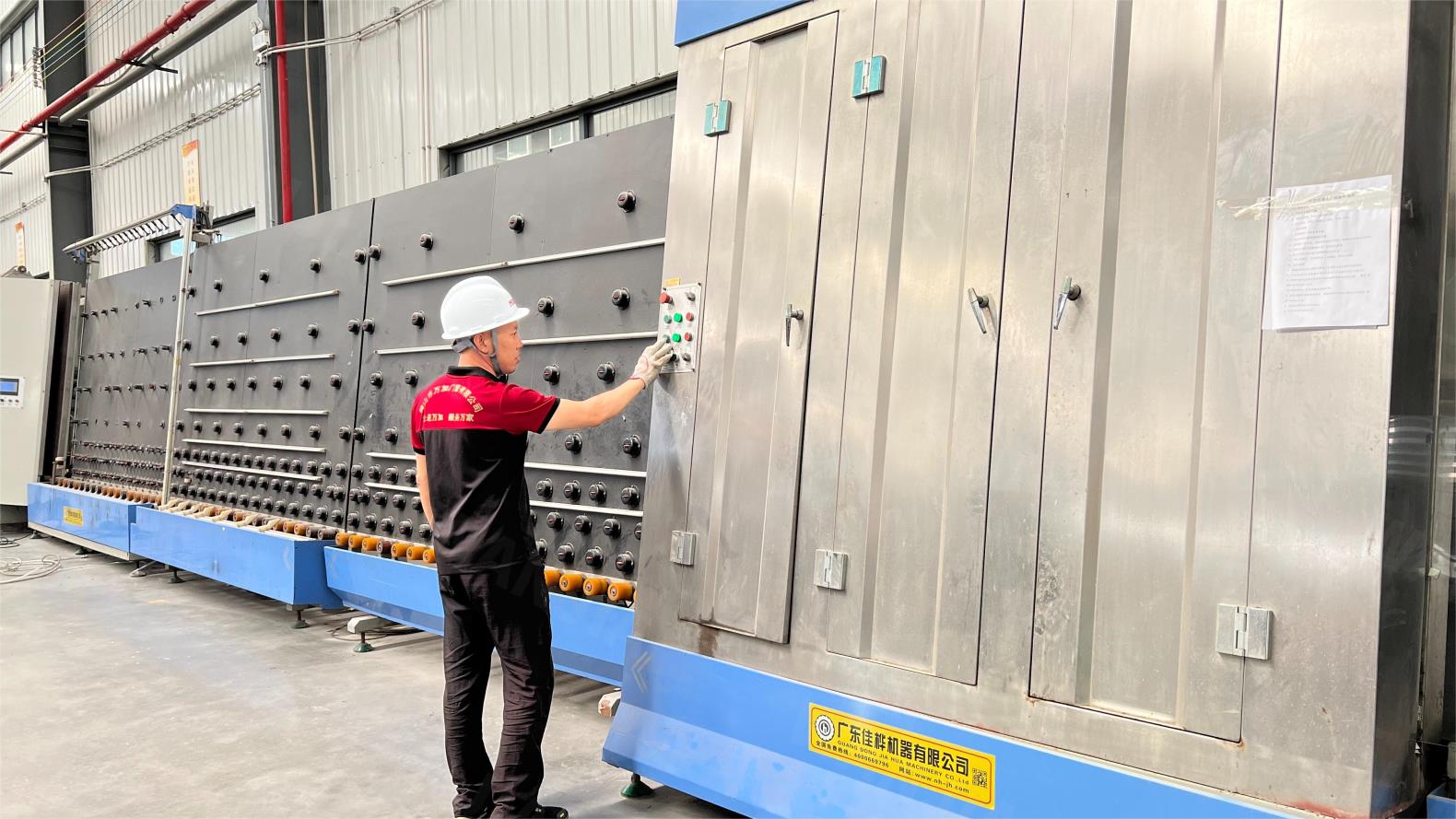
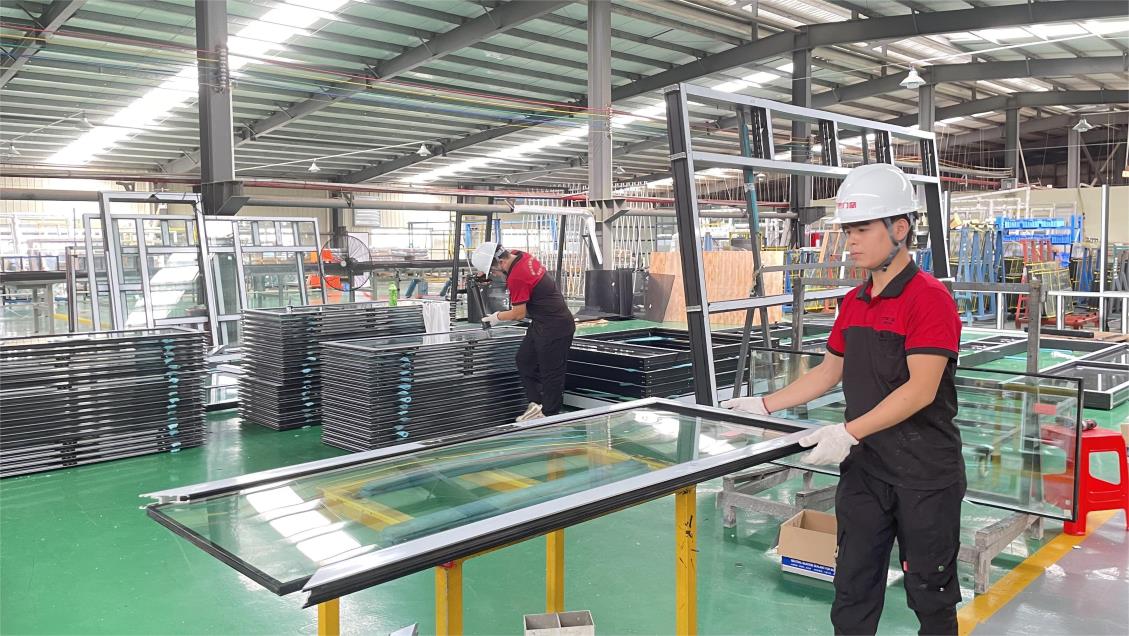
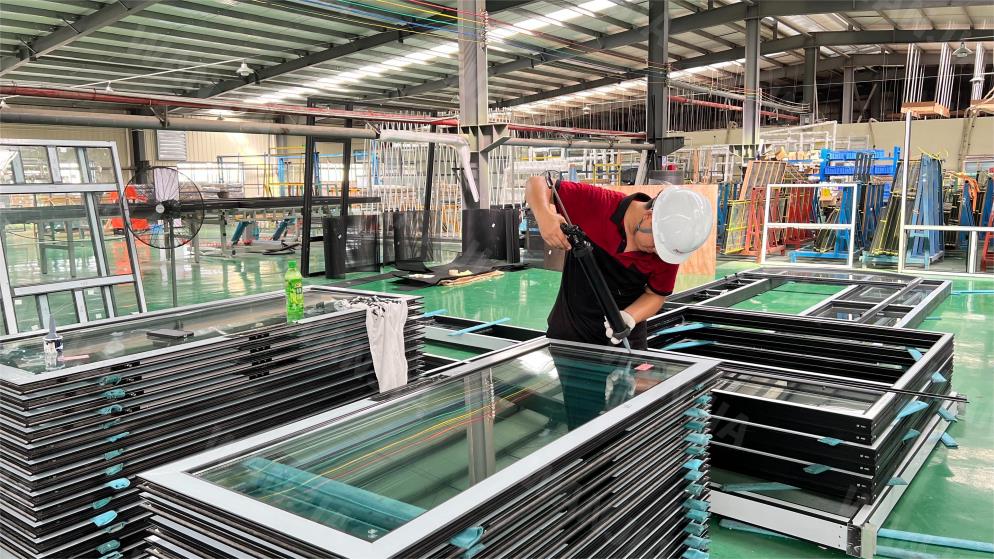
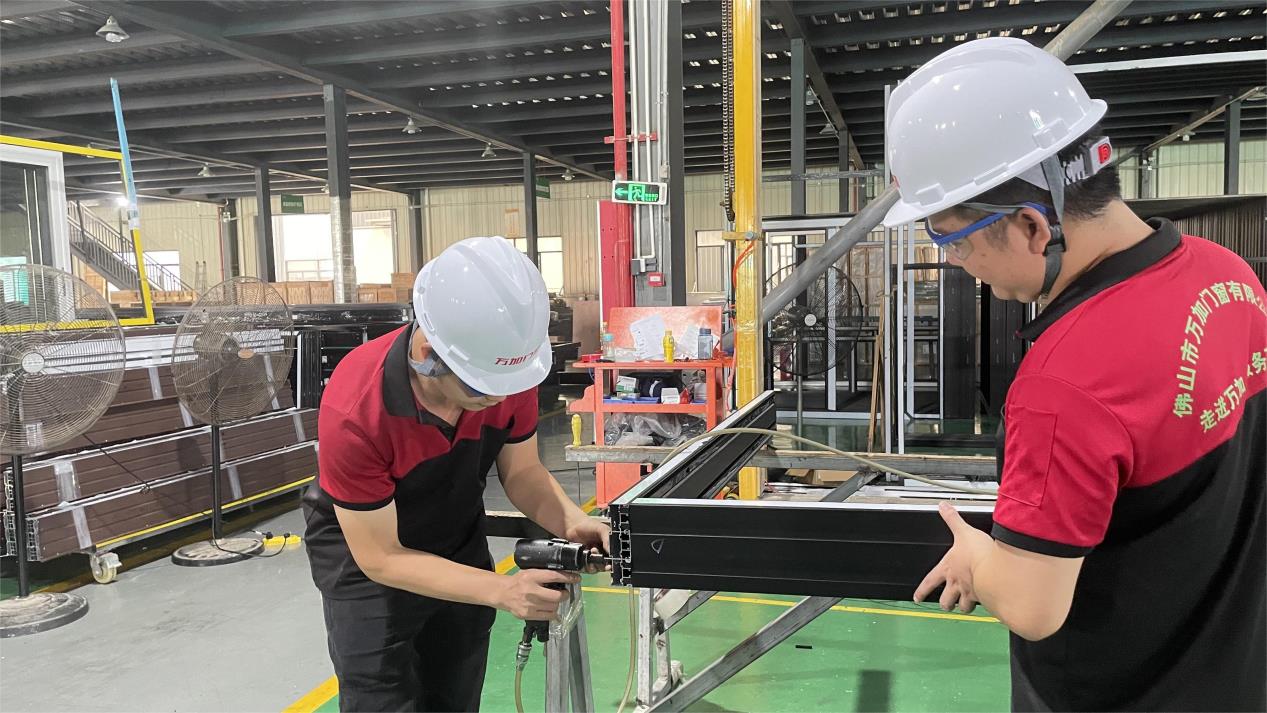
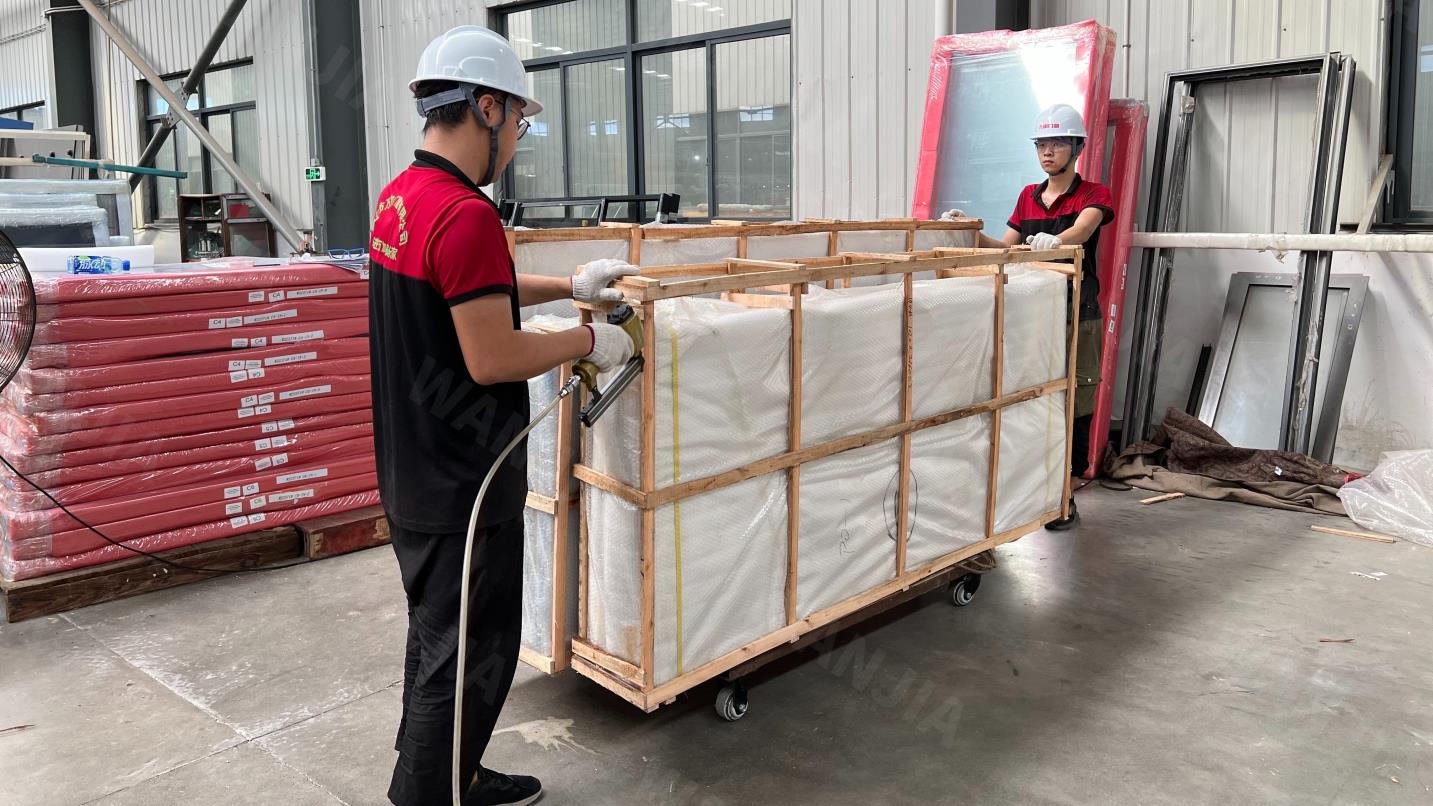
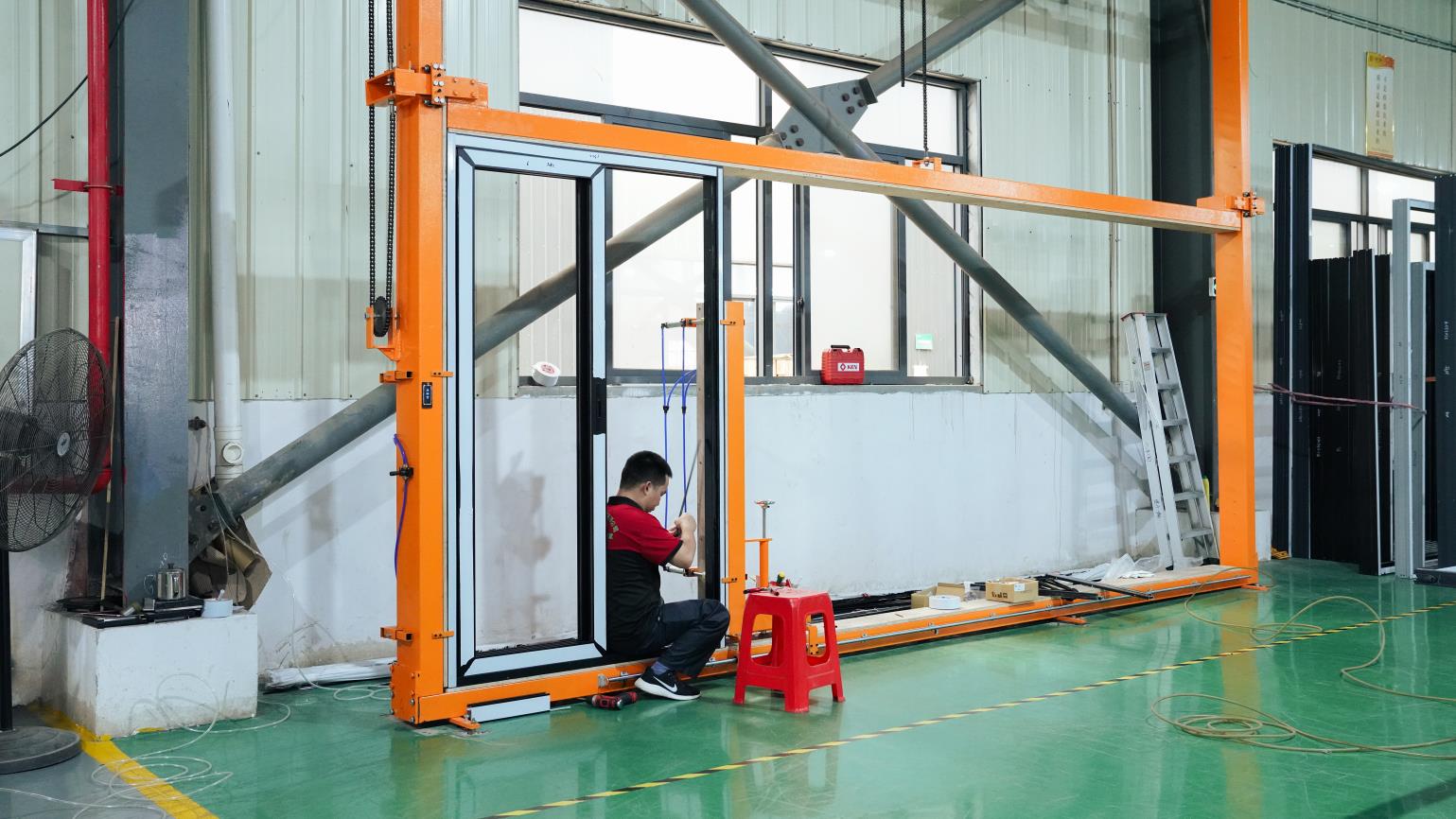
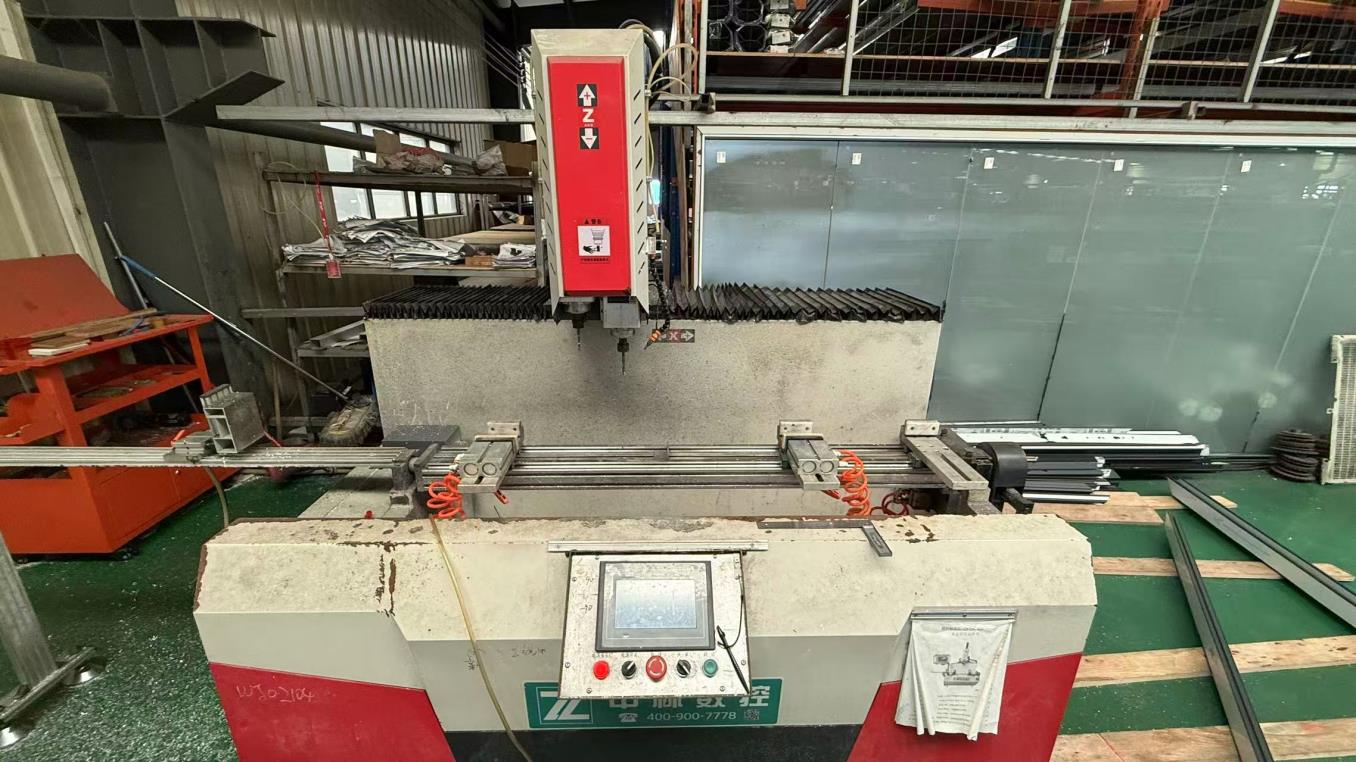
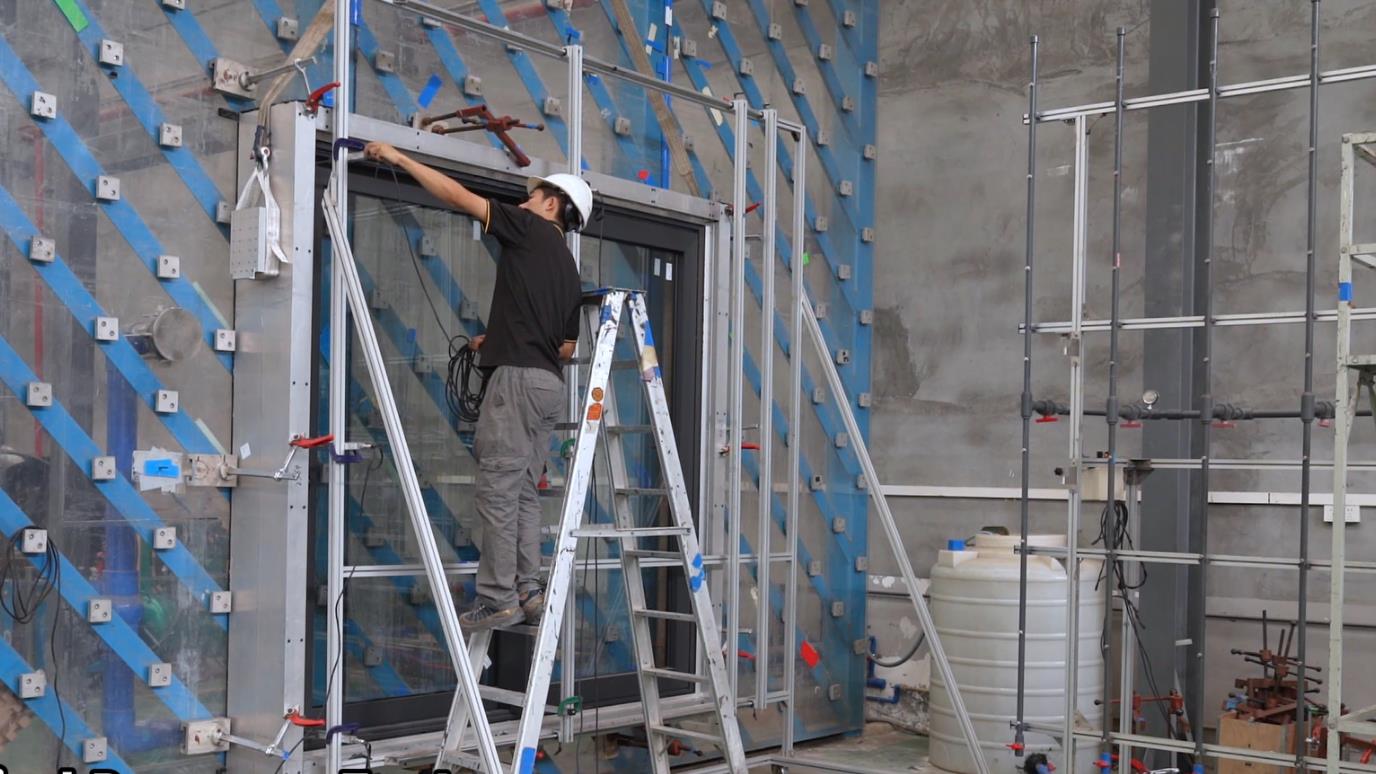
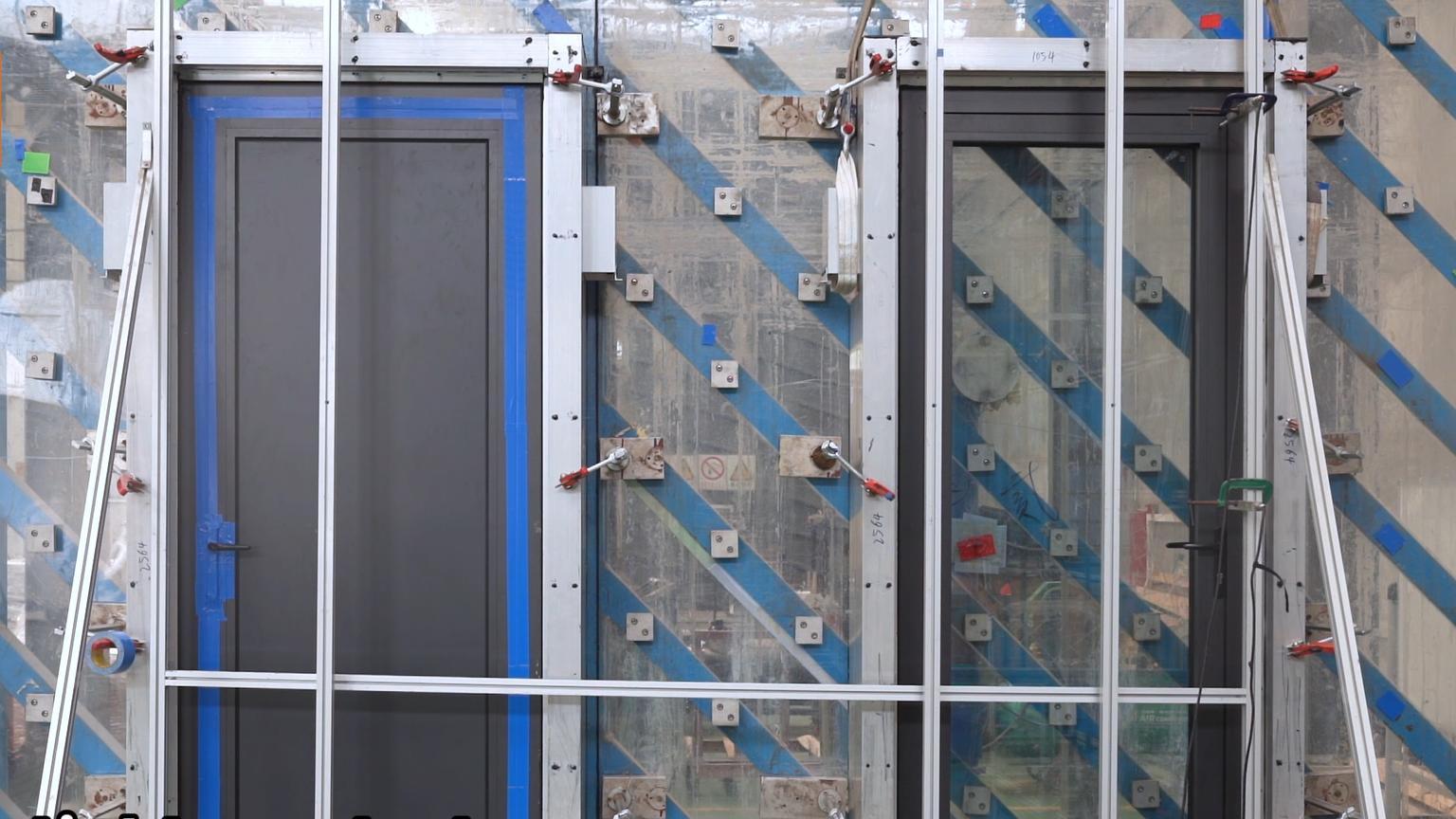
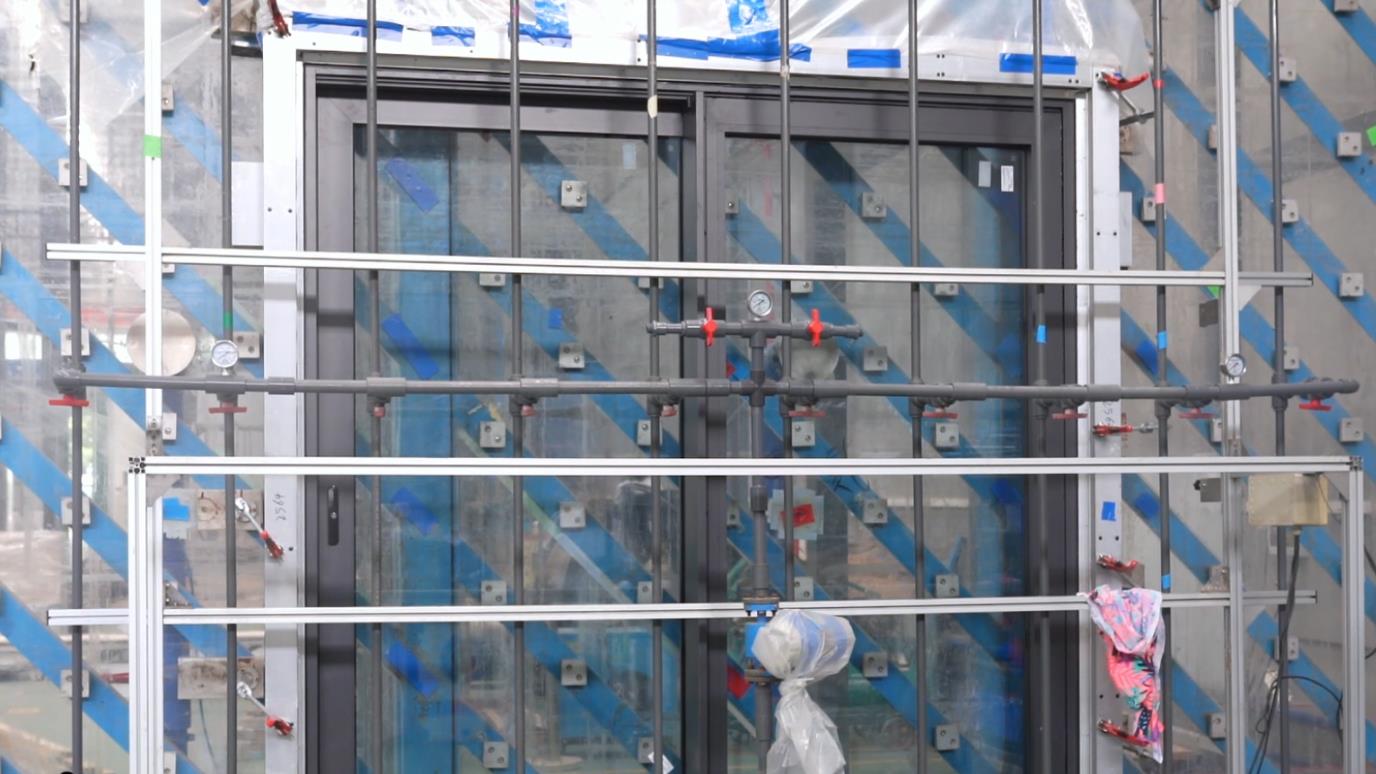
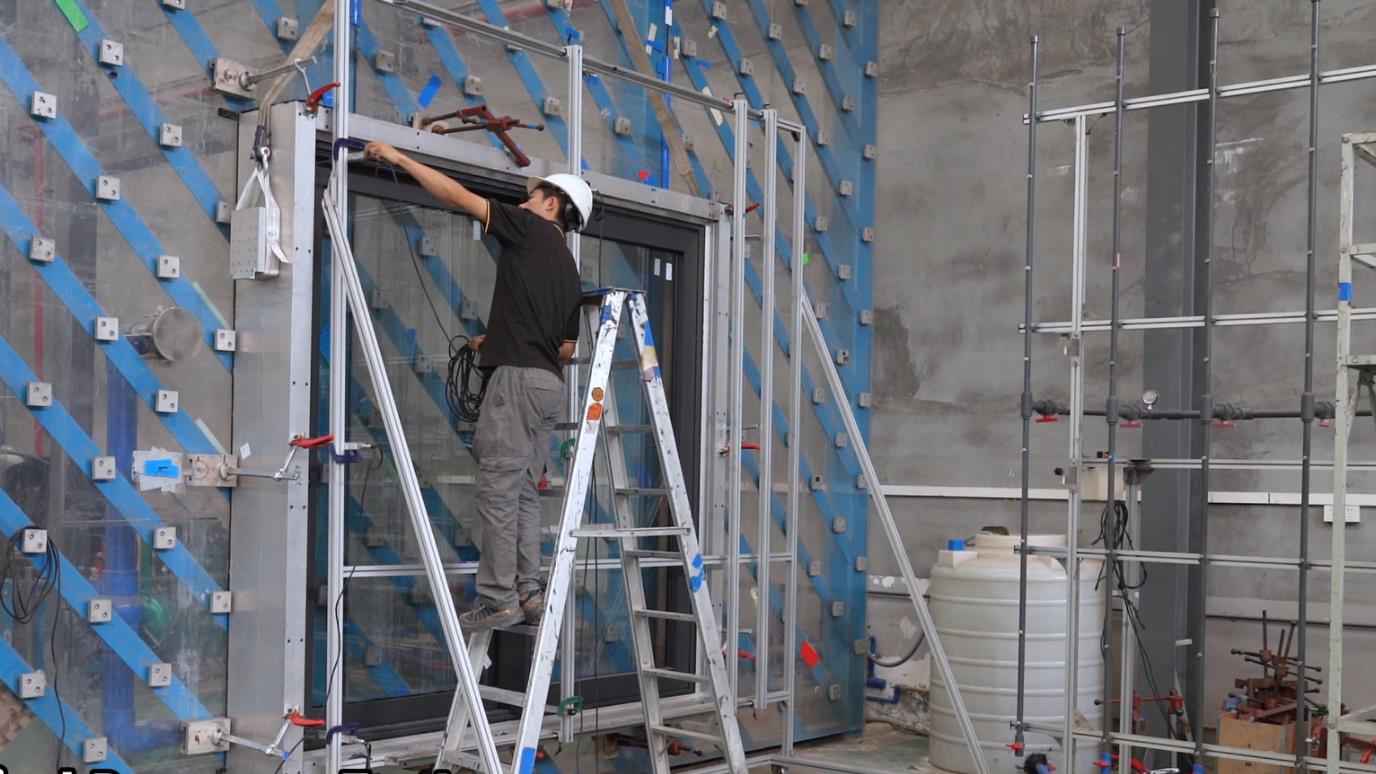
In life-safety panic doors, failure is not an option. Shandong OptiDoors operates an in-house laboratory equipped with digital testing apparatus to validate air tightness, water infiltration resistance, structural wind-load pressure, and cyclical mechanical endurance.
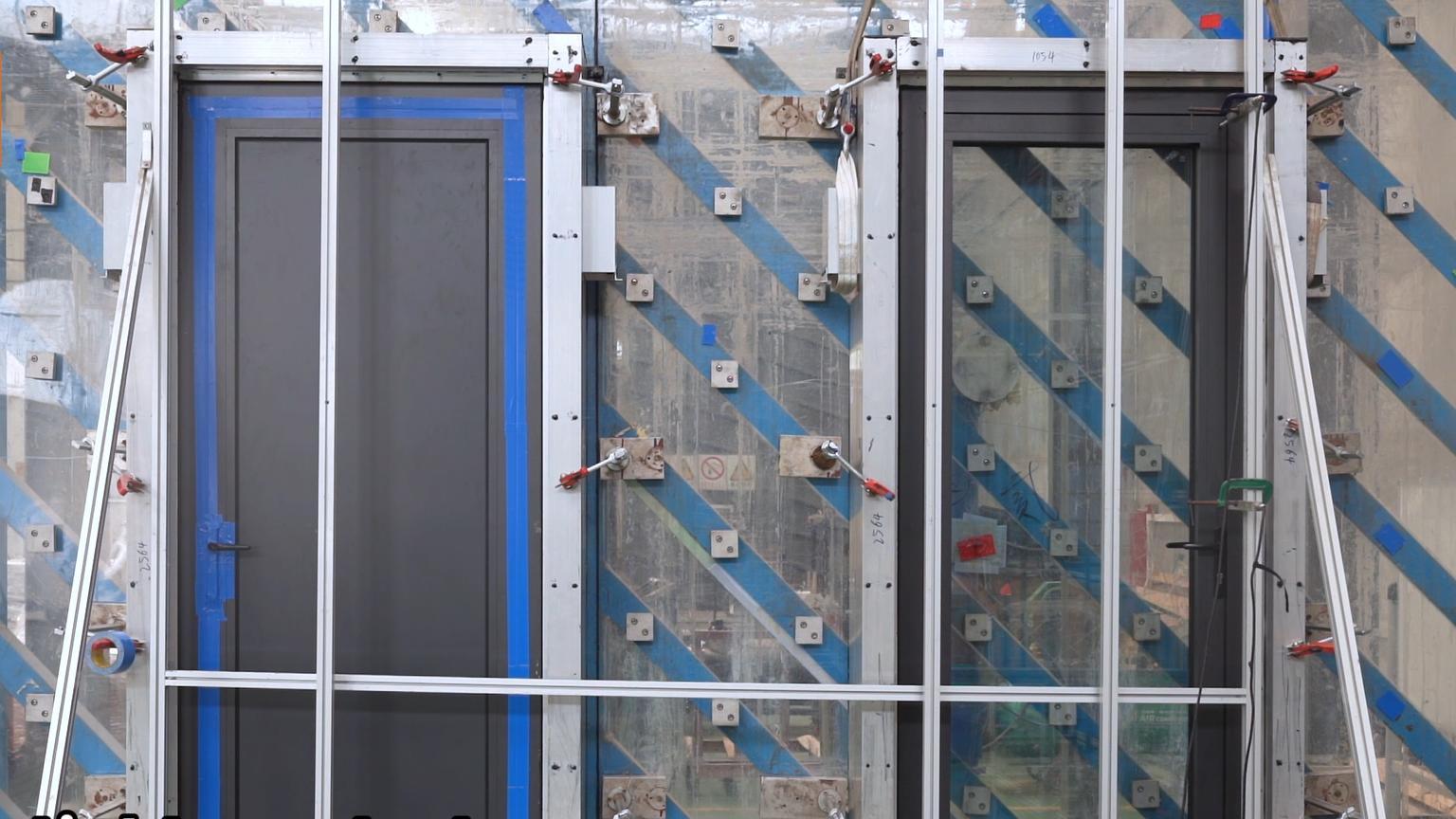
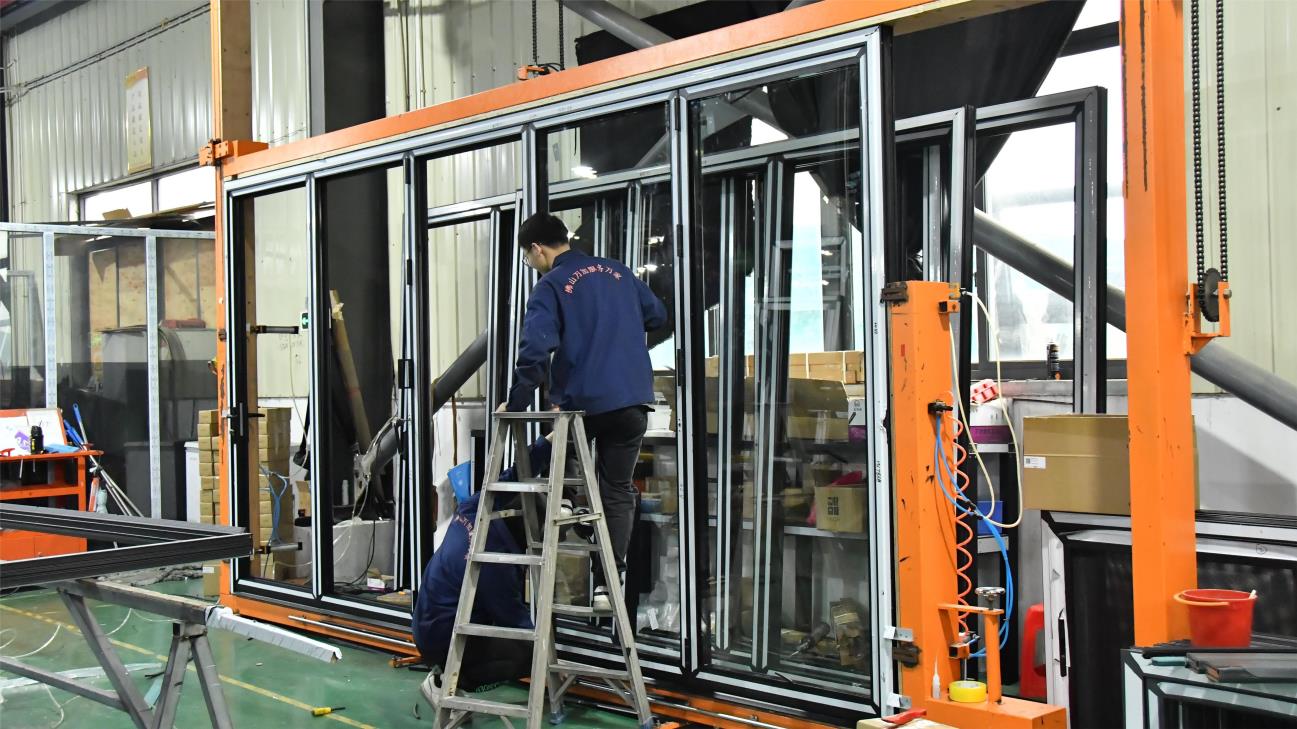
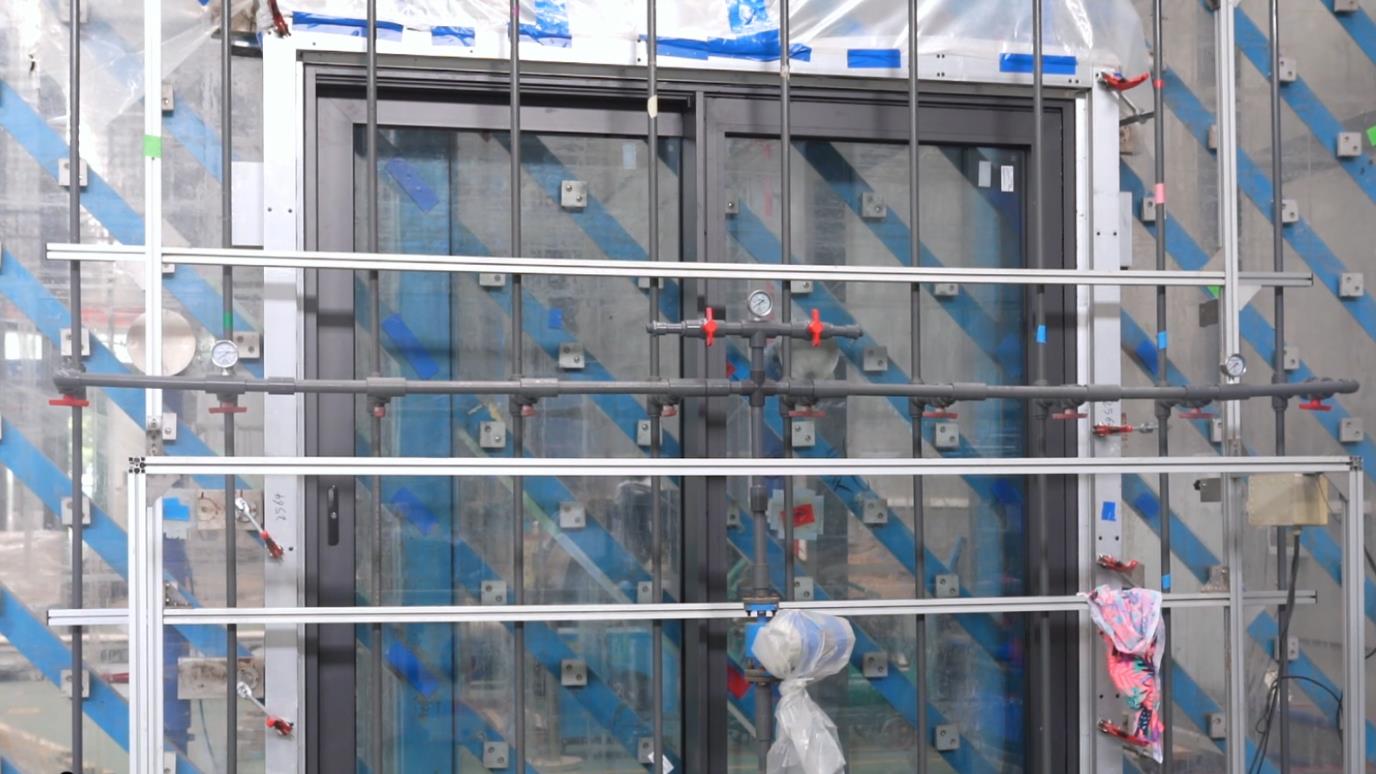
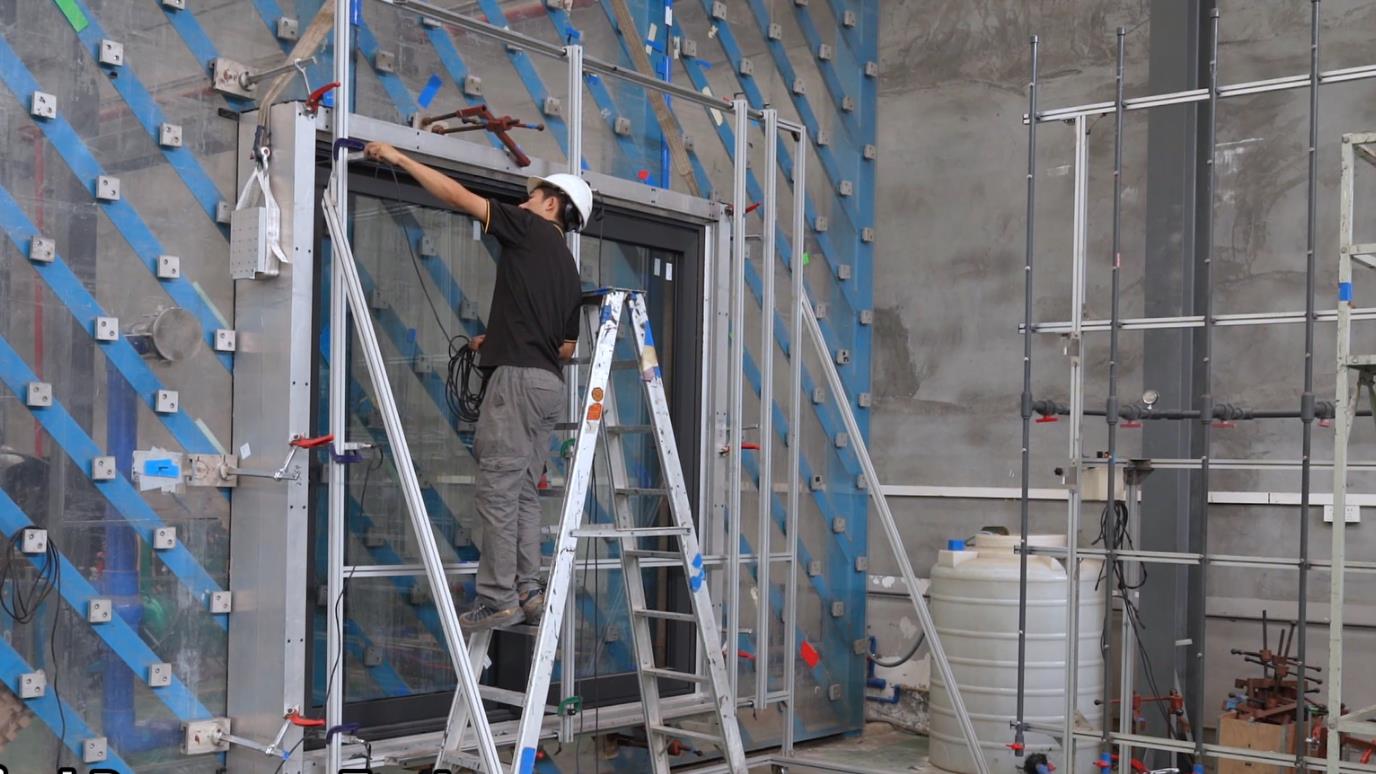
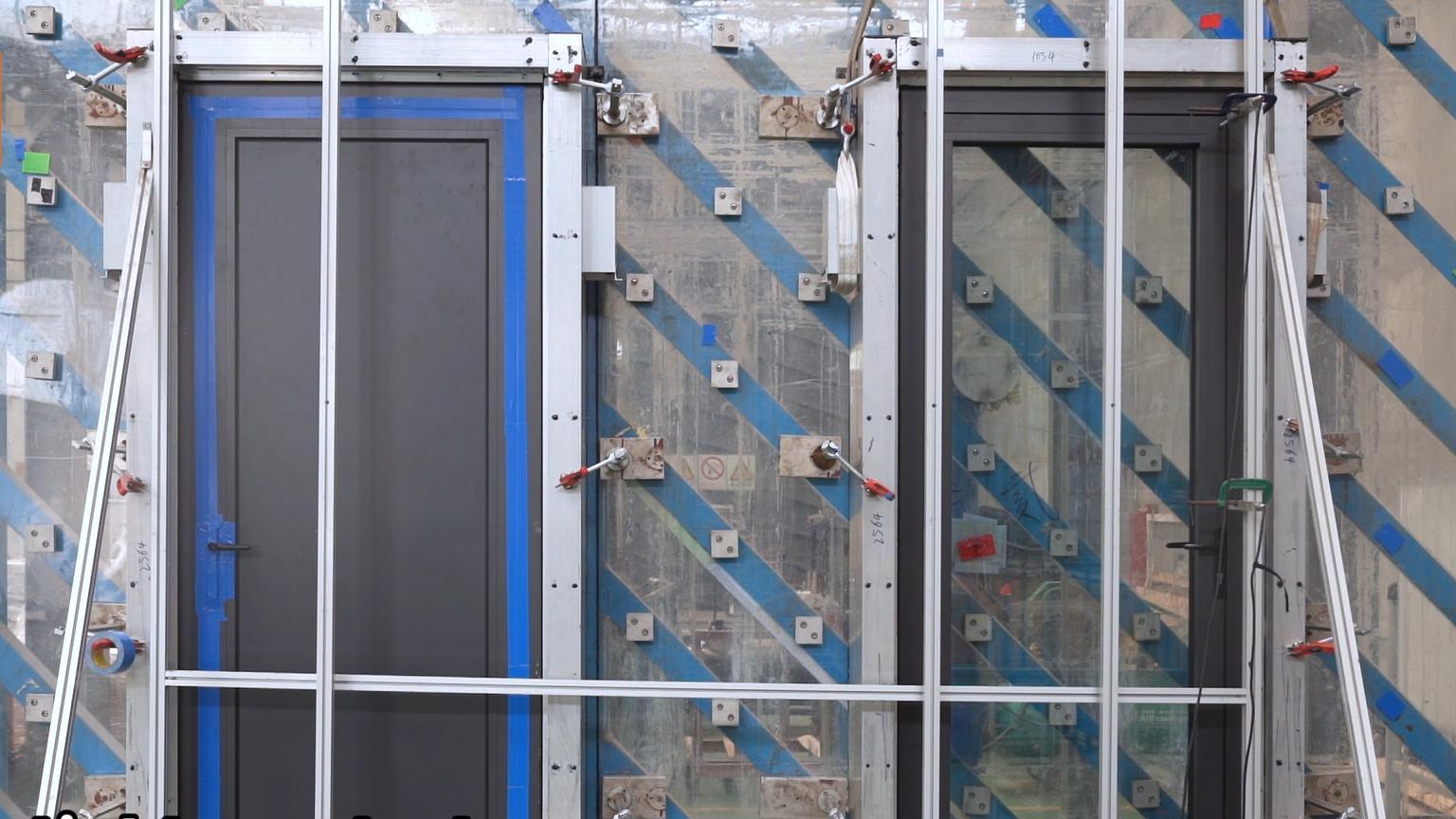
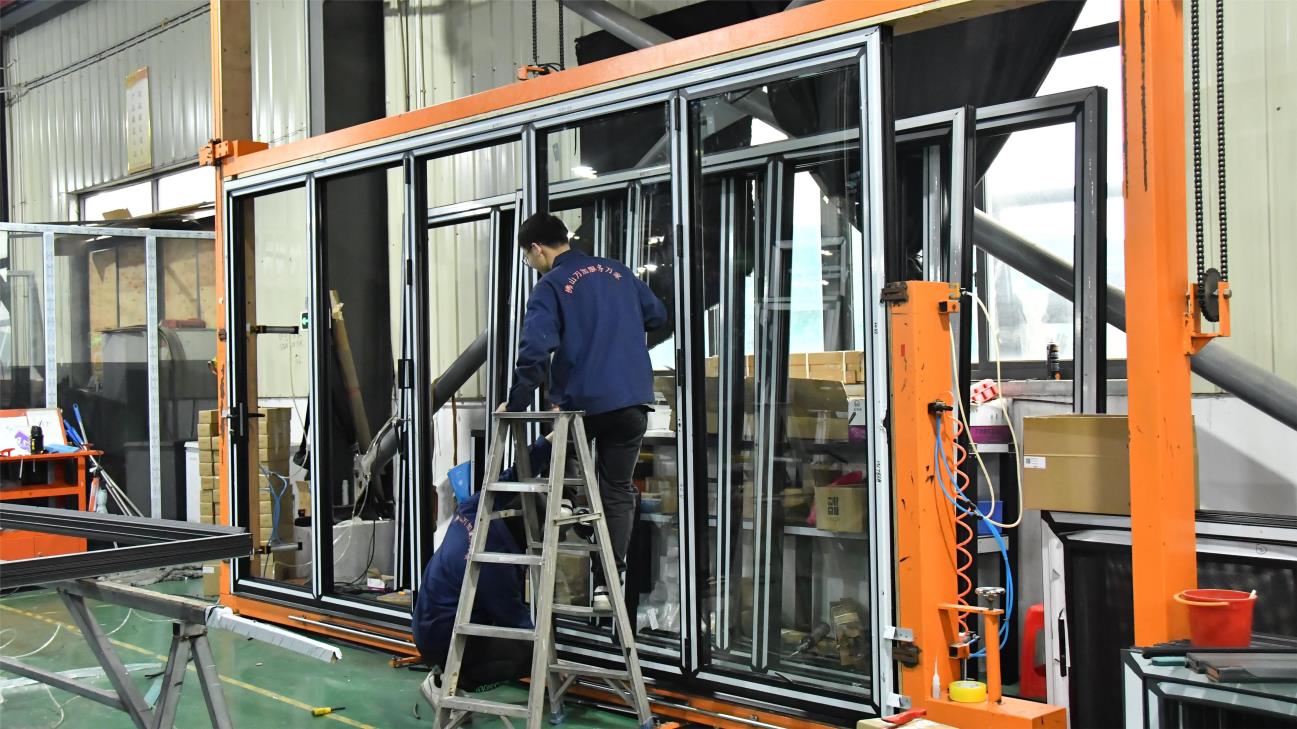
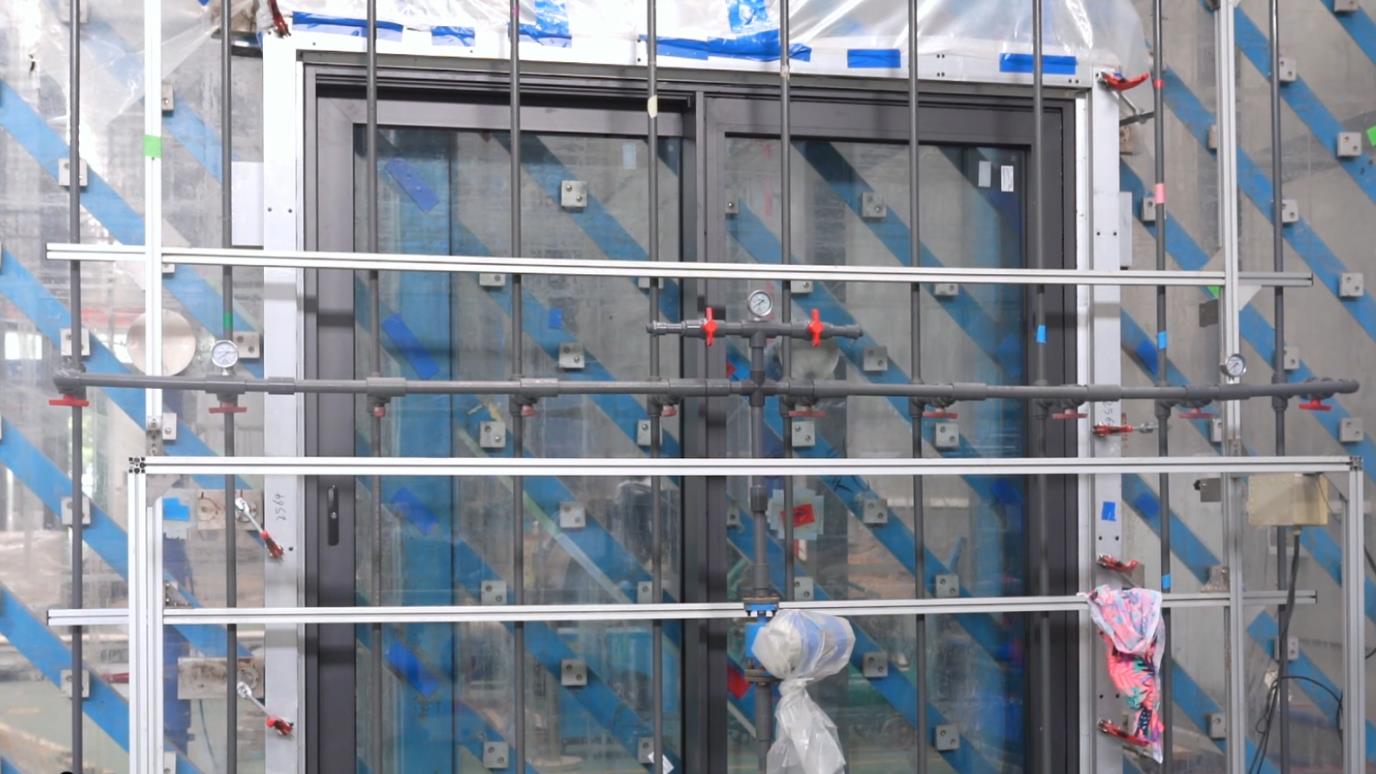
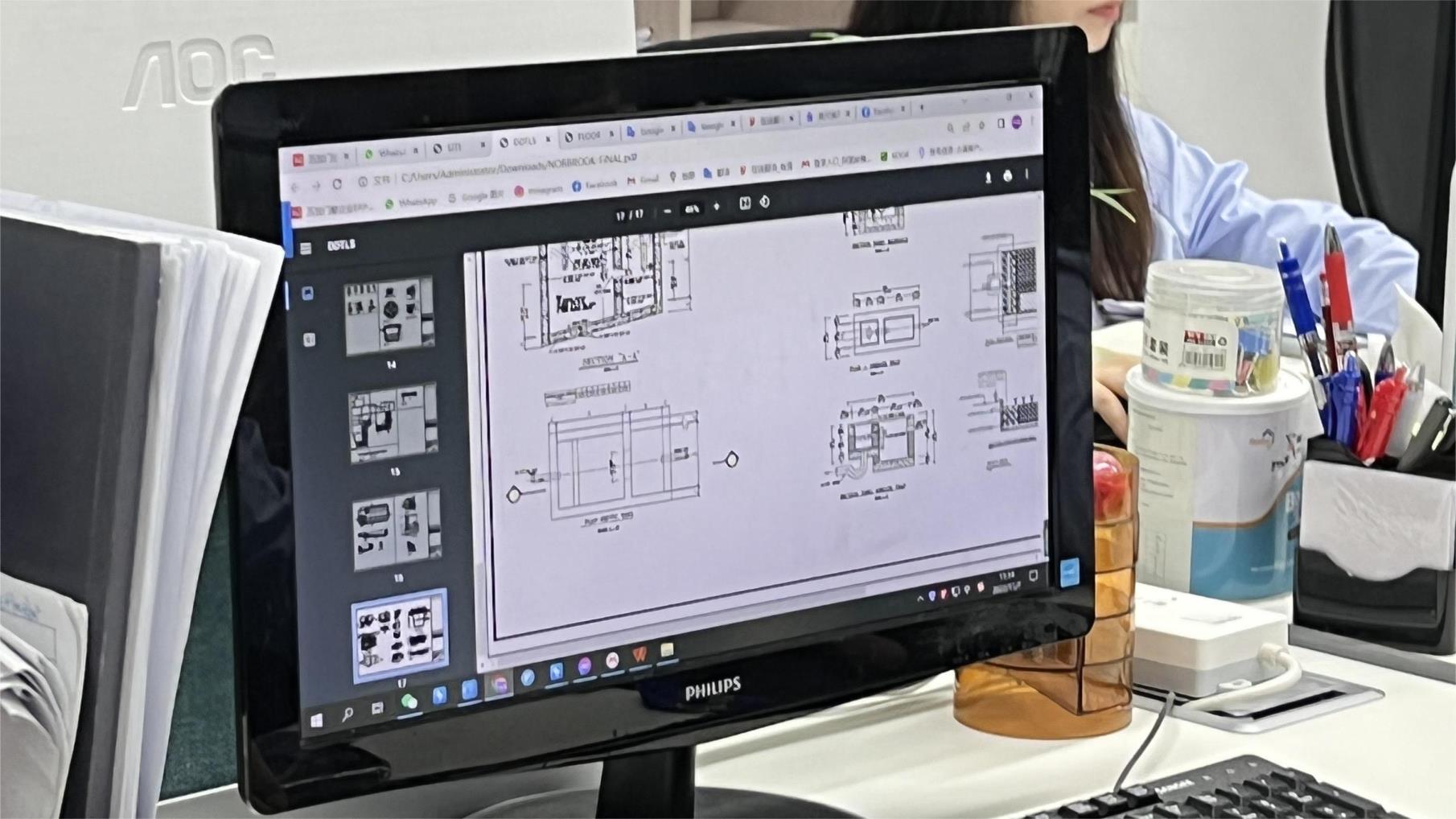
With an engineering division comprising 24 dedicated R&D specialists, Shandong OptiDoors bridges architectural vision with manufacturing feasibility. Last year alone, our R&D group engineered 40 new door systems, mastering profile cavity design, thermal barrier break technology (PA66 nylon reinforcement), and multi-point locking integration.
Architectural escape doors must be configured specifically to meet localized climatic conditions and regional building safety codes. Shandong OptiDoors engineers custom hardware packages and profile treatments tailored to diverse global regions:
| Target Region | Primary Building Codes | Climatic & Technical Requirements | Recommended System Configuration |
|---|---|---|---|
| North America (USA / Caribbean) | Florida Building Code (FBC), Miami-Dade NOA, NFRC, ADA | High-velocity hurricane zones (HVHZ), severe wind-driven rain, sun exposure | Heavy-duty 6063-T6 aluminum, SGP laminated hurricane glass, surface push panic devices, low-threshold ADA sills |
| Australia & New Zealand | AS2047, AS1288, NCC Building Code | High solar radiation, extreme wind shear, strict acoustics | Thermal break profiles, double-glazed Low-E argon filled glass, continuous pull bar assemblies, heavy-duty door closers |
| Western Europe & UK | EN 179, EN 1125, CE Mark, BS EN 1634 (Fire) | Low thermal transmittance (U-factor < 1.4 W/m²K), tight air permeability | Multi-chamber polyamide thermal break, multi-point panic latching, integrated smoke seals, auto-drop bottom seals |
| Middle East & Central Asia | Civil Defense Approved, ISO 9001, Gulf Code | Extreme ambient heat (>50°C), sandstorm resistance, high UV exposure | PVDF fluoropolymer surface finish, high heat-resistant EPDM gaskets, electromagnetic panic locks, anti-dust louvers |
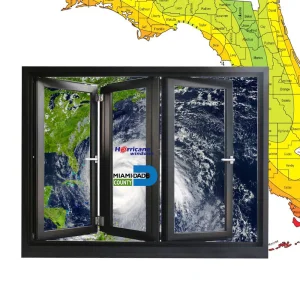
Explore our broader portfolio of Miami-Dade NOA approved, AS2047 certified, and thermal-break aluminum systems for commercial projects worldwide.
Expert answers to common engineering, compliance, and supply chain questions for B2B door buyers, wholesalers, and general contractors.
 OptiDoors