Engineered for Hurricane Impact Resistance, Thermal Insulation, soundproofing, and Precision Structural Performance
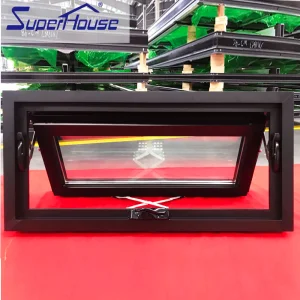
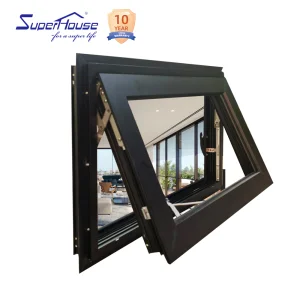
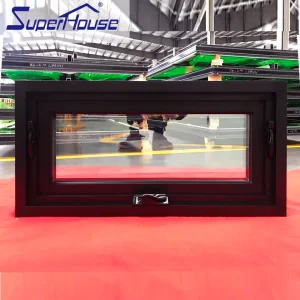
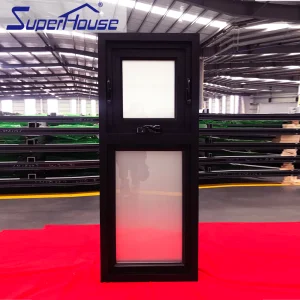
An Analysis of Energy Standards, Aerodynamic Superiority, and Global Market Demands
Modern architectural codes worldwide—such as the EU Energy Performance of Buildings Directive (EPBD), US California Title 24, and Australia’s NCC National Construction Code—demand ultra-low U-factors ($U \le 1.2 \text{ W/m}^2\text{K}$). European awning window designs utilize thermal break polyamide struts to dramatically reduce thermal bridging, allowing projects to achieve Net-Zero Carbon metrics and Energy Star compliance effortlessly.
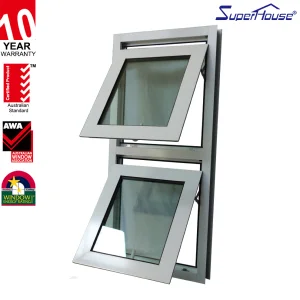
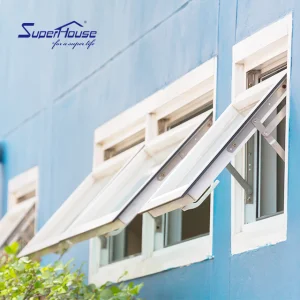
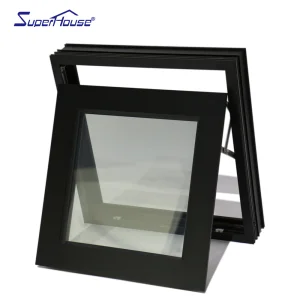
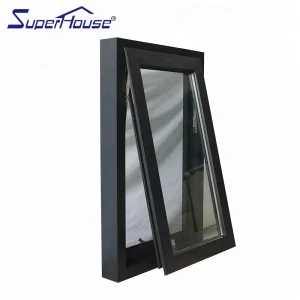
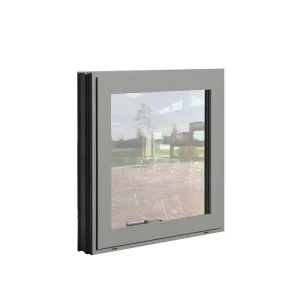
Unlike traditional sliding or inward-opening casements, European top-hinged awning windows outward pivot from the top. This geometry creates a continuous protective glass canopy overhead. It allows micro-ventilation during rainstorms while deflecting downward wind pressures, preventing moisture ingress in high-rise coastal developments and torrential rainfall climate zones.
Enterprise procurement managers, custom home builders, and door/window wholesalers are abandoning fragmented regional supply chains. Direct procurement from vertically integrated manufacturers offers standardized quality control, pre-installed German multi-point locking systems, exact extrusion alloy compliance (6063-T5/T6), and substantial bulk cost reduction.
Founded in 2018, Shandong OptiDoors Technology Co., Ltd. operates an advanced 8,200 m² manufacturing plant. Backed by 8 years of specialized door and window engineering and 4 years of international trade, our annual export volume reaches USD $6,800,000 across North America, Western Europe, the Middle East, and Central Asia.
Precision Thermal Break Physics, Glazing Interlayers, and Hardware Dynamics
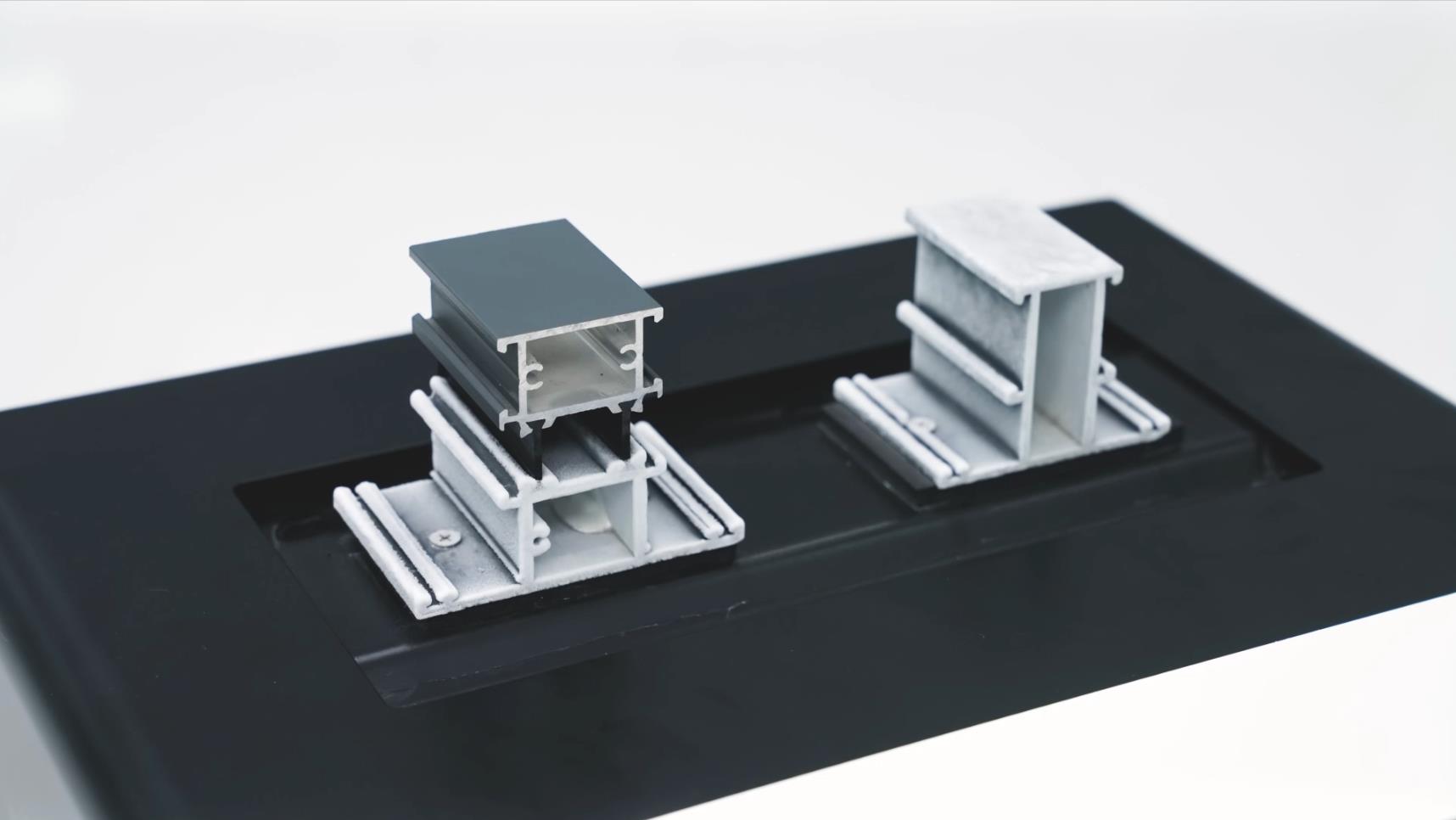
Aluminum profiles are exceptional structural materials but exhibit high thermal conductivity ($k \approx 160 \text{ W/m}\cdot\text{K}$). OptiDoors Euro awning systems utilize a dual-chamber structural profile split by PA66 GF25 (25% Glass-Fiber Reinforced Polyamide) thermal struts. This isolates internal and external ambient temperatures, reducing frame heat transfer coefficient by up to 68%.
Our profile wall thickness ranges strictly between 1.4mm to 2.0mm, surpassing standard residential thresholds to meet demanding commercial structural deflection tolerances under heavy wind load conditions.
To resist severe storms and impact forces, OptiDoors integrates customized double and triple IGUs combined with specialized Low-Emissivity (Low-E) coatings and Argon gas filling (90%+ purity). For coastal high-velocity hurricane zones (HVHZ), we supply SGP (SentryGlas®) and PVB laminated safety glass combinations.
Configurations include: 5mm Tempered + 12Ar + 5mm Low-E, or 6mm Storm-Impact Laminated + 12Ar + 6mm Tempered, delivering STC acoustic ratings above 42 dB and NFRC certified thermal values.
| Performance Index | OptiDoors Standard Commercial Spec | Hurricane Impact Specification | International Standard Compliance |
|---|---|---|---|
| Thermal Transmittance (U-Value) | 1.2 - 1.6 W/m²K (0.21 - 0.28 BTU/hr·ft²·°F) | 1.0 - 1.4 W/m²K (0.18 - 0.24 BTU/hr·ft²·°F) | NFRC / Title 24 / Energy Star |
| Structural Wind Load (DP Rating) | DP 50 (2400 Pa / 50.13 psf) | DP 70 - DP 100 (4800 Pa / 100 psf) | ASTM E330 / Miami-Dade NOA / TAS 202 |
| Air Infiltration Resistance | < 0.10 cfm/ft² at 1.57 psf | < 0.05 cfm/ft² at 6.24 psf | ASTM E283 / AS2047 Class A |
| Water Penetration Resistance | 450 Pa (9.39 psf) continuous head | 720 Pa (15.04 psf) torrential head | ASTM E331 / EN 12208 Class 9A |
| Acoustic Isolation (STC / OITC) | 35 - 38 dB | 42 - 46 dB (Laminated IGU) | ASTM E90 / ISO 140-3 |
Strict ISO9001 Execution, Precision CNC Machining, and Automated Assembly Workflow
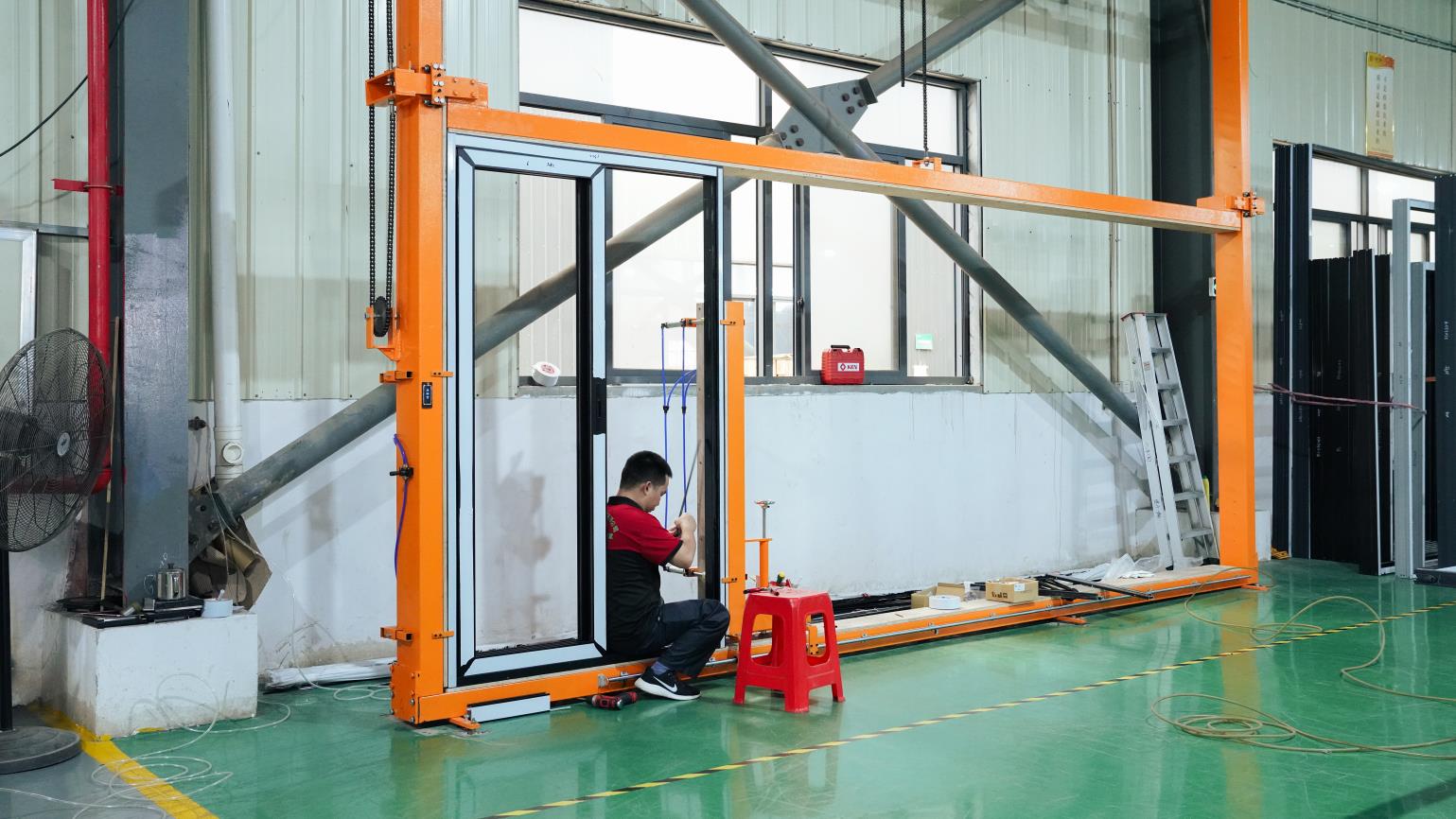
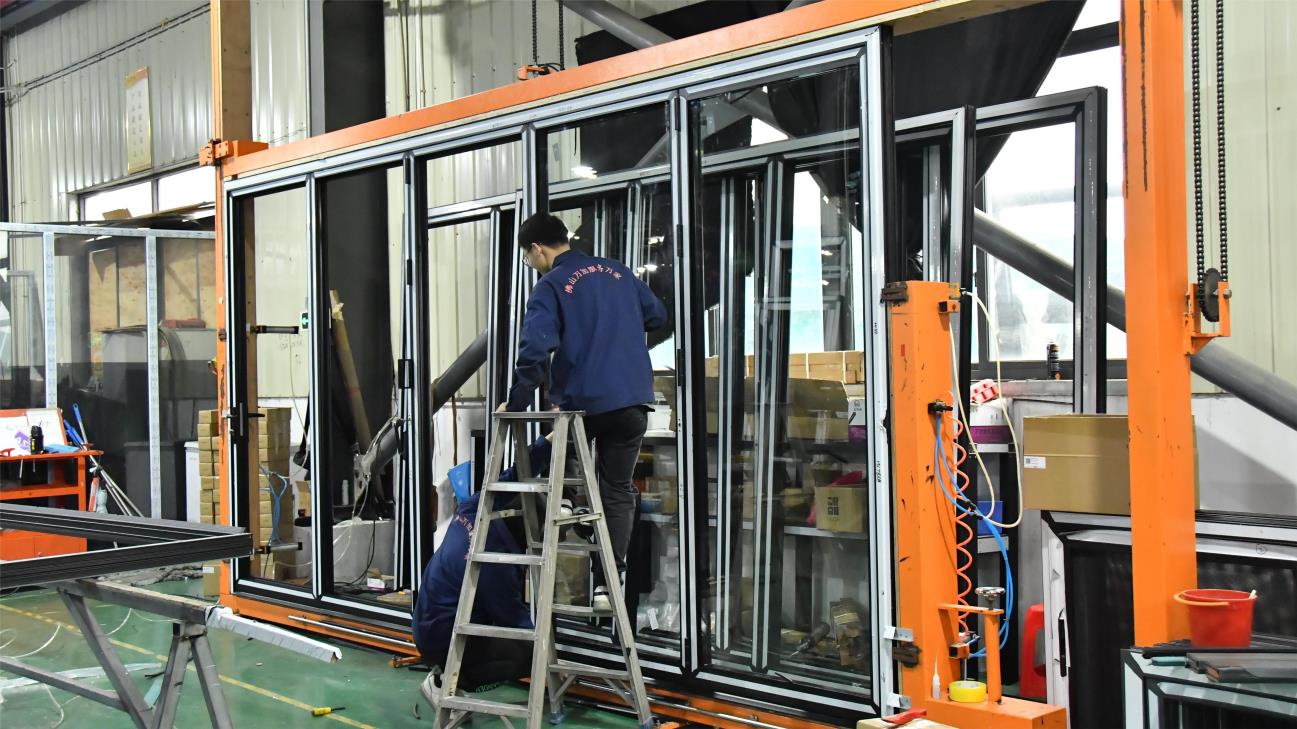
Our 8,200 m² production workshop executes 9 synchronized assembly phases, monitored by 16 full-time QA inspectors to guarantee zero-defect tolerance across every batch.
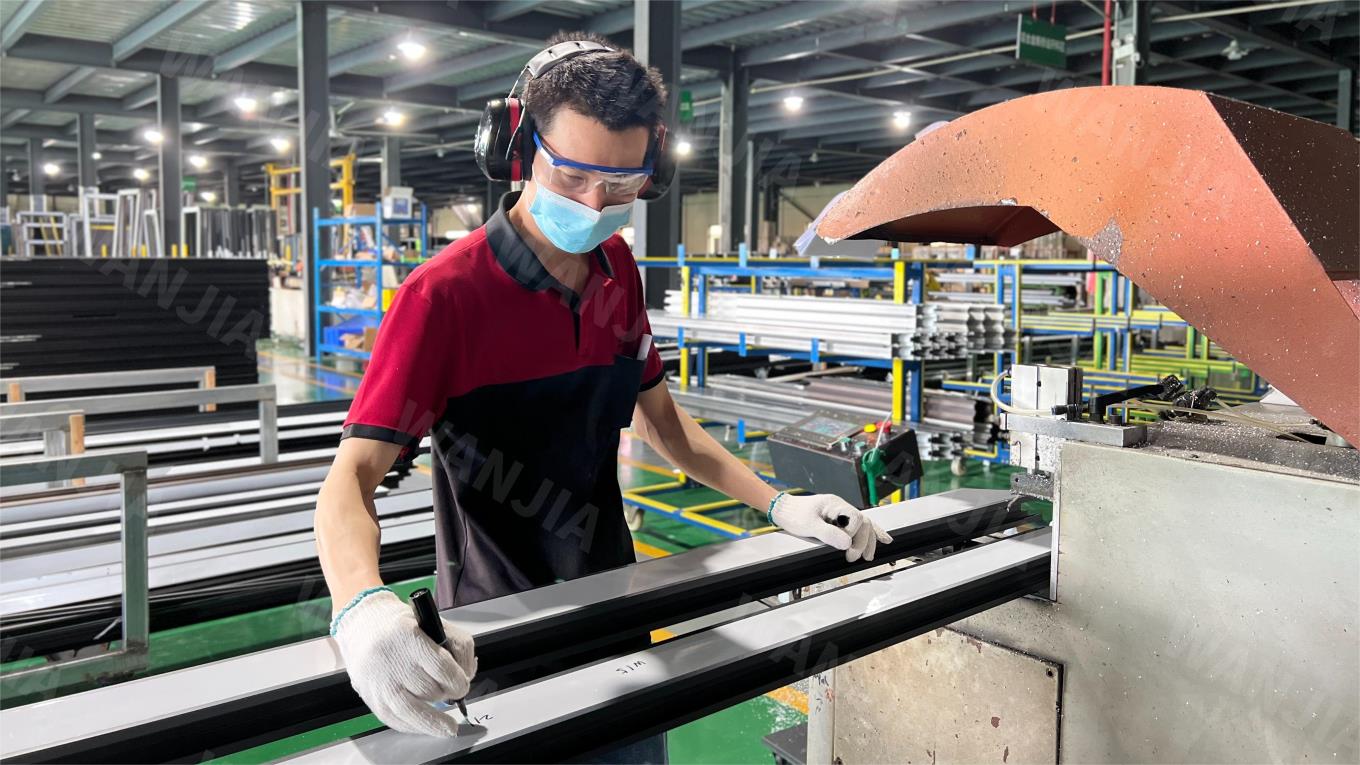
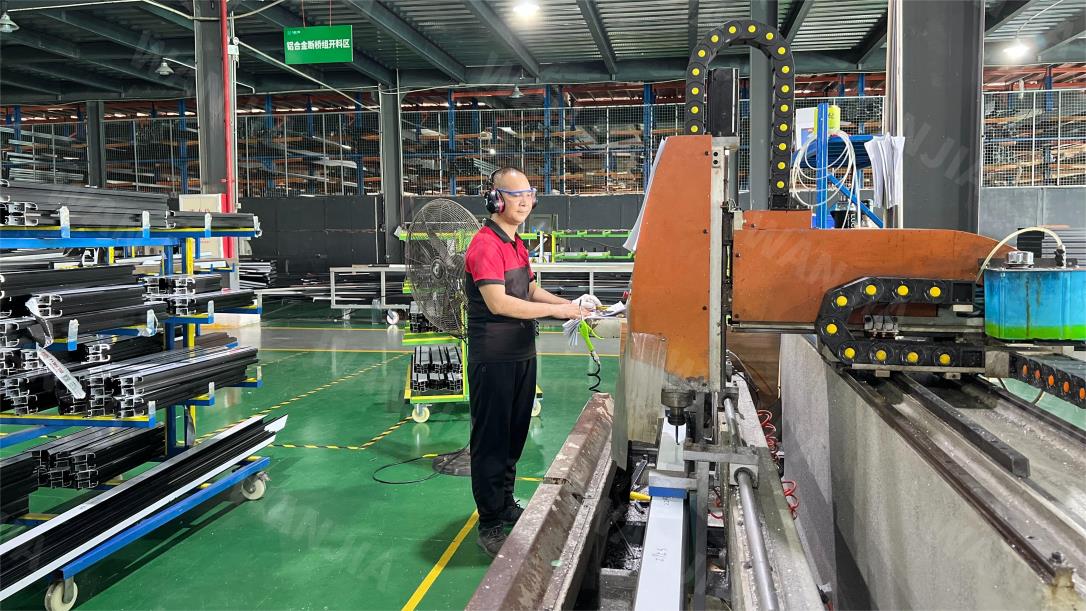
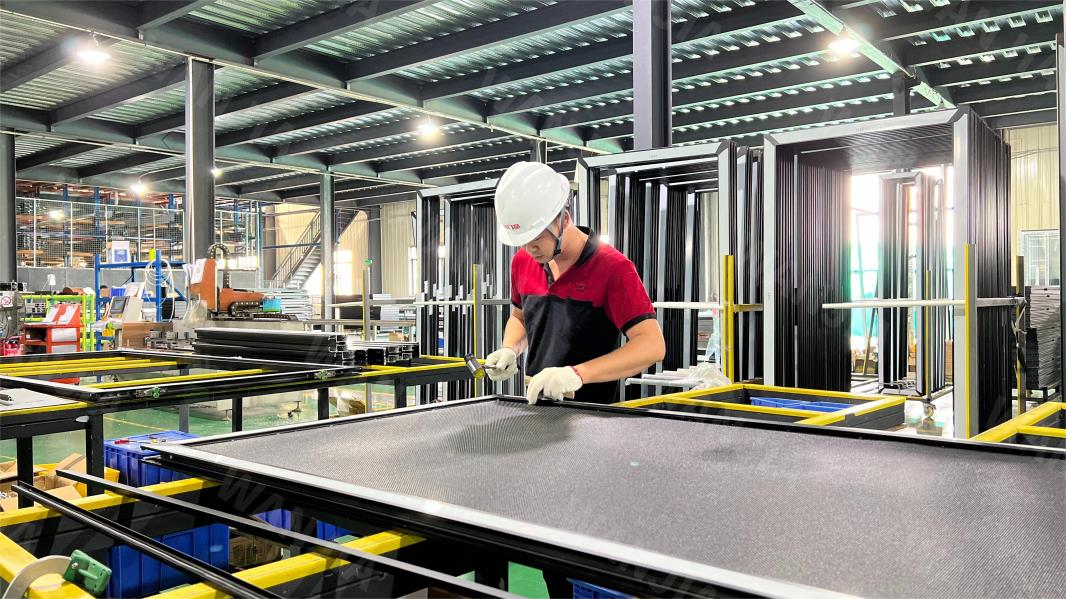
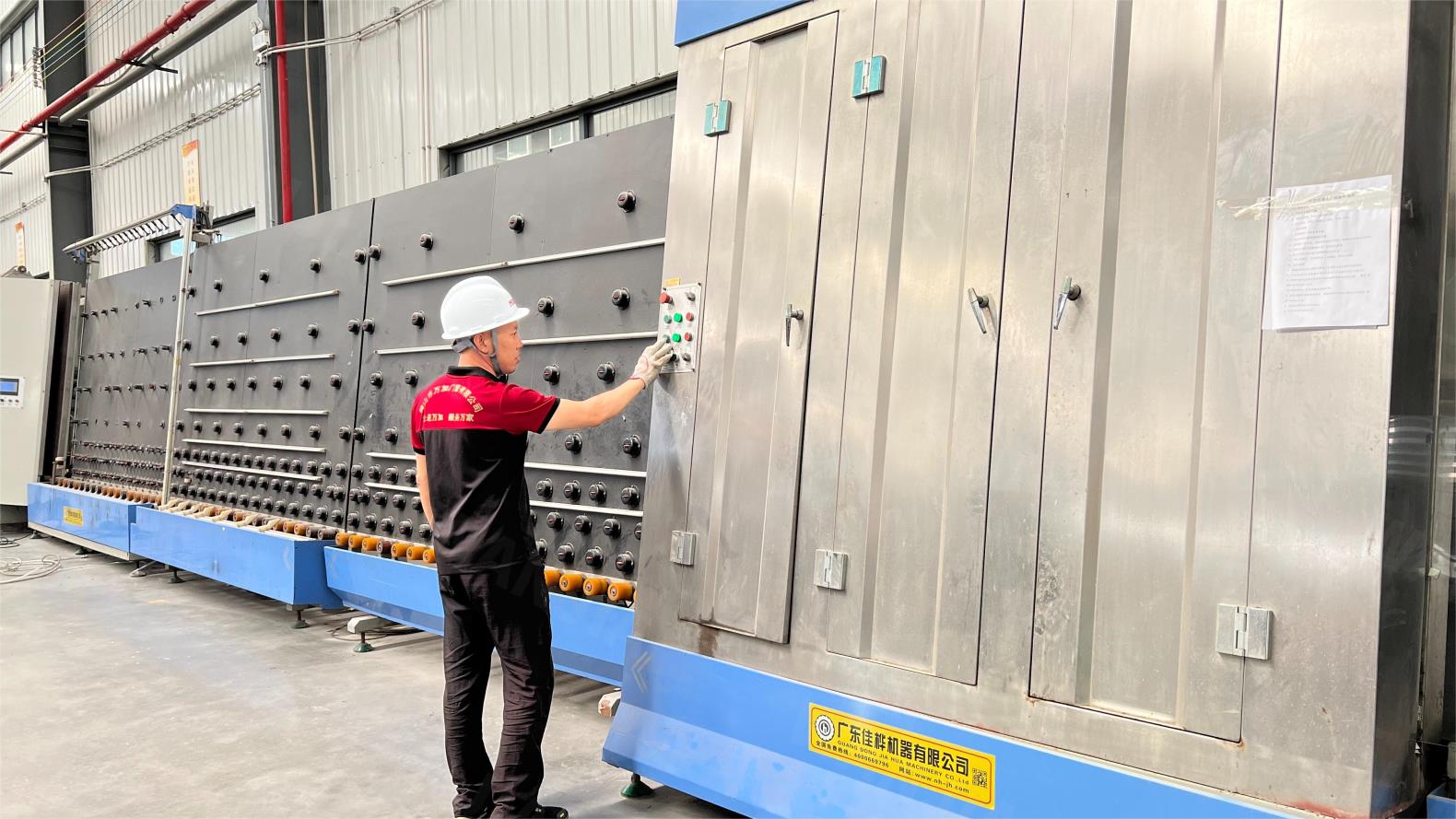
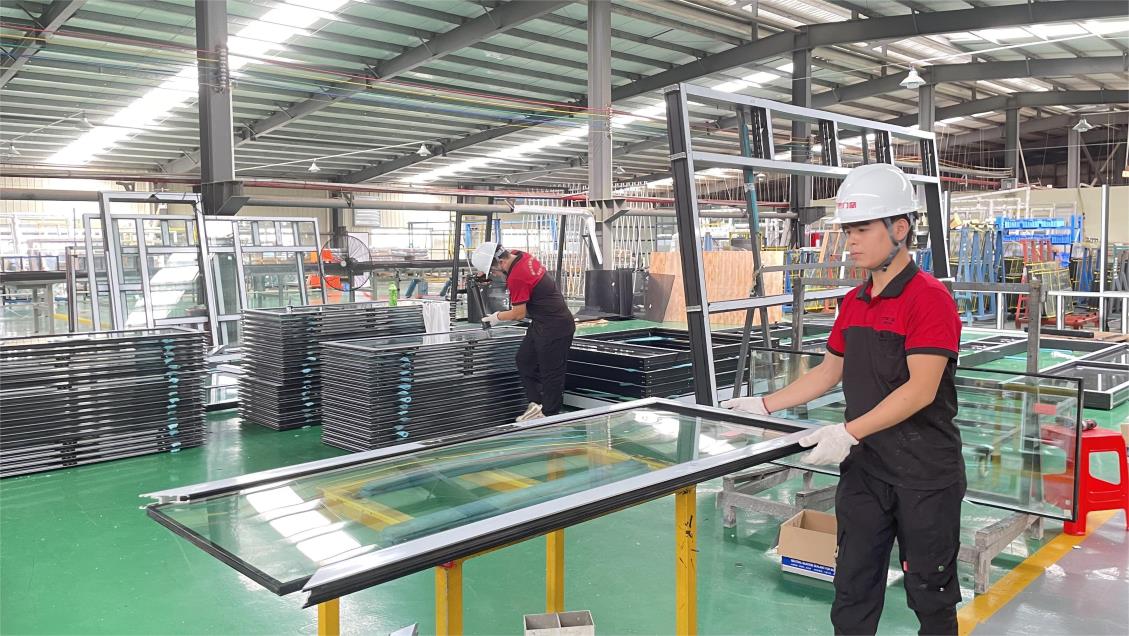
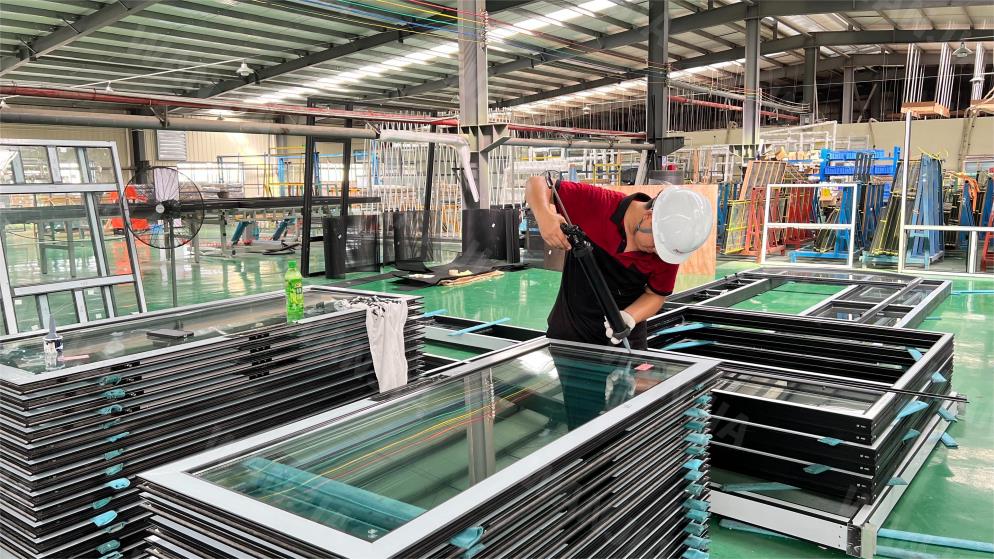
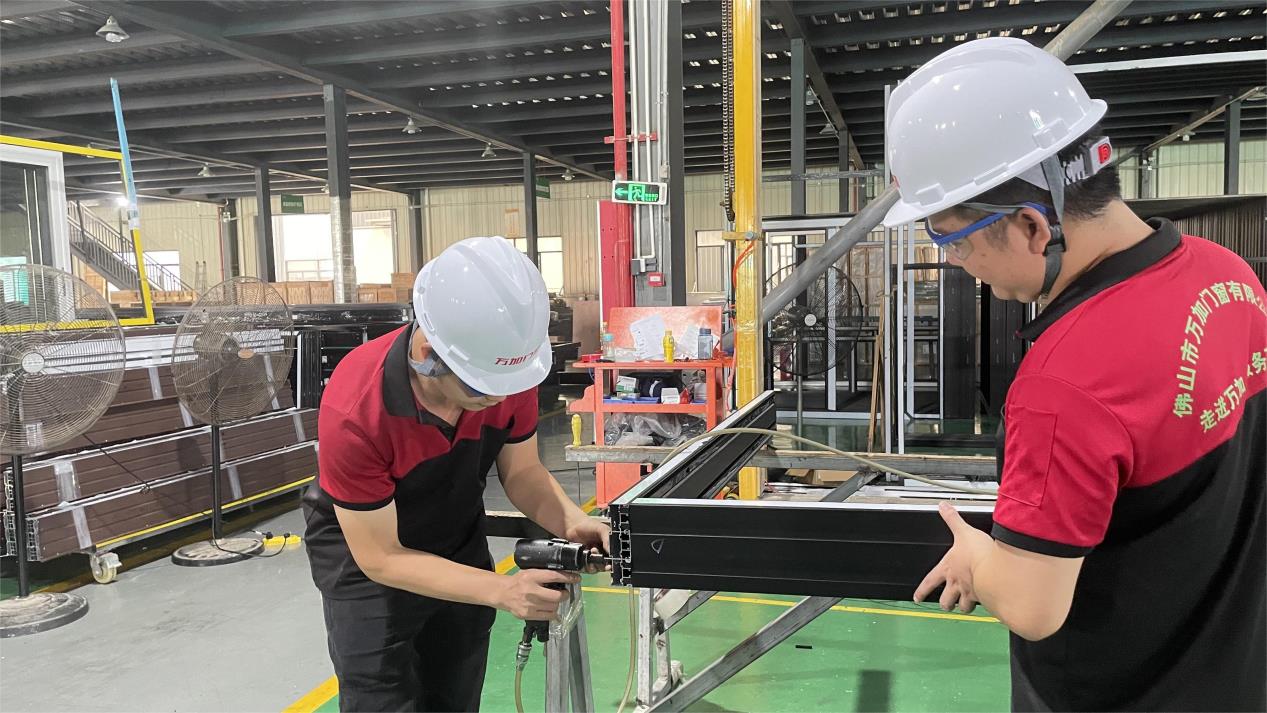
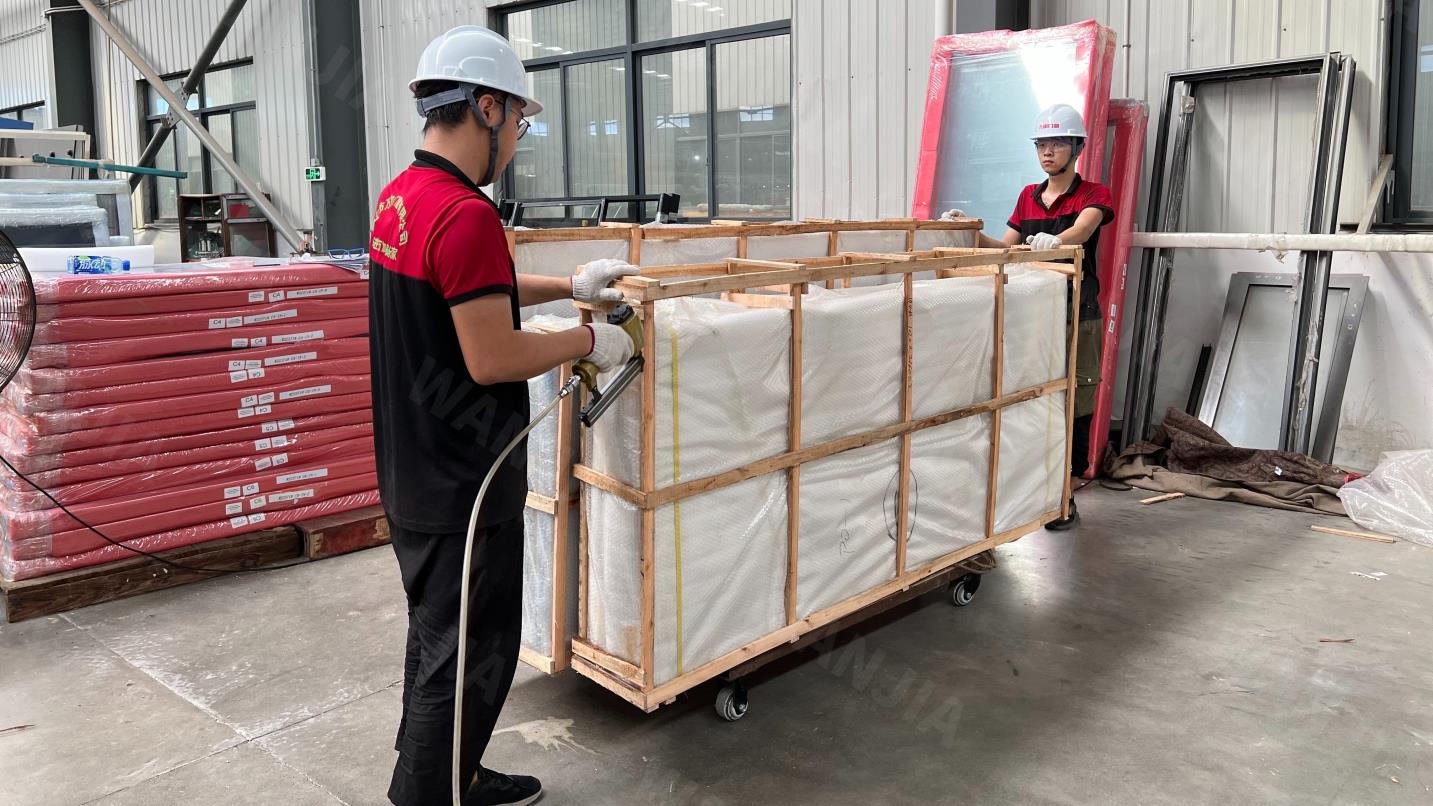
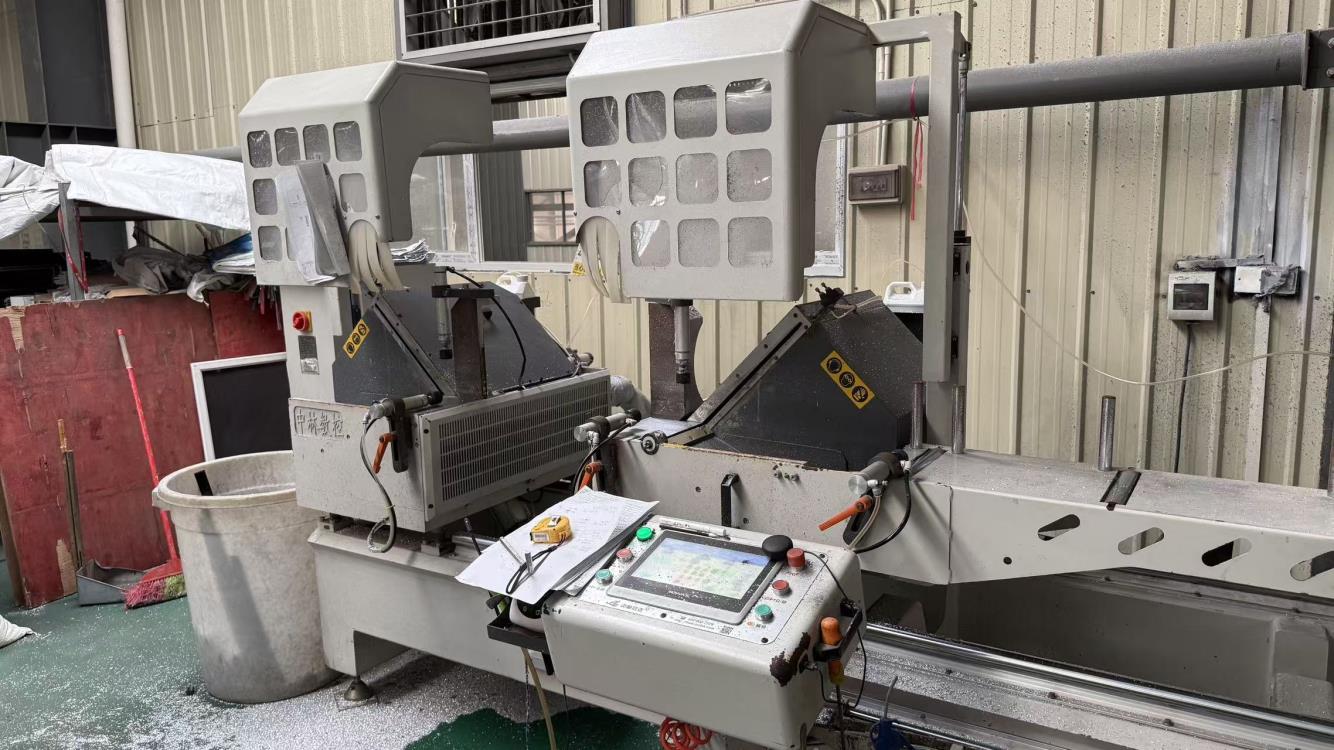 Aluminum Cutting Machine
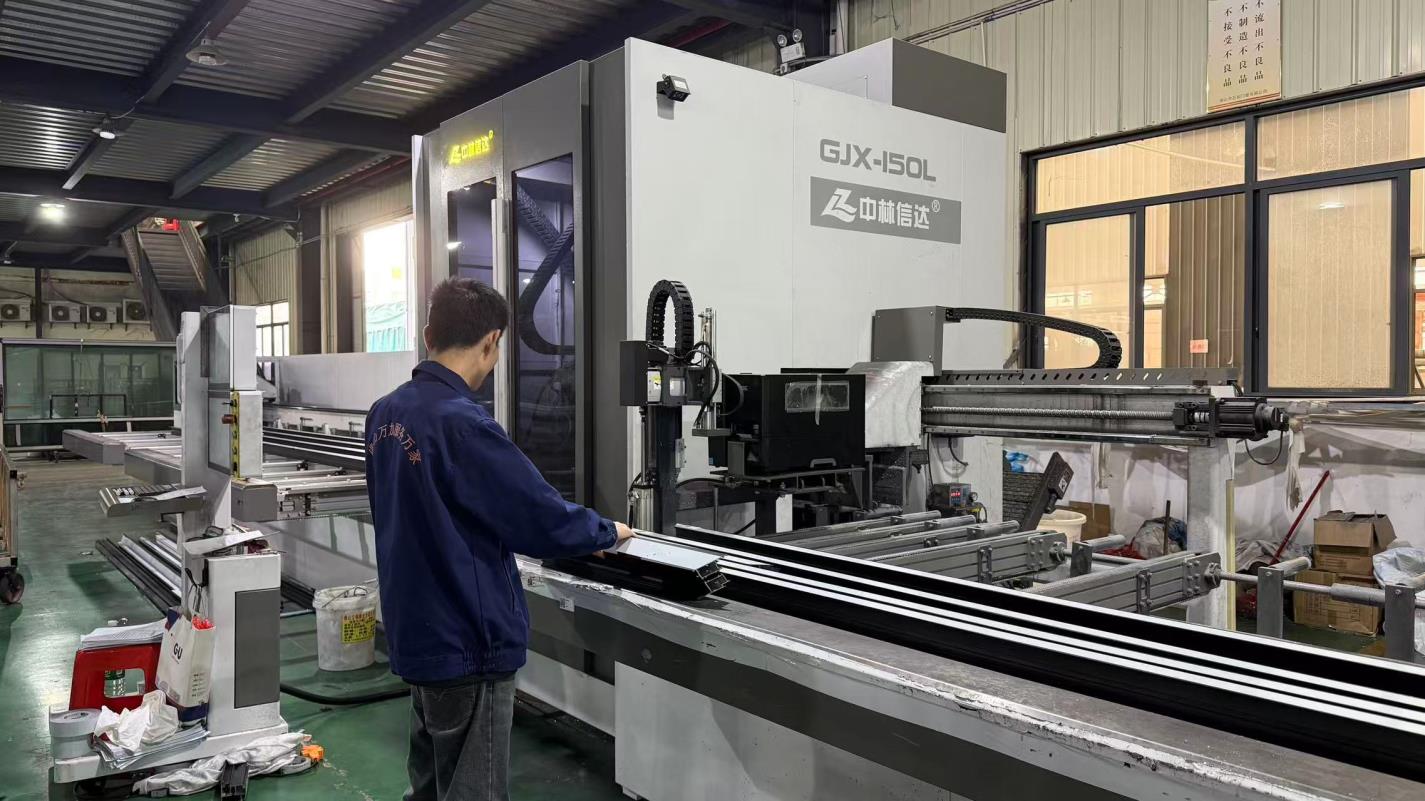 Fully Automatic Laser Cutter
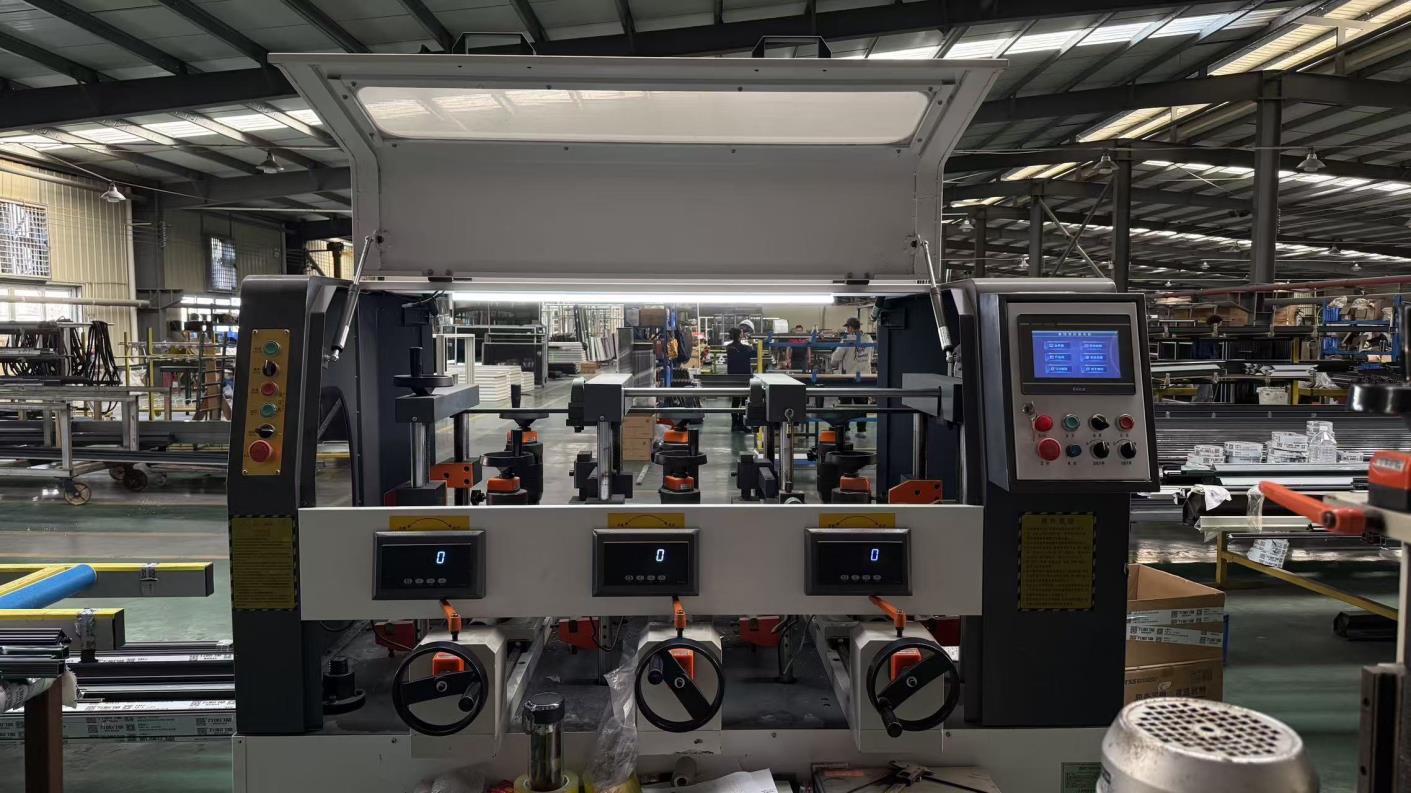 Glue Strip Assembly Machine
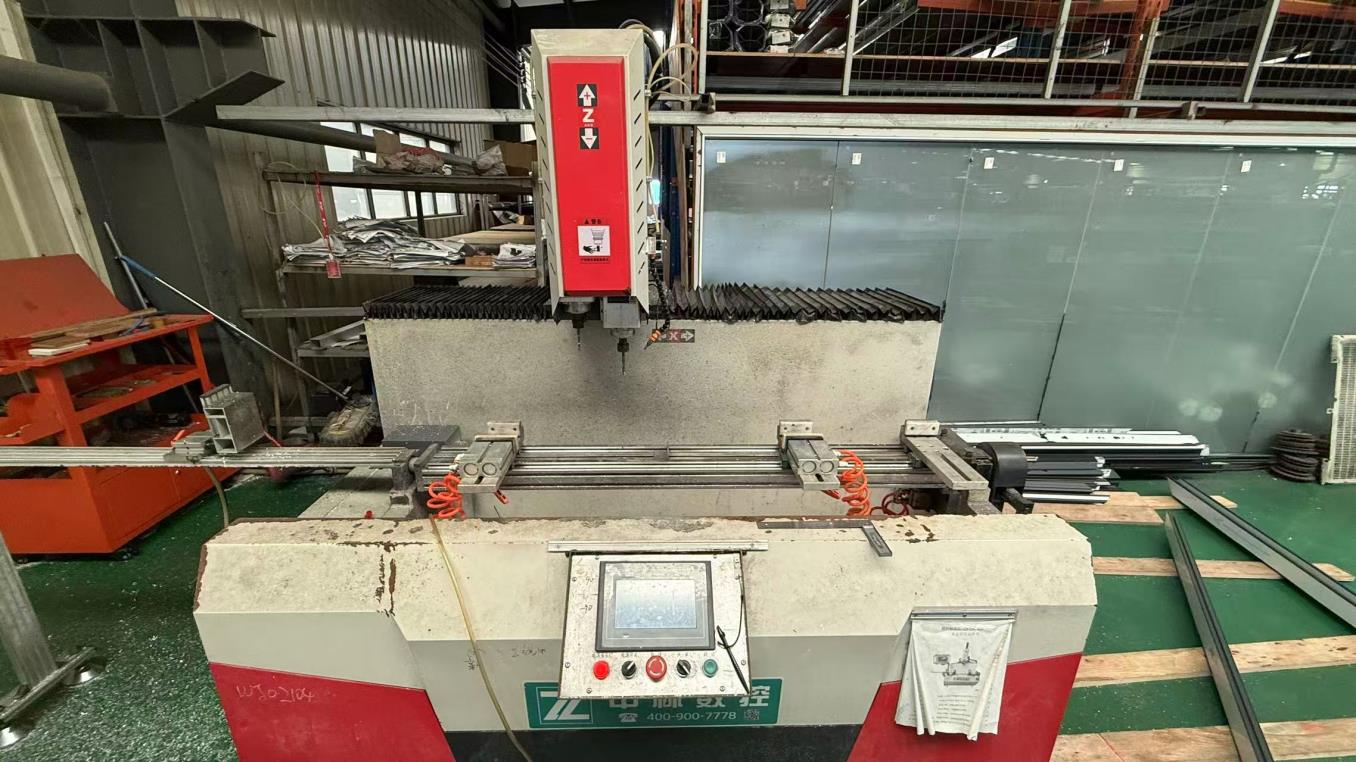 Multi-Axis Drilling Machine
Rigorous Physical Stress Testing, Wind Load Simulation, and Thermal Efficiency Research
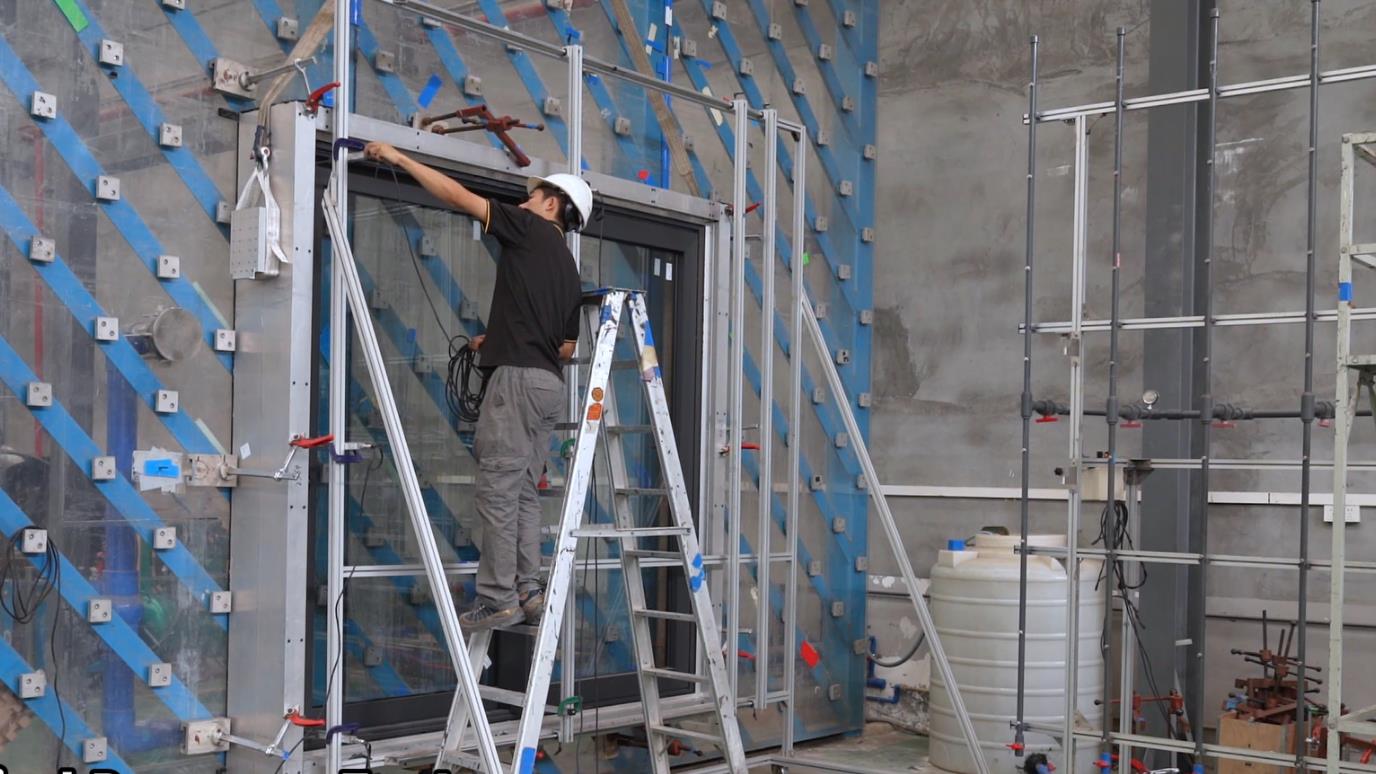
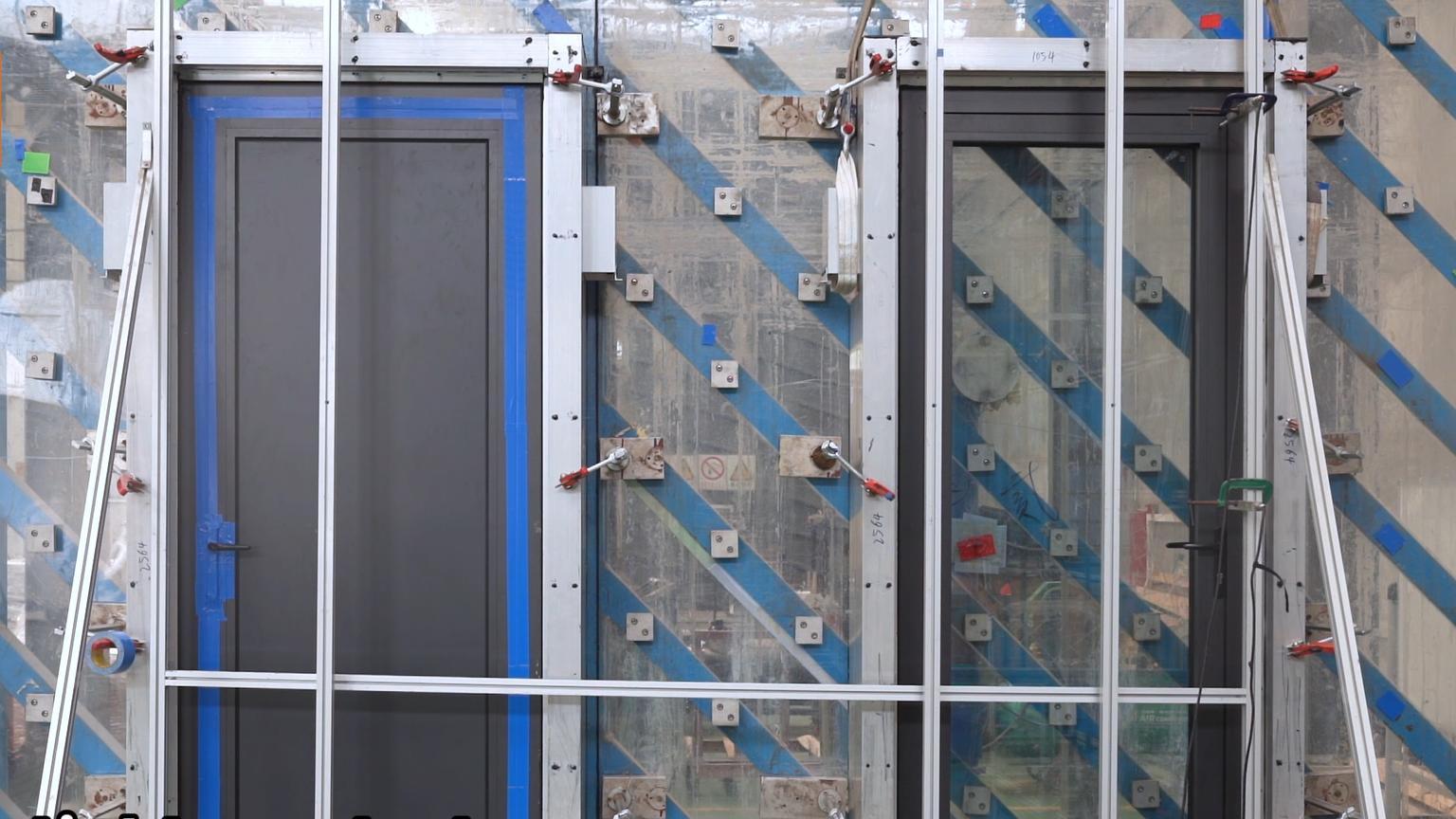
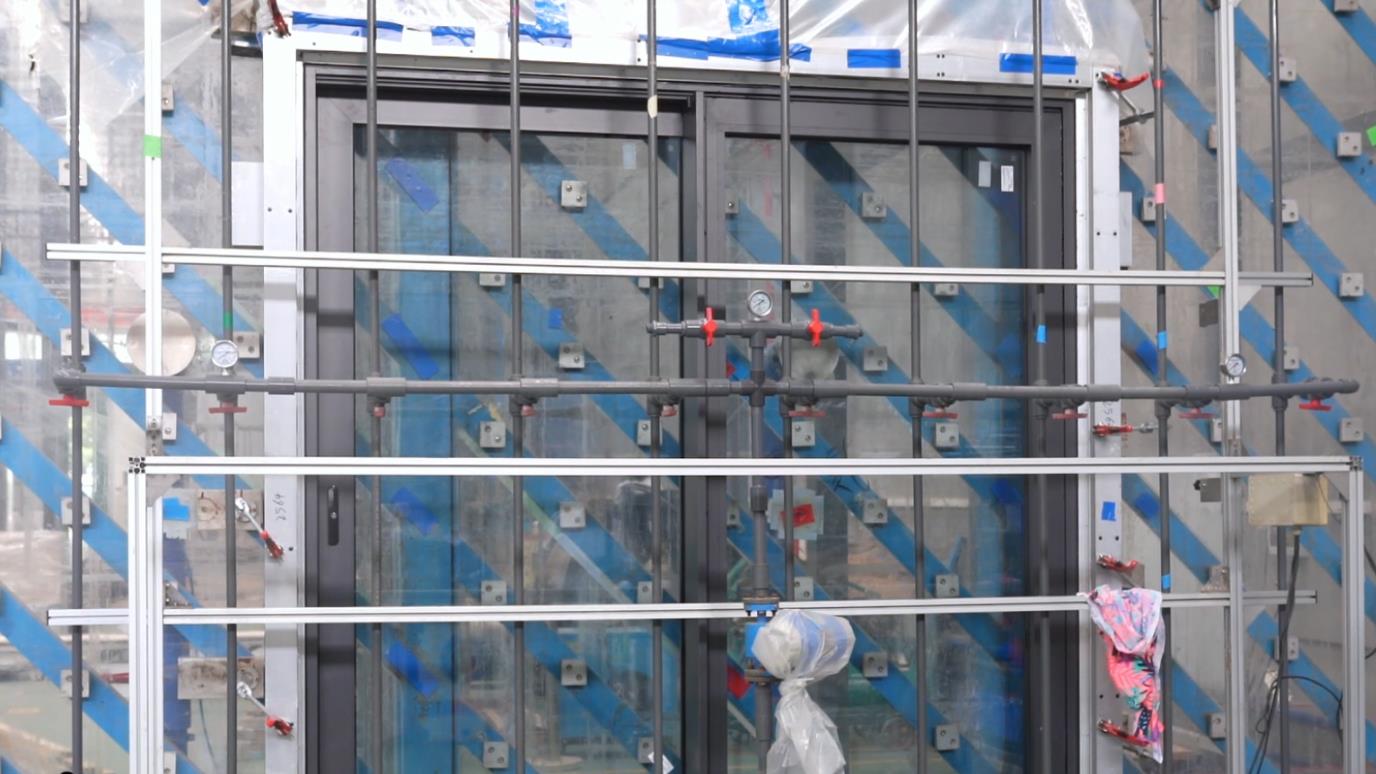
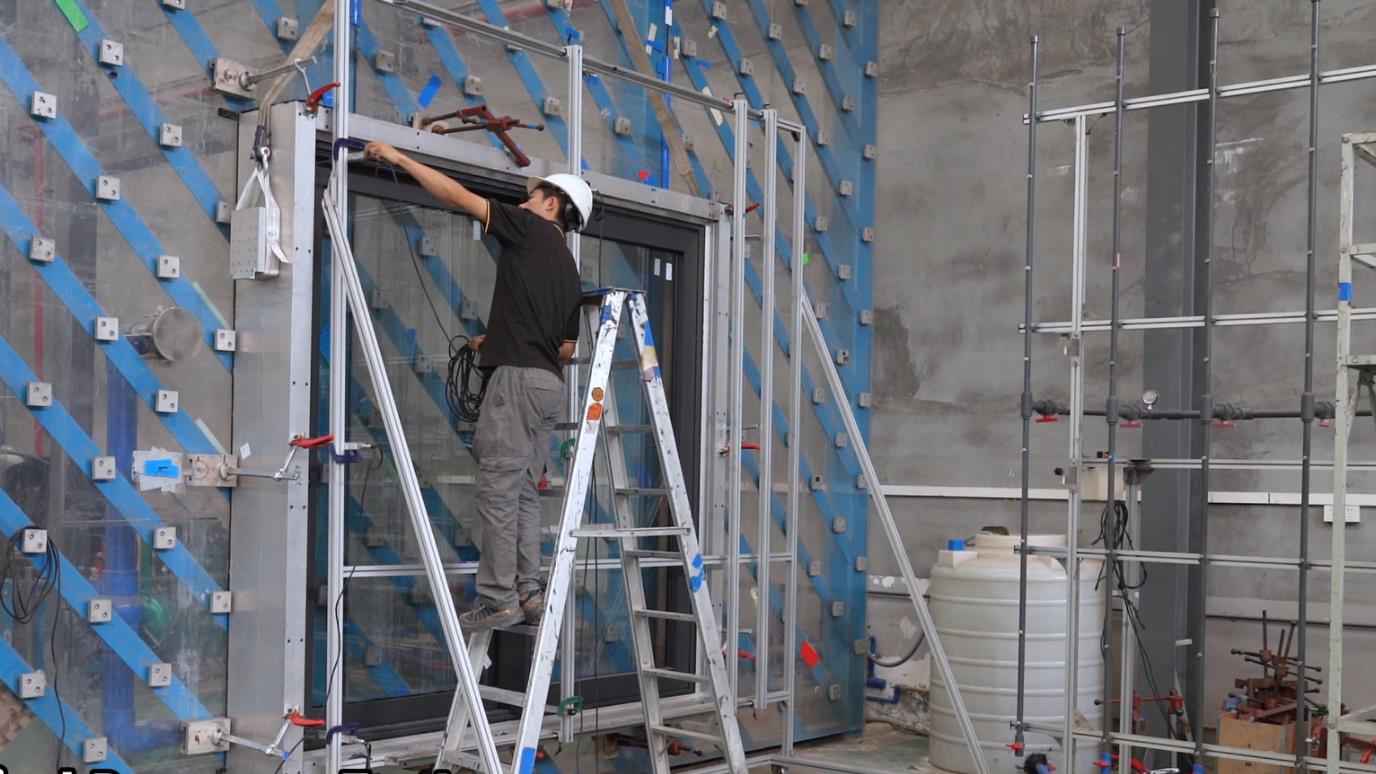
To satisfy demanding global building regulations, every batch of OptiDoors awning windows undergoes 4 core environmental chamber tests: Air Tightness, Water Tightness, Wind Deflection, and Installation Durability.
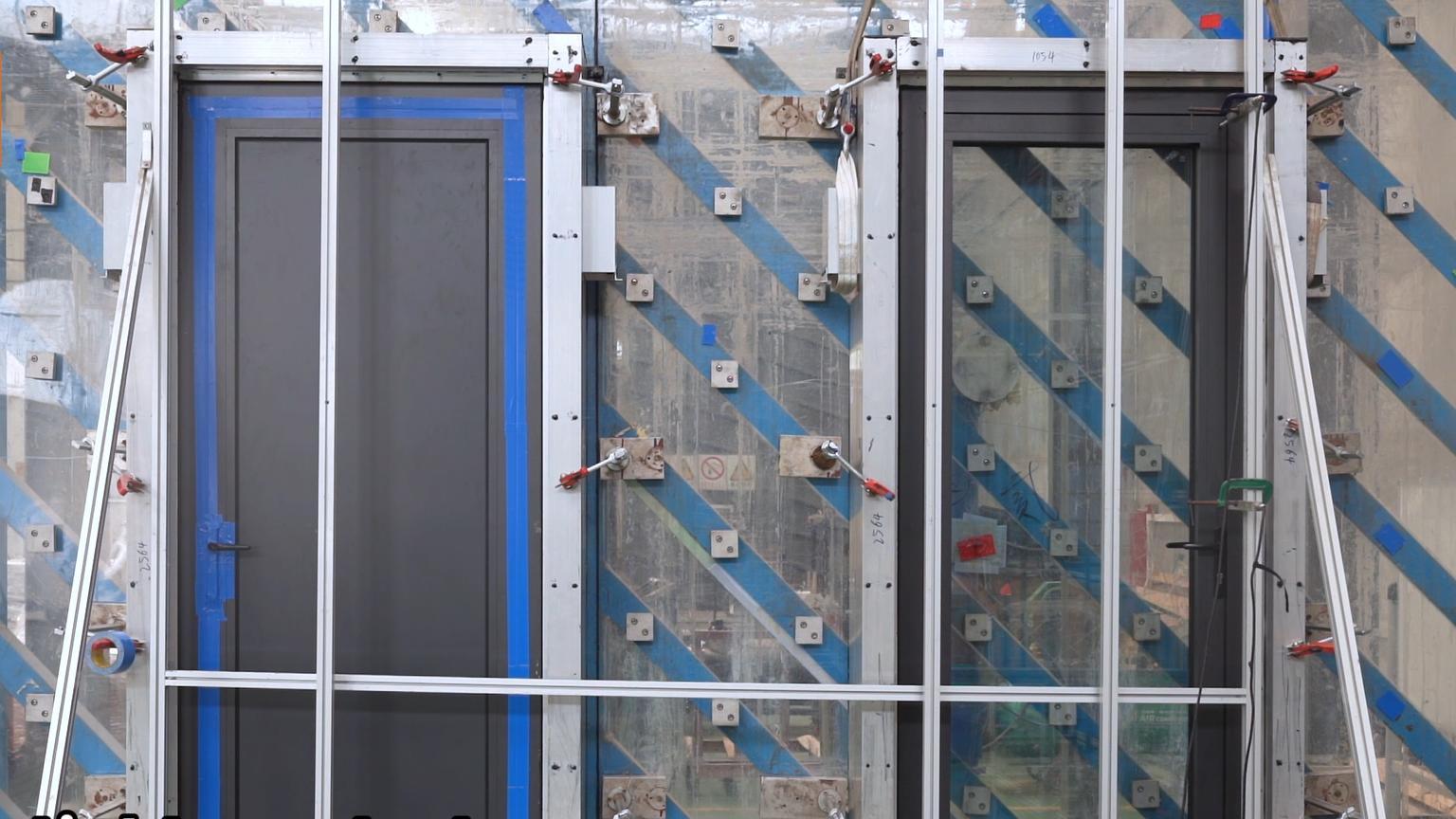
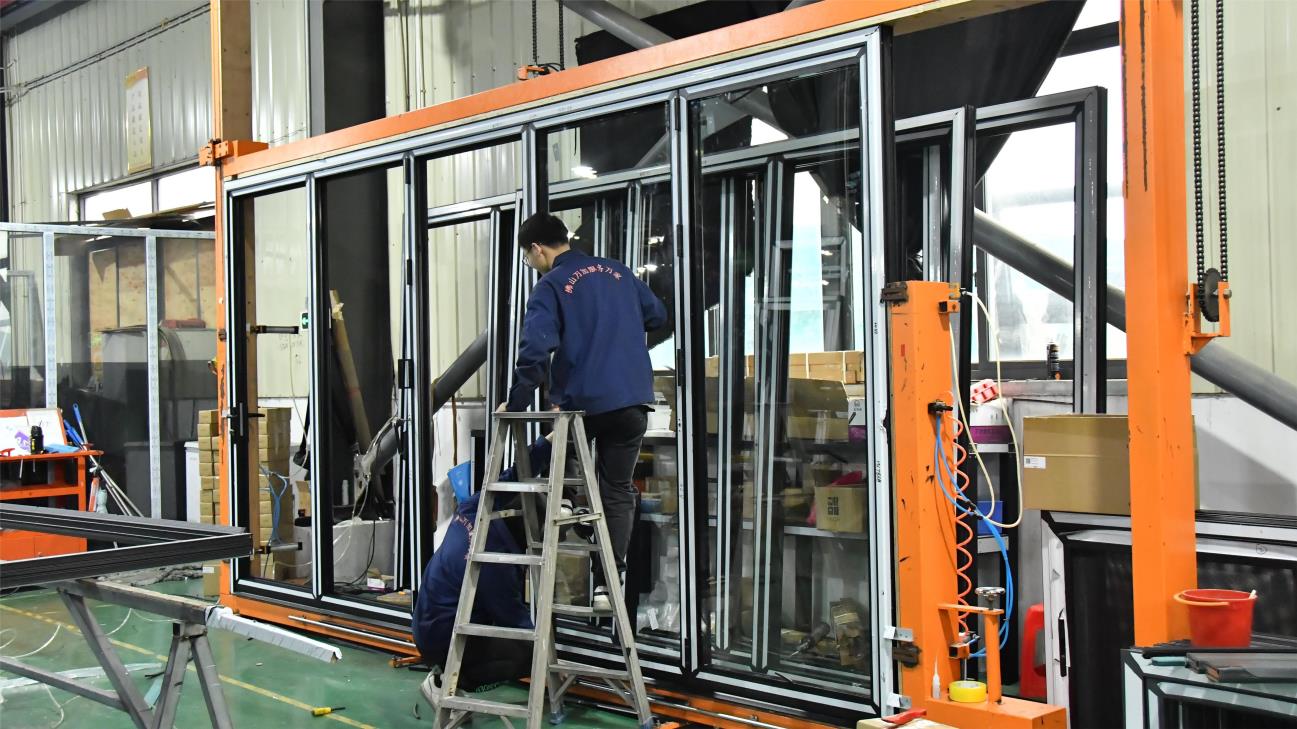
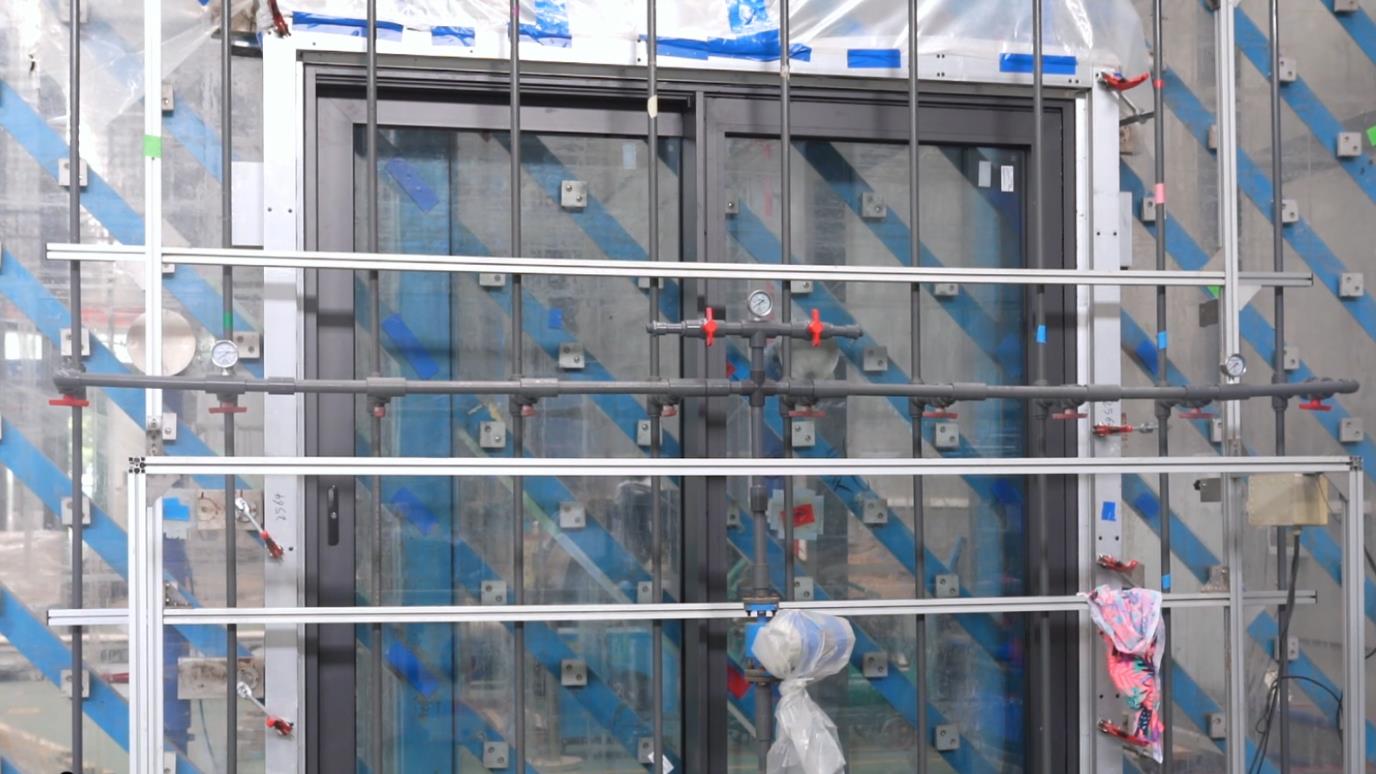
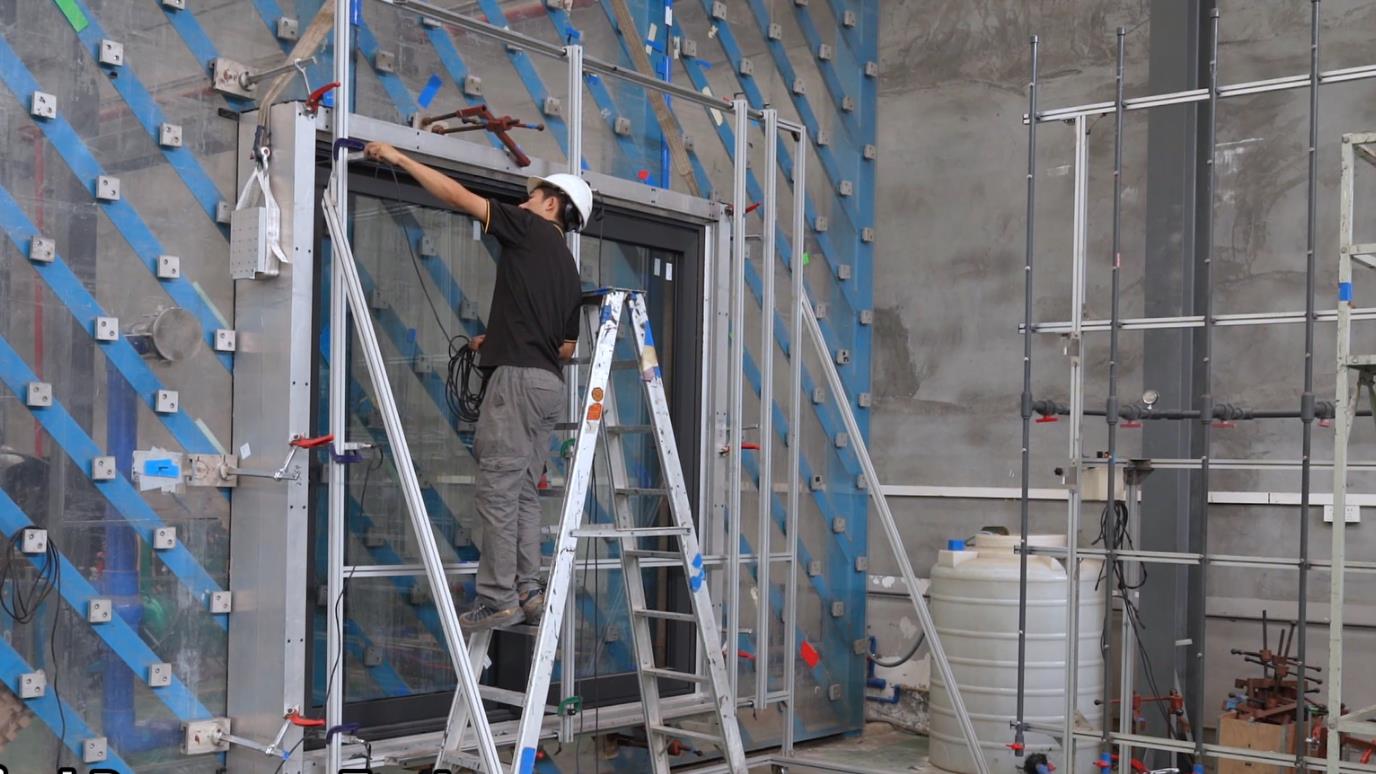
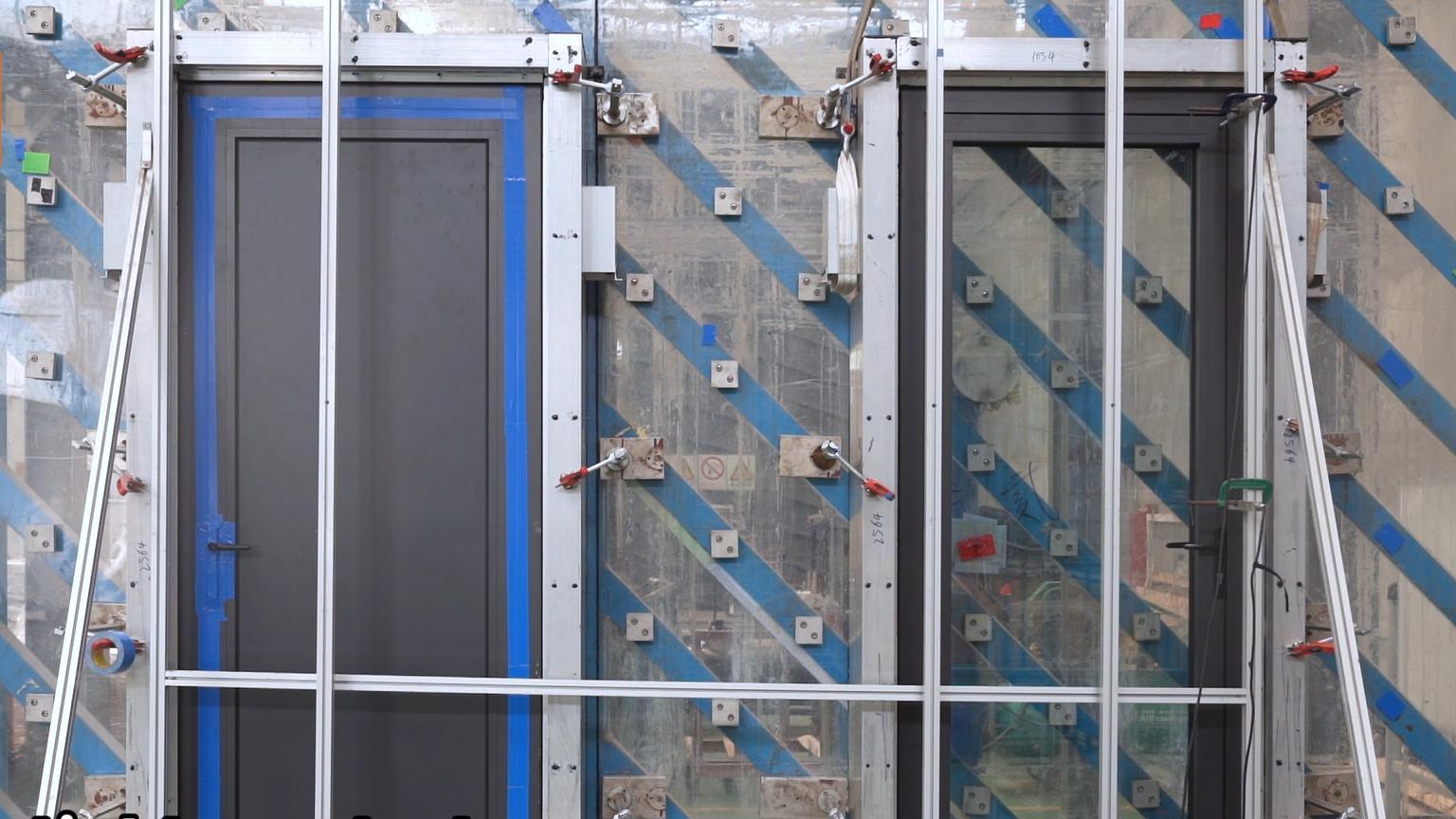
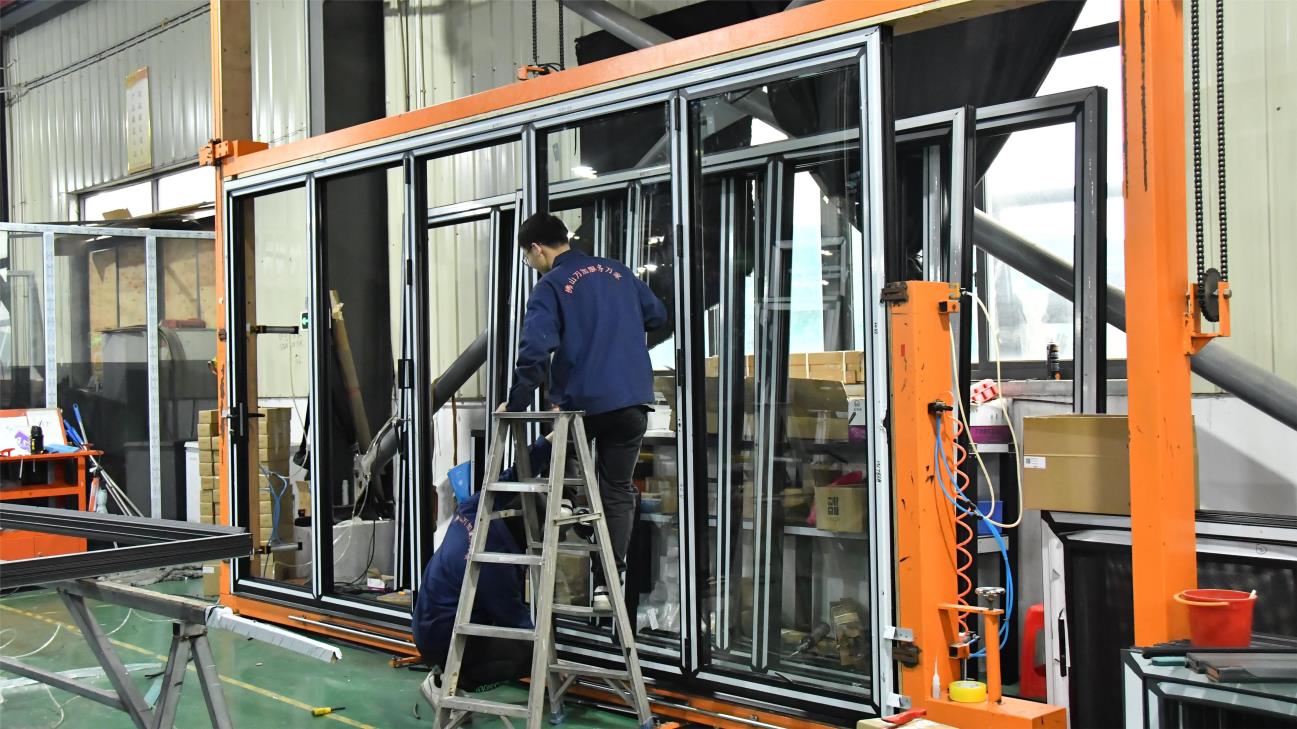
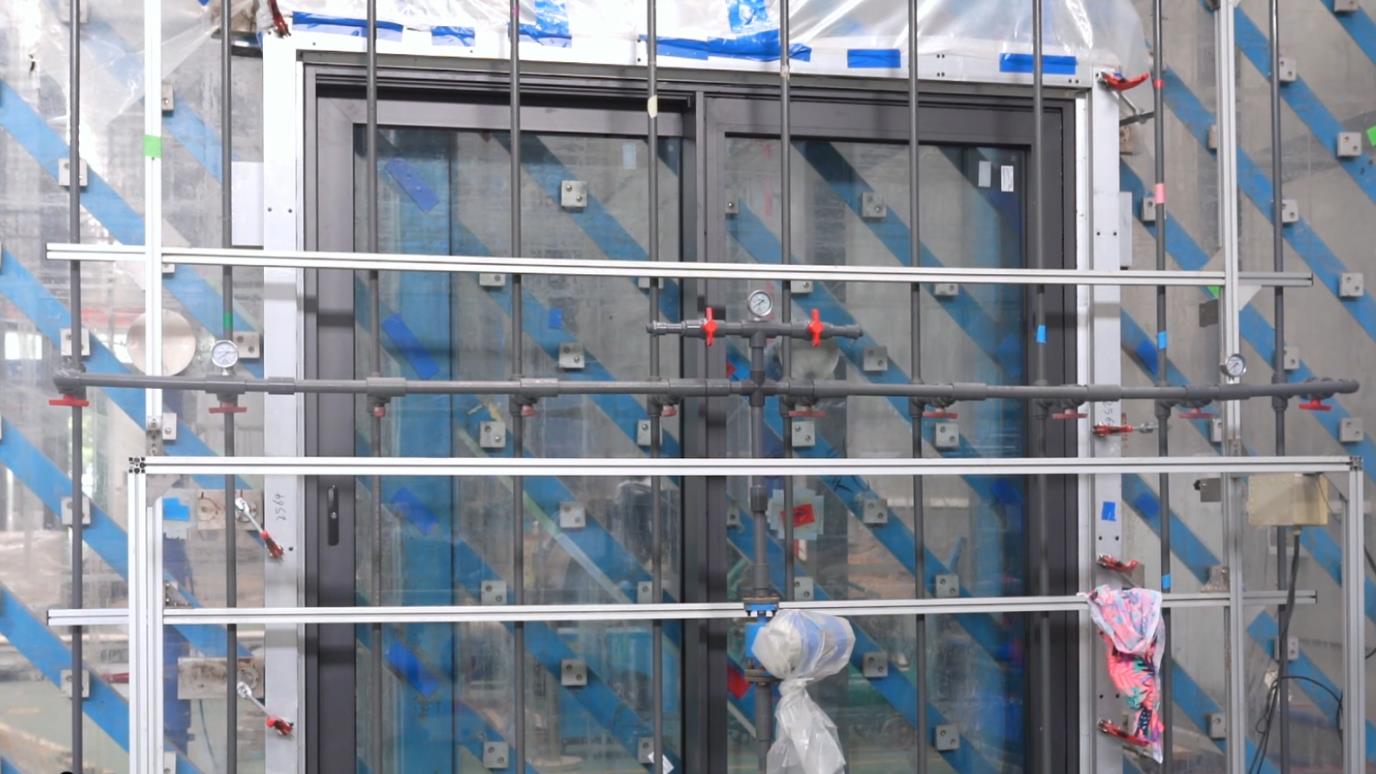
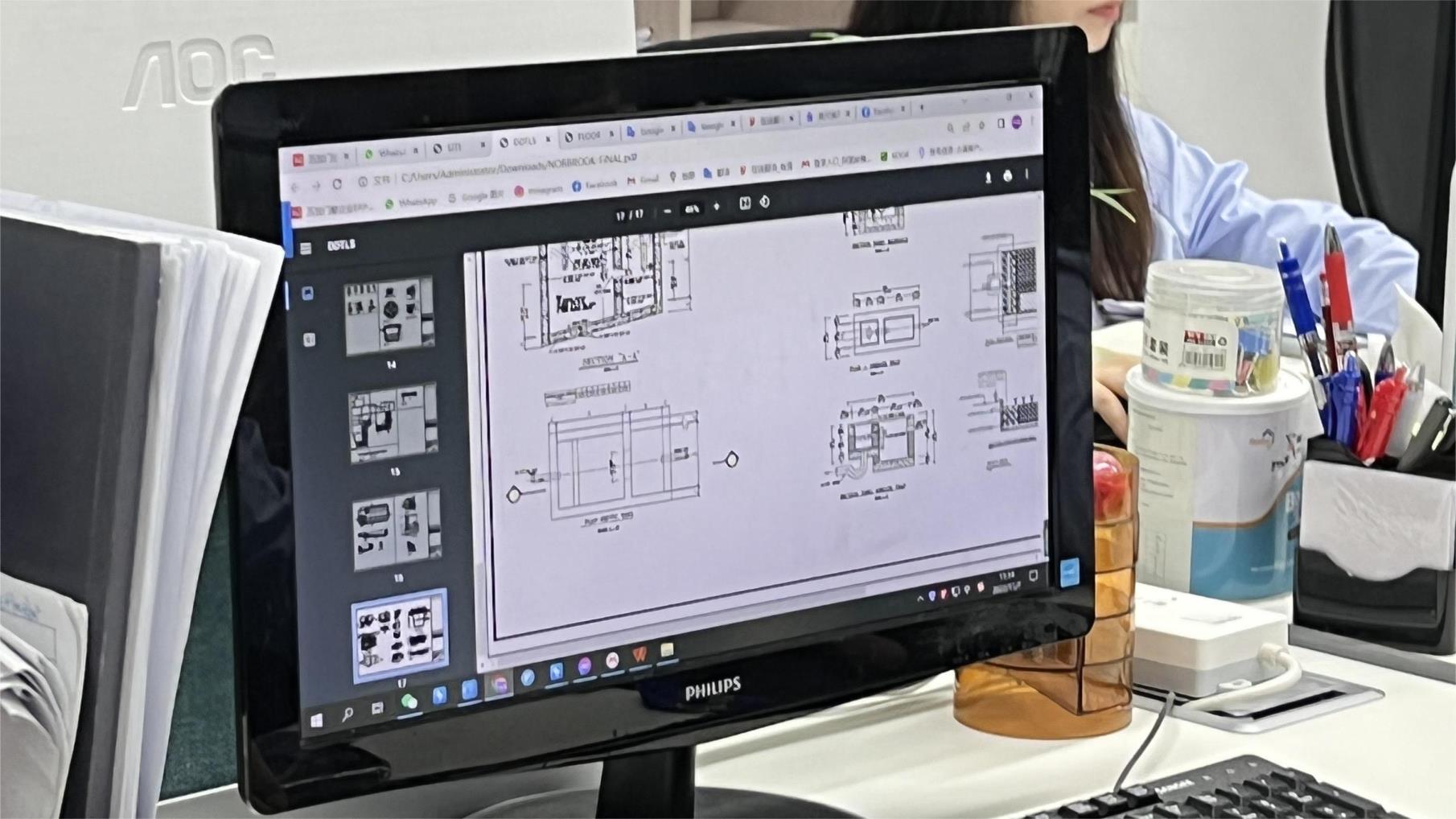
Our 24 R&D engineers released 40 new high-efficiency window and door product lines last year alone, focusing on CAD drawing development, thermal break profile cavity optimization, and hardware system pairing.
Seamless Compliance Across North America, Europe, Australia, and Middle East Markets
For US coastal and high-velocity hurricane zones (HVHZ), our products meet Miami-Dade NOA and Florida Building Code (FBC) criteria. Tested under TAS 201, 202, and 203, our windows withstand continuous large missile impact cycling without seal compromise. Thermal performance is verified via NFRC simulation software.
OptiDoors awning windows strictly conform to Australian Standard AS2047 and AS1288 glazing rules. Structural deflection, air infiltration, and water penetration tests are audited to ensure maximum suitability for Australian coastal modern residential and commercial high-rises.
Meeting EN 14351-1 CE standards, we offer versatile surface treatments including AkzoNobel powder coating (custom RAL color matching), anodized finishes (15-25 microns), and Fluorocarbon (PVDF) coatings designed to resist salt spray corrosion for over 30 years.
Pioneering the Next Generation of Intelligent Fenestration Systems
Our futuristic Euro awning window line integrates concealed electric chain actuators linked to building management systems (BMS). Embedded rain, wind, and air quality sensors automatically trigger sash closure during unexpected rainstorms or open windows for automated night-purge cooling, optimizing HVAC energy consumption.
In commitment to global ESG criteria, OptiDoors utilizes low-carbon recycled aluminum billets, reducing embodied carbon by 70%. Furthermore, our R&D division is prototyping Vacuum Insulated Glass (VIG) awning units that achieve center-of-glass U-factors as low as 0.60 W/m²K in a ultra-thin 10mm profile.
Addressing Key Buyer Enquiries, Engineering Specifications, and Logistics
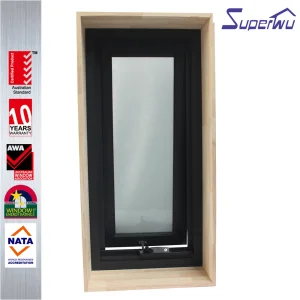
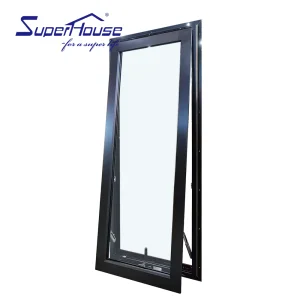
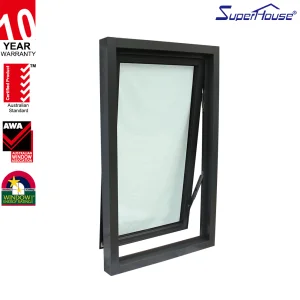
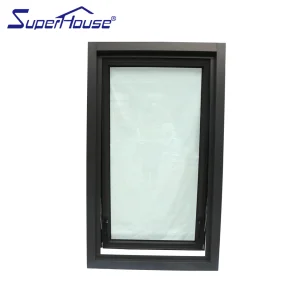
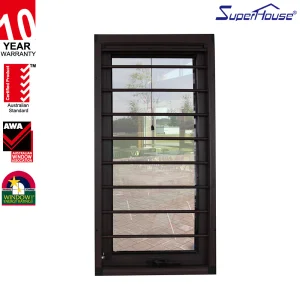
Explore Australia AS2047 Certified, Energy Star Rated, and Heavy-Duty Commercial Models
 OptiDoors