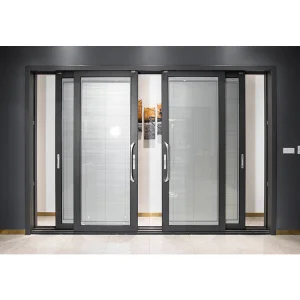
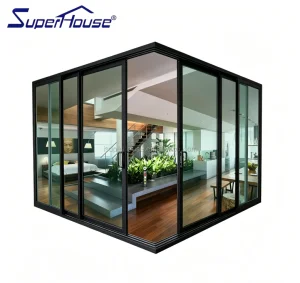
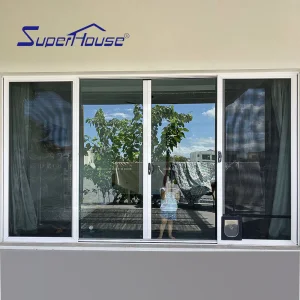
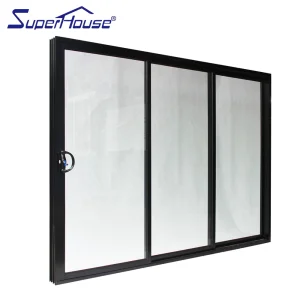
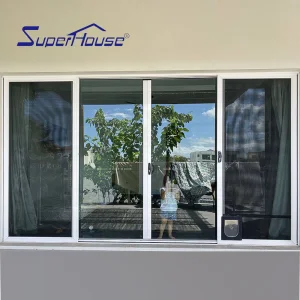
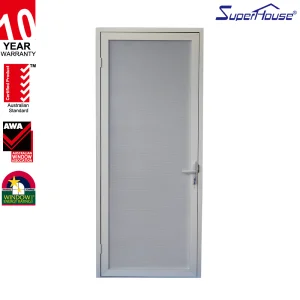
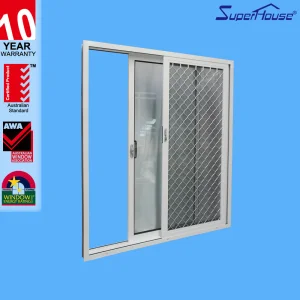
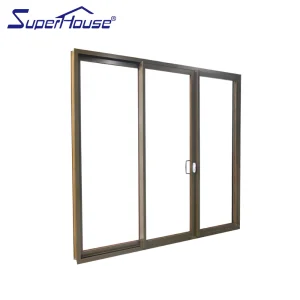
In contemporary commercial and high-end residential architecture, the boundary between interior living spaces and external environments is increasingly fluid. As leading aluminum doors stacker doors exporters, engineering teams are tasked with resolving a complex dual challenge: delivering massive, seamless panoramic glass spans while simultaneously satisfying stringent thermal envelope efficiency, dynamic acoustic isolation, and extreme structural wind-load compliance. Stacker doors—characterized by multi-track configurations where individual panels slide sequentially and stack neatly behind one another—have emerged as the definitive solution for large-scale structural openings.
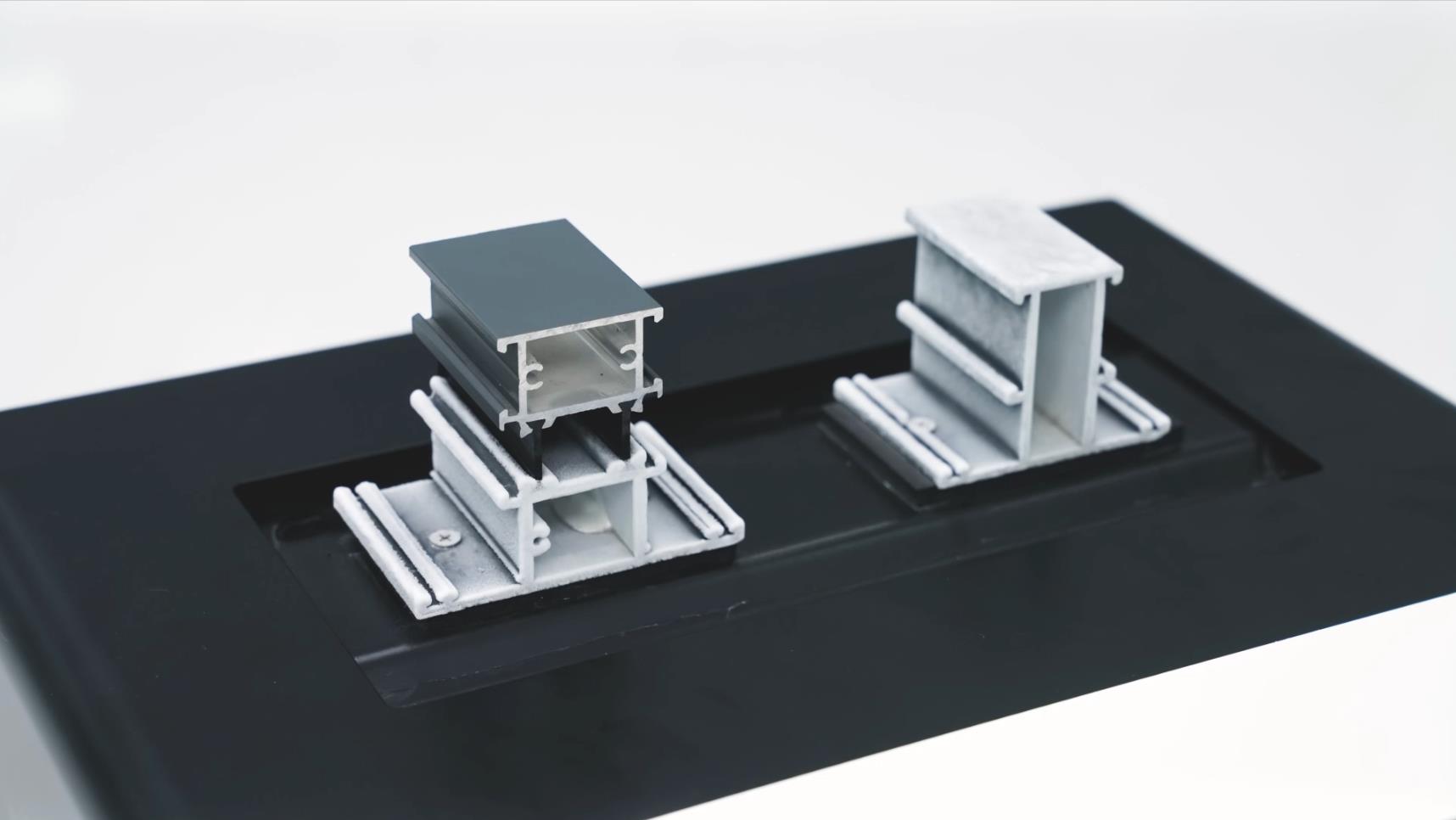
The structural performance of modern aluminum stacker doors relies on structural grade 6063-T5 and 6063-T6 aluminum extrusions, advanced polyamide thermal breaks (PA66-GF25), and multi-point concealed locking mechanisms. For commercial enterprise procurement, choosing an established exporter requires verifying operational integrity, raw material traceability, advanced factory automation, and documented compliance with international building codes such as California Title 24, CodeMark, and NFRC thermal performance matrices.
The global building envelope market is undergoing a structural transition toward high-performance fenestration systems. Exporters must continuously innovate across four core technical vectors to maintain competitive advantage in global B2B procurement networks:
Architects demand minimal sightlines without compromising wind-load capacity. Modern stacker profiles utilize internal steel or titanium-reinforced interlocks, reducing vertical sightlines down to 20mm while supporting individual sash weights exceeding 400 kg.
By integrating glass-fiber reinforced Polyamide (PA66-GF25) strips between inner and outer aluminum extrusions, thermal bridge conductance is neutralized. Combined with double or triple insulated glass units (IGUs) featuring Argon gas fills and Low-E coatings, U-factors drop below 1.2 W/m²K.
Rapid urbanization requires superior Sound Transmission Class (STC) ratings. Laminated glass configurations engineered with acoustic PVB interlayers deliver STC ratings above 42 dB, while meeting Florida Hurricane impact resistance standards (TAS 201/202/203).
| Performance Parameter | Standard Aluminum Stacker | Thermal Break Heavy-Duty Stacker | Ultra-Slim Hurricane-Rated Stacker |
|---|---|---|---|
| Thermal Transmittance (U-Factor) | 2.8 - 3.5 W/m²K | 1.2 - 1.8 W/m²K | 1.0 - 1.4 W/m²K |
| Acoustic Isolation (STC Rating) | 28 - 32 dB | 35 - 40 dB | 42 - 48 dB |
| Wind Pressure Resistance | 1.5 - 2.5 kPa | 3.0 - 4.5 kPa | 5.0 - 7.0+ kPa (HVHZ Approved) |
| Maximum Sash Weight | 150 kg / panel | 300 kg / panel | 450 kg / panel |
| Water Tightness Rating | 300 Pa | 600 Pa | 900 Pa |
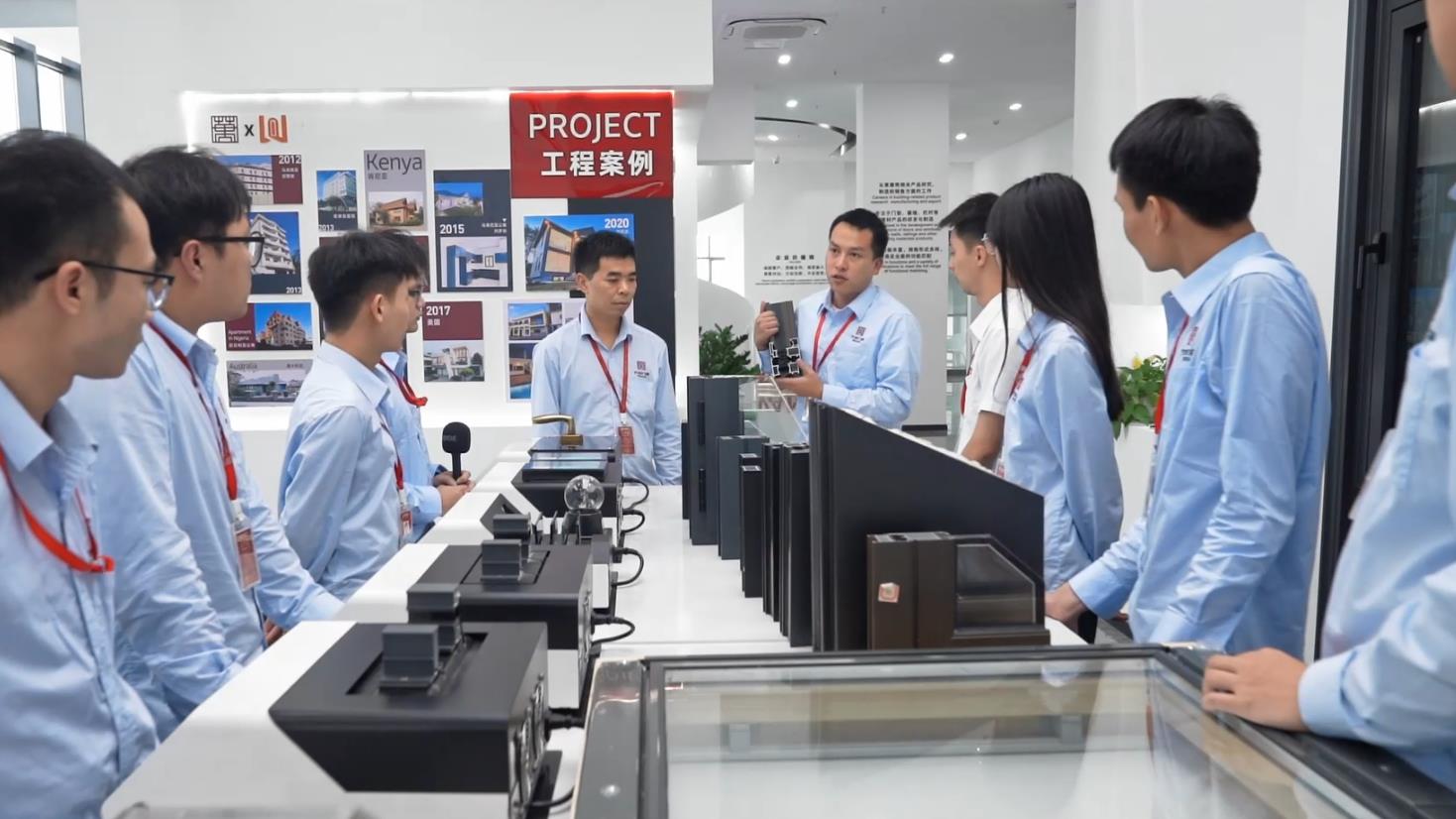
Founded in 2018, Shandong OptiDoors Technology Co., Ltd. occupies a modern manufacturing complex of 8,200 m². Backed by 8 years of specialized door industry experience and 4 years of expanding global trade, the company yields an annual export revenue of USD 6,800,000.
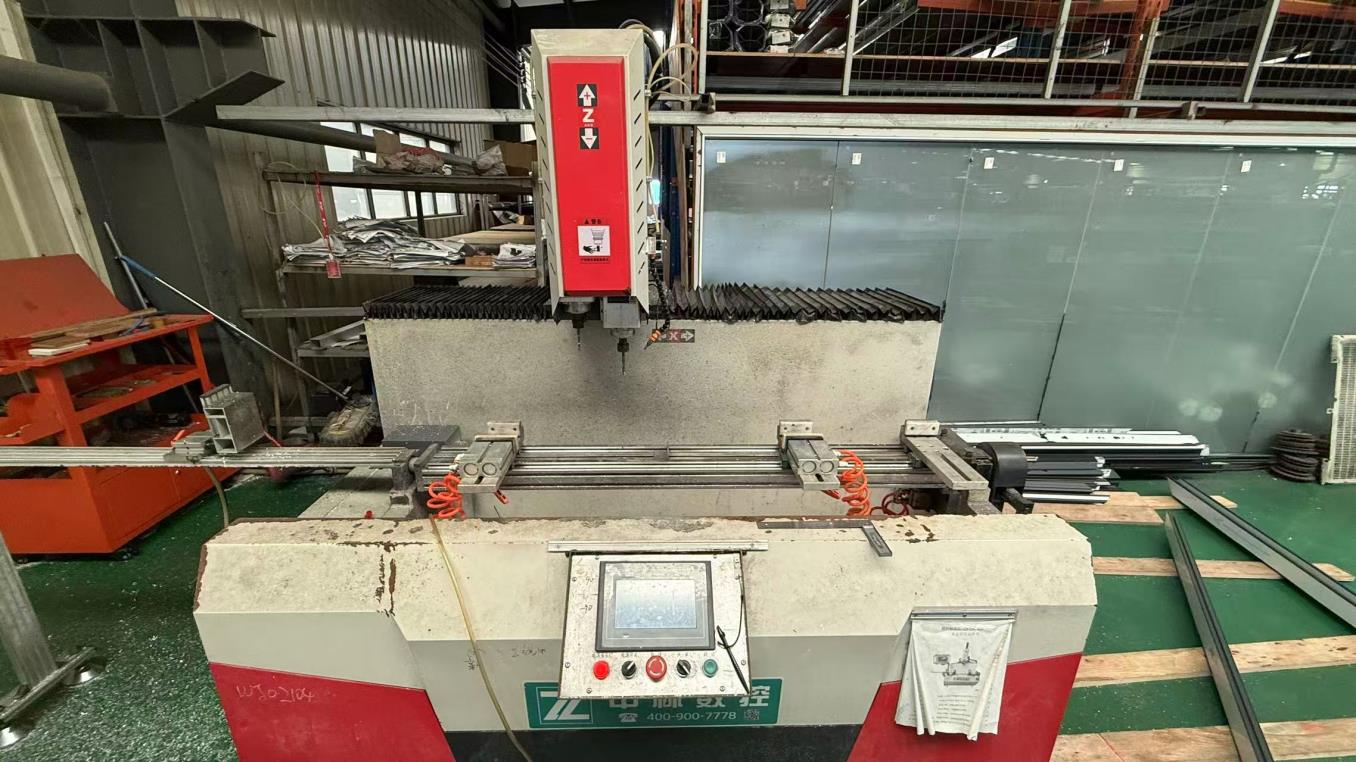
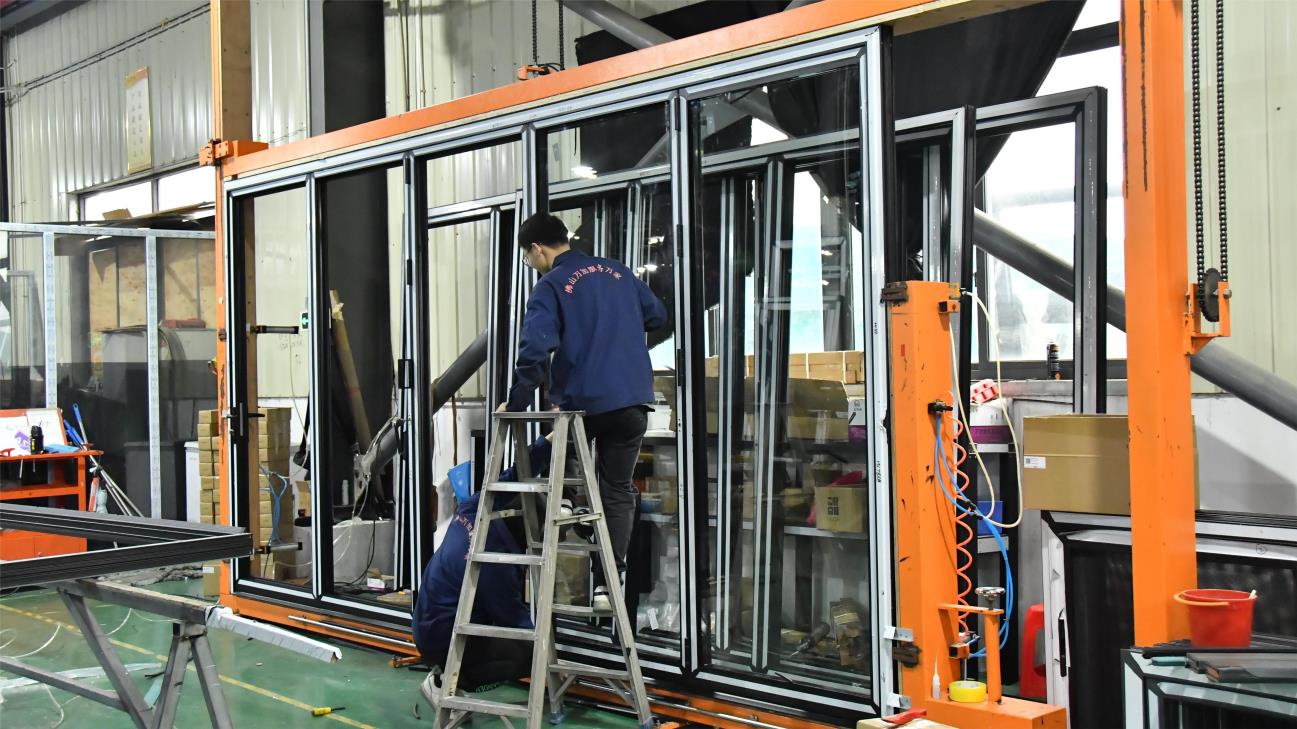
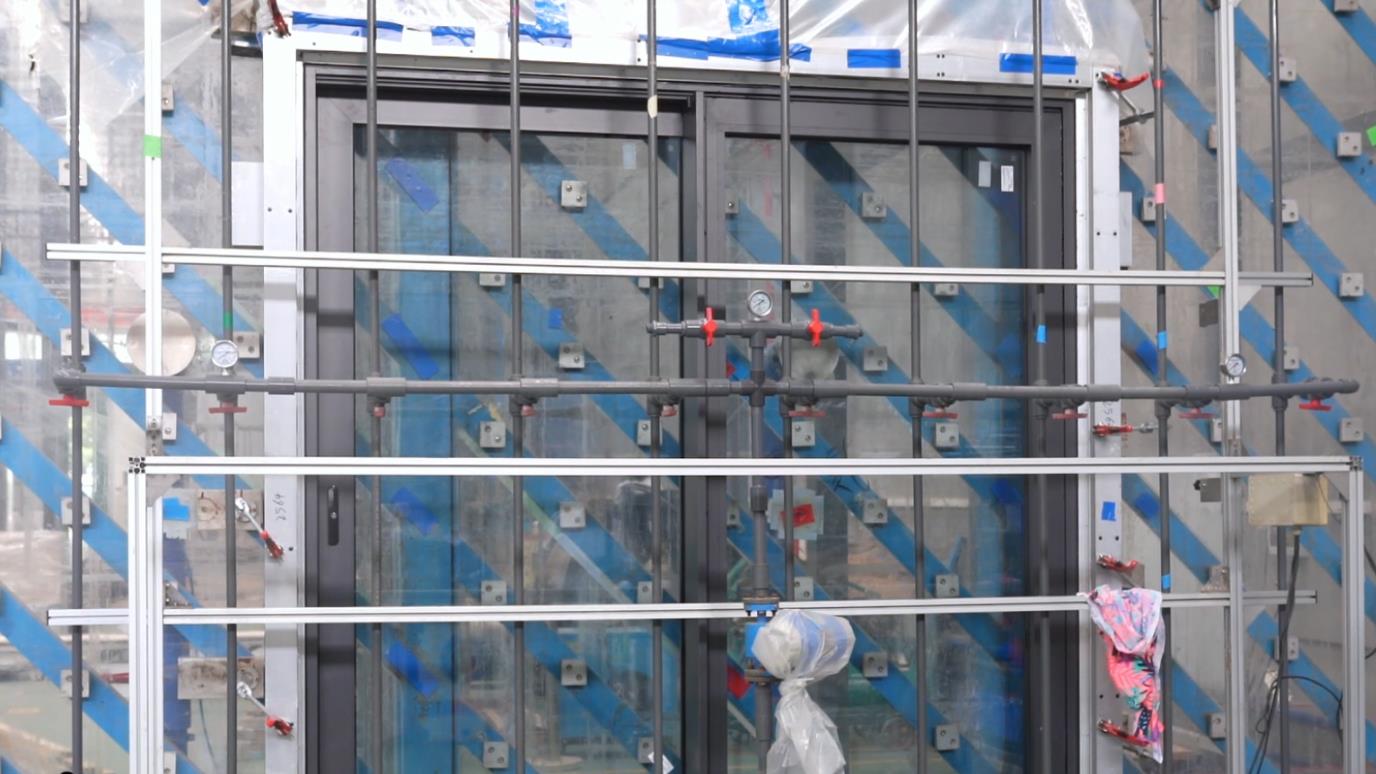
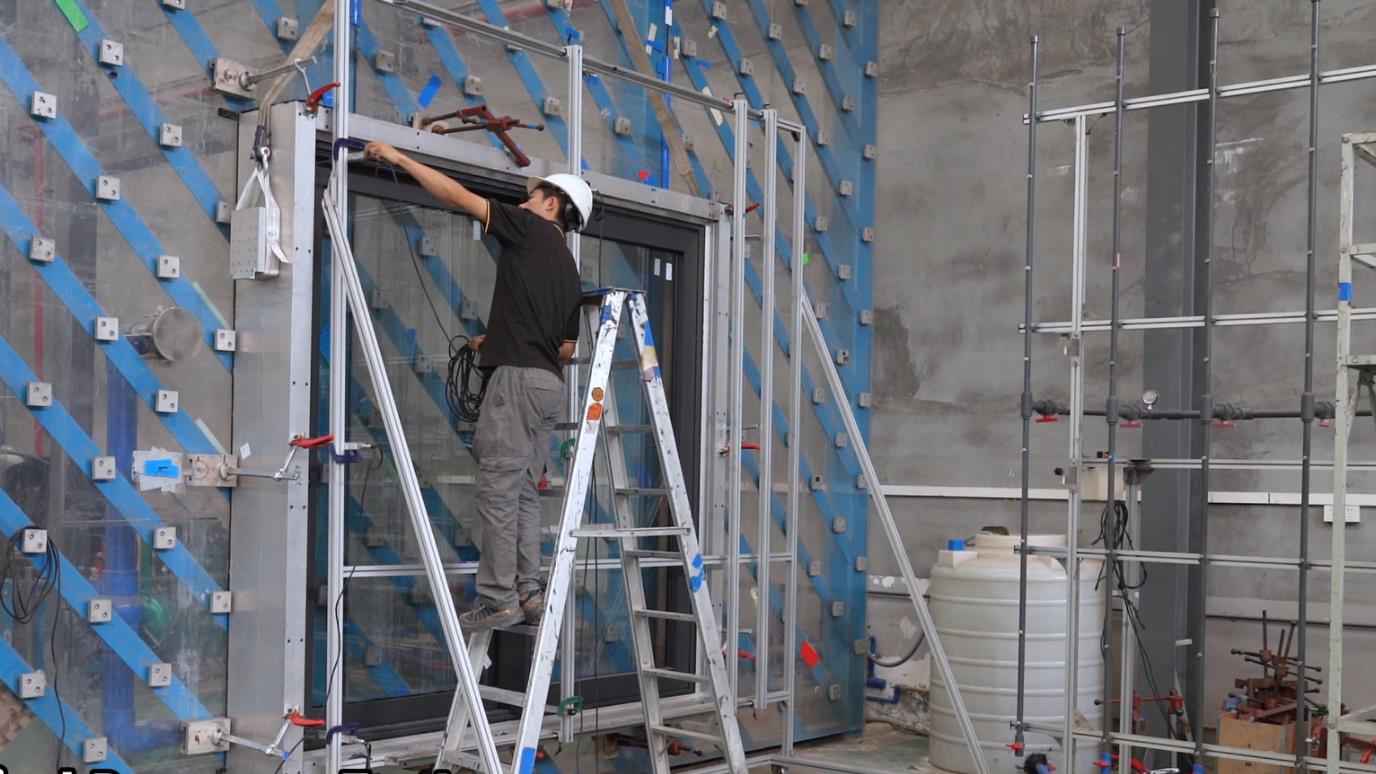
To ensure flawless product execution, we strictly follow ISO9001 quality management procedures along with rigorous salt-spray, wind-load, and impact testing methods. Our QC department employs 16 dedicated QA officers who monitor every stage from raw material arrival to final packaging. Our primary markets cover Western Europe, the Middle East, and Central Asia, supported by an established network of 380 supply chain partners and a versatile international trade background.
Our primary client base includes regional door wholesalers, custom home builders, and e-commerce importers. With agile product development capabilities, our engineering team of 24 R&D experts successfully released 40 new entry door lines last year. We offer versatile customization options, including modern minimal designs, thermal break structures, custom RAL color matching, and multi-point locking systems.
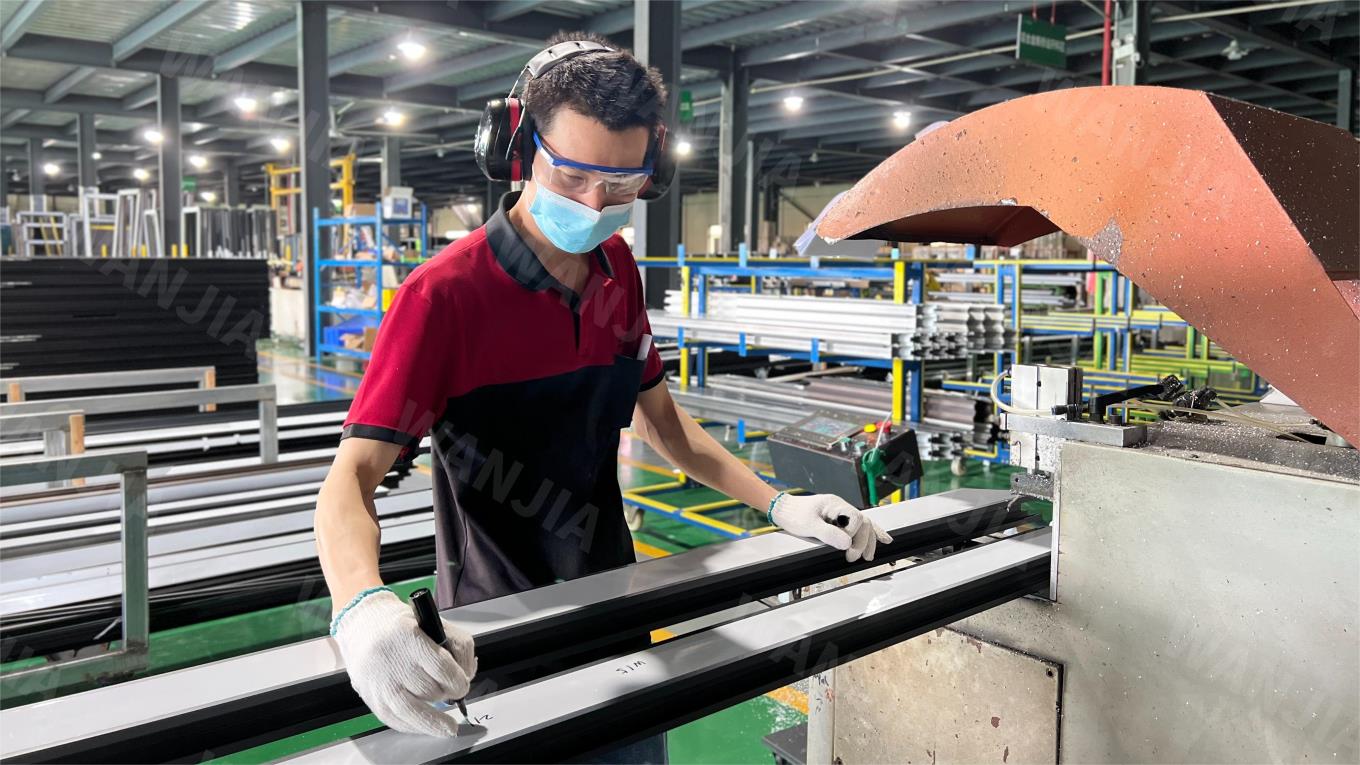
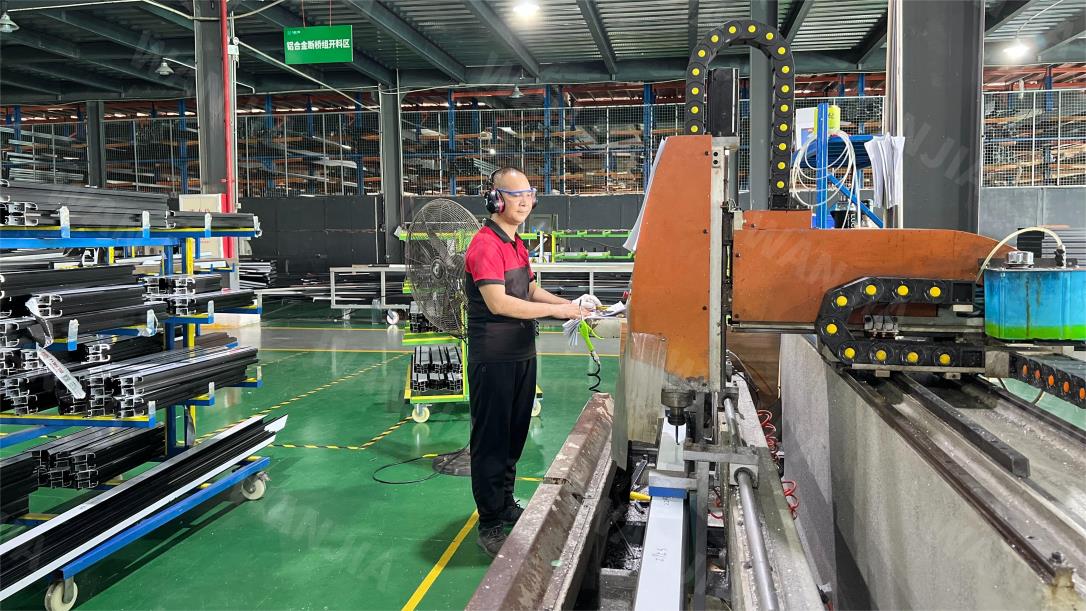
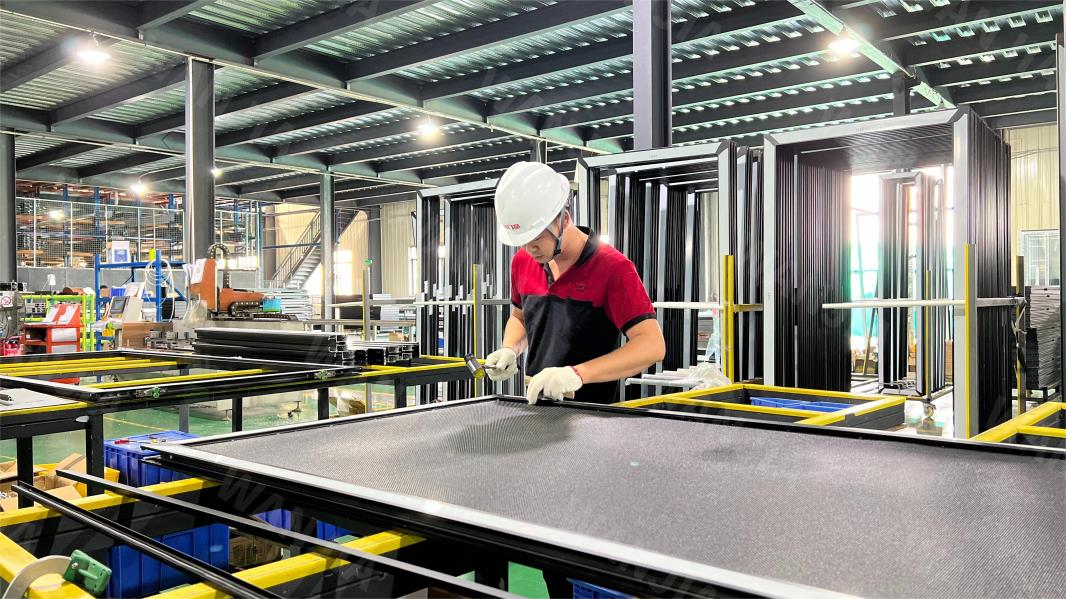
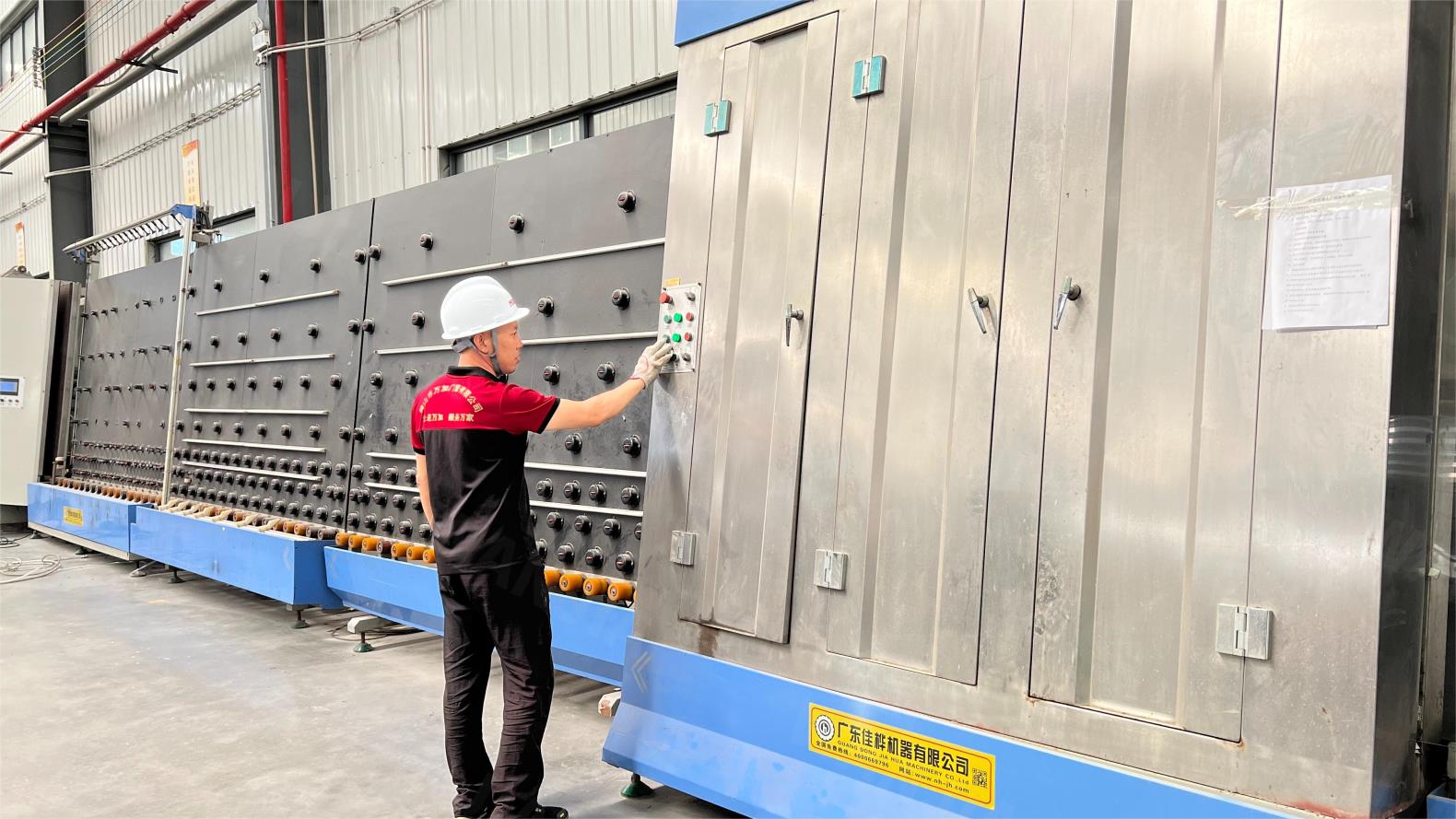
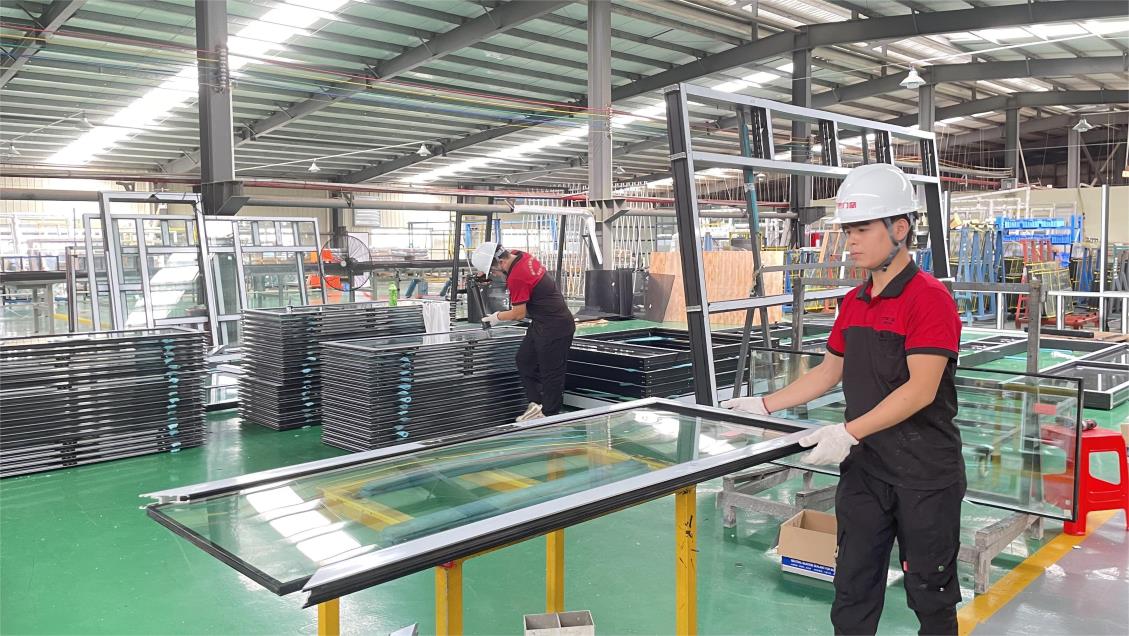
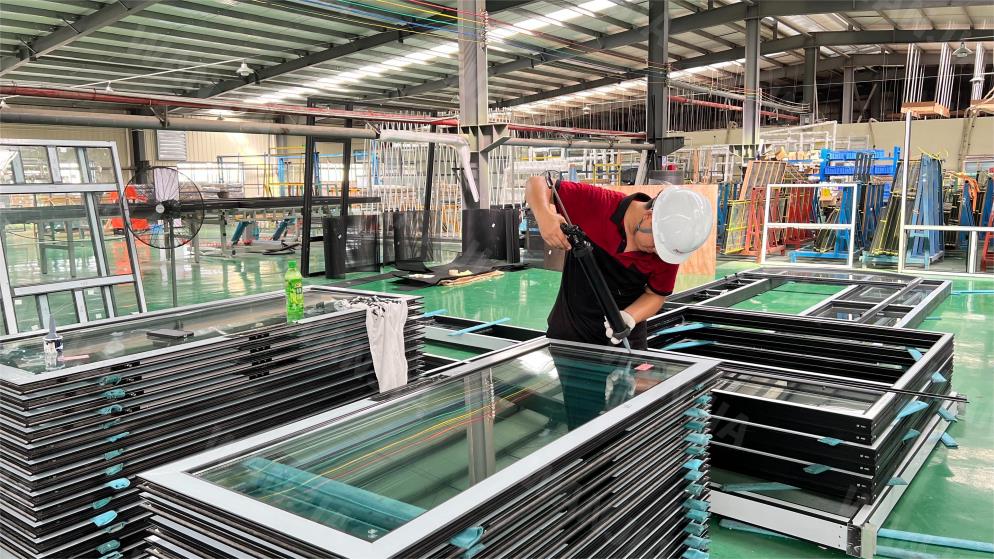
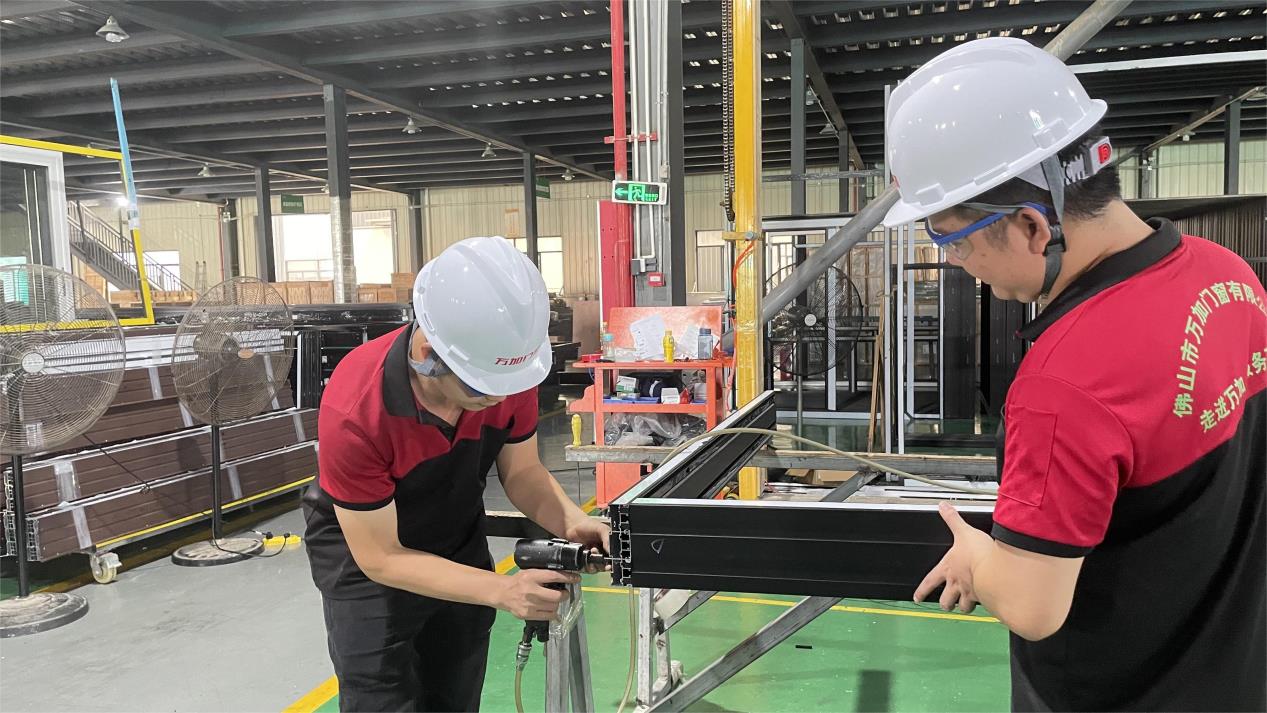
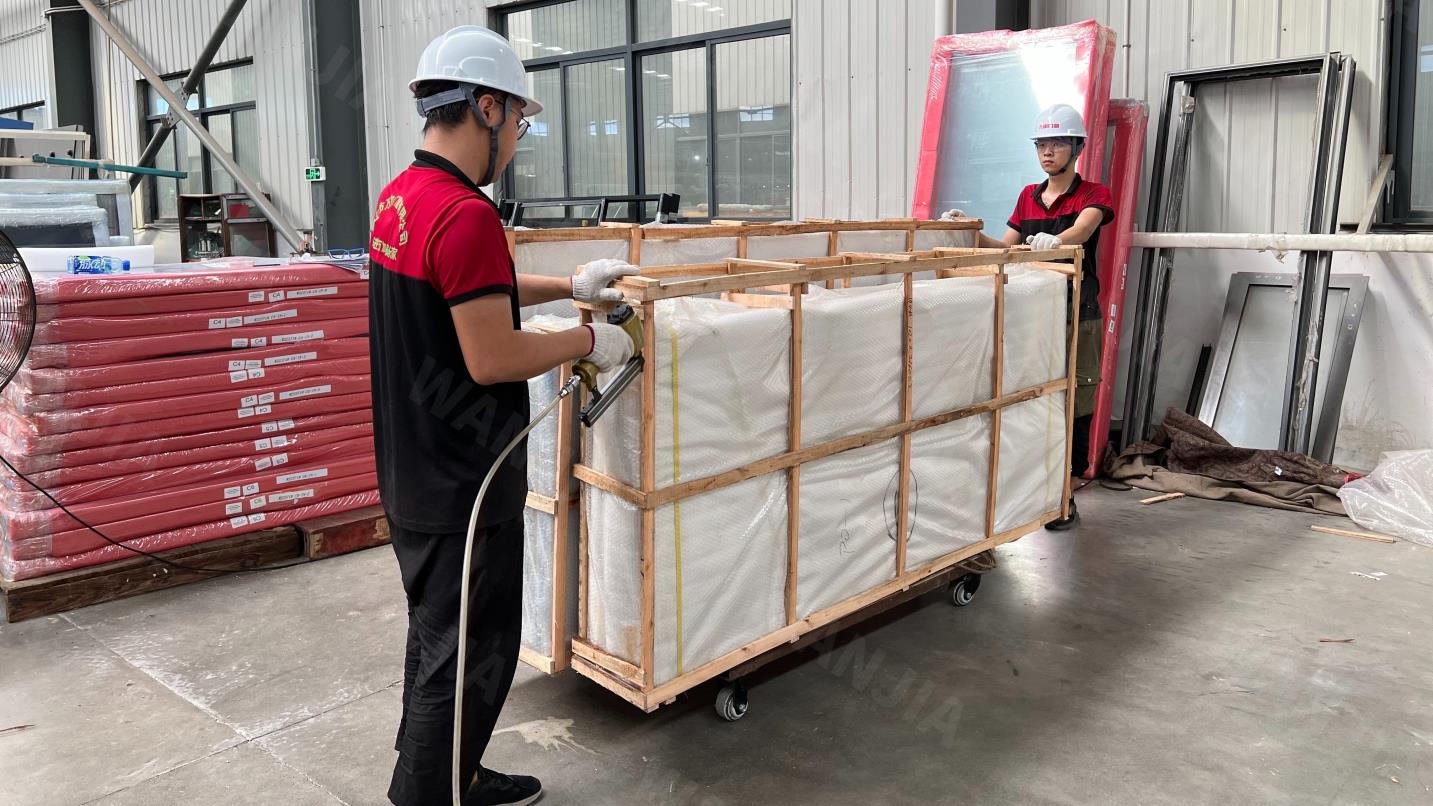
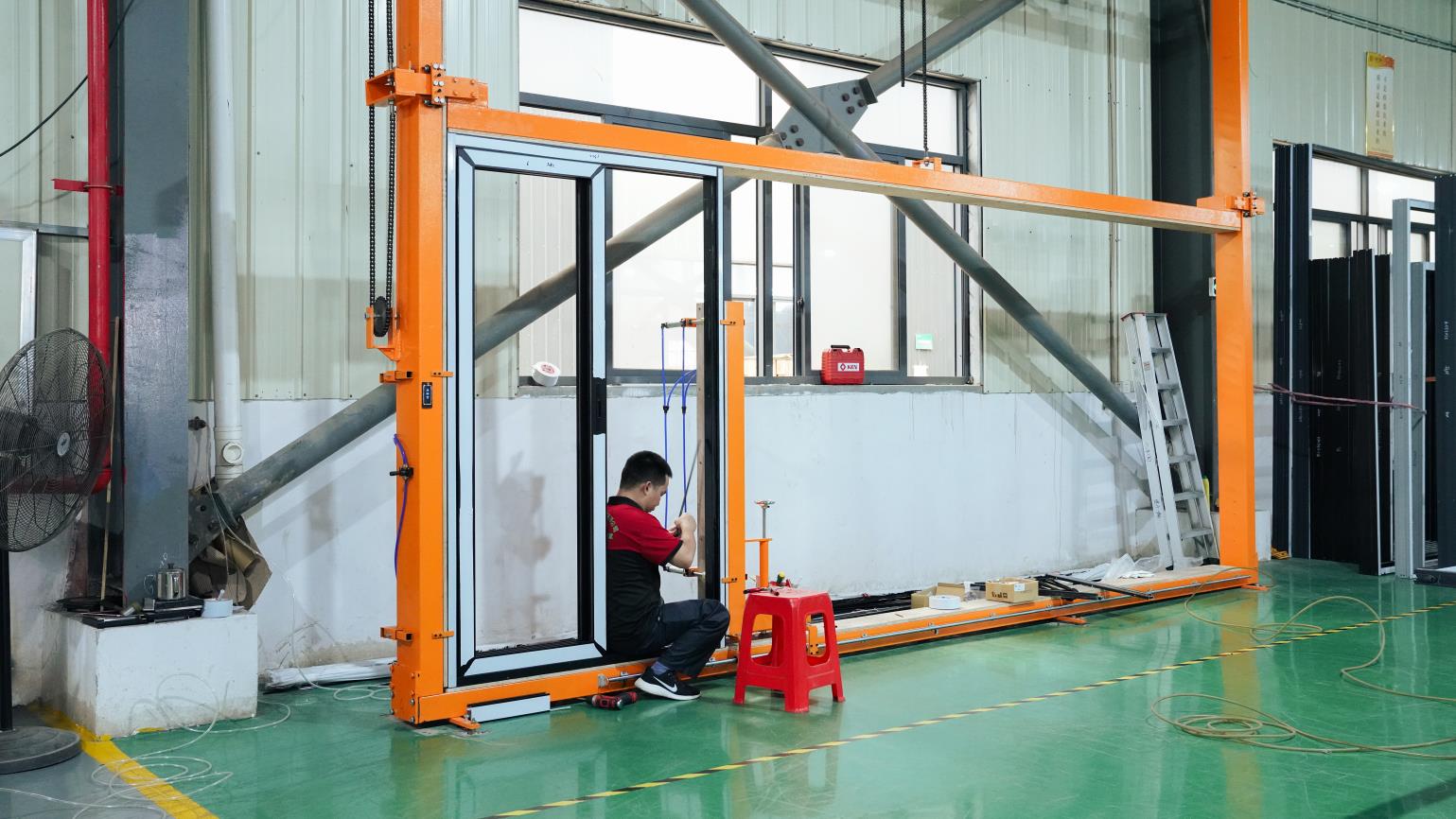
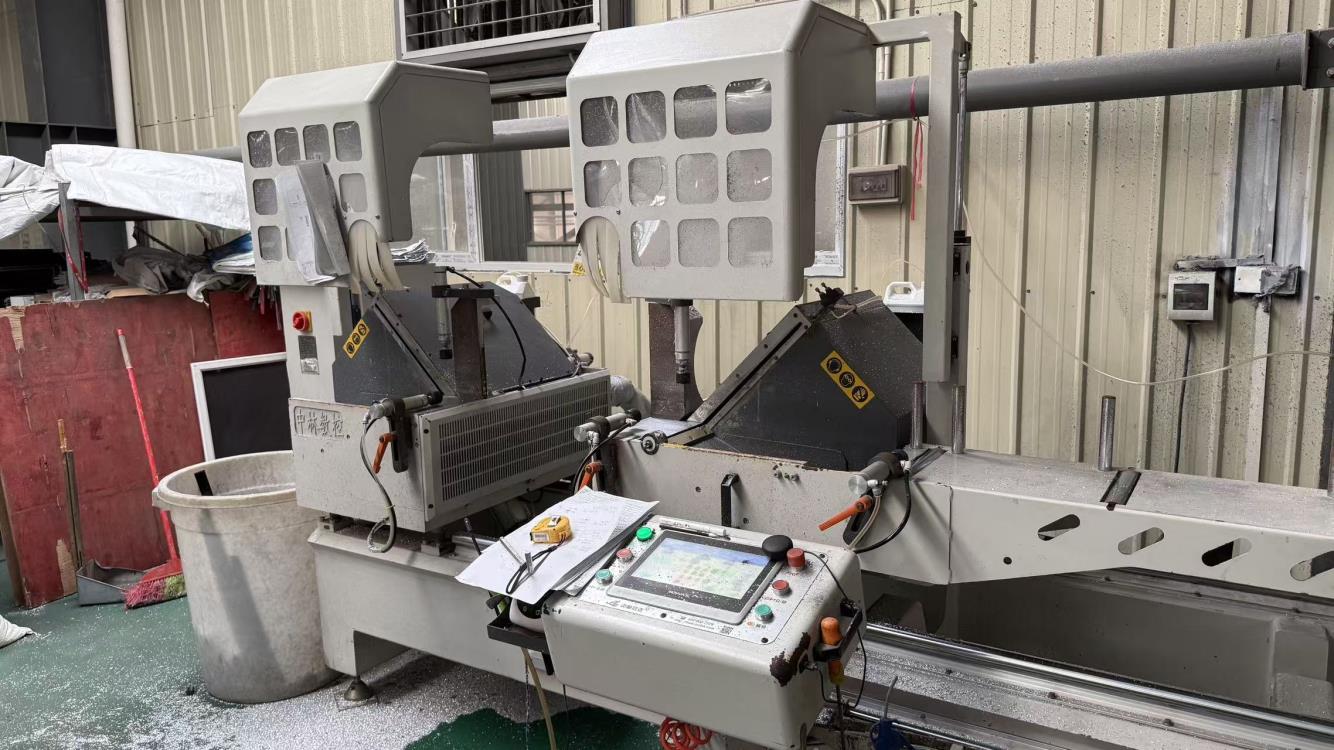
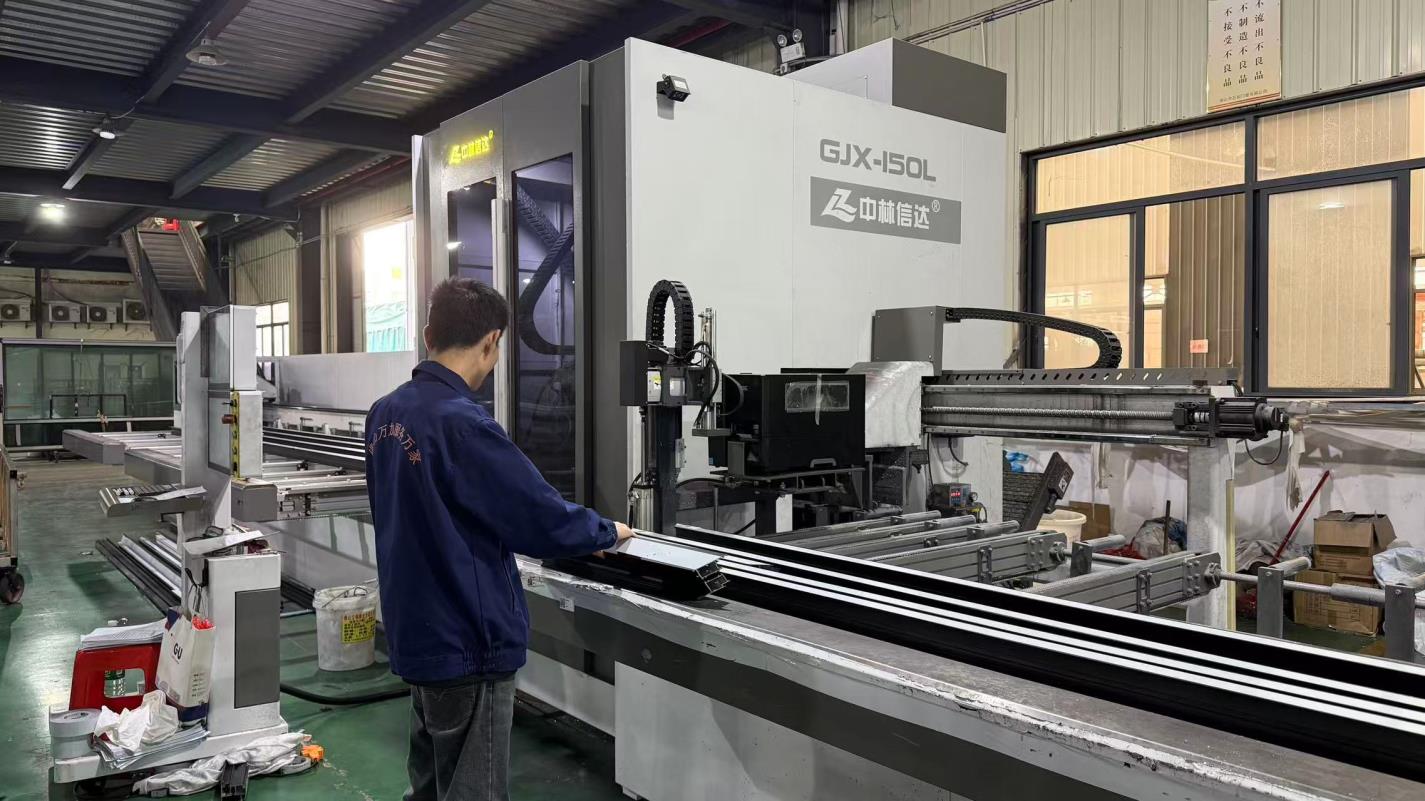
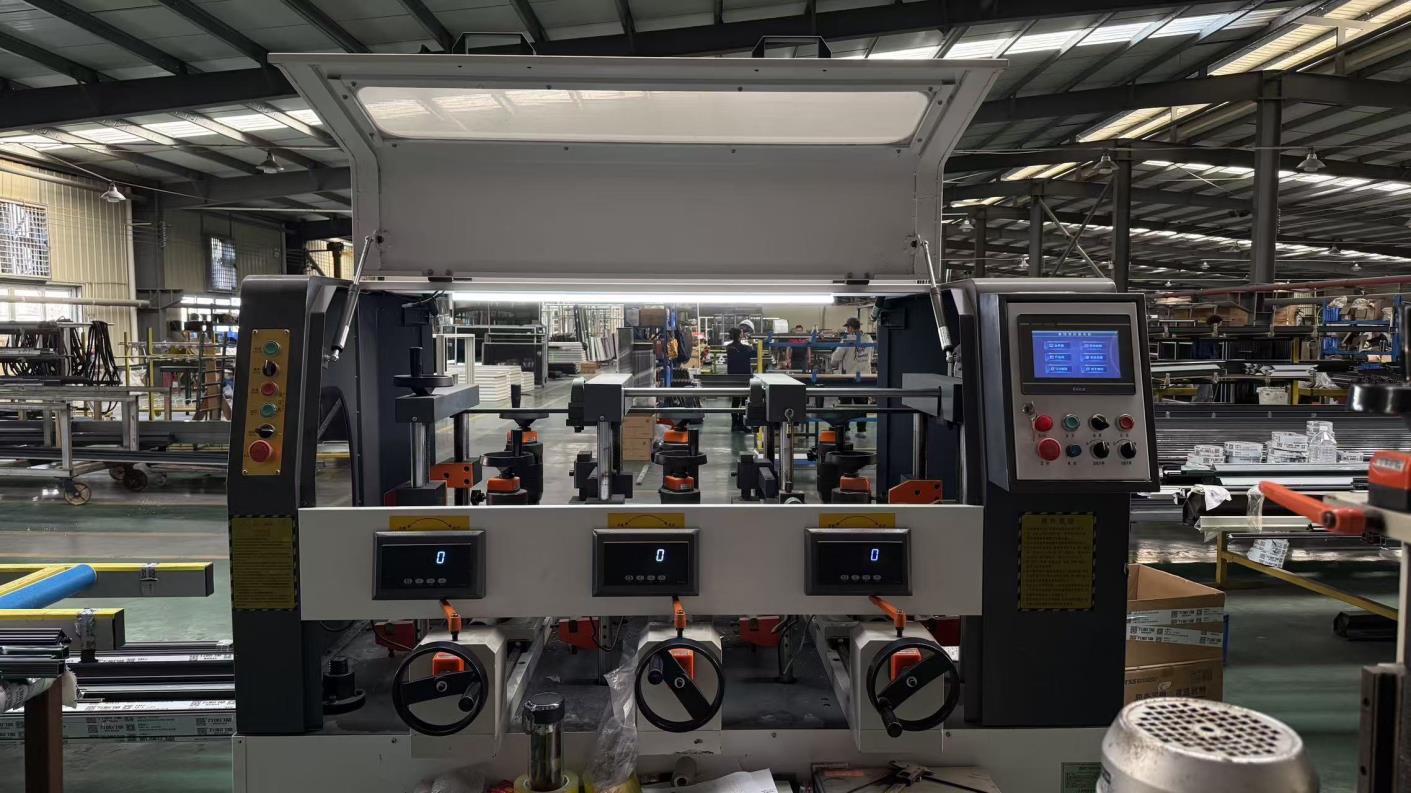
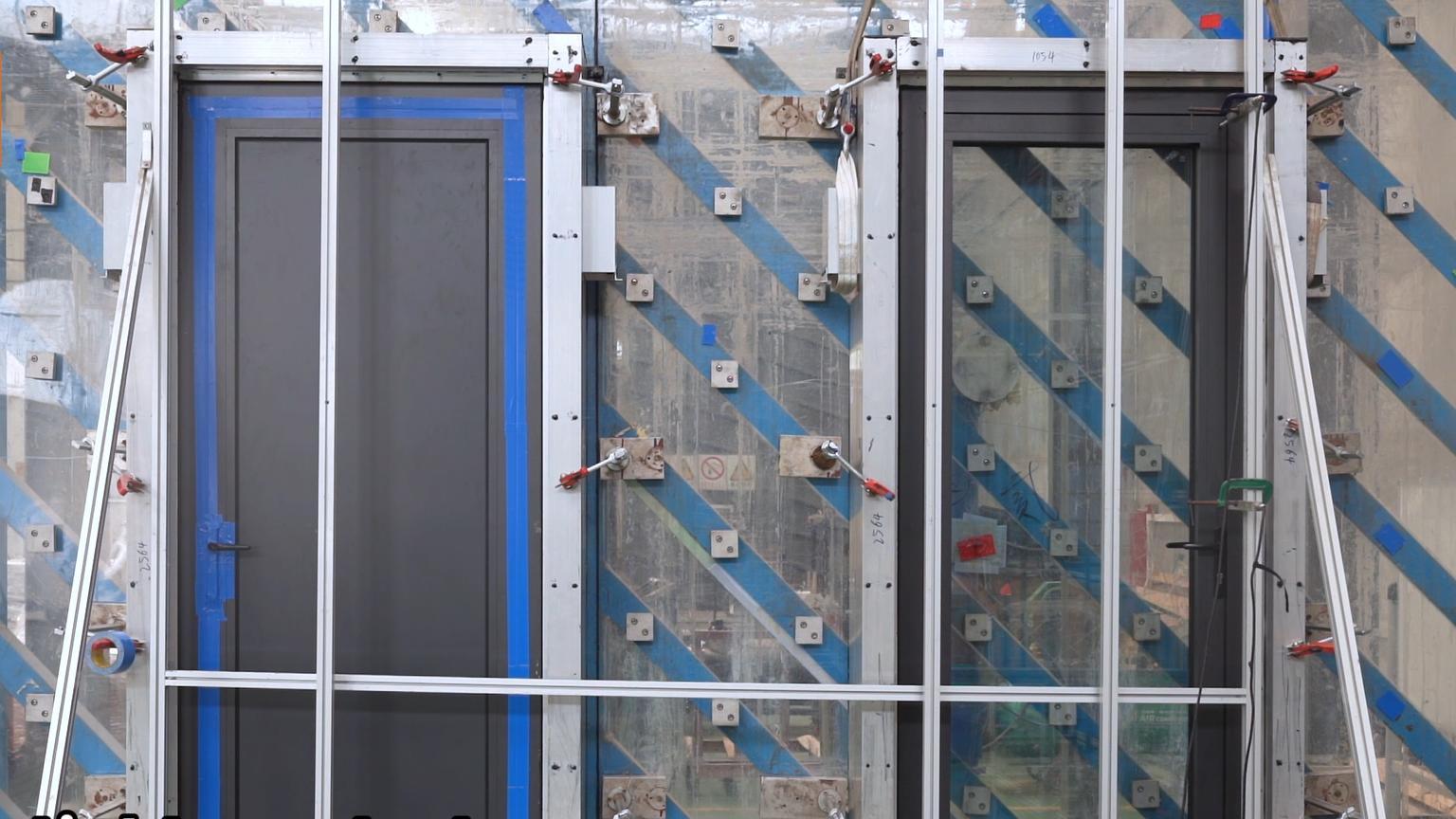
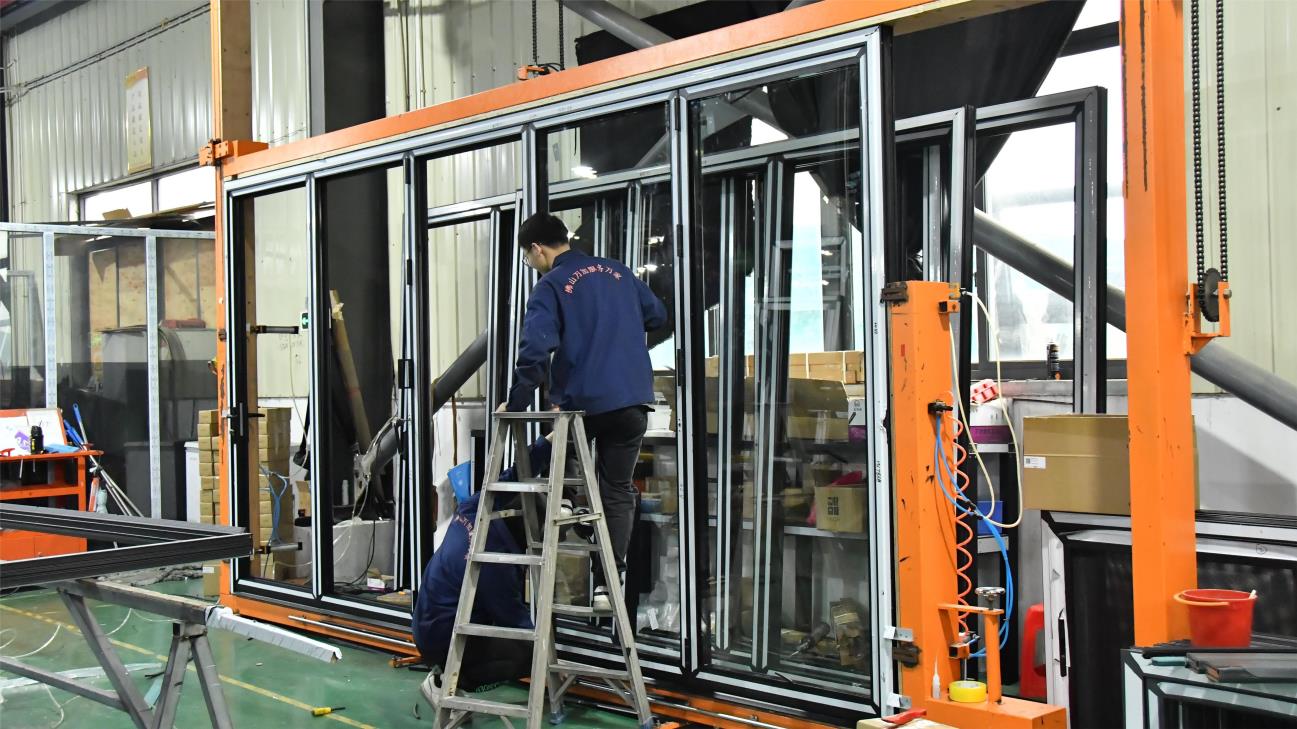
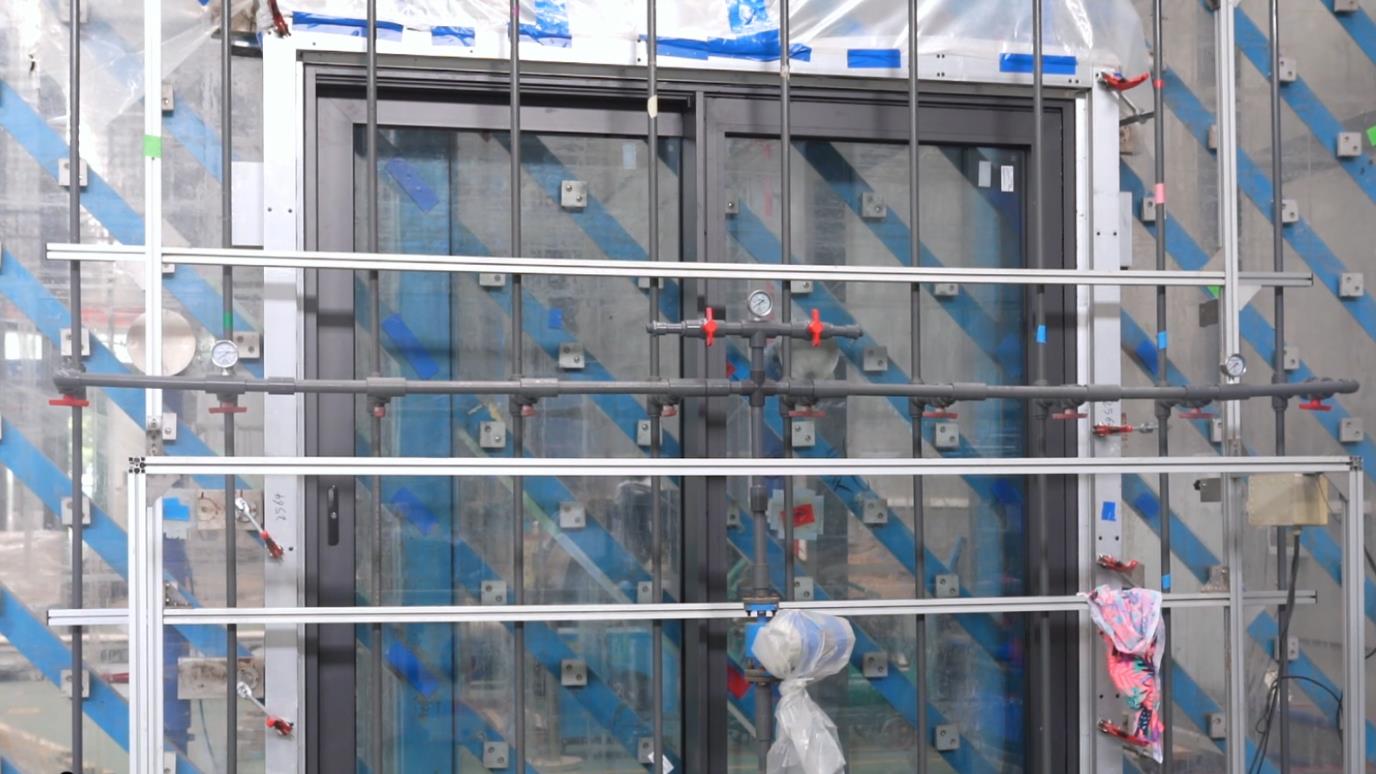
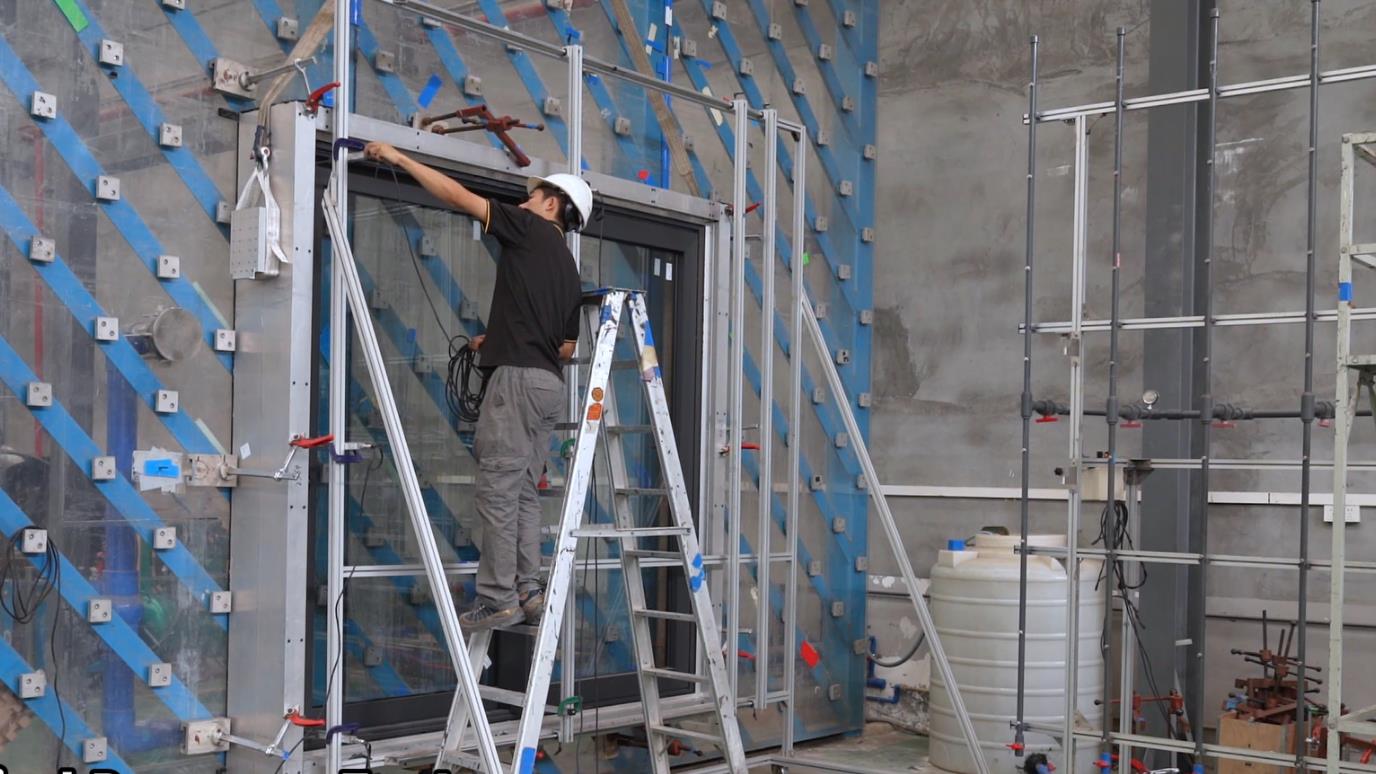
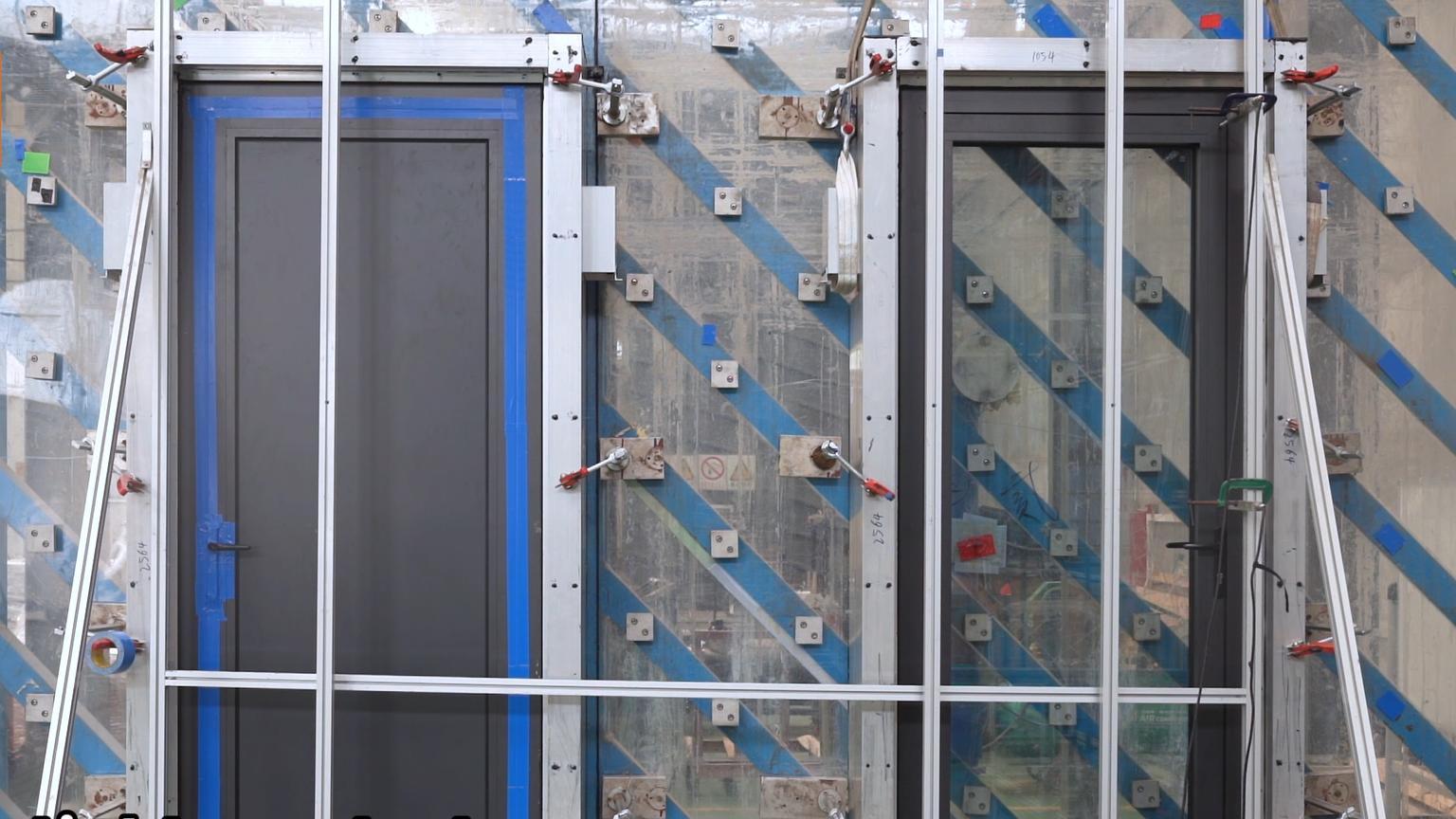
To safeguard structural safety, water imperviousness, and longevity across hostile environmental zones—including coastal hurricane areas and sub-zero climates—every door assembly undergoes standardized testing protocol verification prior to export container loading.
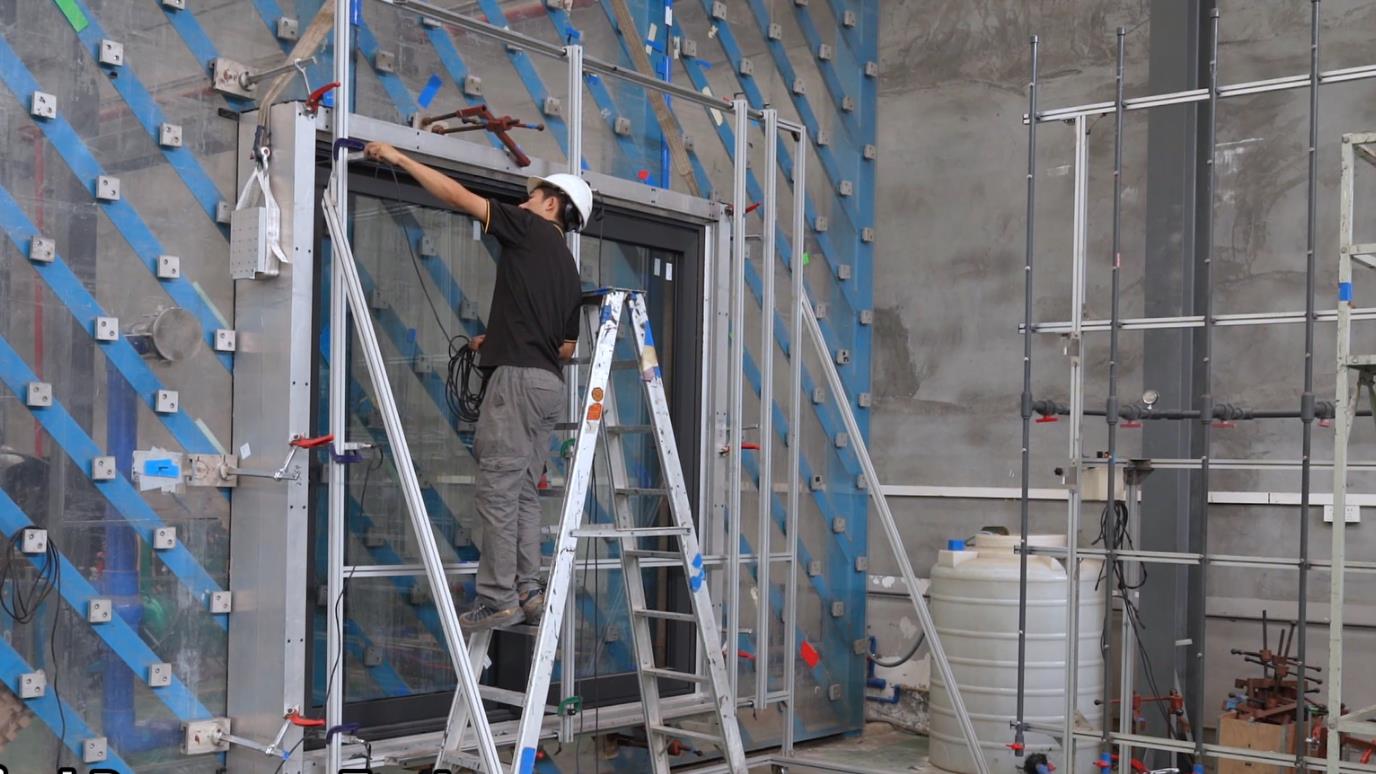
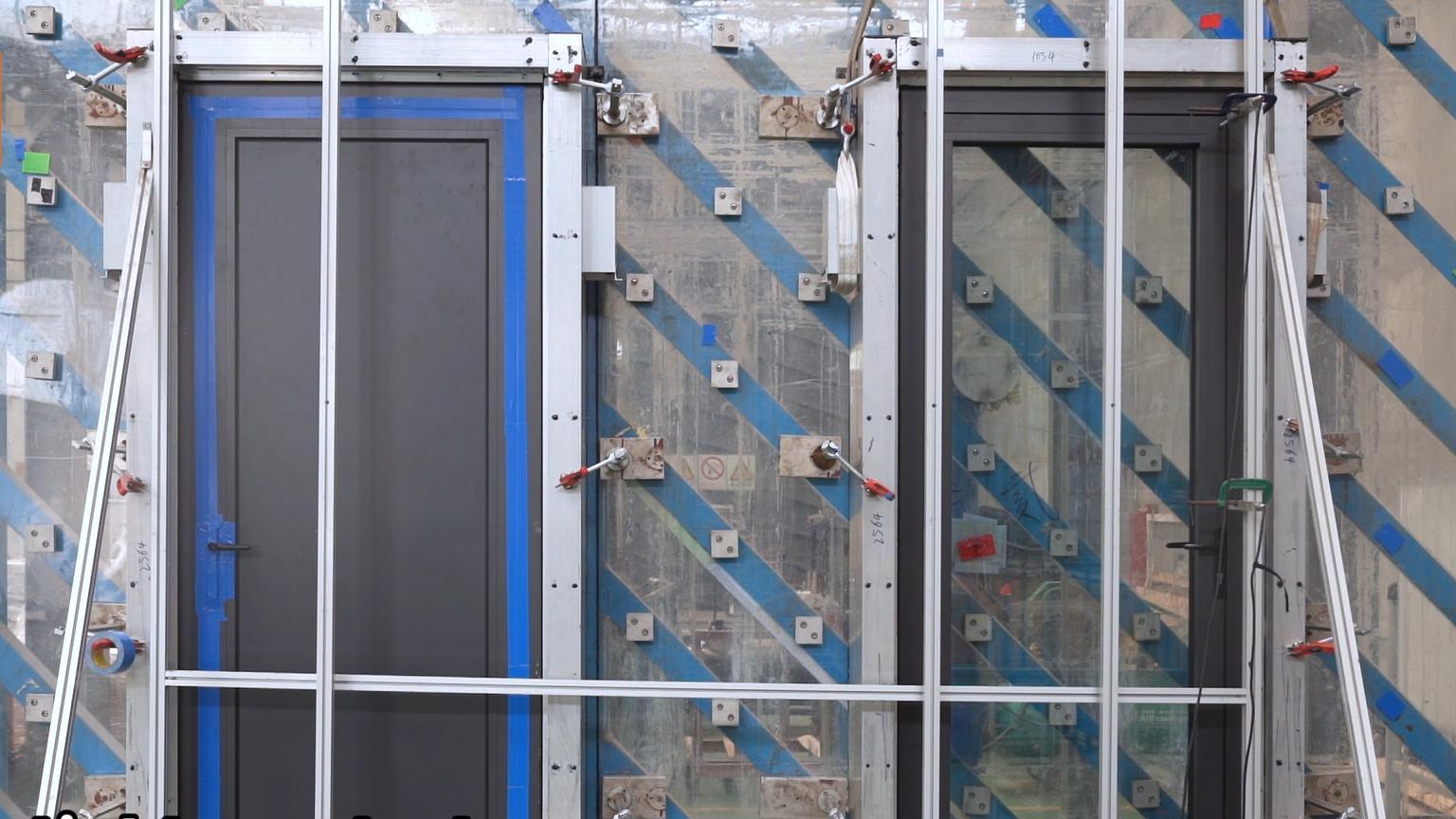
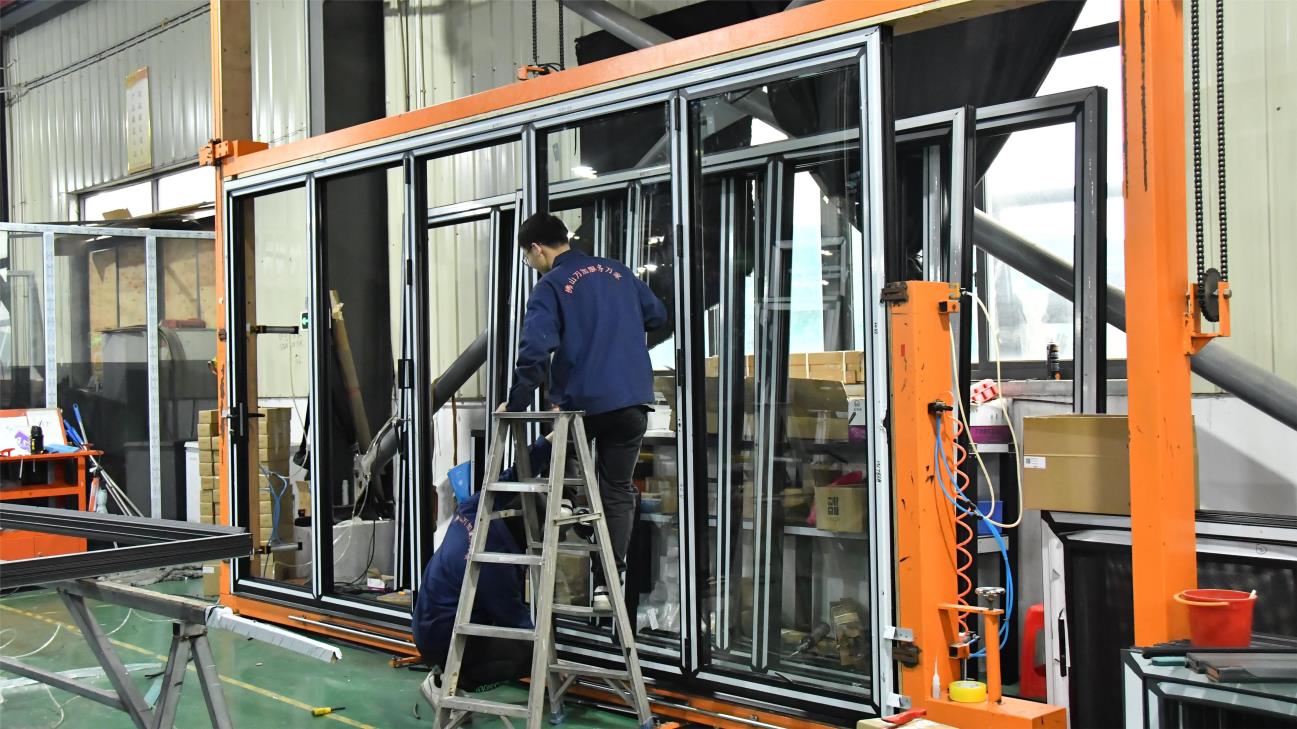
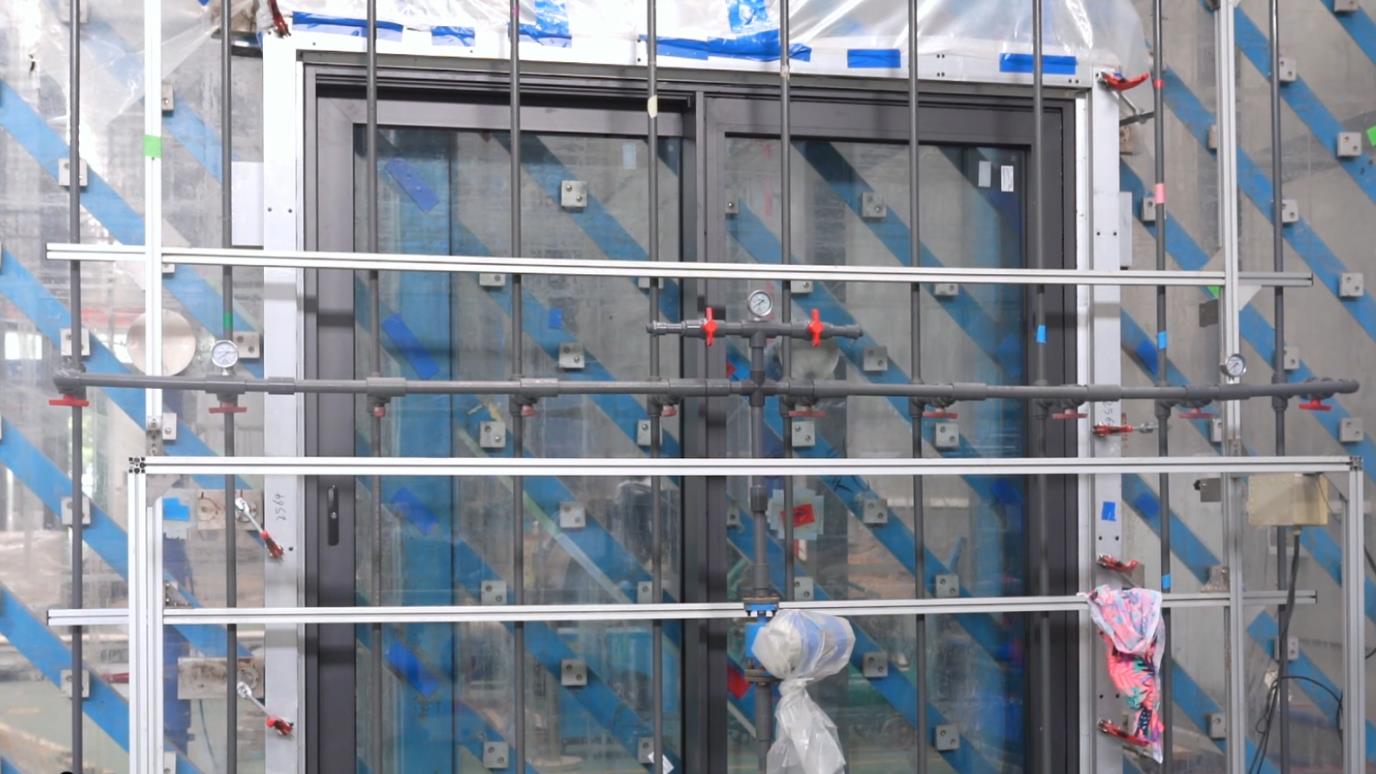
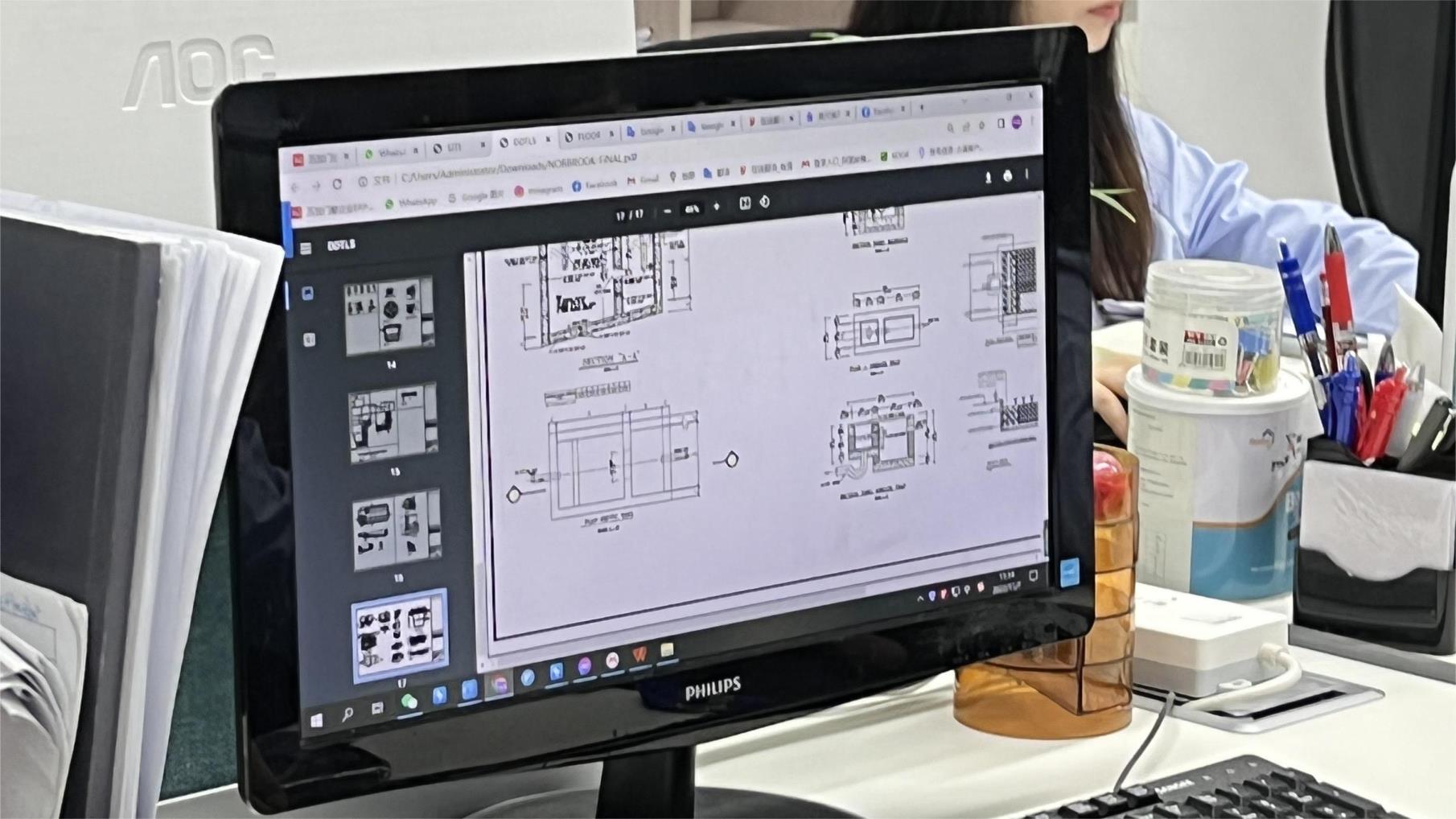
Our 24-person engineering design unit utilizes advanced 3D CAD modeling and finite element analysis (FEA) to calculate stress distribution across aluminum extrusions during extreme wind events.
When sourcing aluminum stacker doors in bulk, real estate developers, commercial contractors, and regional wholesalers must evaluate suppliers across four core enterprise risk factors:
Verify that the manufacturer offers flexible extrusion alloy selections (6063-T5/T6), powder coating colors (AkzoNobel or PPG certified), anodized coatings (Class I & II), and fluorocarbon (PVDF) finishes resistant to salt spray oxidation.
Stacker doors depend heavily on roller assembly precision and multi-point lock security. Quality exporters incorporate heavy-duty stainless steel (SUS304/316) tandem rollers with sealed needle bearings tested to 100,000+ operational cycles.
Sea freight transit risks demand reinforced packaging. Ensure supplier packaging protocol utilizes protective blue film wrap, corner protectors, shock-absorbing EPE foam layers, and fully enclosed IPPC-stamped fumigated wooden crates.
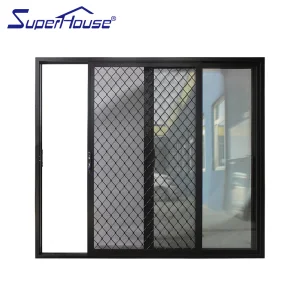
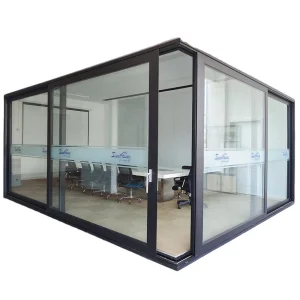
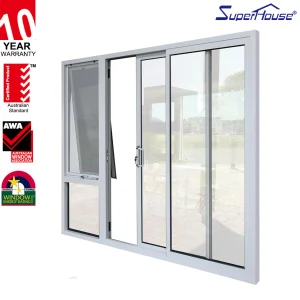
A standard sliding door typically consists of two panels (one fixed, one sliding on a single track). A stacker door utilizes multi-track configurations (3-track or 4-track systems) where multiple panels slide sequentially behind a single stationary panel. This allows stacker doors to open up to 75% of the total wall opening compared to only 50% for standard two-panel sliders.
Our Florida Hurricane rated stacker doors feature reinforced 6063-T6 architectural alloy frames, heavy-gauge interlocking mullions, laminated blast-resistant safety glass, and multi-point hardware locks. They are engineered and tested to withstand wind loading pressures exceeding 5.0 kPa (TAS 201, 202, and 203 standards).
The National Fenestration Rating Council (NFRC) provides independently verified ratings for U-factor, Solar Heat Gain Coefficient (SHGC), and Visible Transmittance (VT). NFRC certification guarantees that exported door assemblies meet strict municipal energy codes, such as California Title 24, allowing builders to pass building inspections seamlessly.
We offer double and triple insulated glass units (IGUs) with double-tempered or laminated safety glass. Options include Argon gas filling, Low-E low-emissivity coatings, tinting (reflective/bronze/gray), warm-edge spacers, and integrated security wire mesh screens for pest control and added security.
Standard production lead time ranges from 25 to 35 business days following CAD drawing approval and raw material allocation. For custom extrusion dies or unique powder coating requirements, initial tooling adds approximately 10 to 14 days.
 OptiDoors