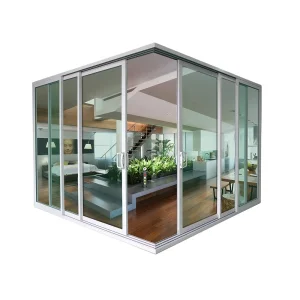
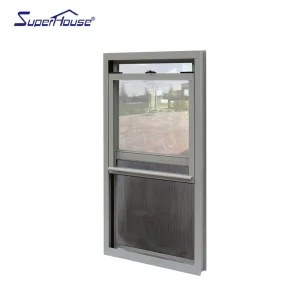
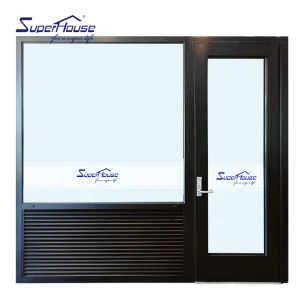
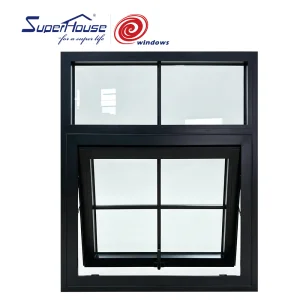
Explore our certified commercial-grade structural window walls, impact sliding systems, and thermally insulated architectural facades.
Navigating modern structural engineering, high-rise envelope integrity, and stringent decarbonization mandates in international architecture.
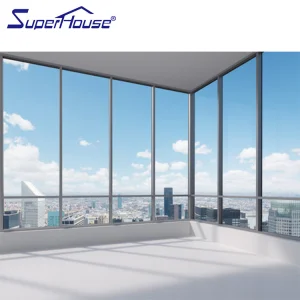
Contemporary skyscraper architecture relies heavily on custom aluminum curtain wall systems designed to withstand seismic vibrations, extreme wind pressure (exceeding 96 PSF in coastal storm zones), and thermal expansion. Engineering mullion-to-transom connections with localized stress mitigation ensures long-term structural reliability.
Global building energy codes (such as ASHRAE 90.1, EU EPBD, and California Title 24) dictate tight U-factor thresholds. Advanced multi-cavity thermal break profiles integrated with Polyamide PA66GF25 structural struts and low-E argon-filled IGUs effectively minimize thermal bridging and operational carbon footprints.
Urban densification demands superior Sound Transmission Class (STC) ratings. By pairing laminated PVB/SGP acoustic glass with dual EPDM sealing gaskets, aluminum curtain wall suppliers can attenuate exterior ambient sound levels up to STC 45+, providing tranquil indoor environments for modern developments.
| Performance Standard | Test Methodology / Code | Engineering Threshold Value | Architectural Application |
|---|---|---|---|
| Structural Wind Load | ASTM E330 / Miami-Dade TAS 202 | Up to ±96 PSF (±4.6 kPa) | High-Rise Towers, Coastal Hurricane Belts |
| Thermal Transmittance (U-Value) | NFRC 100 / ISO 10077-2 | U ≤ 0.22 BTU/h·ft²·°F (1.25 W/m²K) | Passive House, Cold Climate Commercial |
| Air Infiltration Resistance | ASTM E283 / EN 12152 | < 0.06 cfm/ft² @ 6.24 psf (AE class) | Acoustic & Energy-Controlled Facades |
| Water Penetration Static | ASTM E331 / EN 12154 | No Leakage @ 15 PSF (720 Pa) | Extreme Rainfall & Typhoon Regions |
| Acoustic Rating (STC / OITC) | ASTM E90 / ISO 140-3 | STC 38 - 48 / OITC 32 - 40 | Urban Hotel & Commercial Office Towers |
Precision Architectural Manufacturing, Global Logistics Engineering, & Proven Supply Chain Operational Superiority.
Founded in 2018, Shandong OptiDoors Technology Co., Ltd. occupies a state-of-the-art manufacturing complex spanning 8,200 m². Backed by 8 years of specialized architectural door and curtain wall industry experience and 4 years of rapidly expanding global trade operations, the company yields an annual export revenue of USD 6,800,000.
To ensure flawless product execution, we strictly follow ISO9001 quality management procedures along with rigorous salt-spray, wind-load, and impact testing methods. Our QC department employs 16 dedicated QA officers who systematically monitor every stage from raw material arrival to final packaging. Our primary international markets cover Western Europe, the Middle East, North America, and Central Asia, supported by an established global network of 380 supply chain partners and a versatile international trade execution background.
Our primary client base includes regional door wholesalers, custom home builders, commercial contractors, and architectural e-commerce importers. With agile product development capabilities, our engineering team of 24 R&D experts successfully released 40 new entry door and facade lines last year. We offer versatile customization options, including modern minimal profiles, structural thermal break profiles, custom RAL color anodizing/powder coating, and advanced multi-point locking mechanisms.
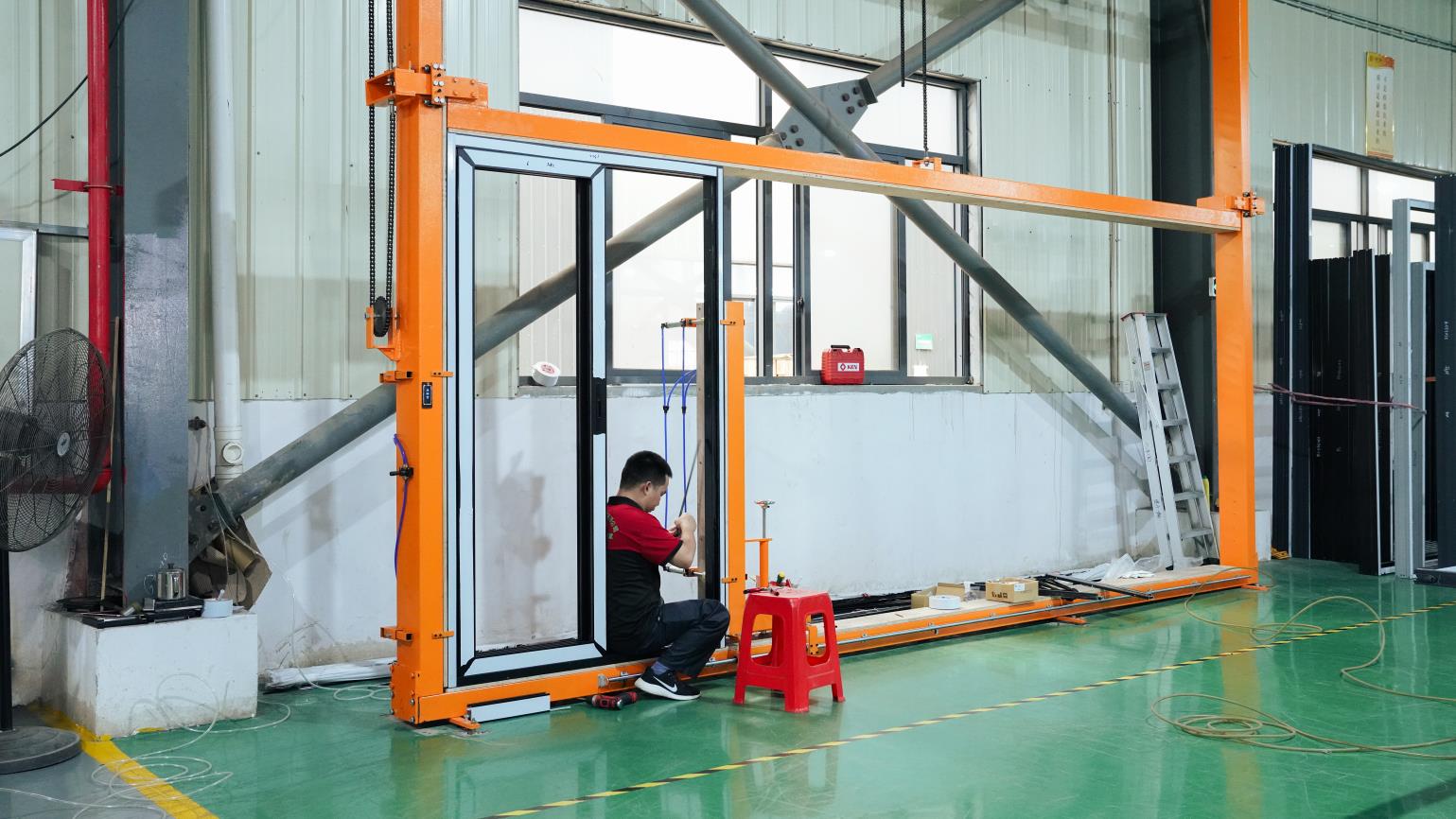
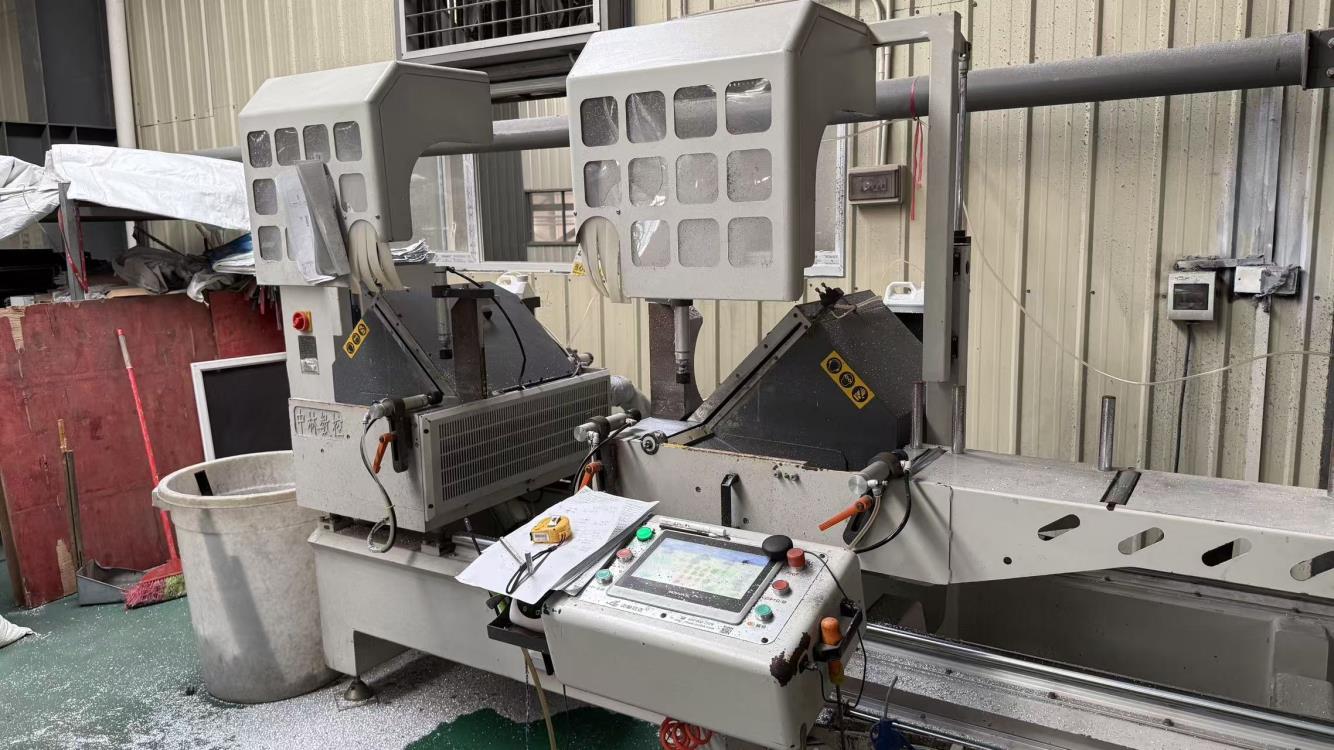
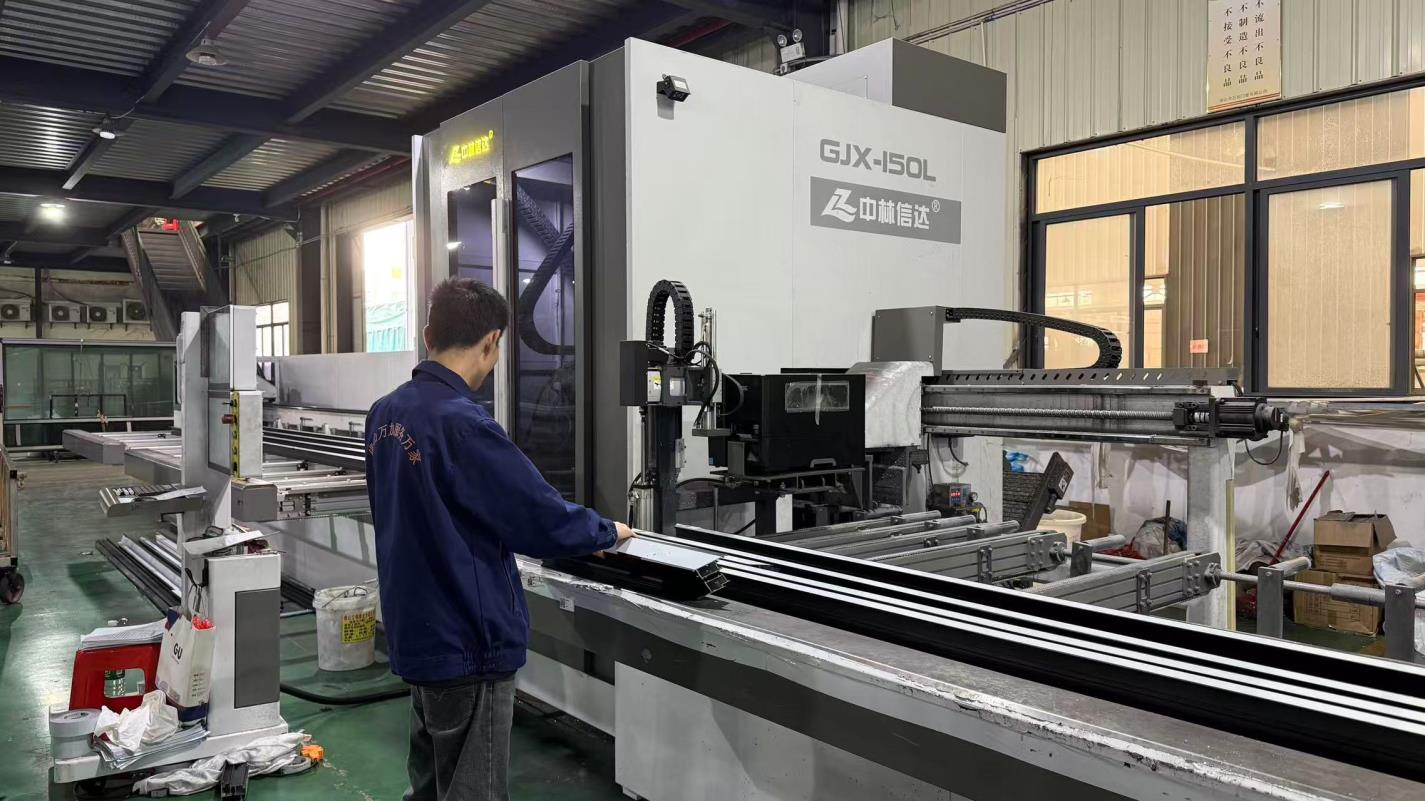
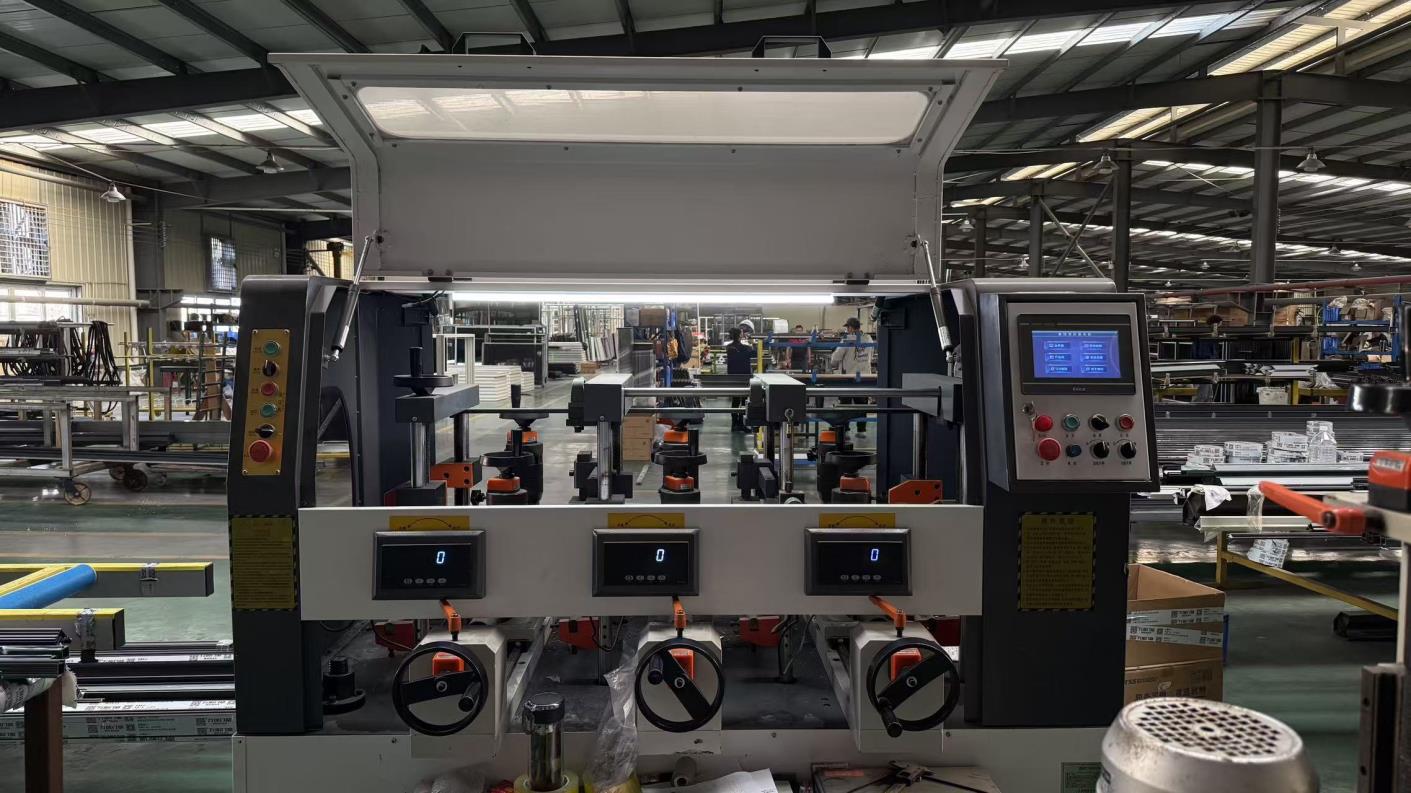
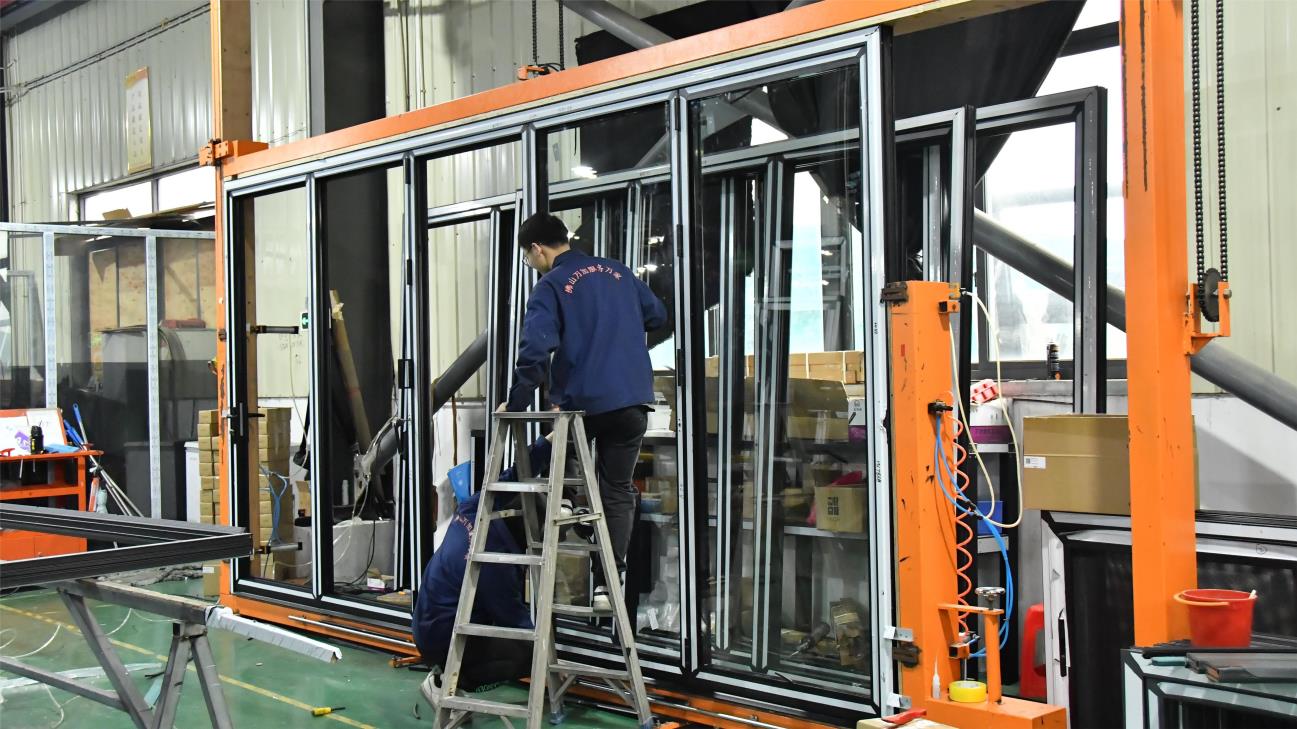
Step-by-step industrial precision—from raw alloy cutting to silicone structural sealant curing.
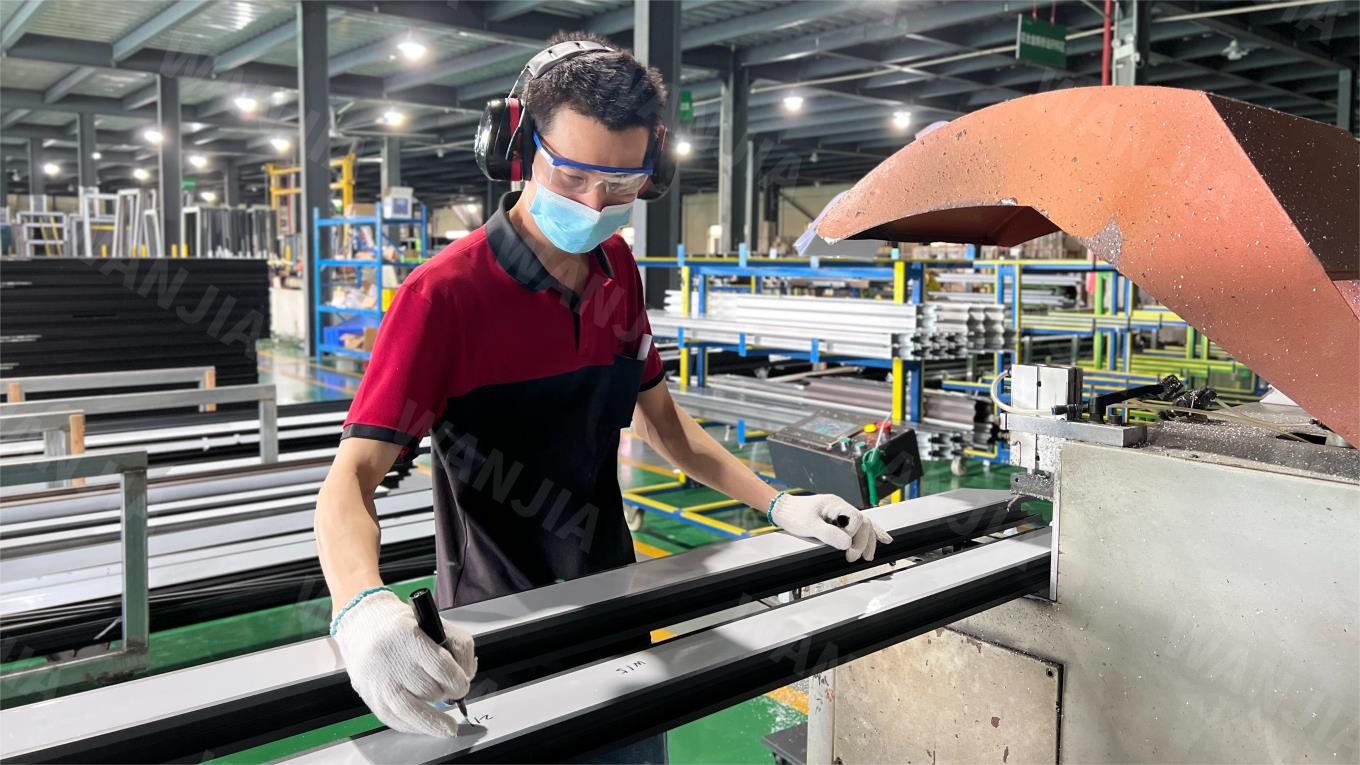
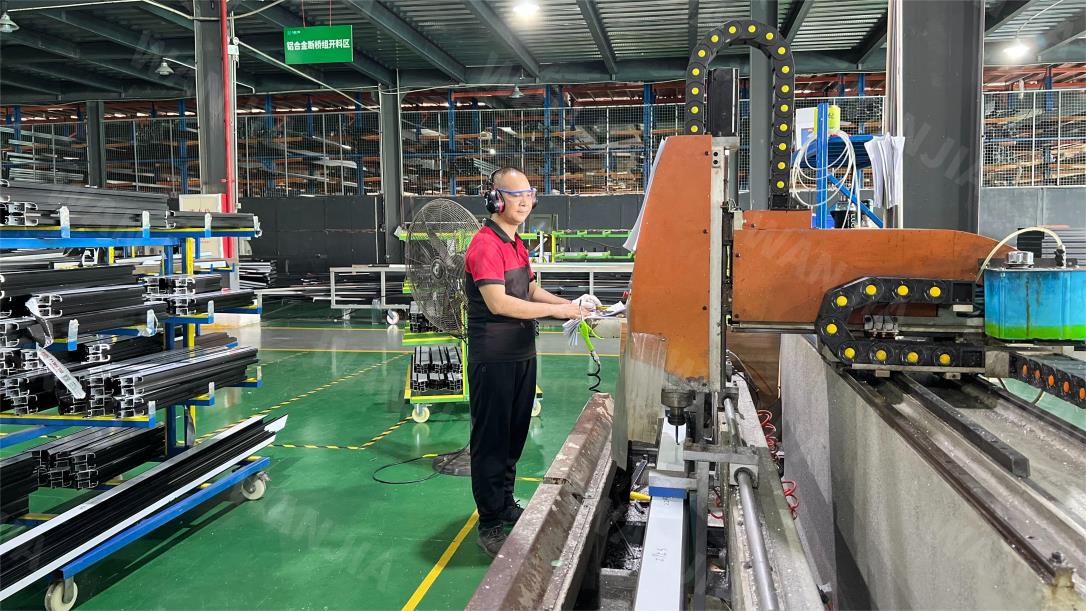
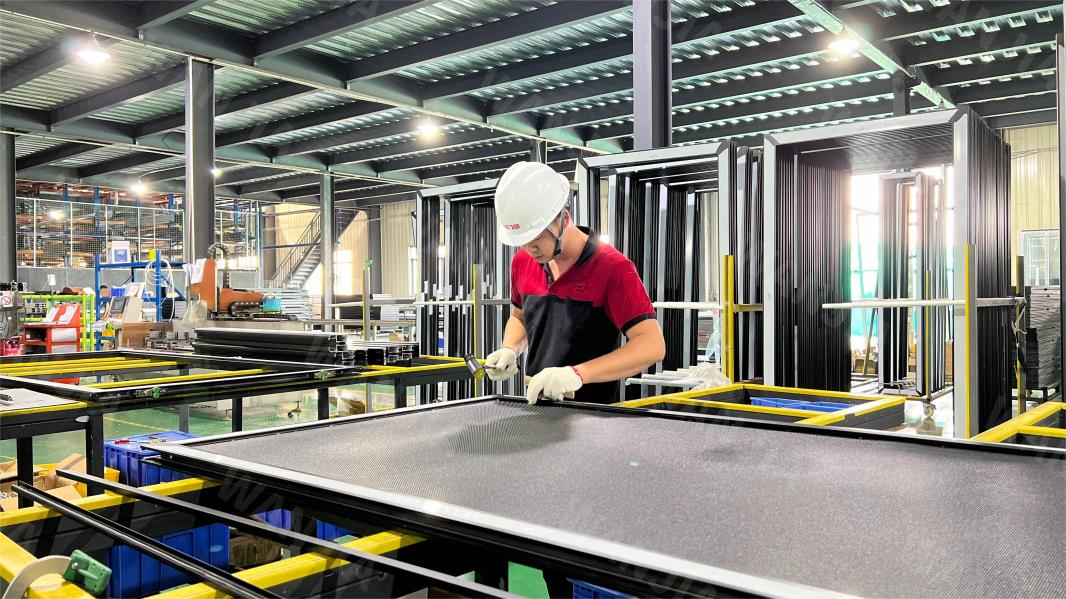
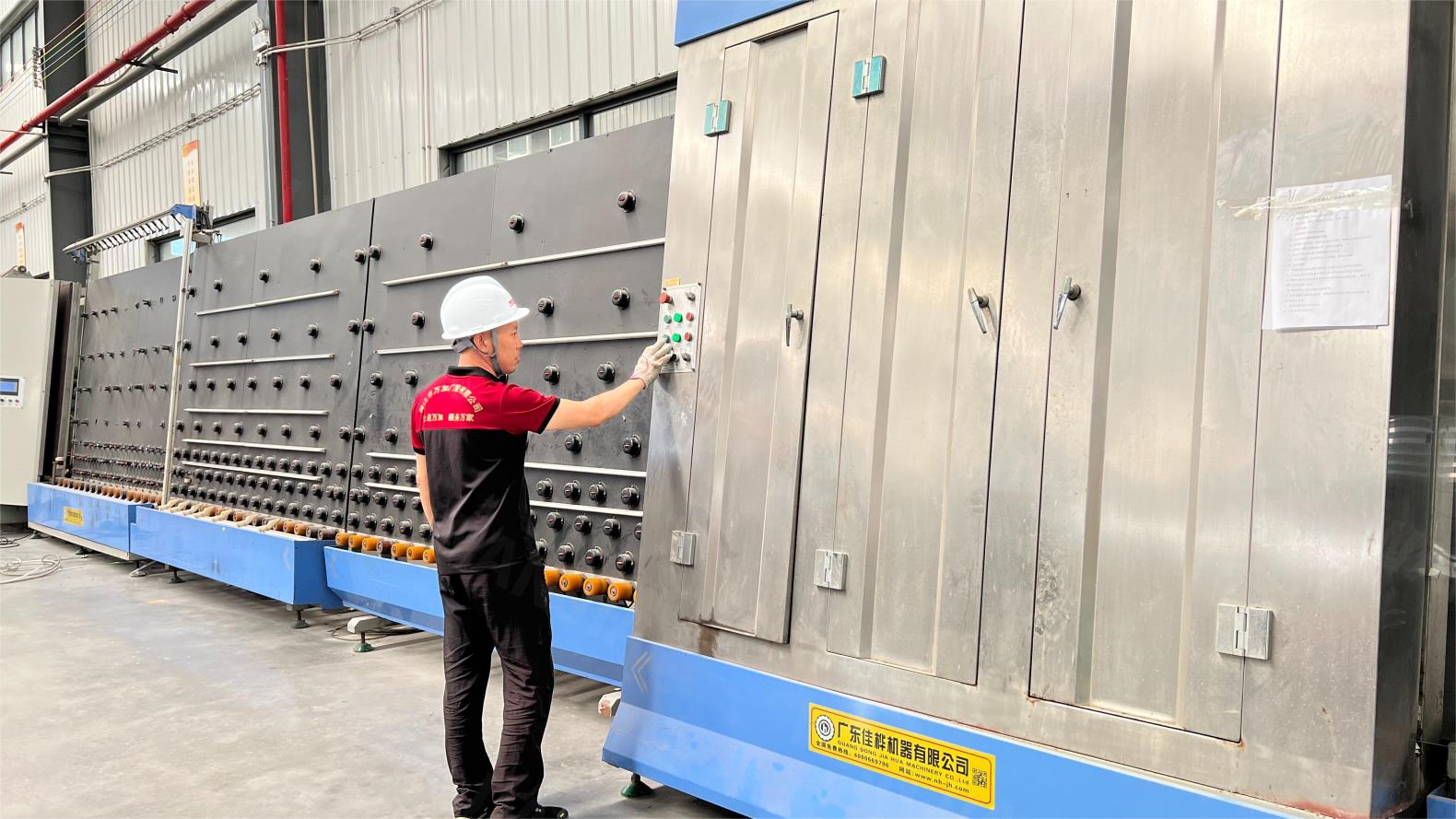
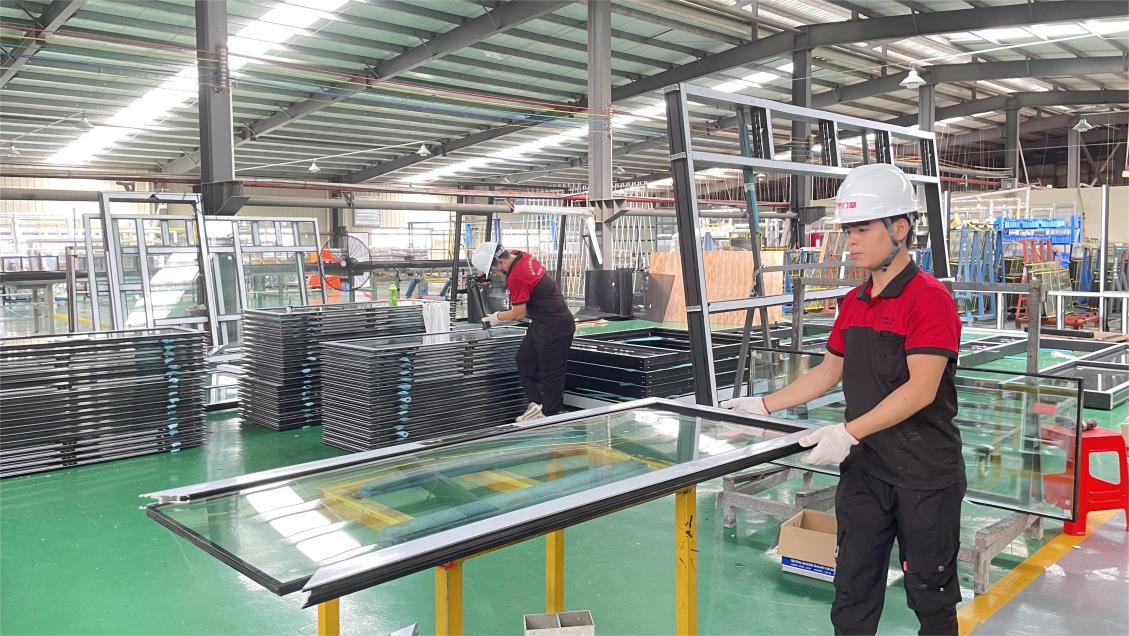
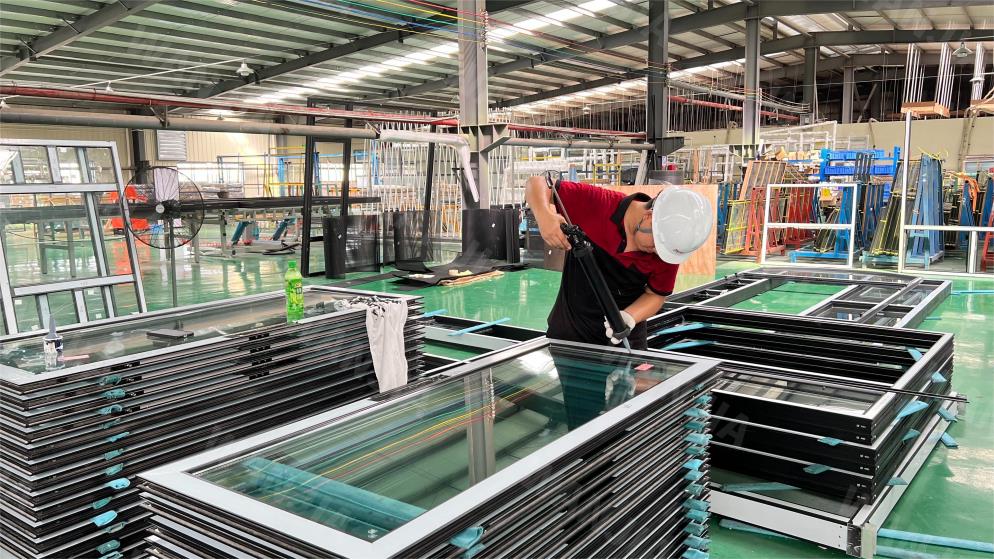
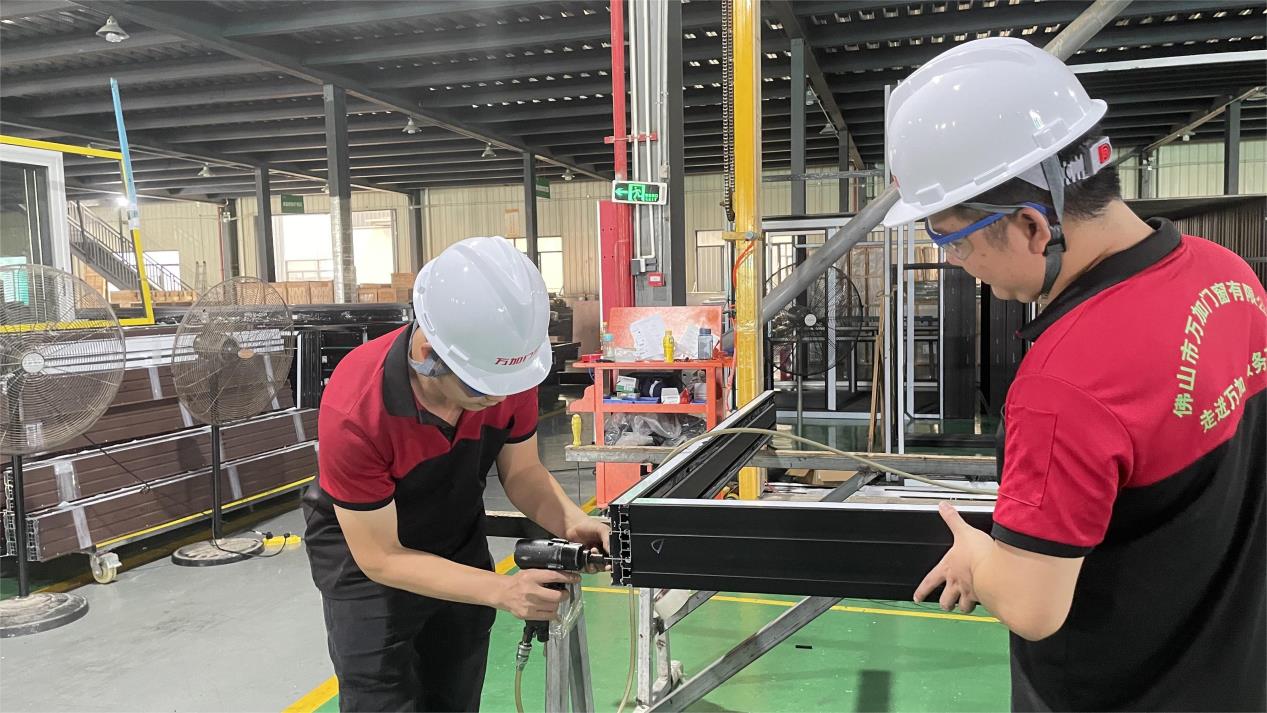
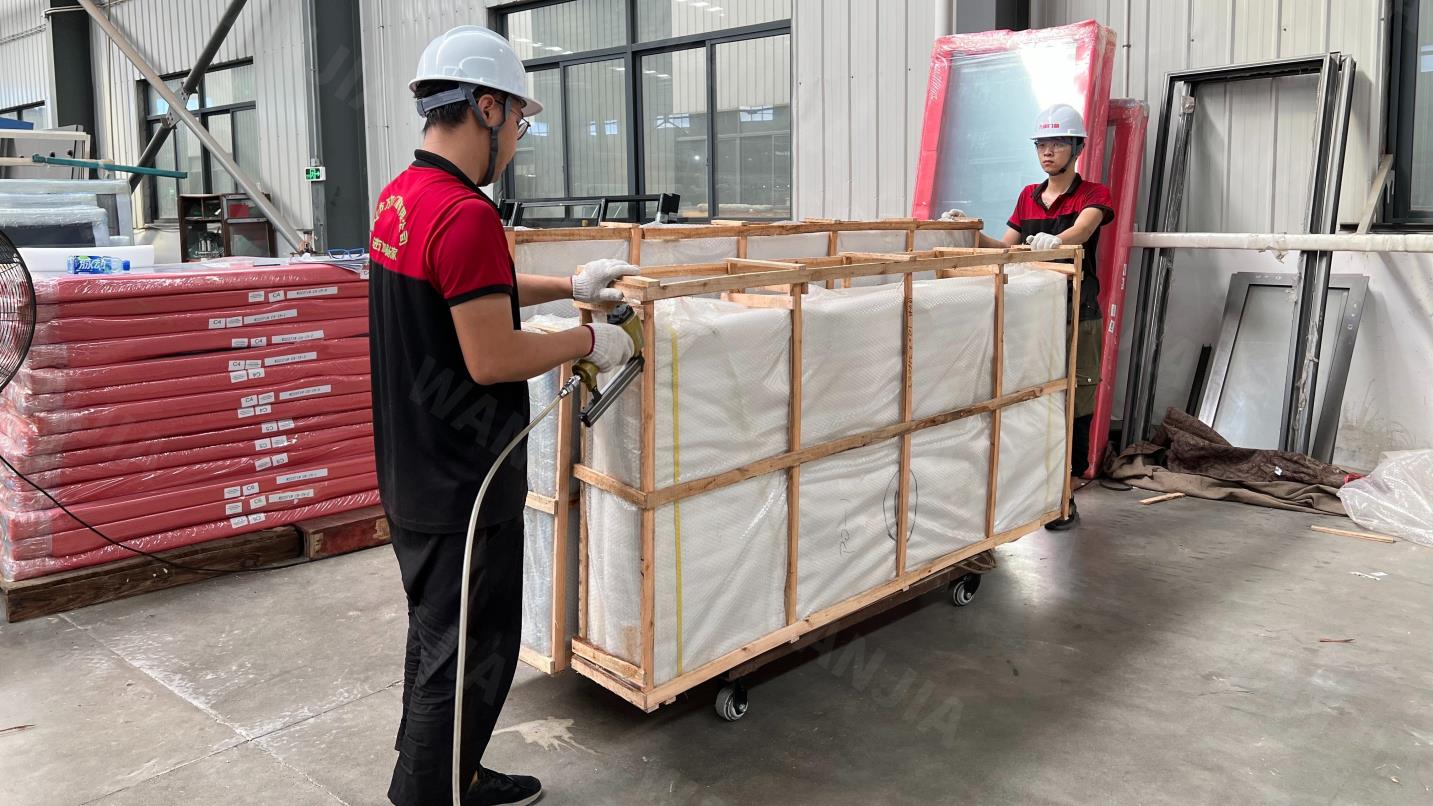
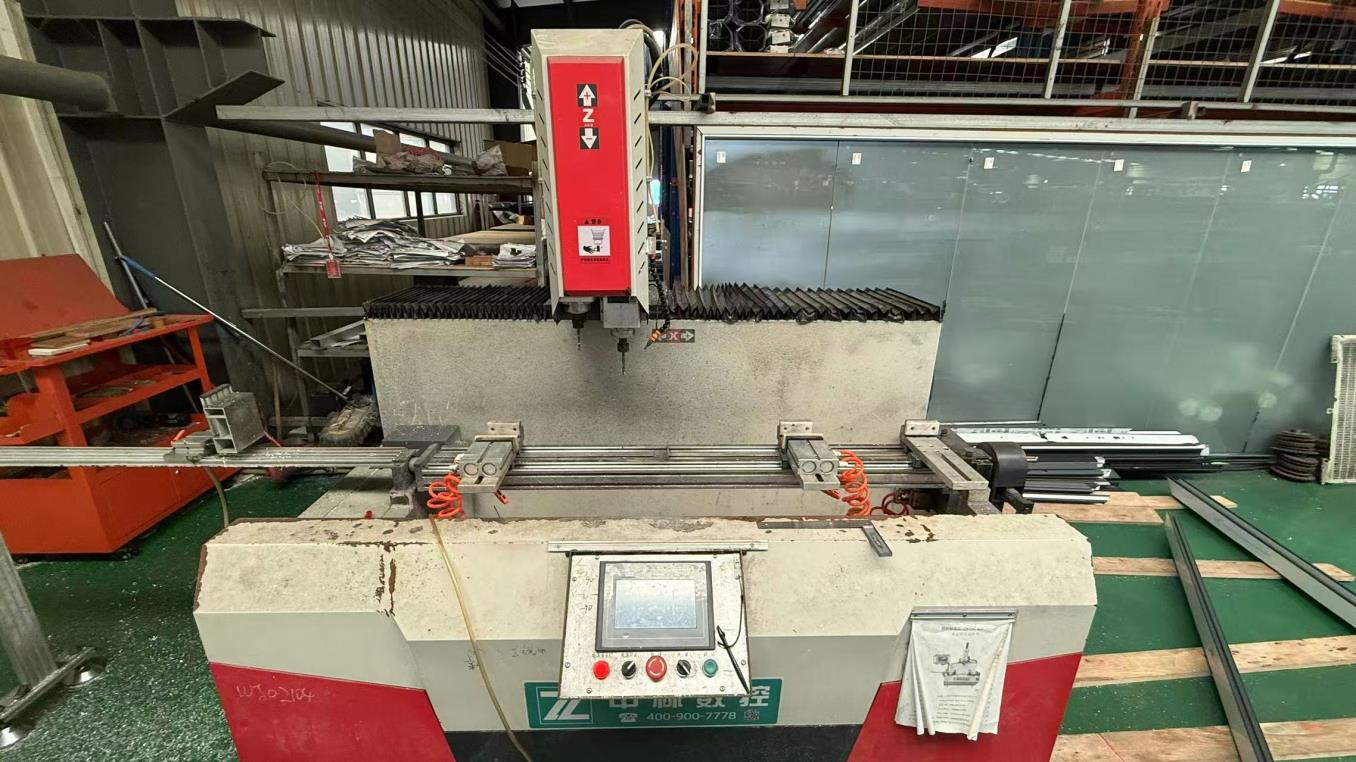
Automated, computer-controlled machinery guaranteed to achieve micrometer-level fabrication tolerances.
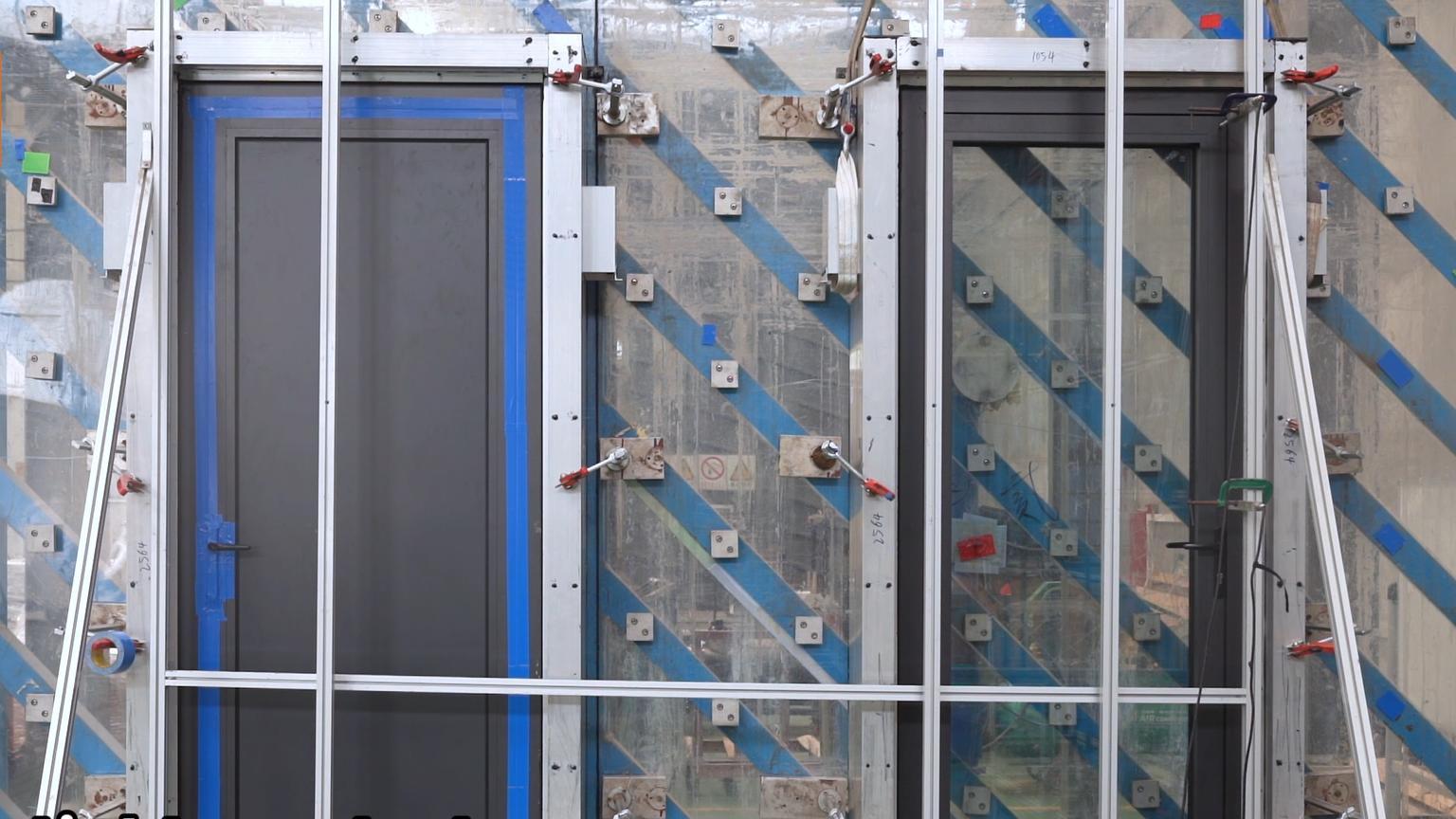
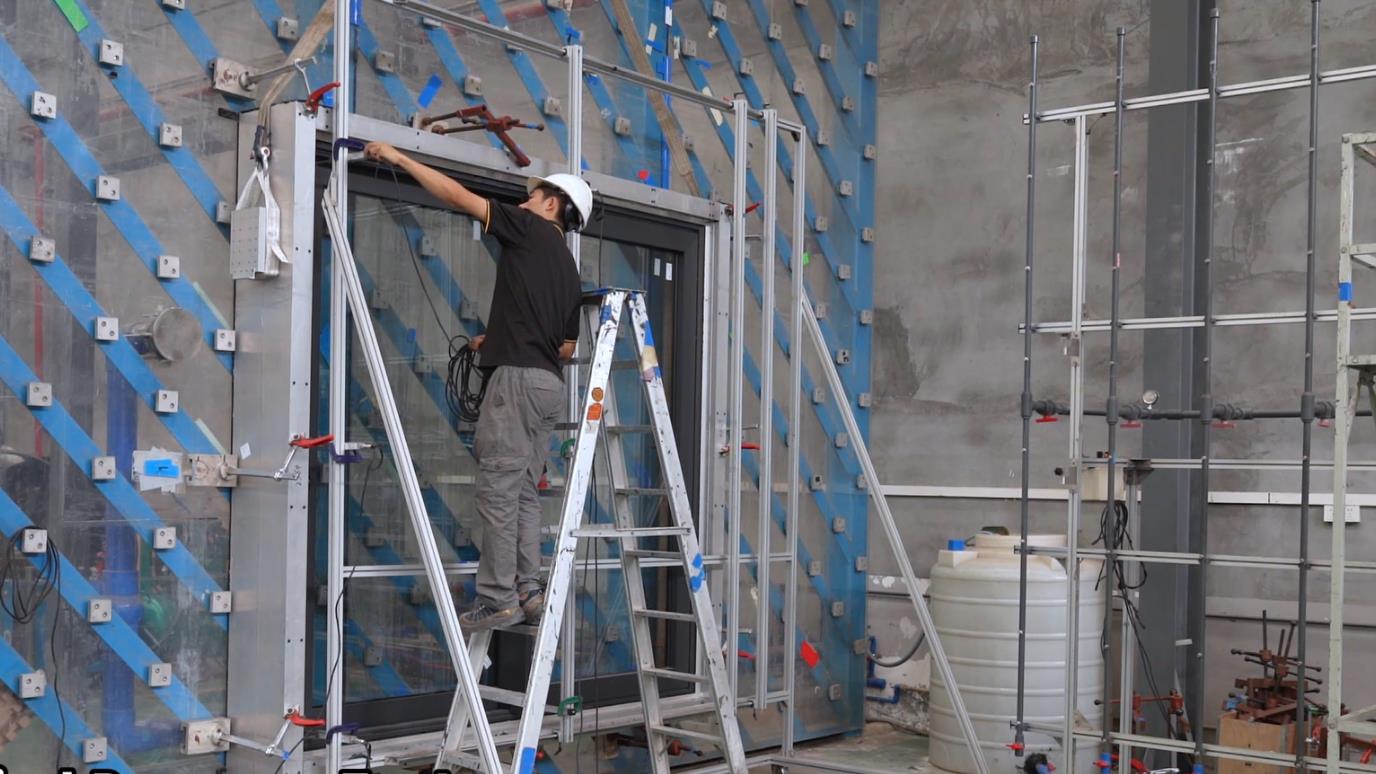
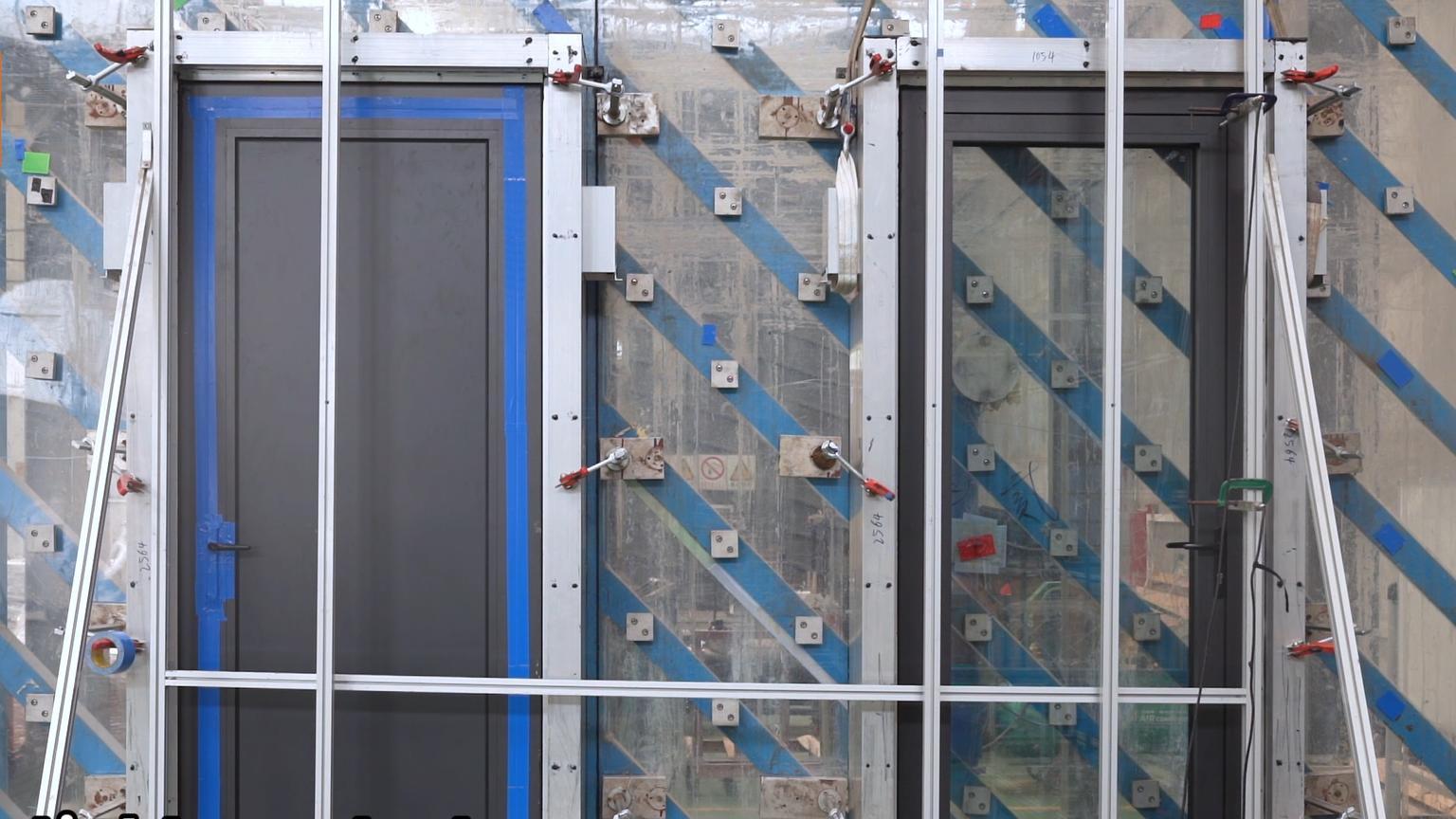
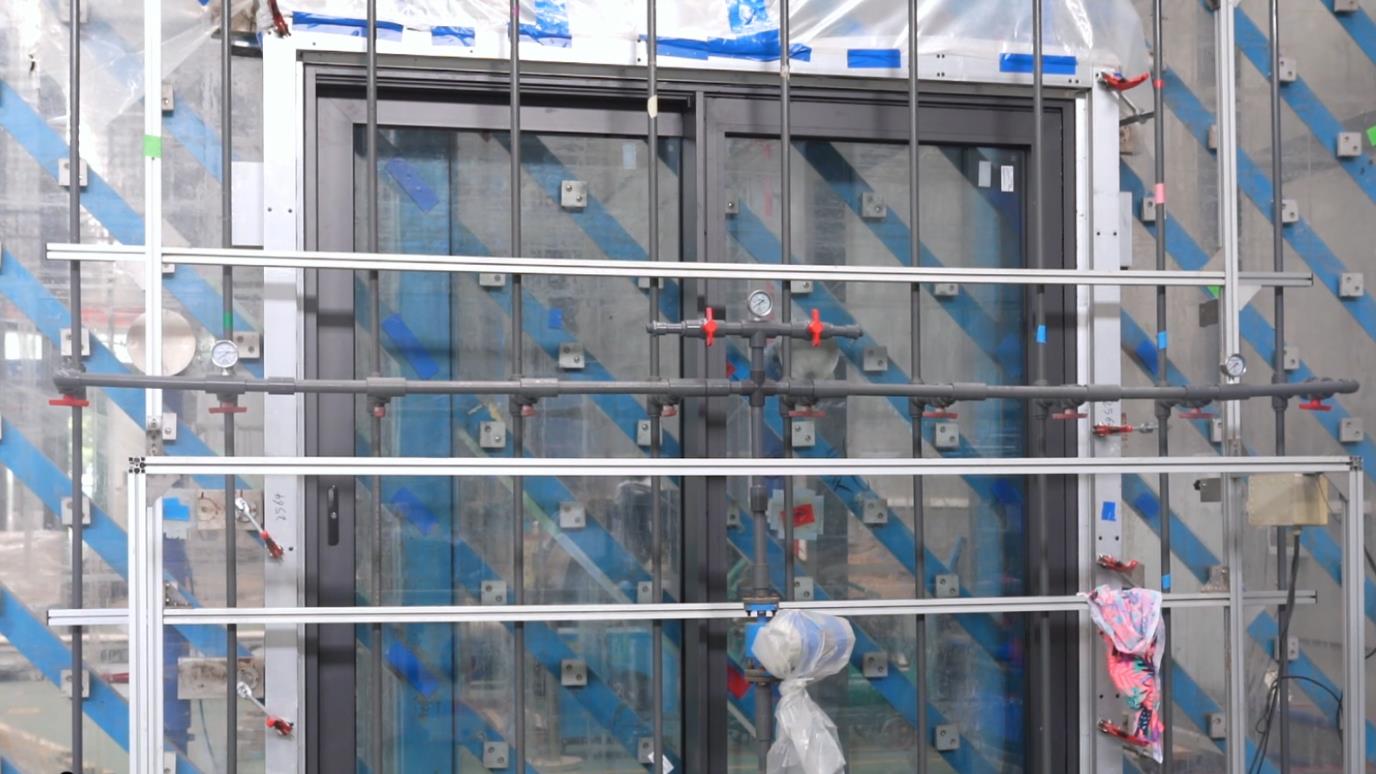
Simulating real-world dynamic wind forces, atmospheric deluges, and structural deflections before shipment.
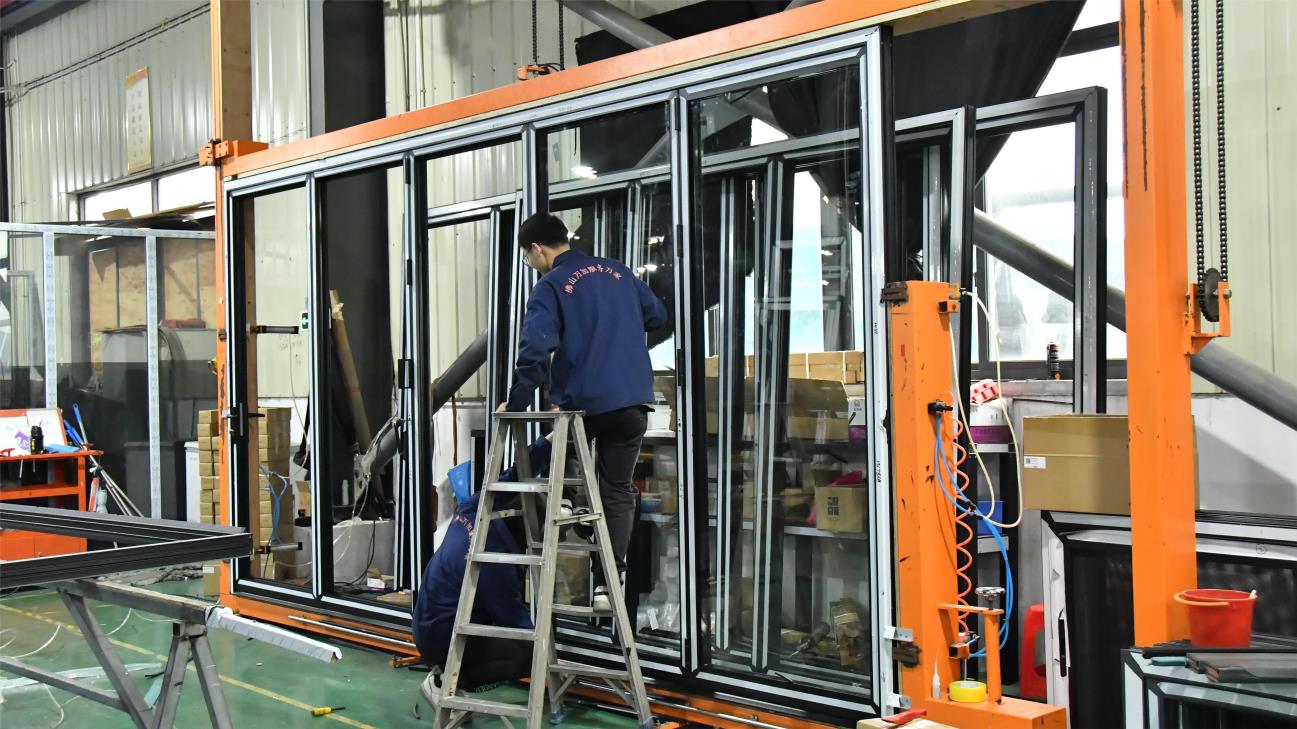
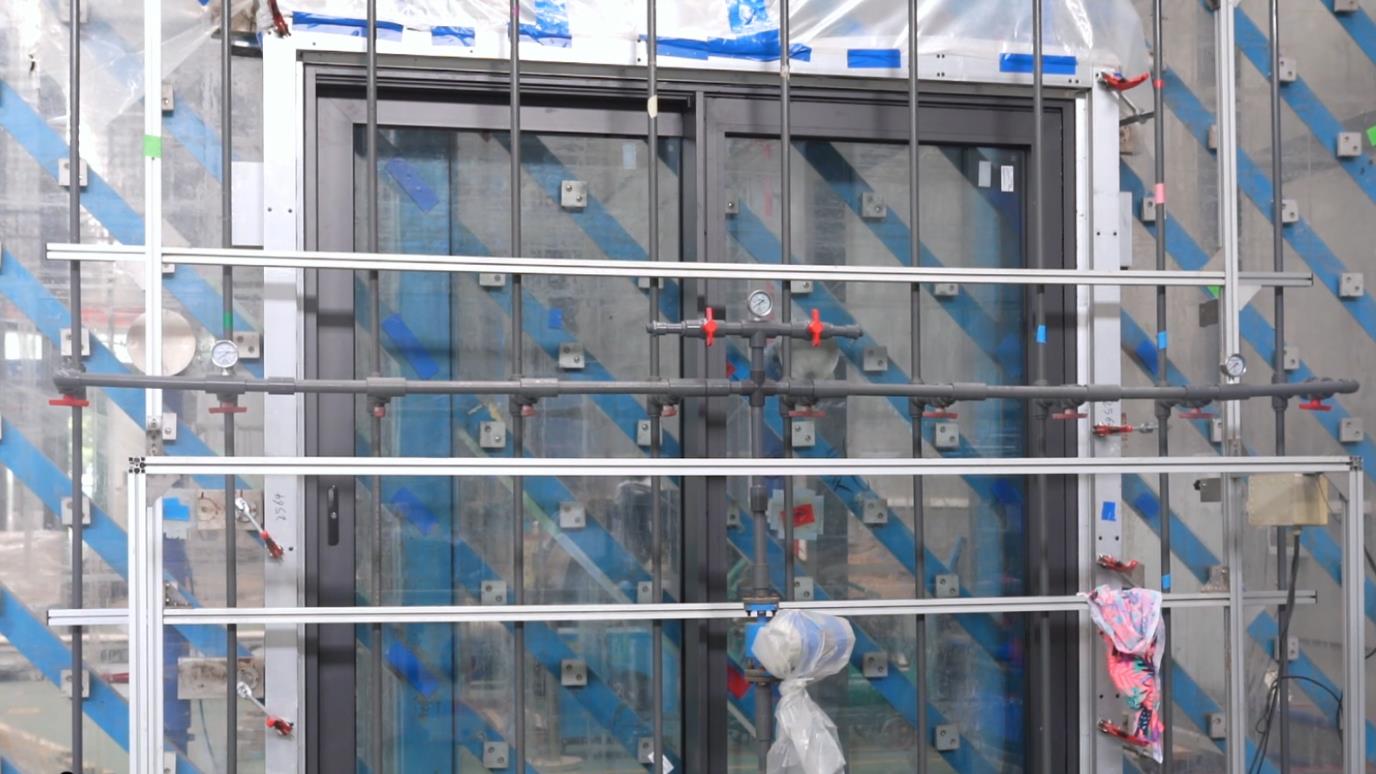
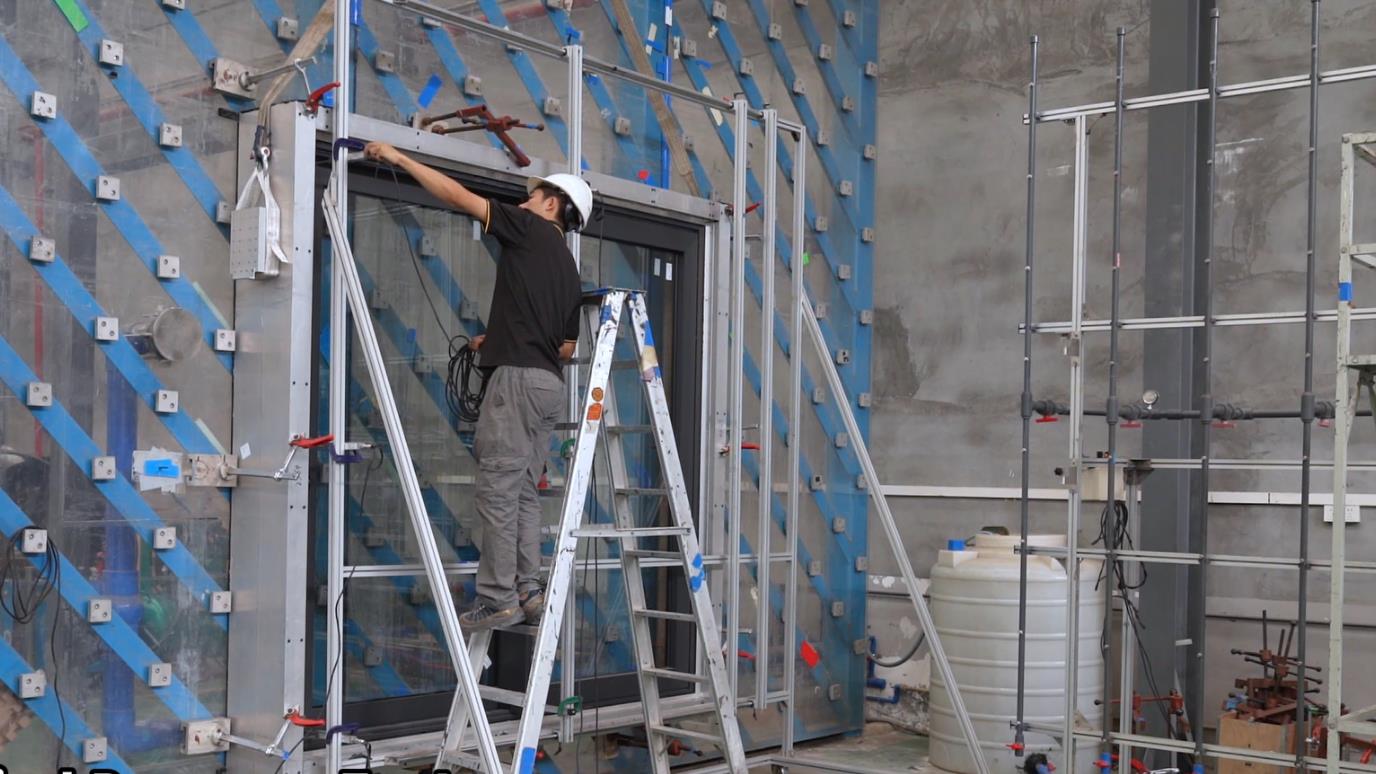
Our 24 R&D specialists continuously refine extrusion geometry and thermal performance optimization.
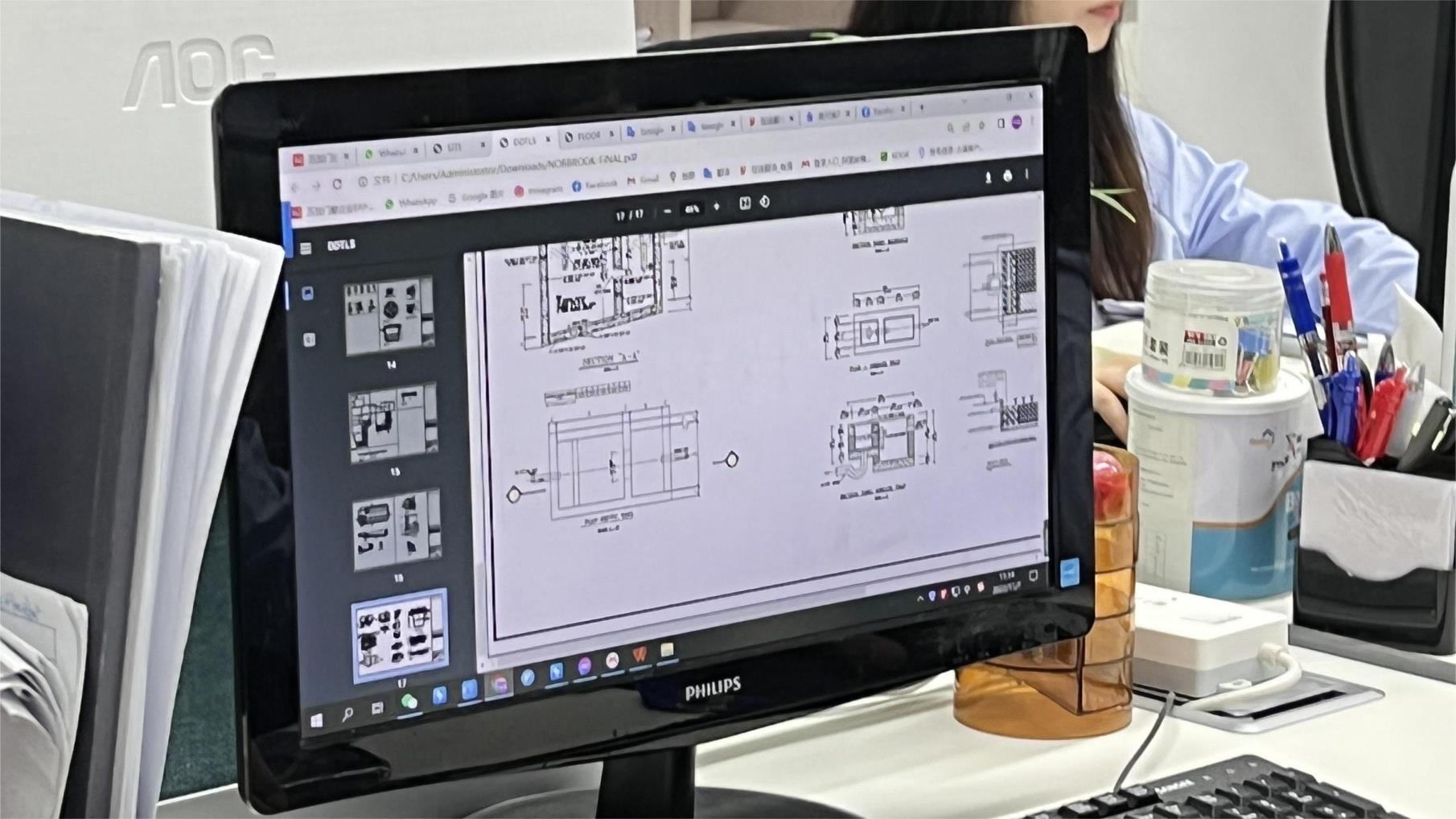
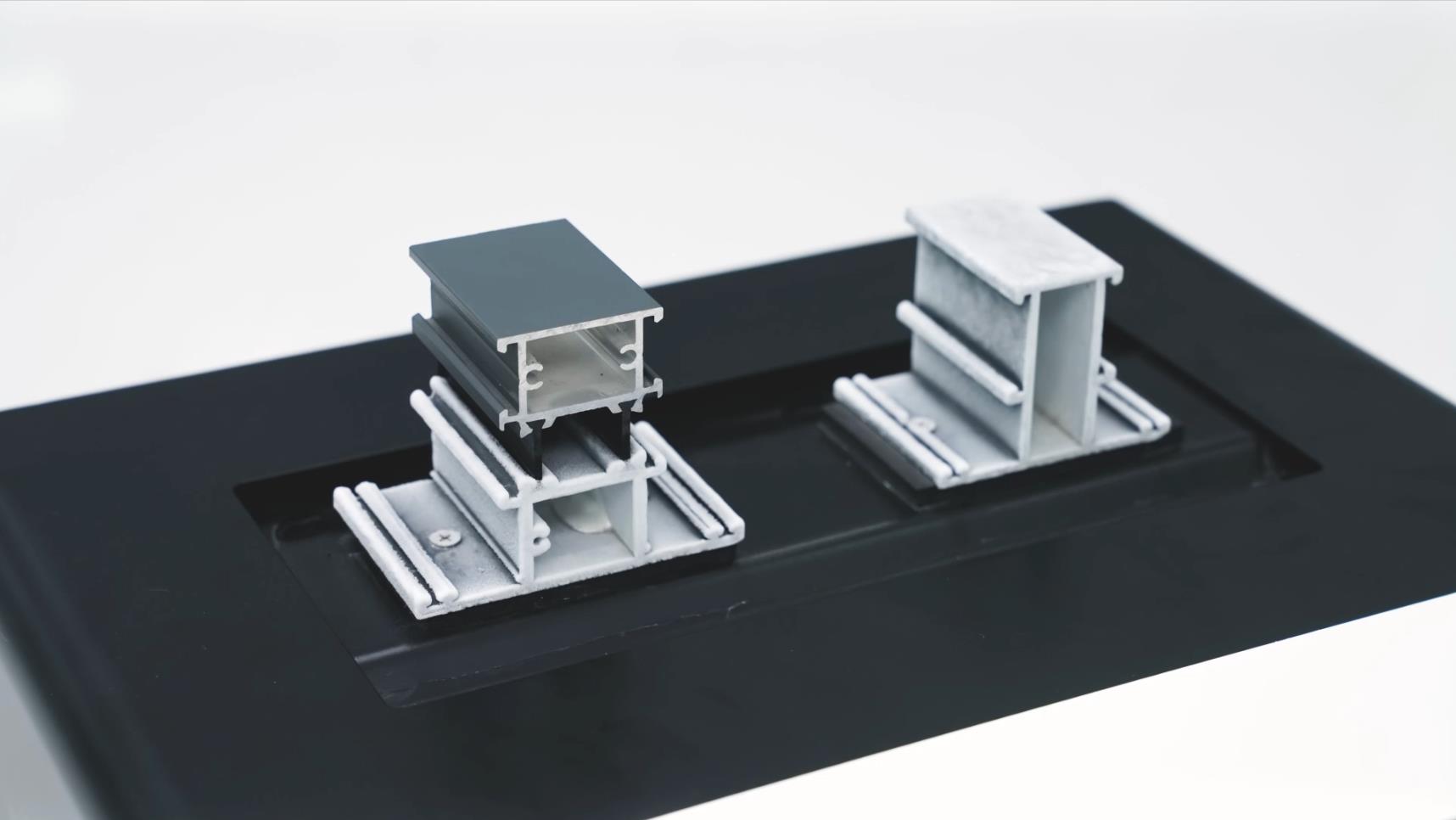
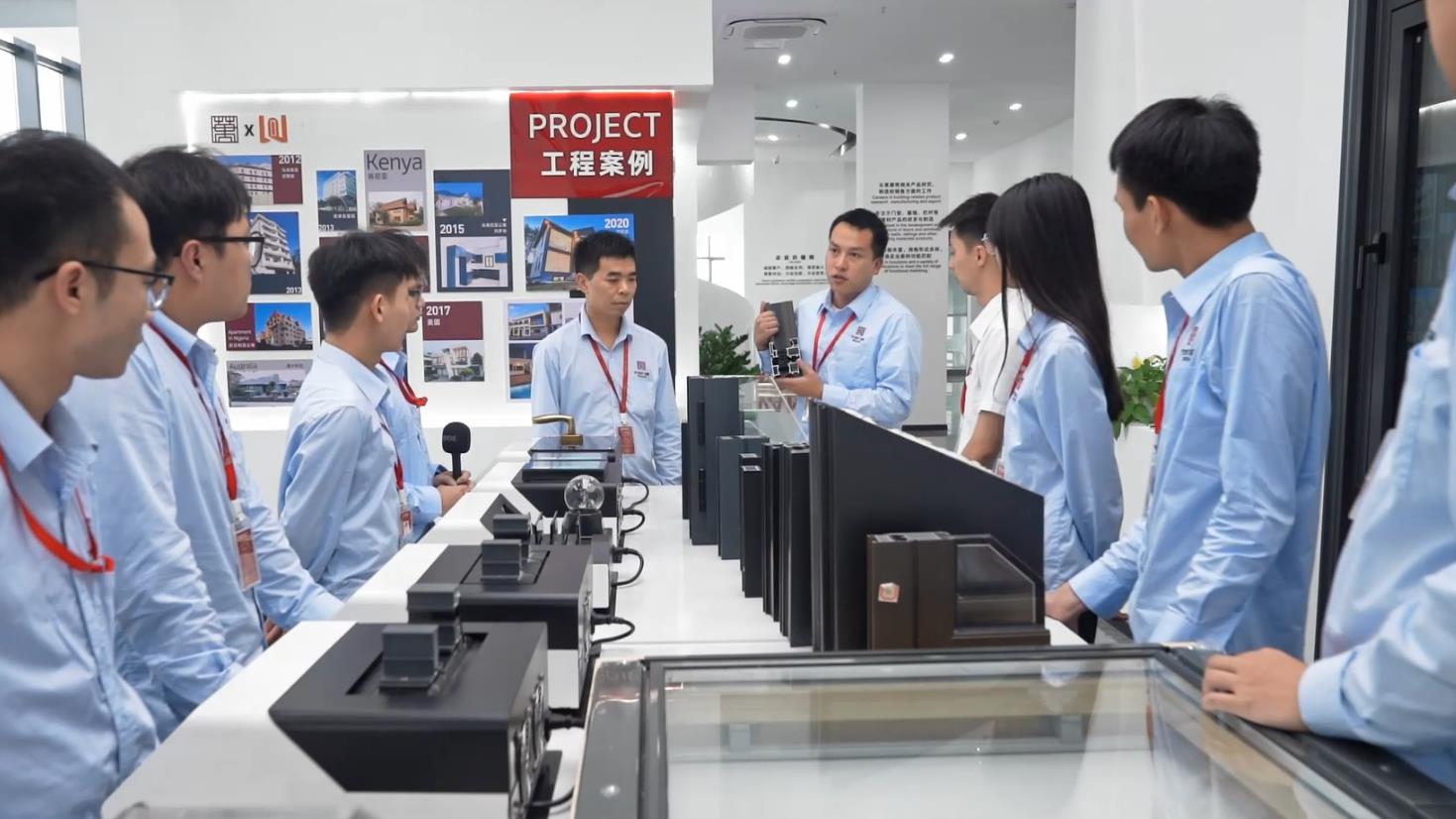
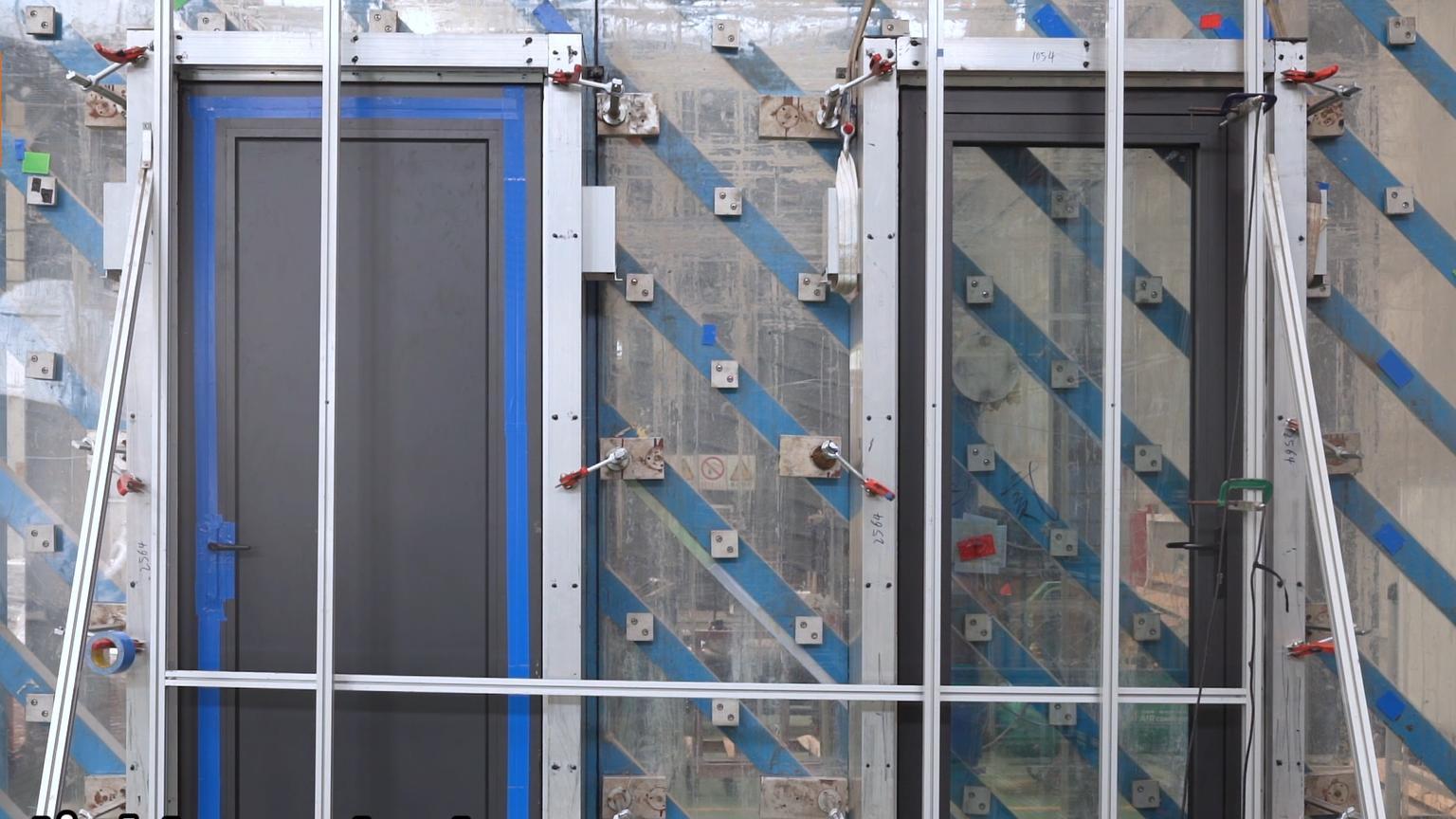
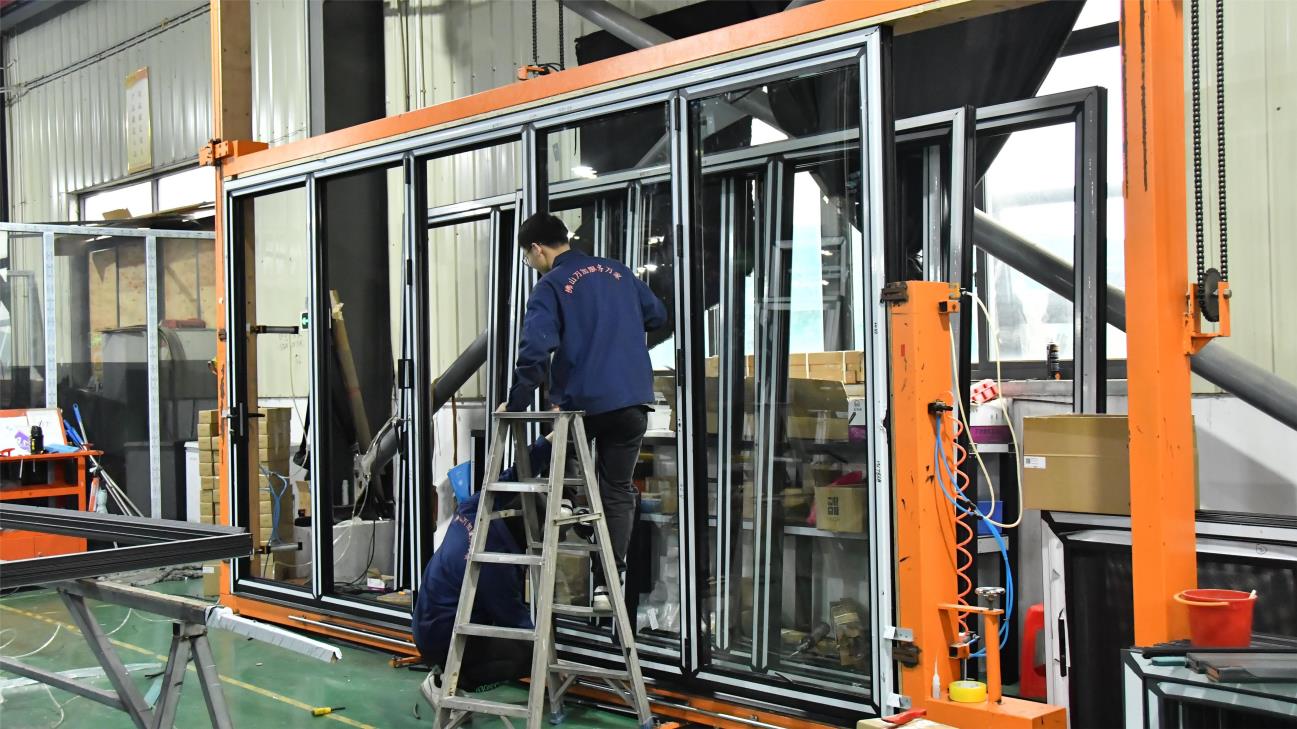
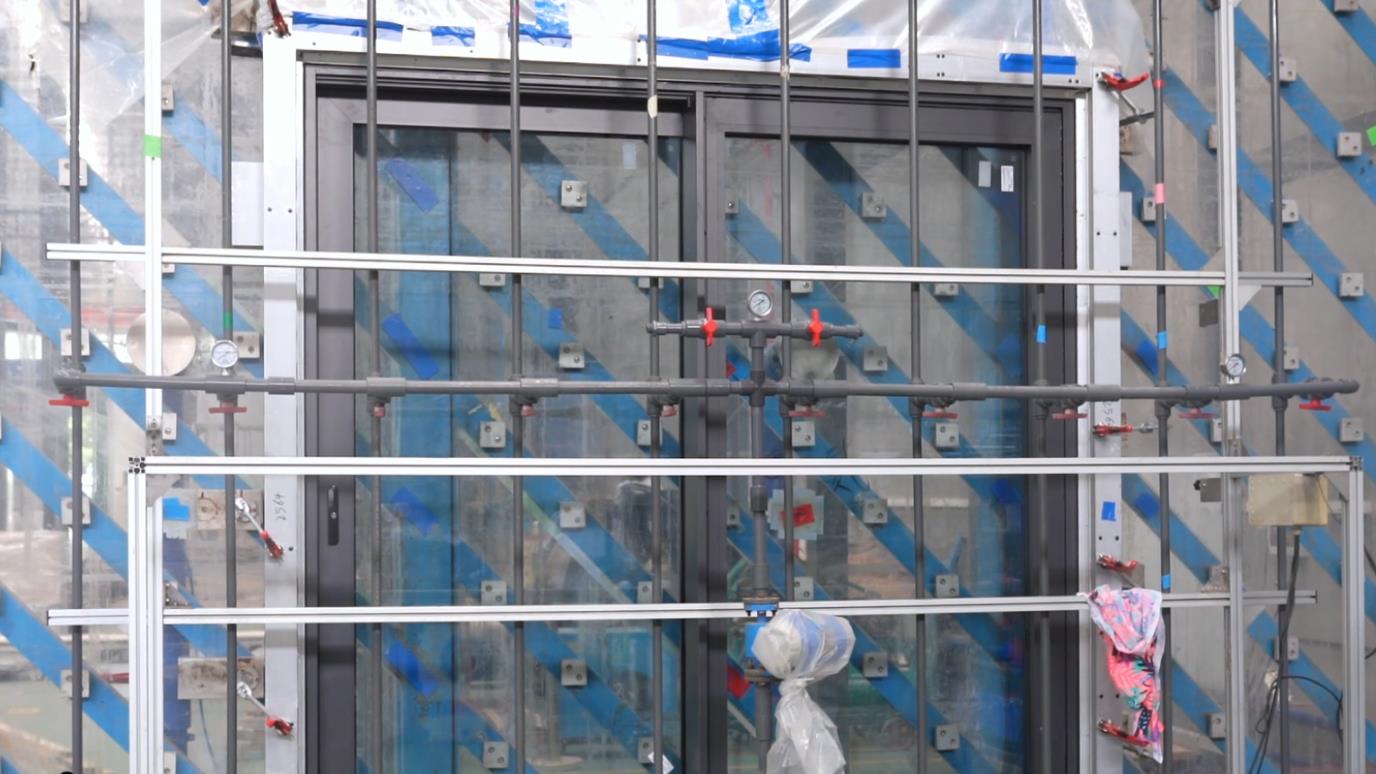
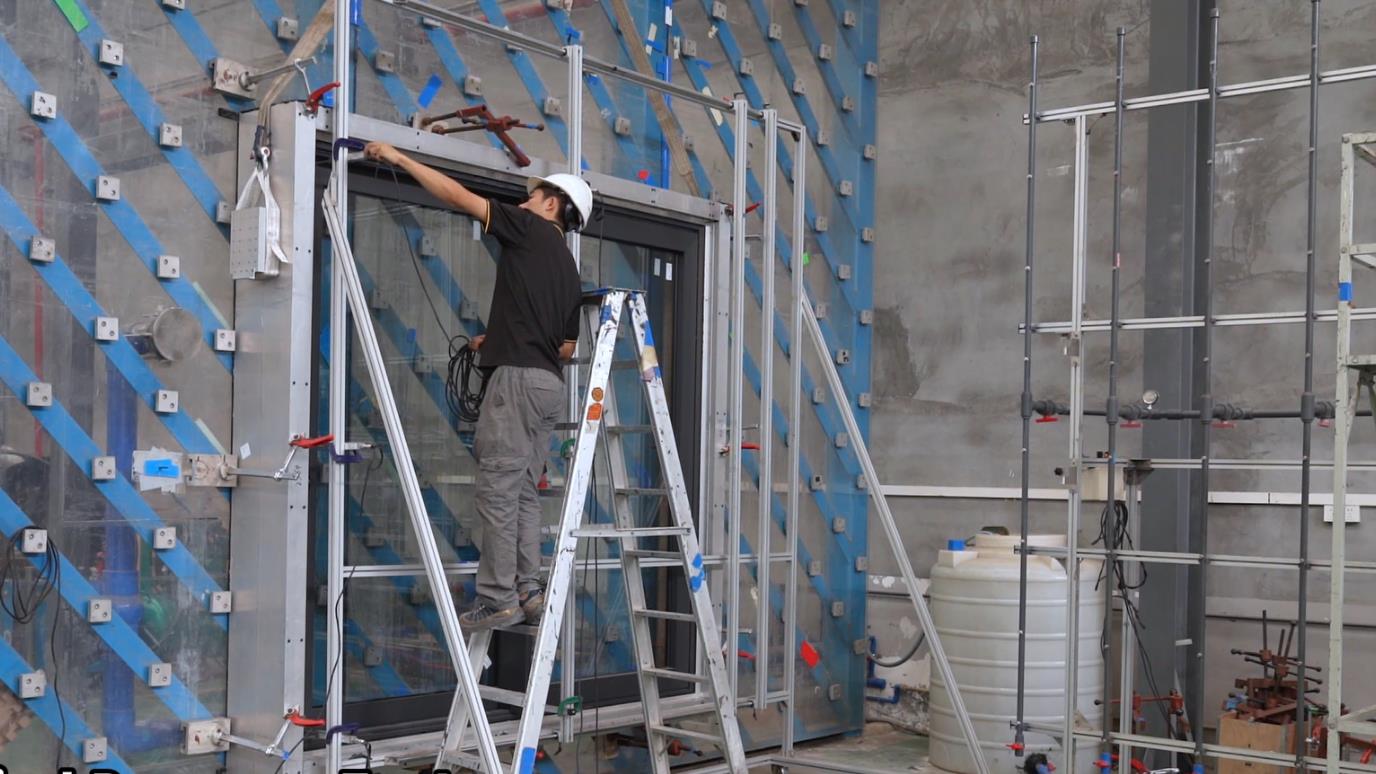
Engineering curtain wall assemblies customized for regional environmental pressures and building standards.
In regions such as Florida, the Caribbean, and coastal Southeast Asia, curtain walls face brutal cyclonic wind forces and salt-laden corrosive atmospheres. Our specialized systems integrate Miami-Dade NOA certified high-impact glass (SentryGlas® SGP interlayers) paired with 6063-T6 aluminum alloys treated with 25-micron fluorocarbon (PVDF) coatings. This ensures immunity to salt spray degradation while surviving cyclic pressure loadings up to 96 PSF.
Developments across Canada, Scandinavia, and Northern Eurasia demand rigorous resistance against severe thermal contraction and interior condensation. By utilizing triple-glazed warm-edge spacer units filled with 90%+ Argon gas and multi-chamber Polyamide thermal break profiles, our structural window walls prevent interior frost formation and achieve thermal U-factors as low as 0.18 BTU/h·ft²·°F.
In Middle Eastern regions such as the UAE and Saudi Arabia, extreme solar radiation and thermal shock create severe structural fatigue. Our high-performance solar control Low-E coatings selectively reflect infrared radiation while permitting high visible light transmission (VLT). Dual-sealed EPDM gaskets resist UV embrittlement, maintaining airtight seals across 50°C diurnal temperature fluctuations.
Metropolitan commercial centers require protection from low-frequency traffic noise and aviation sound waves. Utilizing asymmetrical glass thickness (e.g., 8mm exterior + 16mm air space + 6mm interior) coupled with acoustic PVB interlayers enables superior acoustic decoupling, providing verified acoustic isolation exceeding STC 45 for luxury hotels and executive office space.
Unlocking cost advantages, lean manufacturing turnarounds, and robust raw material security.
Located within China's primary industrial metal cluster in Shandong, our factory maintains direct partnerships with top-tier primary aluminum ingot smelters and specialized glass float lines. This close proximity minimizes upstream supply bottlenecks, locks in predictable raw material pricing, and guarantees consistent chemical compositions for alloy extrusion.
Leveraging fully automated CNC laser cutting, automated glue strip assembly, and multi-station drilling equipment, Shandong OptiDoors achieves unparalleled manufacturing throughput. Our agile production scheduling allows us to deliver full unitized or stick curtain wall shipments within 25 to 35 business days—significantly outperforming Western regional competitors.
With 16 full-time QA inspectors operating under strict ISO9001 protocols, every single aluminum profile undergoes micro-caliper thickness verifications, anodizing film gauge checks, and glass seal integrity testing. Before export packing, mock-ups undergo rigorous air leakage and hydrostatic pressure validation on our internal test benches.
Leading the evolution toward intelligent, smart kinetic, and energy-generating commercial facades.
We are standardizing 3D parametric BIM (Building Information Modeling) objects for our entire product catalog. Architects can directly drop high-fidelity REVIT models into building simulations to analyze real-time structural stress loads, thermal performance metrics, and daylighting efficiency before breaking ground.
Our ongoing R&D efforts focus on integrating dynamic glass tinting and automated motorized louvers directly into unitized aluminum frames. Controlled by centralized IoT building management systems (BMS), these smart facades automatically adjust tint levels based on solar angle, reducing interior HVAC cooling loads by up to 30%.
The next boundary for architectural envelopes is transforming facade surfaces into clean energy generators. Our upcoming BIPV curtain wall framing line seamlessly embeds semi-transparent thin-film solar cells into double glazing units, turning commercial high-rise vertical facades into distributed power plants.
Technical answers to critical procurement, engineering, and compliance inquiries.
Explore additional certified architectural door and window systems designed for global distribution.
 OptiDoors