Engineered for High Structural Integrity, Thermal Performance, and Architectural Distinction
Analyzing Structural Performance, Energy Decarbonization, and Chinese Sourcing Competitiveness
In contemporary architectural engineering, the exterior entrance system serves as the critical focal point bridging high-performance building envelopes, structural resilience, and high-end aesthetic design. Over the past decade, global construction standards—driven by stringent energy conservation codes (such as ASHRAE 90.1, Title 24, and EU Energy Performance of Buildings Directives) alongside intensifying extreme weather phenomena—have elevated aluminum glass entry doors from basic functional building components into sophisticated engineering assemblies.
China has established itself as the world’s undisputed epicenter for high-precision architectural aluminum fabrication, glass processing technology, and integrated supply chain management. Combining advanced CNC machining, automated powder coating, multi-cavity thermal break extrusions, and certified impact-resistant glass glazing, top Chinese suppliers deliver tailored fenestration systems that consistently exceed international standards, including Florida Building Code NOA, NFRC energy ratings, European CE certifications, and Australian AS2047 standards.
Shandong OptiDoors Technology Co., Ltd. — Enterprise Capability Breakdown
Founded in 2018, Shandong OptiDoors Technology Co., Ltd. occupies a modern manufacturing complex of 8,200 m². Backed by 8 years of specialized door industry experience and 4 years of expanding global trade, the company yields an annual export revenue of USD 6,800,000.
To ensure flawless product execution, we strictly follow ISO9001 quality management procedures along with rigorous salt-spray, wind-load, and impact testing methods. Our QC department employs 16 dedicated QA officers who monitor every stage from raw material arrival to final packaging. Our primary markets cover Western Europe, the Middle East, and Central Asia, supported by an established network of 380 supply chain partners and a versatile international trade background.
Our primary client base includes regional door wholesalers, custom home builders, commercial project contractors, and e-commerce importers. With agile product development capabilities, we address complex structural and thermal specifications seamlessly.
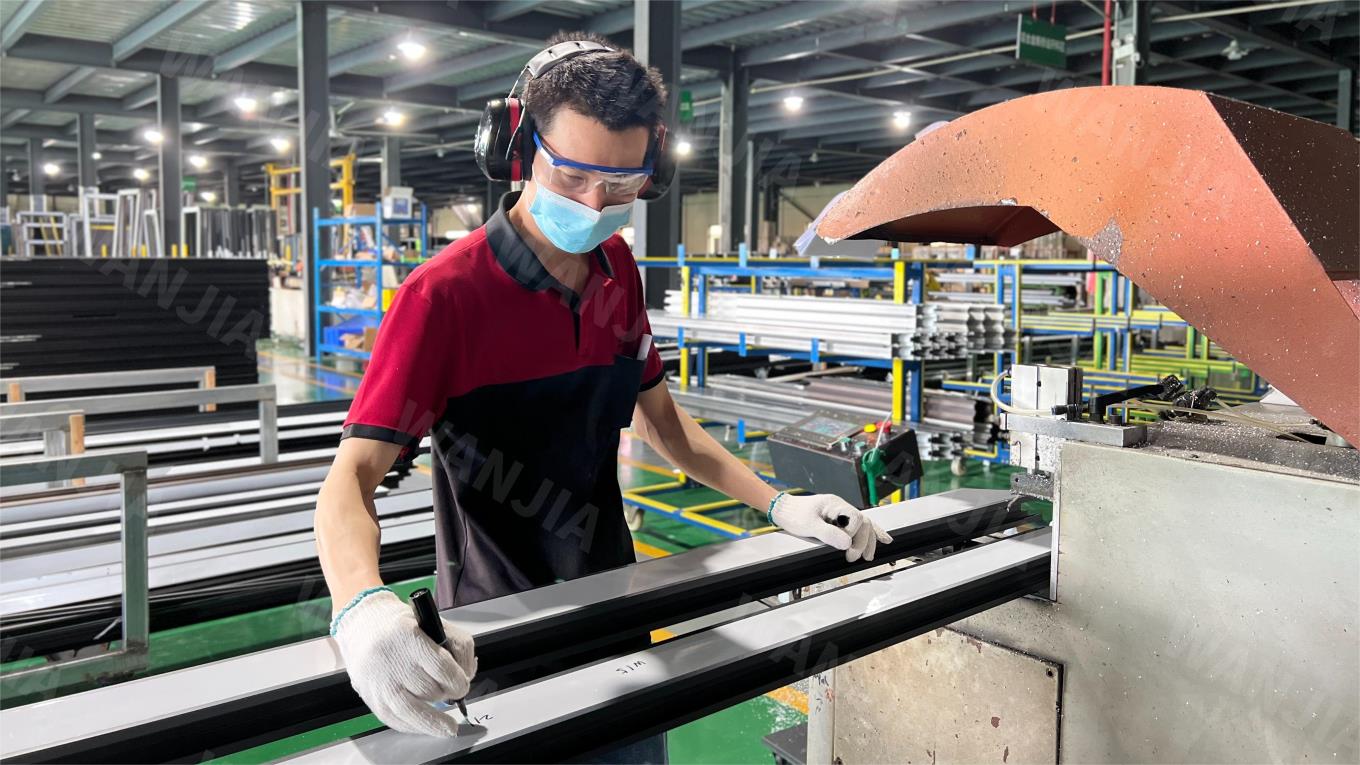
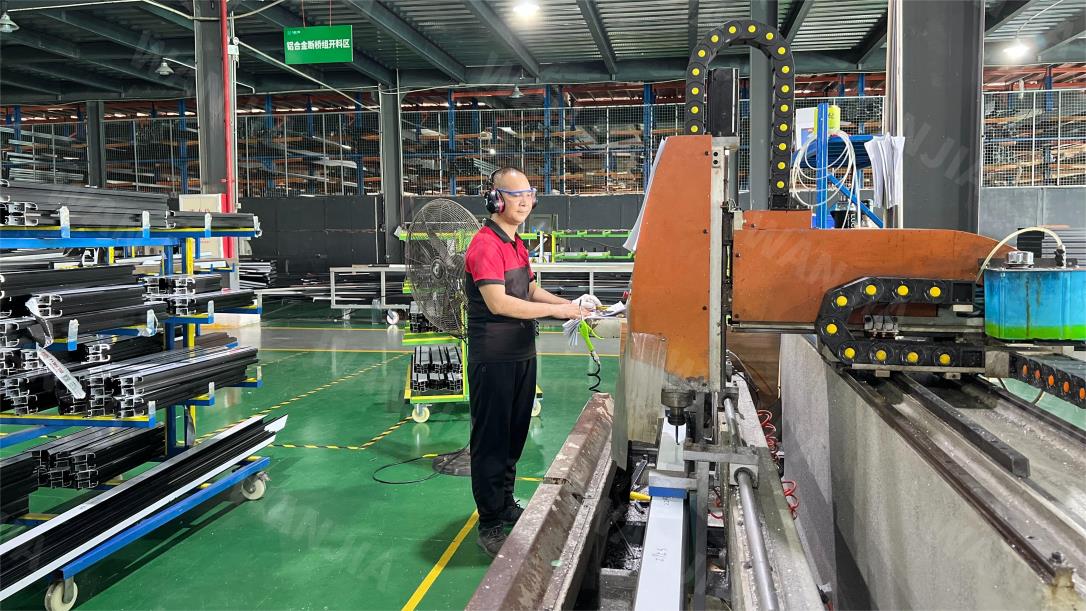
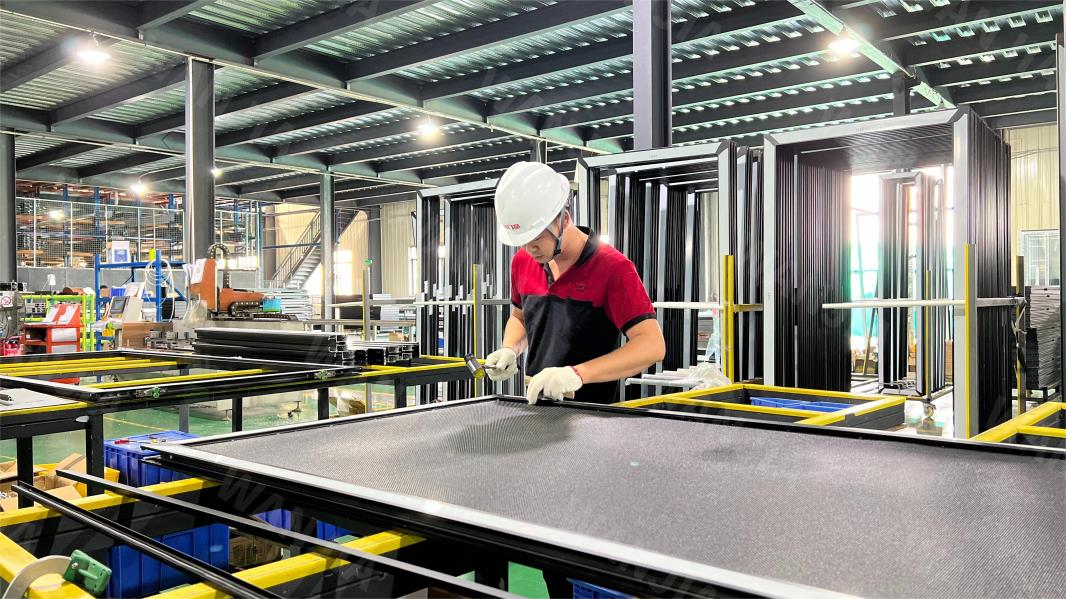
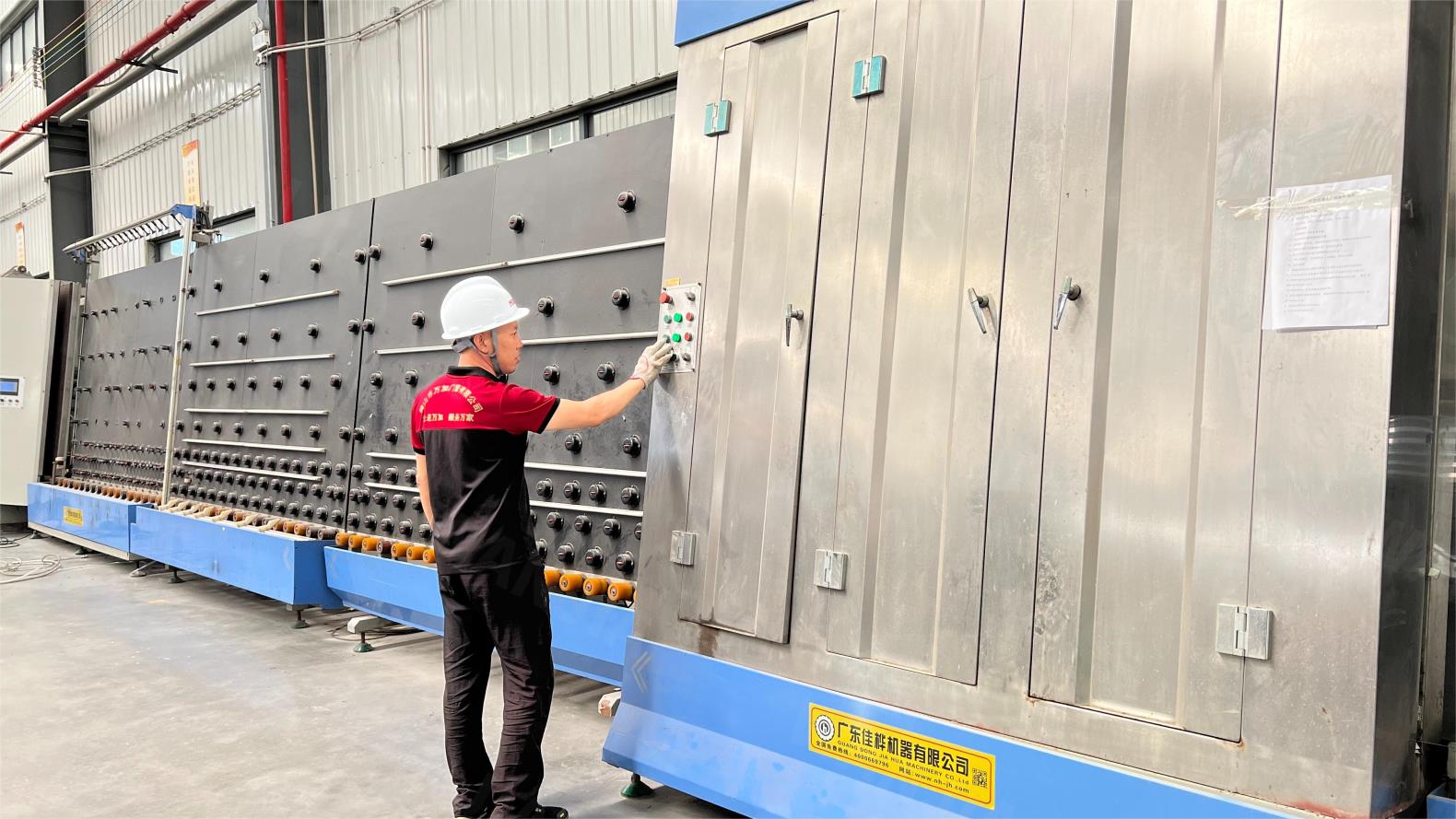
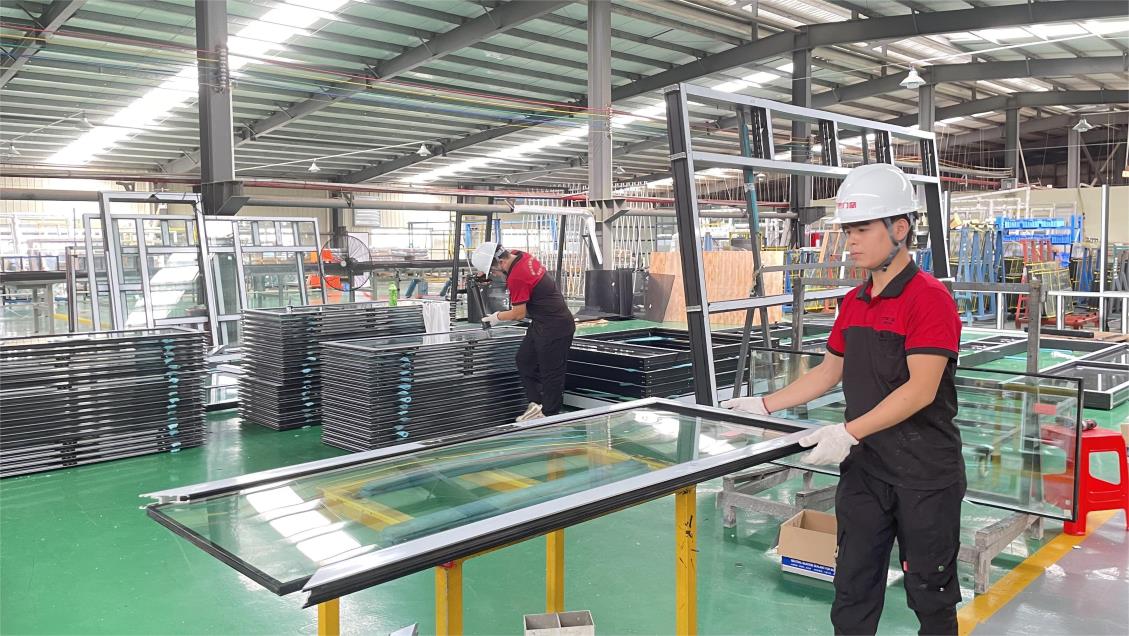
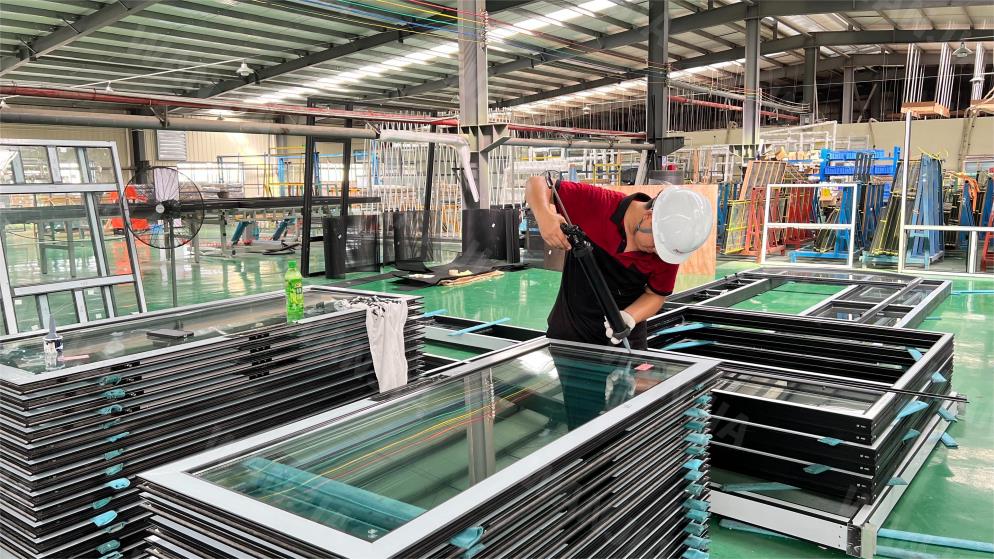
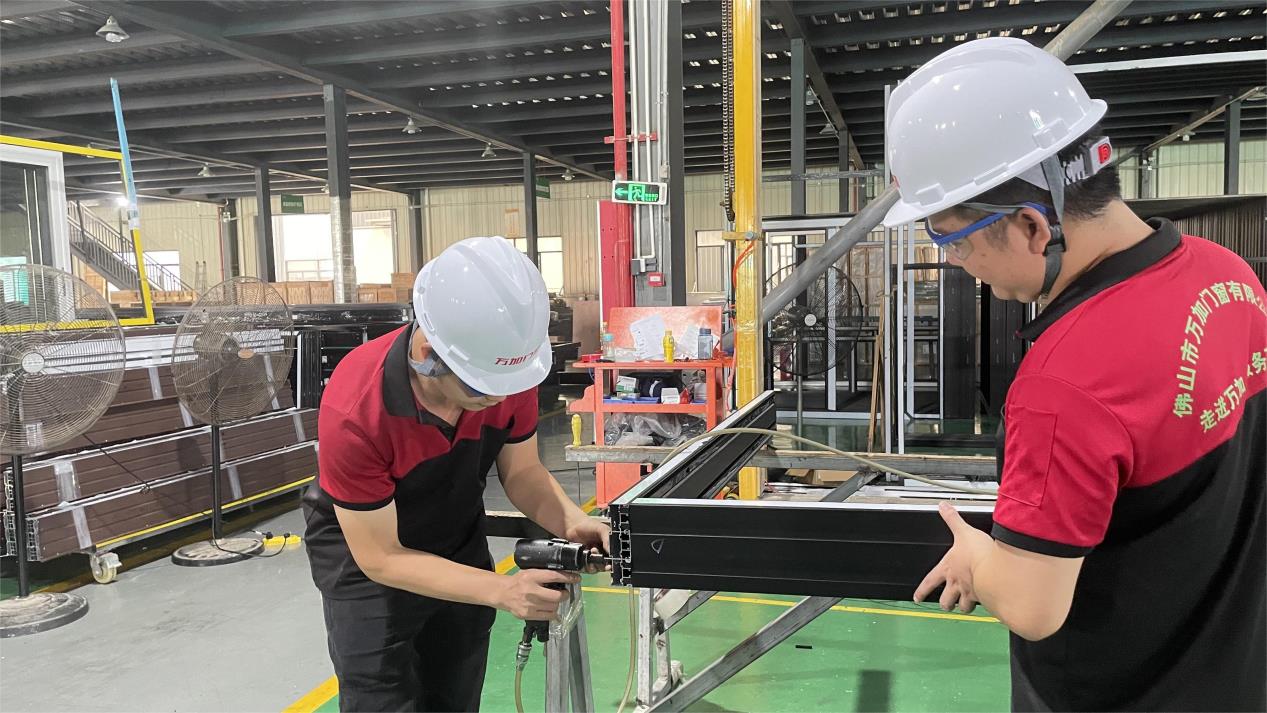
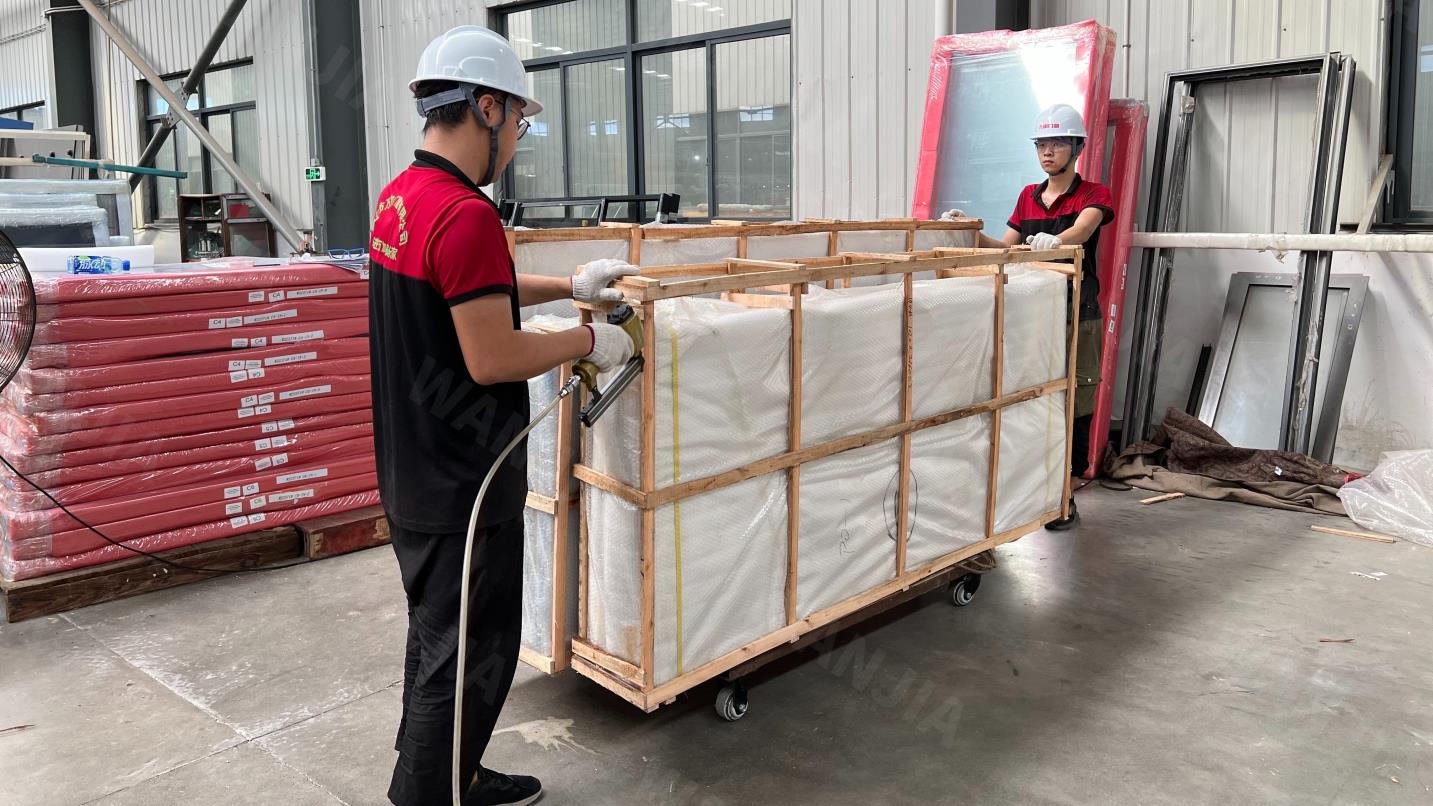
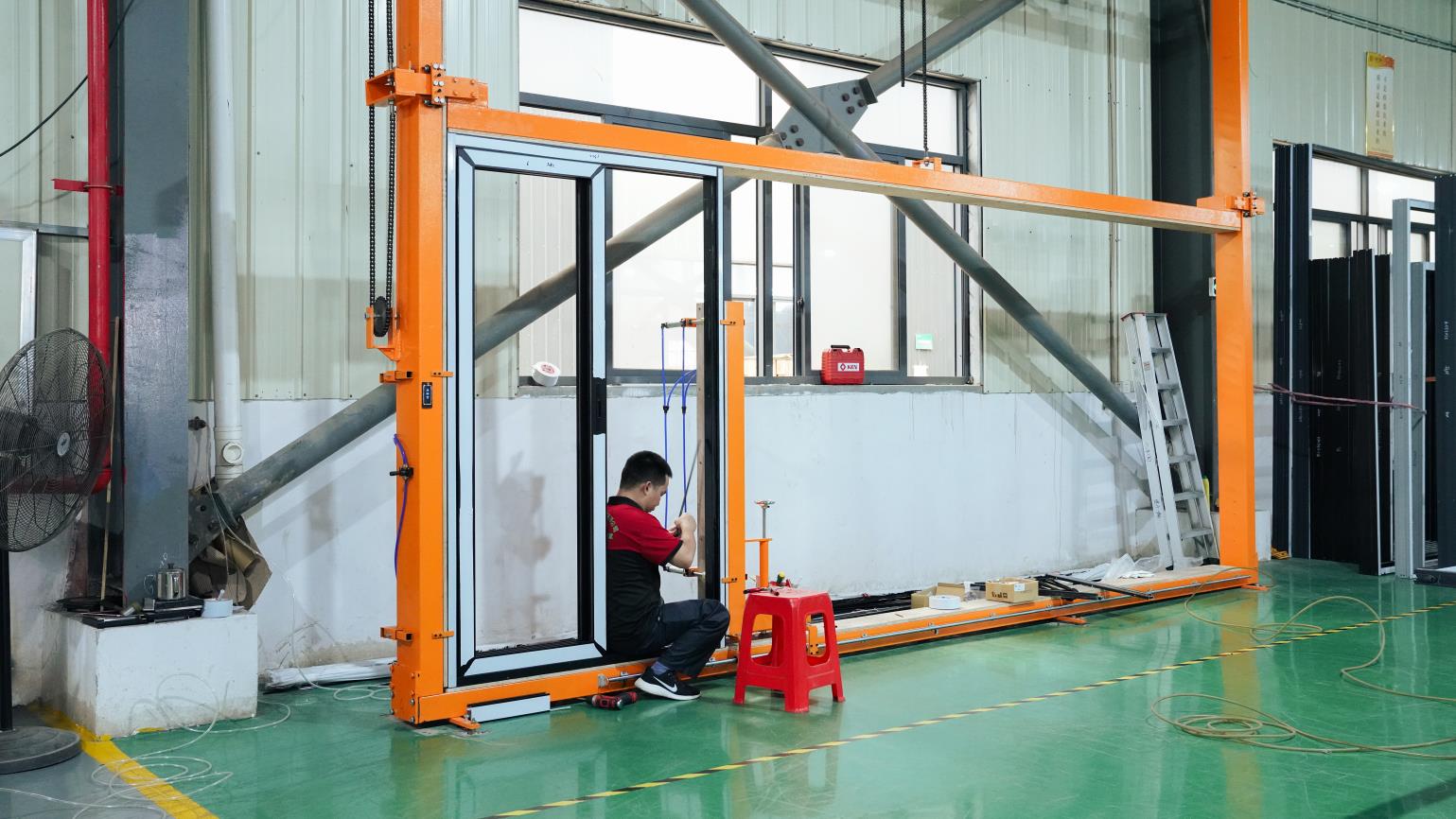
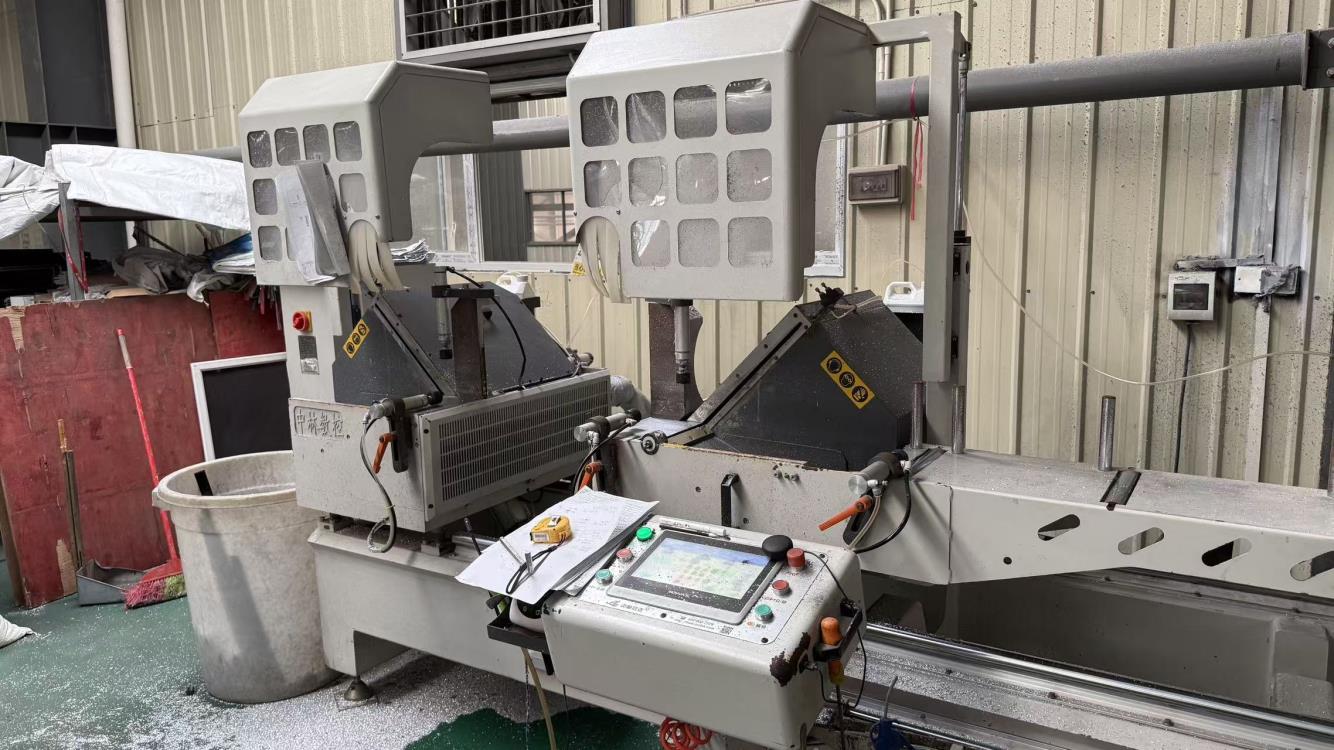
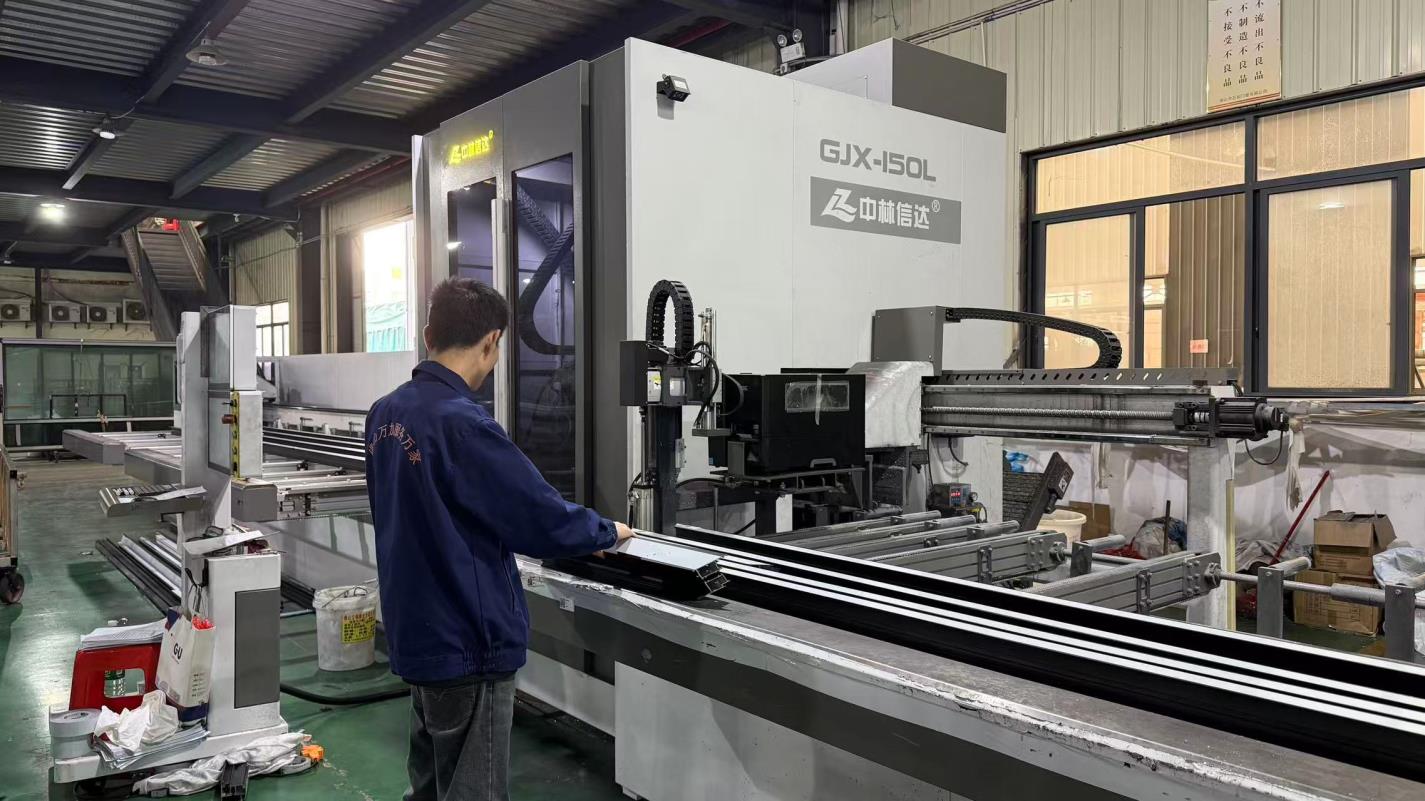
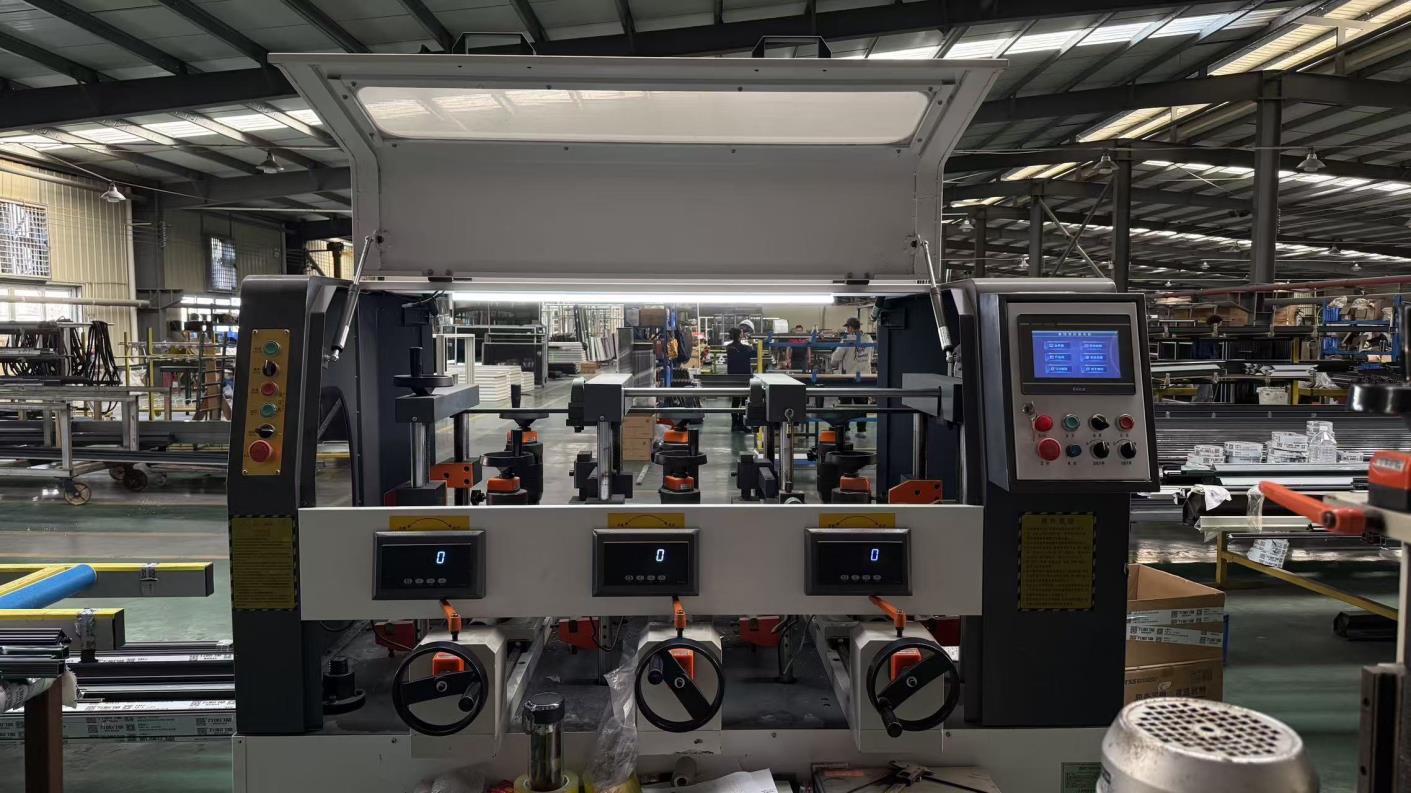
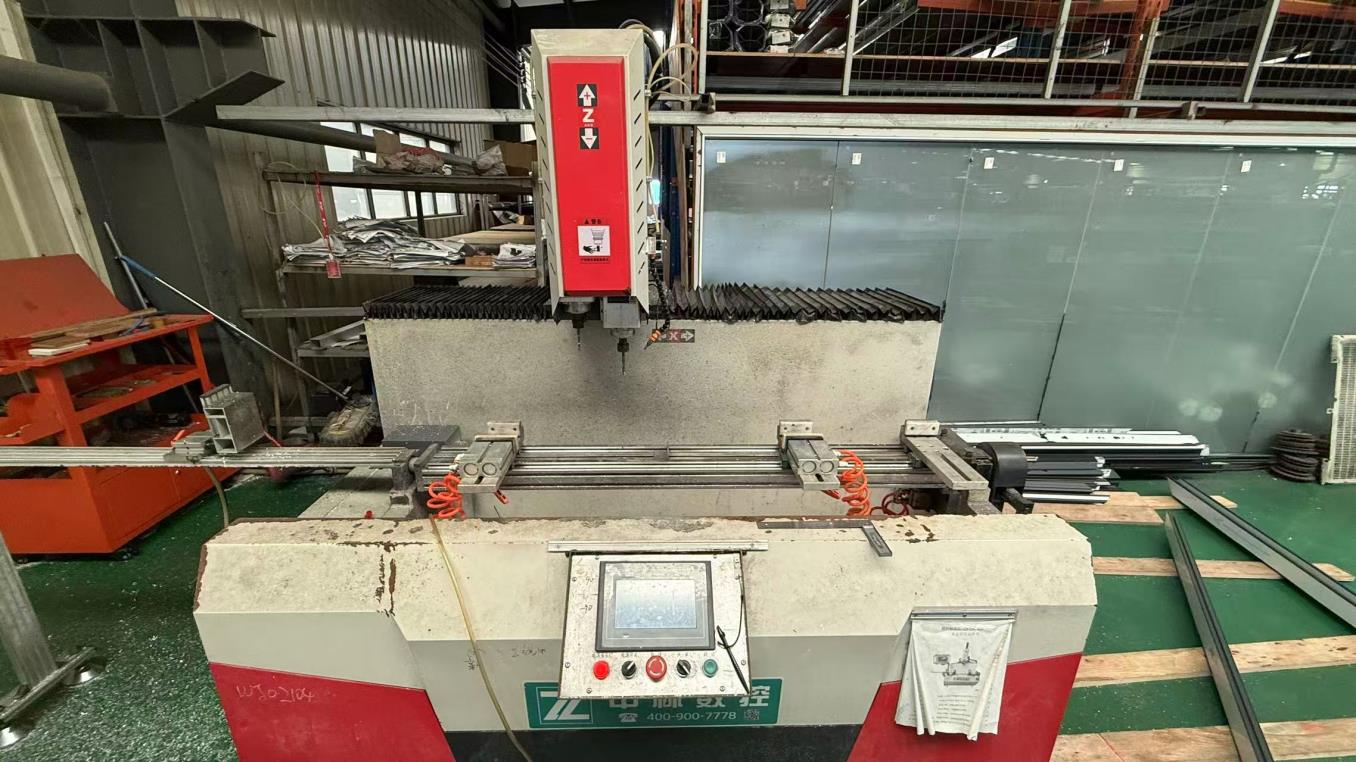
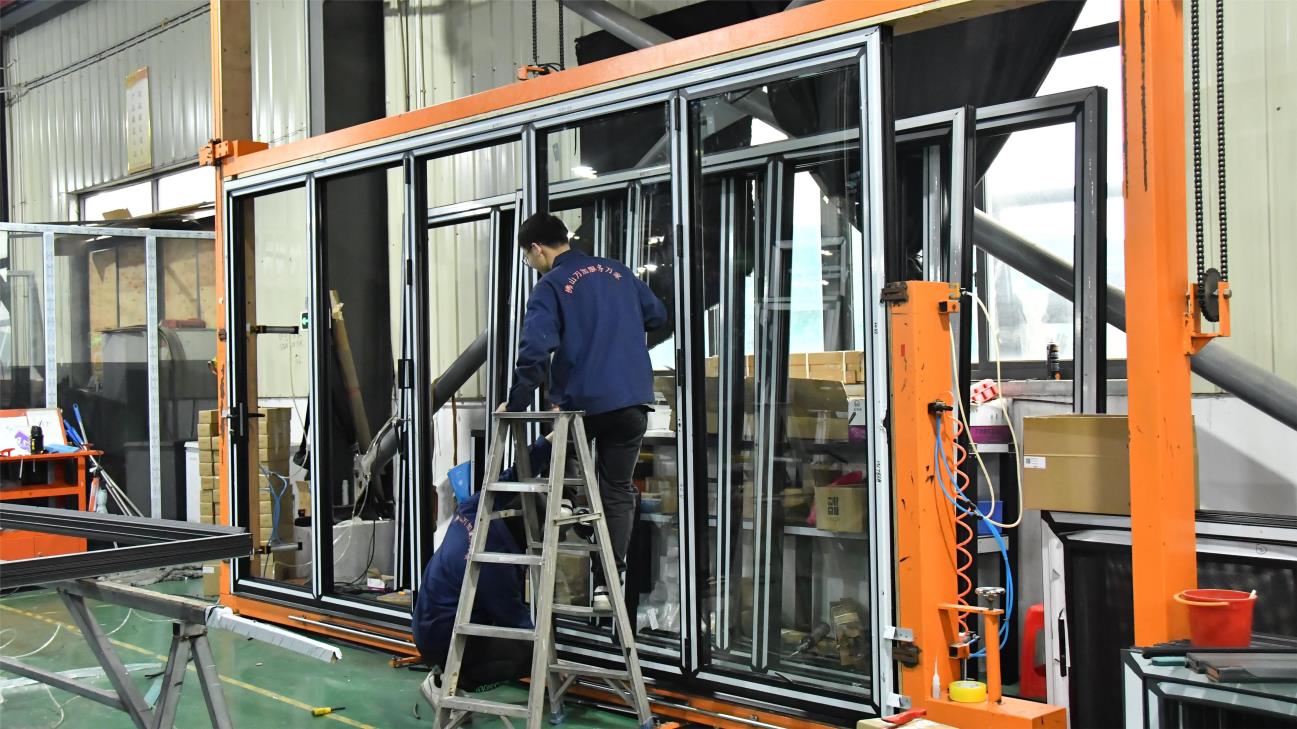
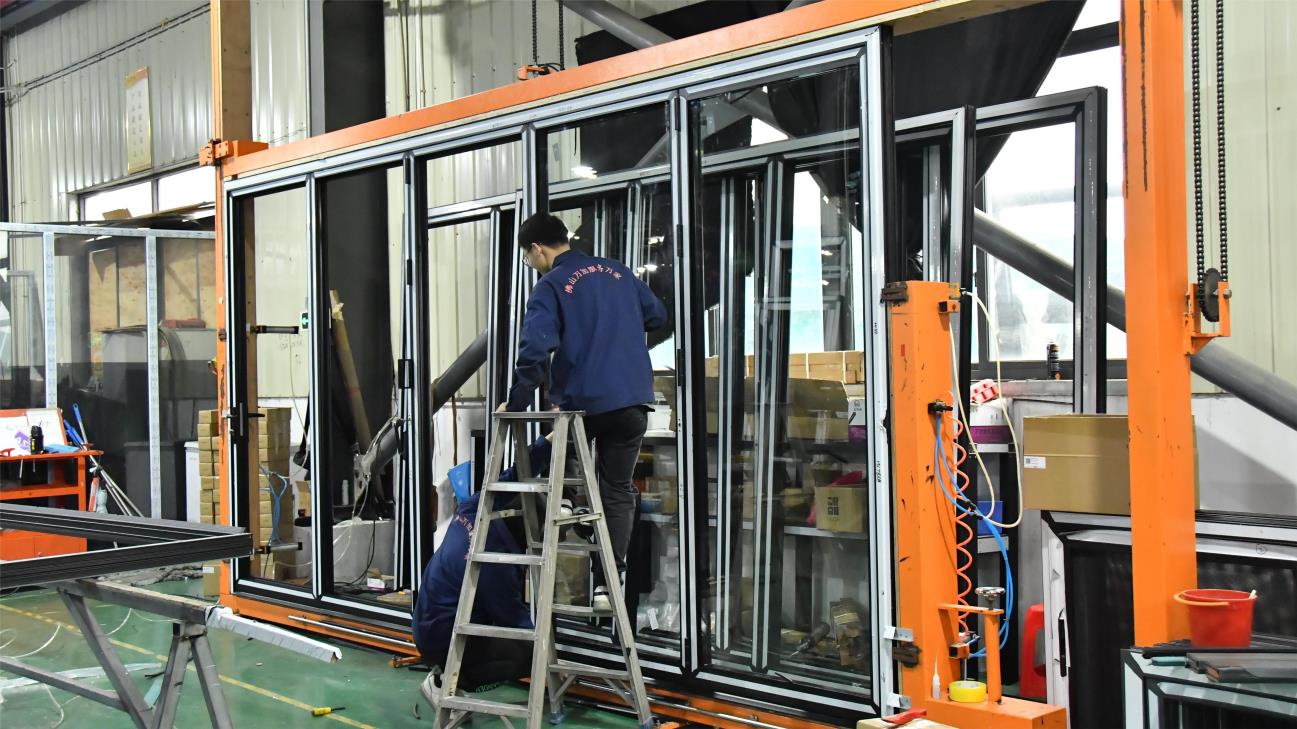
End-to-End Automated Manufacturing Processes Ensuring Sub-Millimeter Tolerances
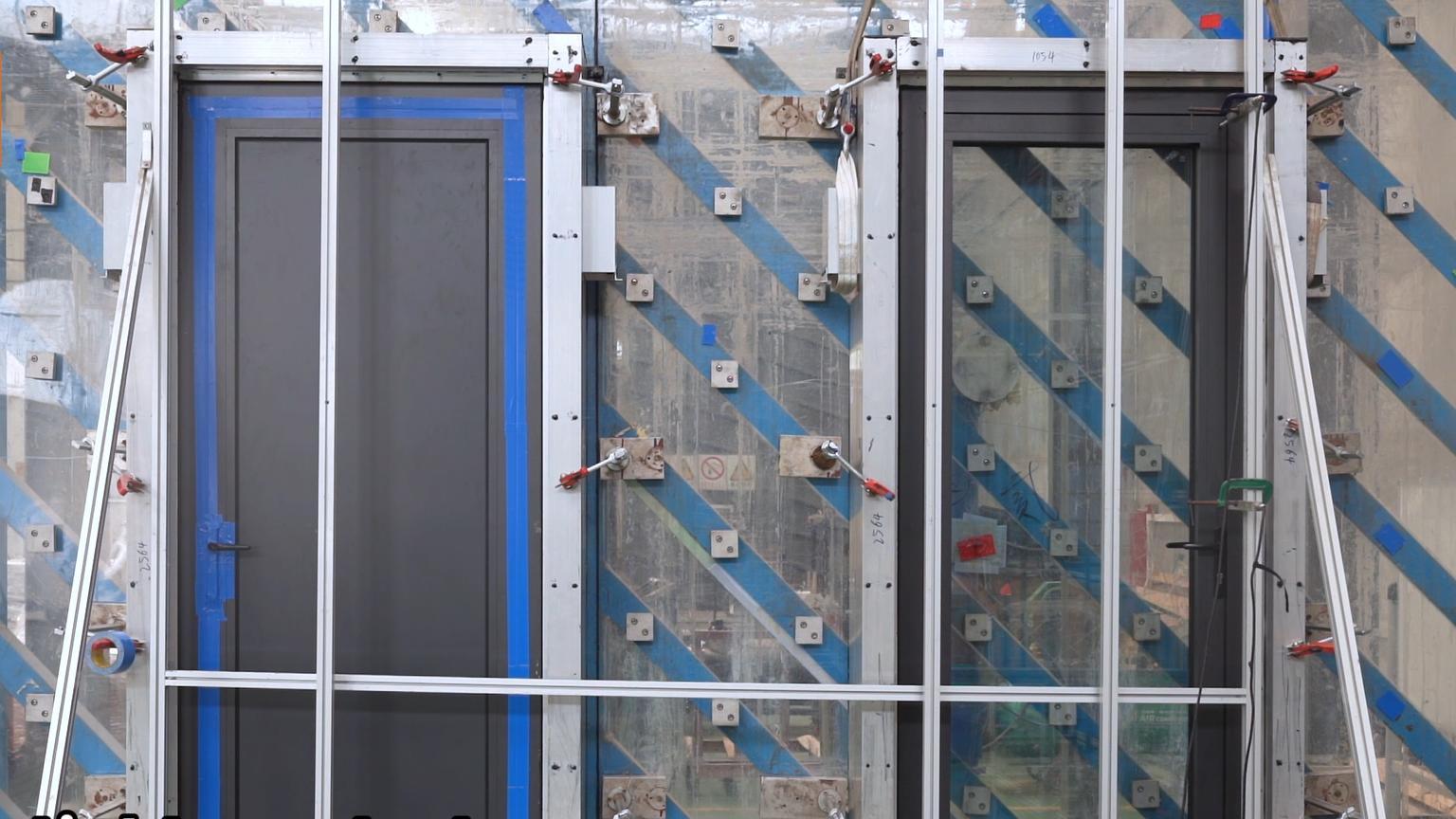
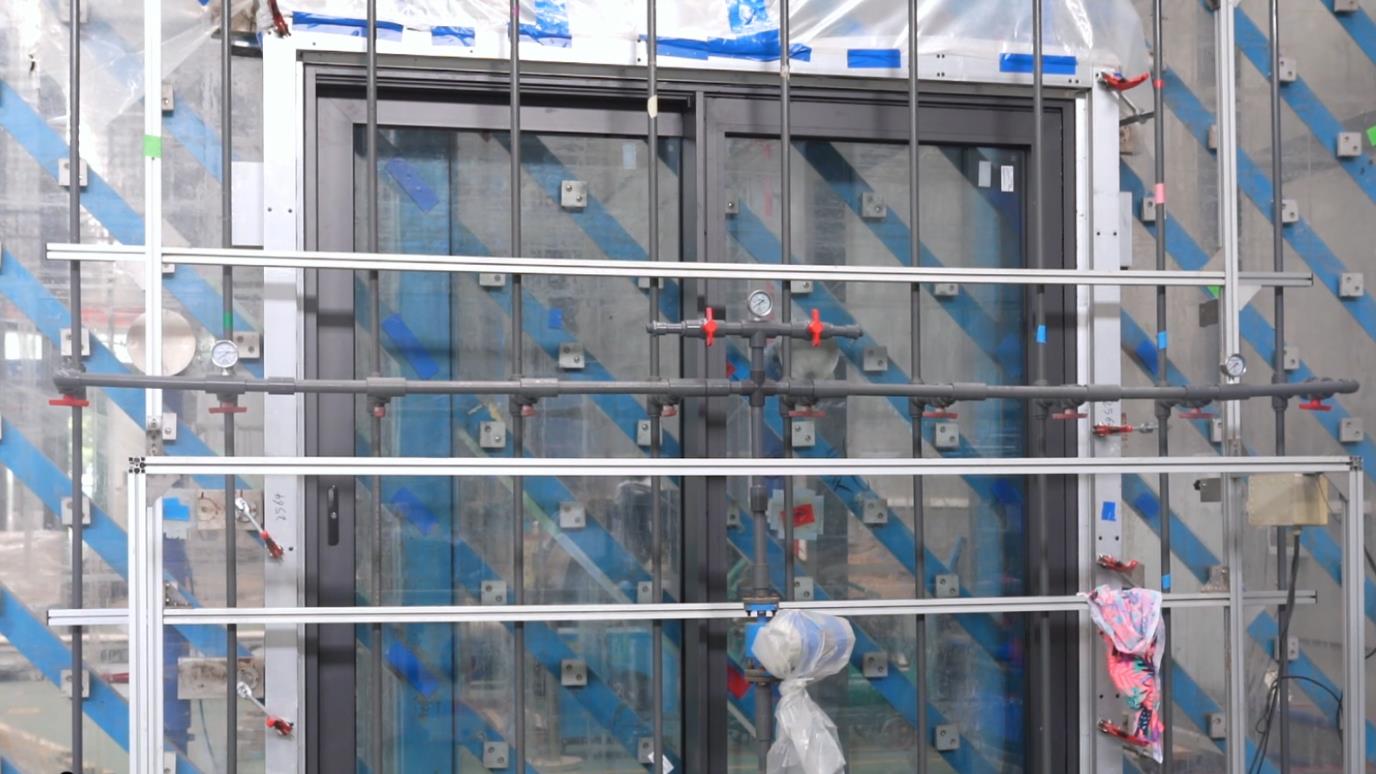
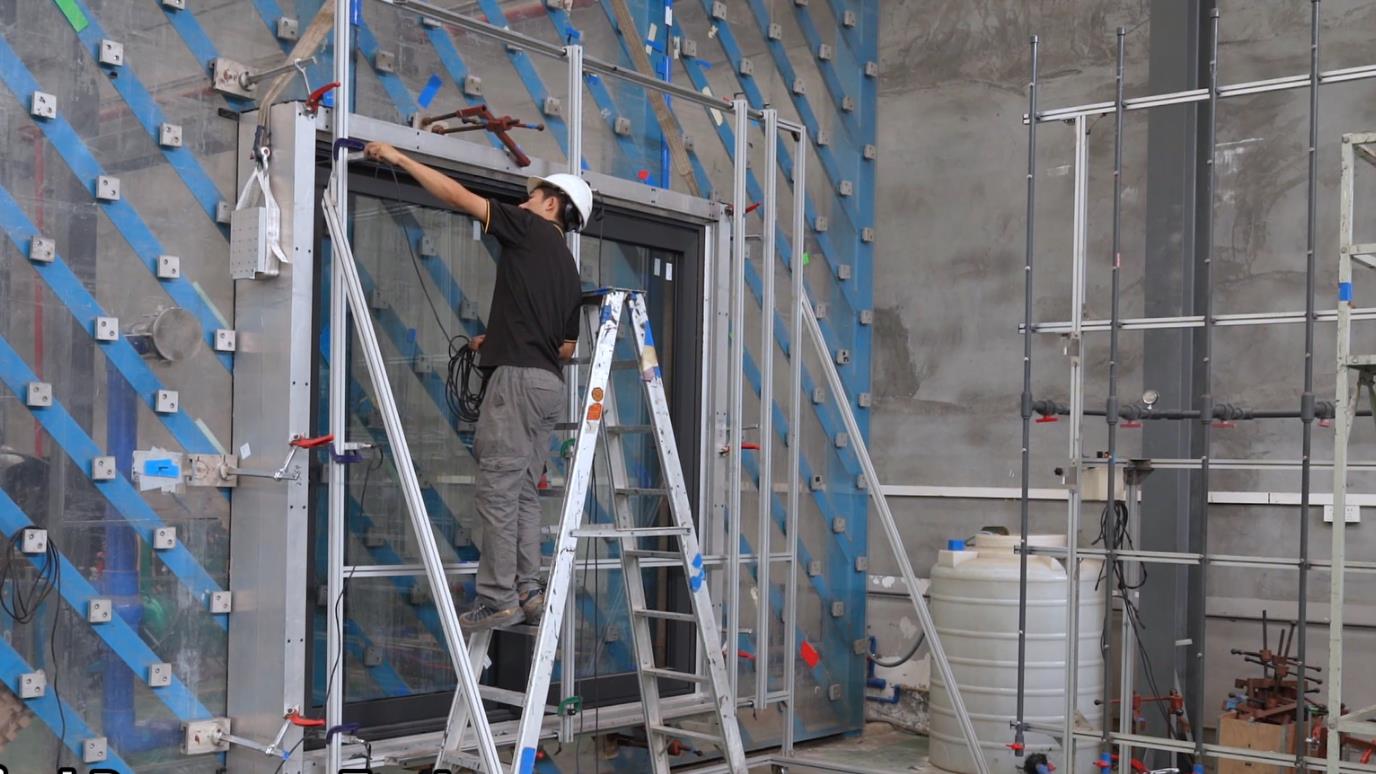
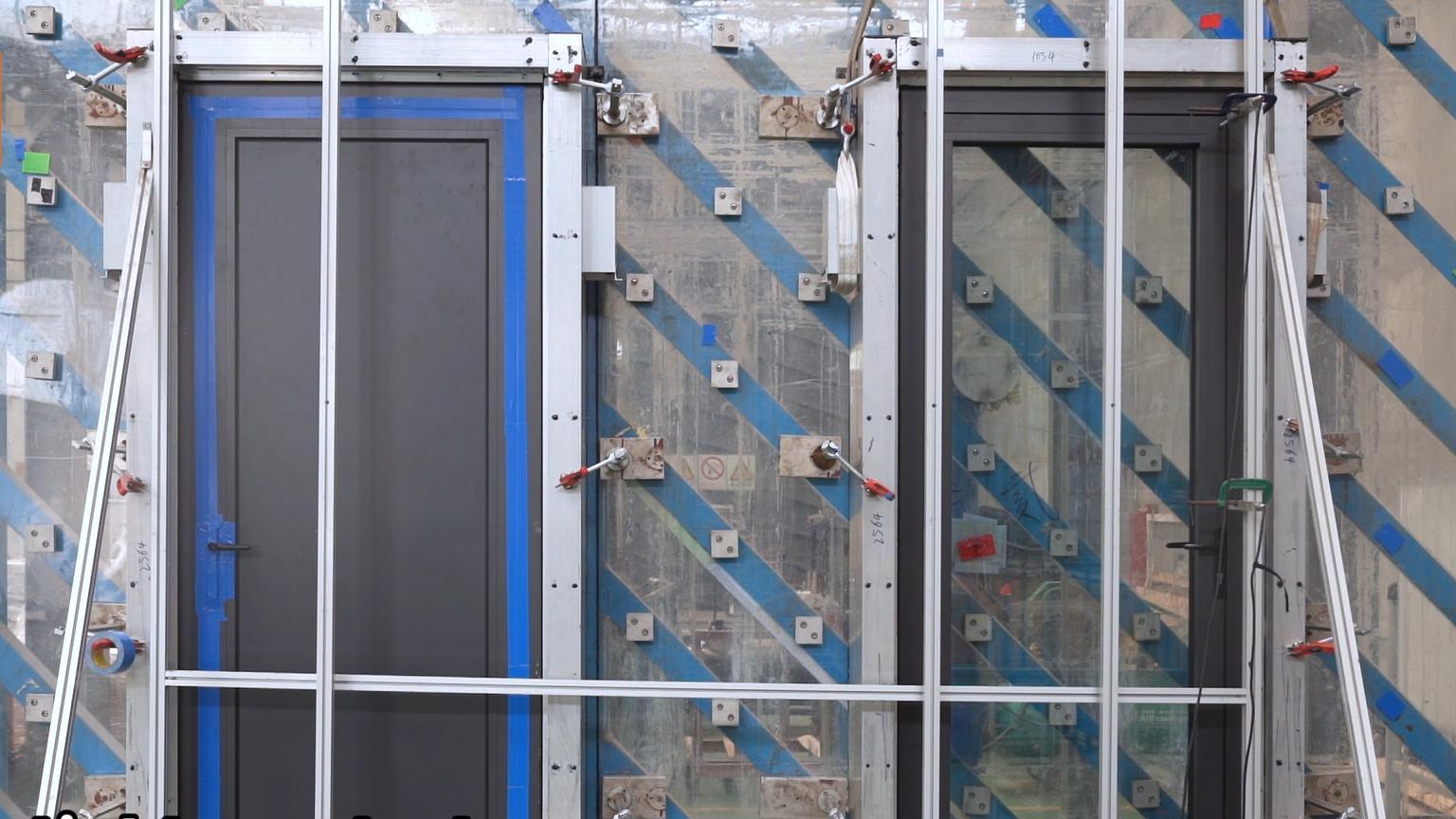
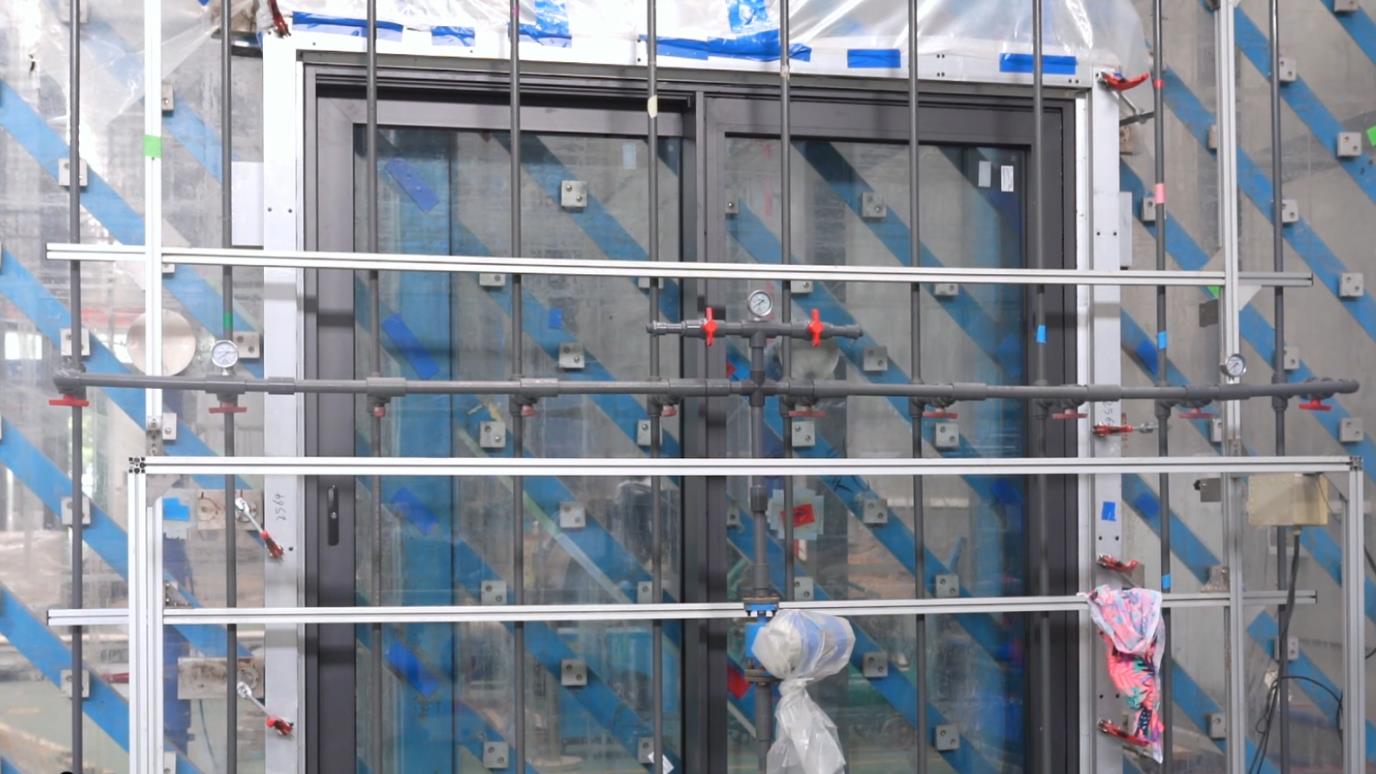
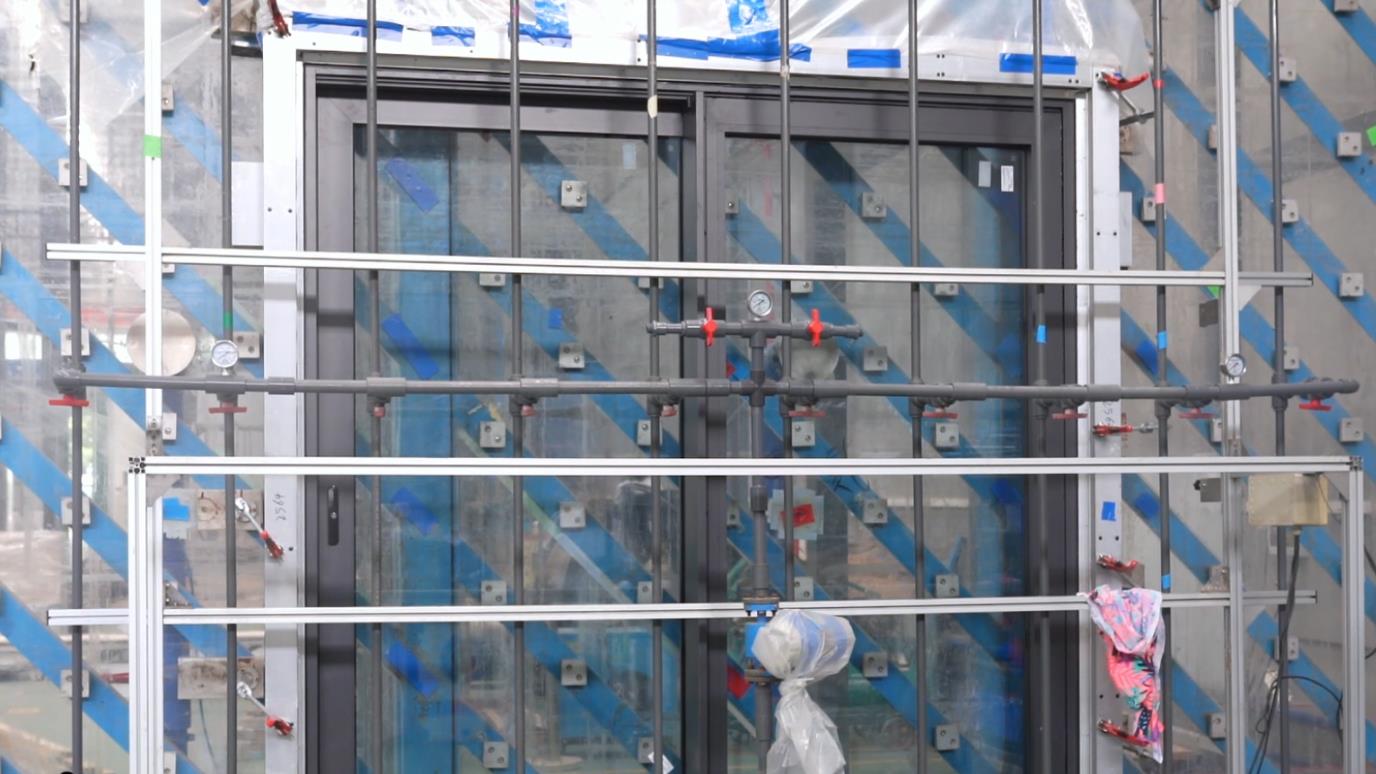
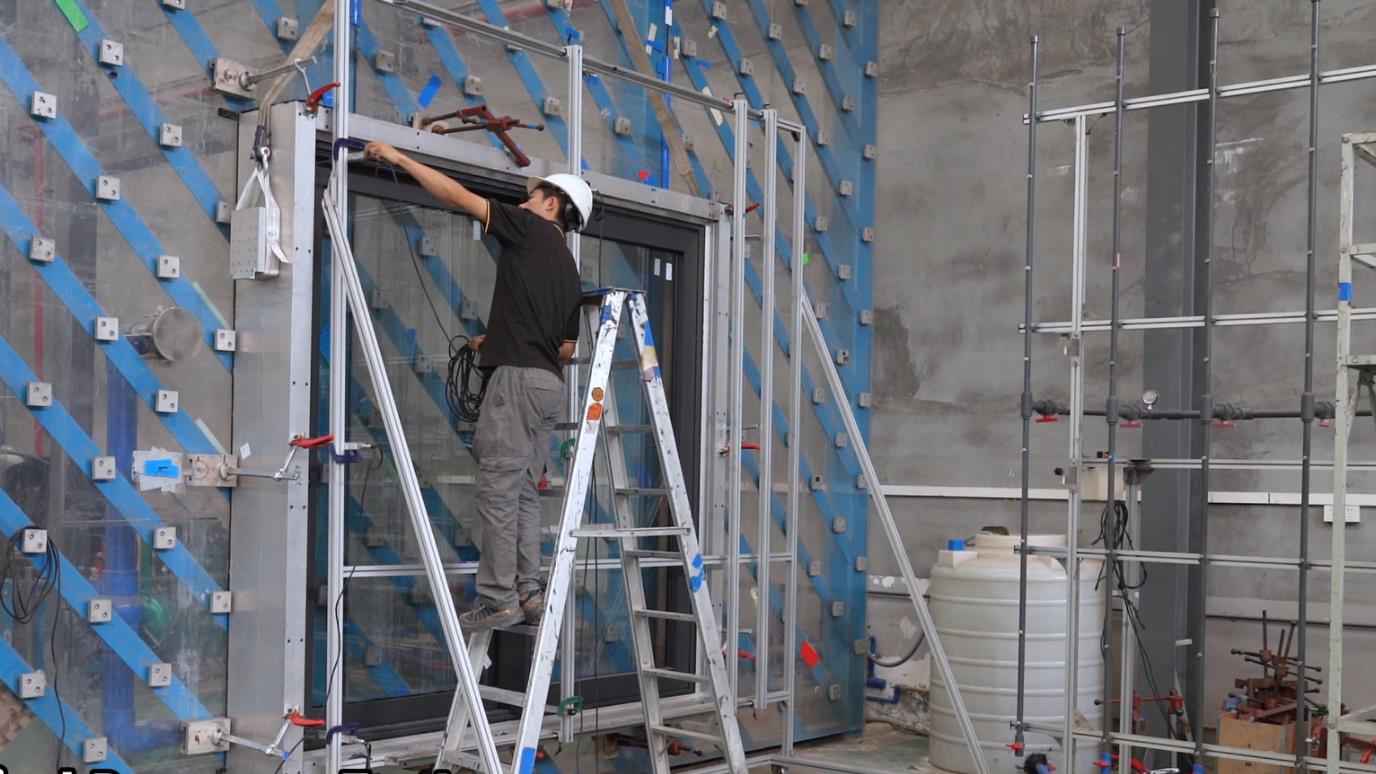
Verification of Wind Load, Water Impermeability, Air Infiltration, and Dynamic Operability
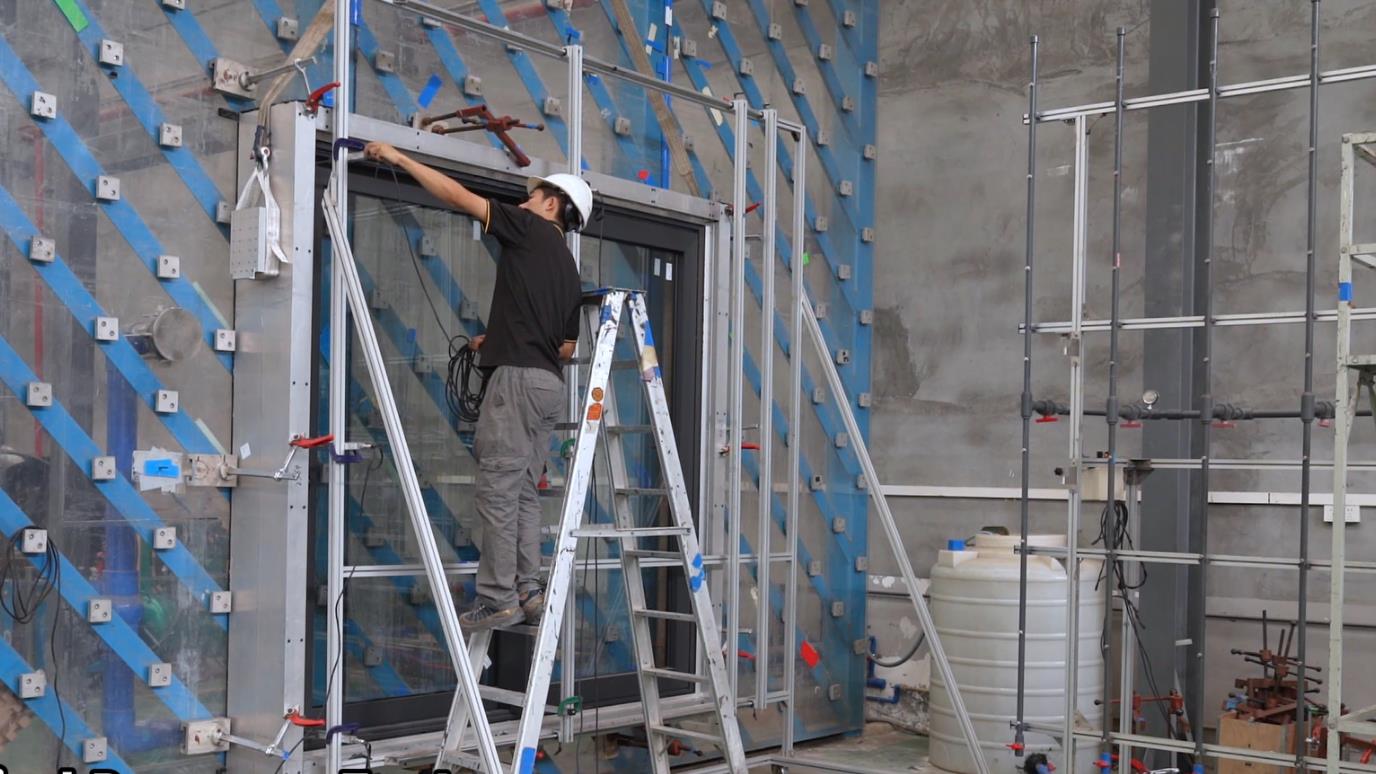
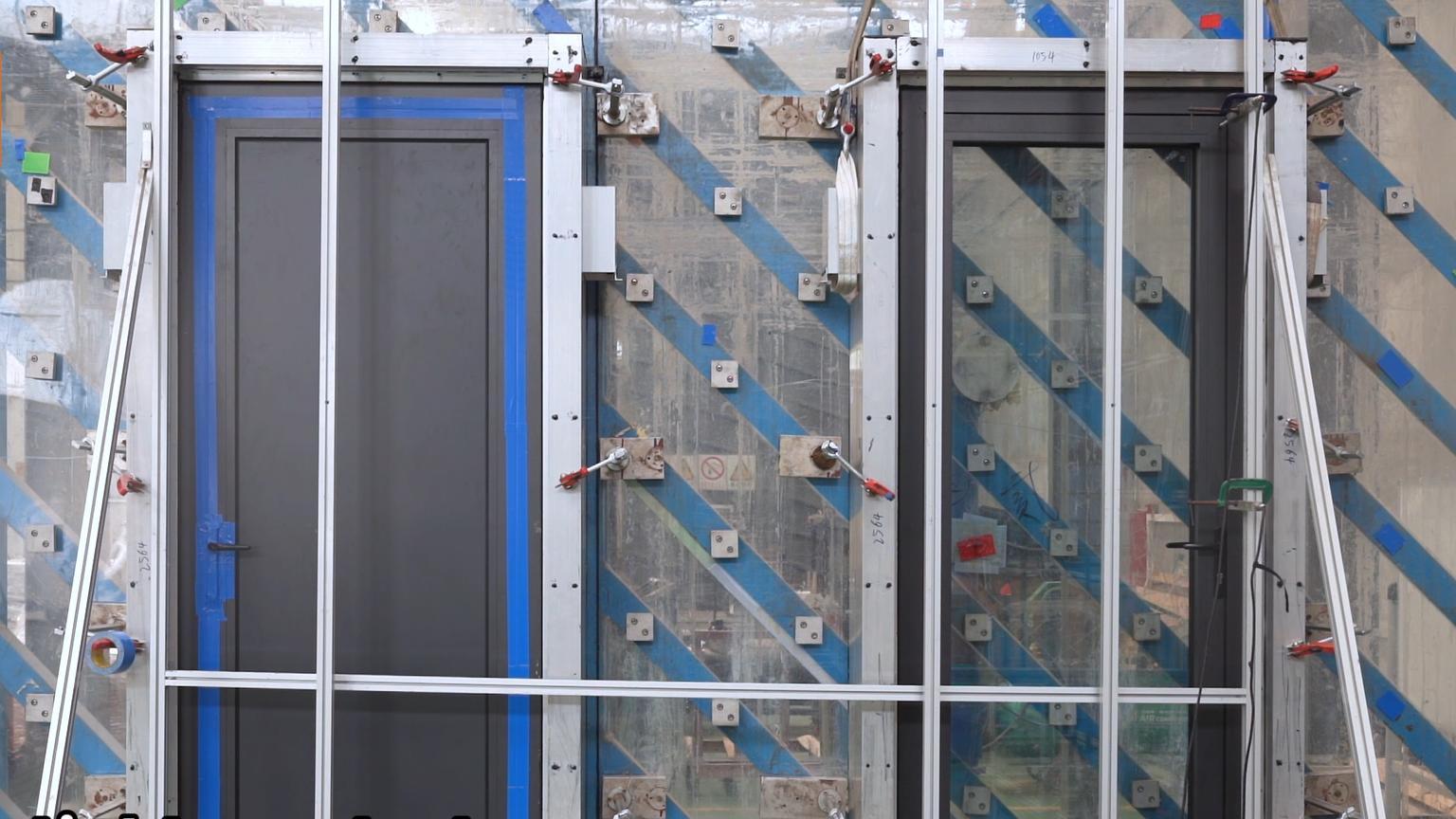
Our in-house structural testing laboratory subjects manufactured glass door assemblies to extreme physical pressure. Every door series undergoes validated testing protocols simulating coastal typhoons, heavy rainstorms, and intense cycling abuse.
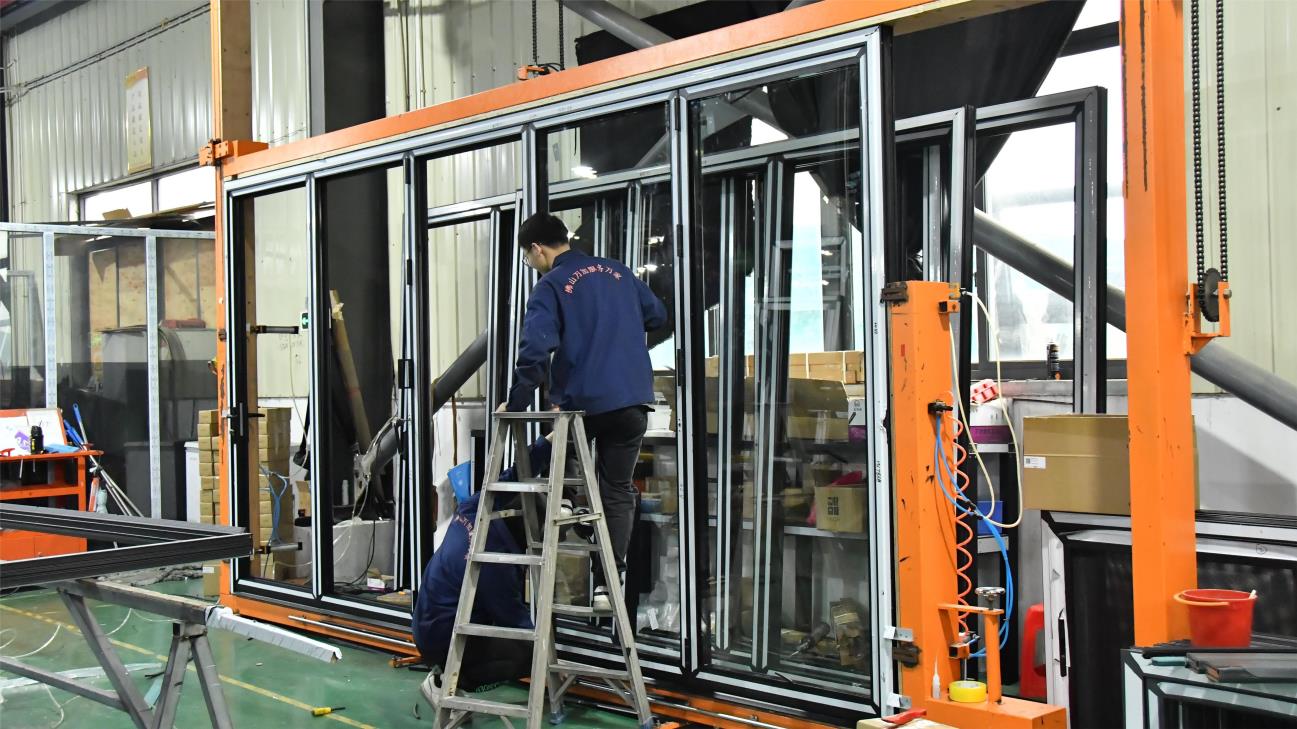
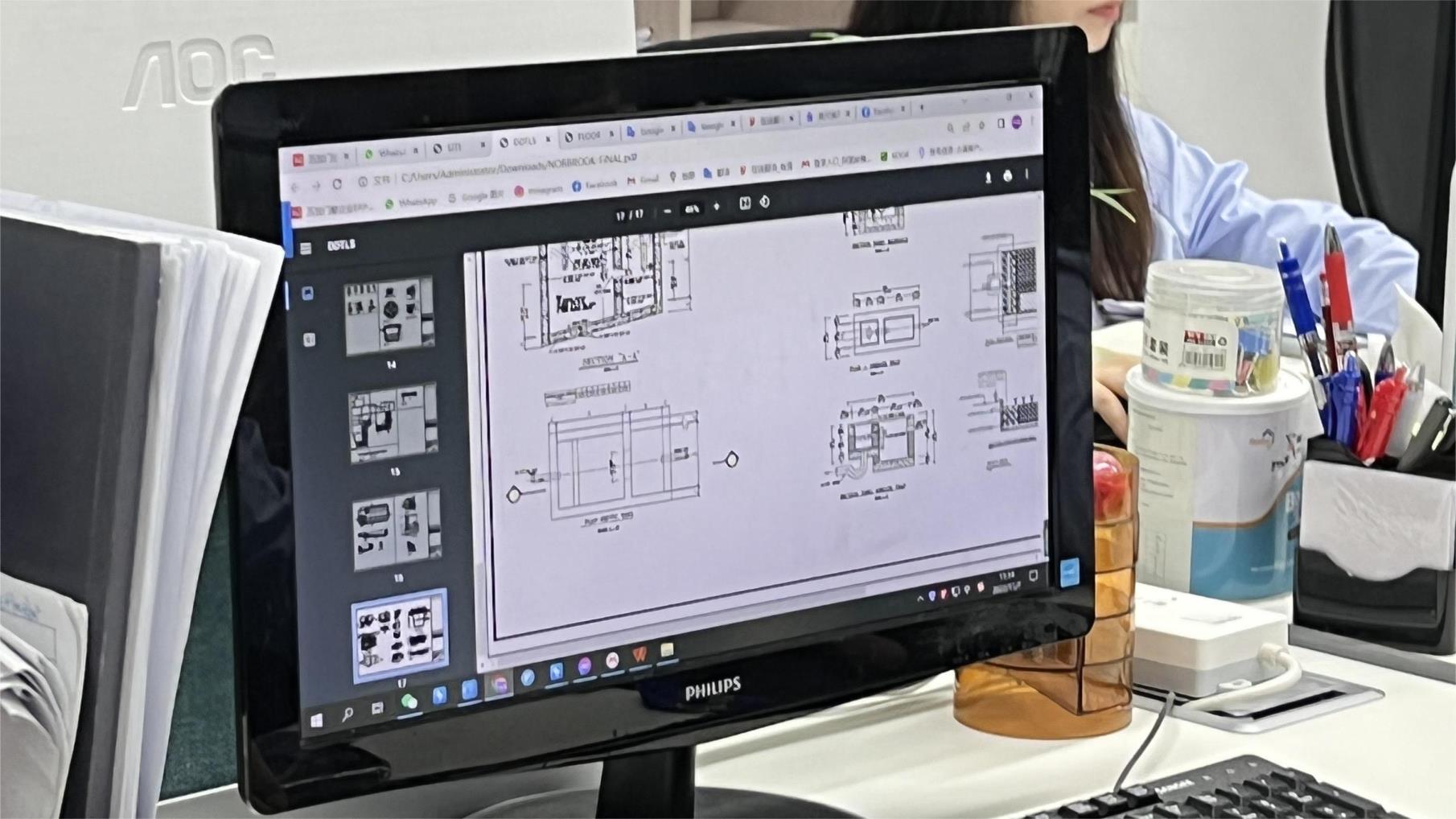
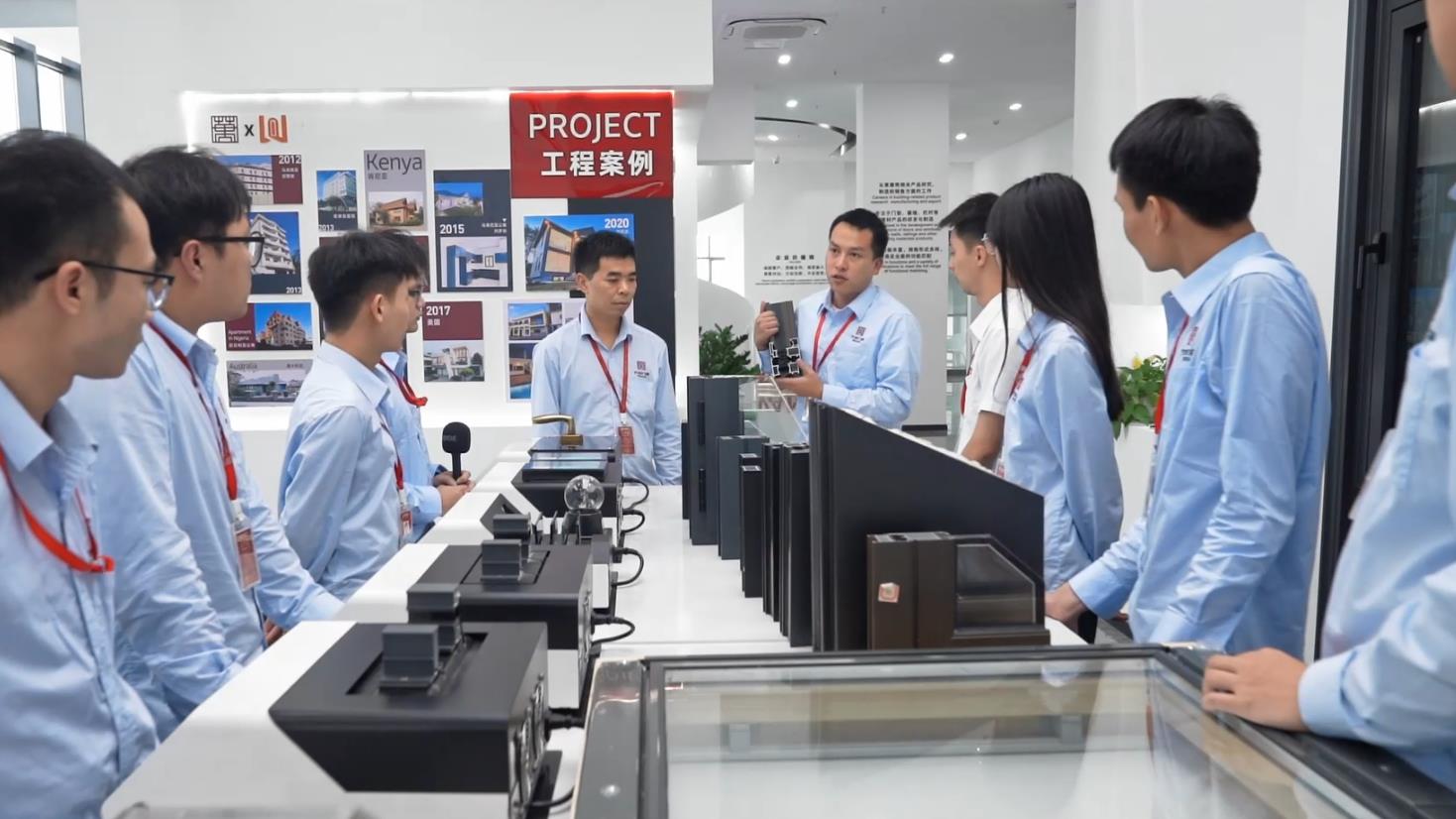
24 Engineering Specialists Dedicated to Architectural Design, Profile Extrusion Cavity Optimization, and Certification Compliance
Technical Benchmark of Key Aluminum Glass Door Configurations
| System Configuration | Structural DP Rating | Thermal U-Factor (W/m²K) | Acoustic Damping (STC) | Glazing Specification | Primary Compliance Standard |
|---|---|---|---|---|---|
| Hurricane Impact Entry Pivot Door | DP 70 - DP 100 | 1.4 - 1.8 | 38 - 45 dB | 12mm SGP Laminated + Low-E Insulated | Florida NOA / TAS 201, 202, 203 |
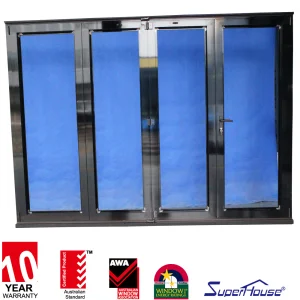
| Thermal Break Accordion Bi-Fold Door | DP 50 - DP 65 | 1.2 - 1.5 | 35 - 40 dB | 6mm + 12Ar + 6mm Tempered Low-E | AS2047 / CE EN 14351-1 |
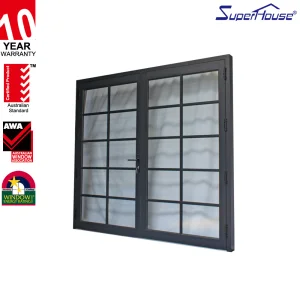
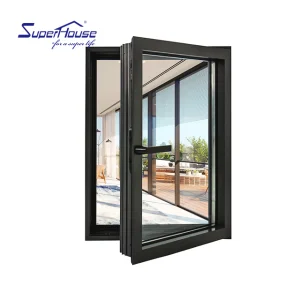
| Ultra-Narrow Profile French Casement | DP 45 - DP 60 | 1.1 - 1.4 | 36 - 42 dB | Triple Glazed Argon-Filled IGU | NFRC / Passivhaus Standard |
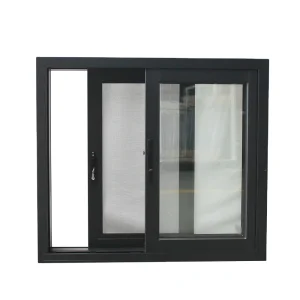
| Heavy-Duty Commercial Sliding Entrance | DP 55 - DP 75 | 1.5 - 2.0 | 32 - 38 dB | 8mm + 1.52PVB + 8mm Laminated | ASTM E1300 / ISO 9001 |
Engineered to Meet Geographic and Environmental Demands
Projects deployed in Florida, the Caribbean, and coastal East Asia require extreme resistance to wind-borne debris and air/water pressure. Our NOA-certified hurricane impact lines feature SGP interlayers and reinforced corner assembly details that withstand missile impacts up to 50 ft/s.
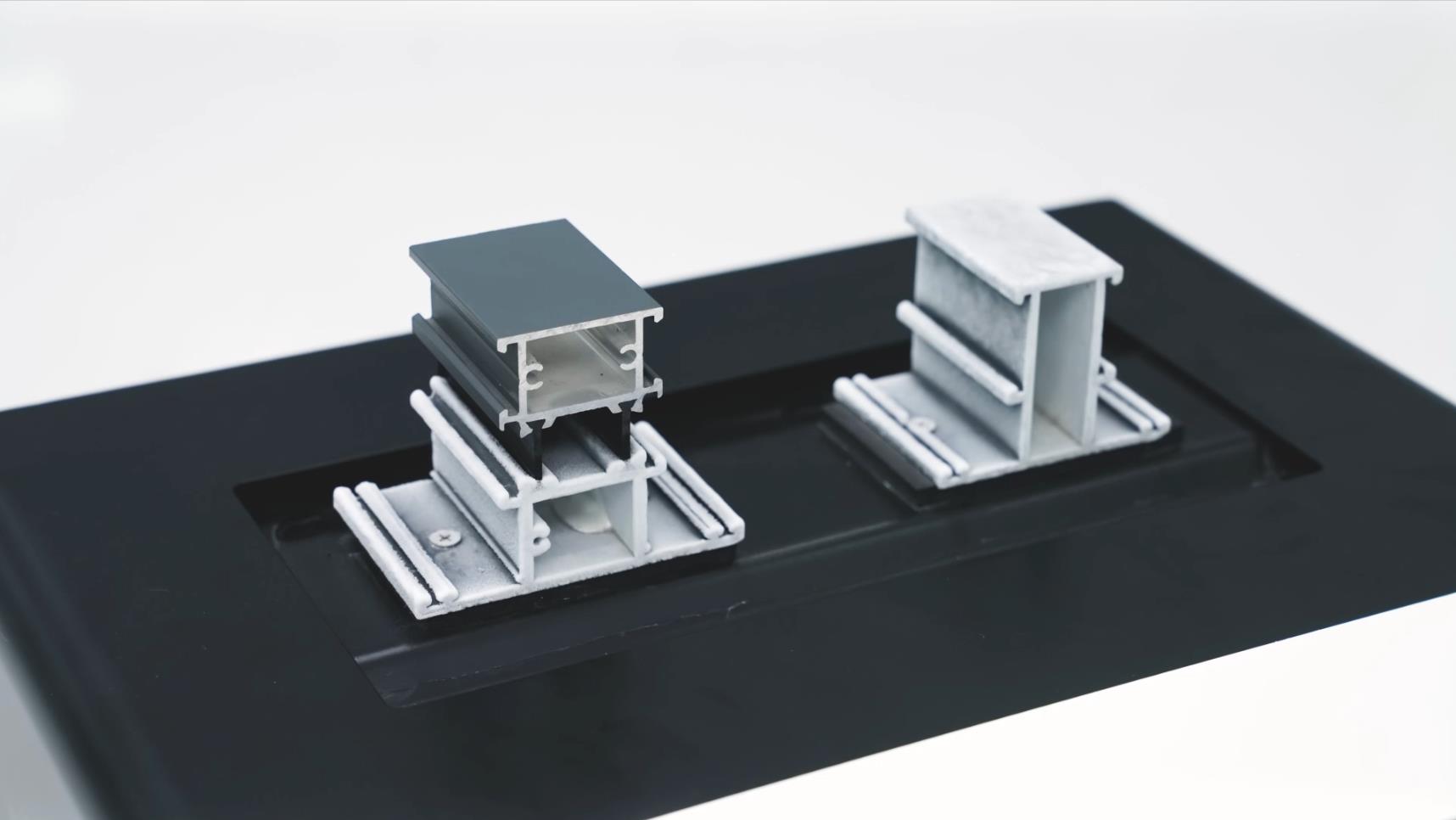
For cold climate zones across Northern Europe, Canada, and Central Asia, thermal efficiency is paramount. We incorporate multi-chamber PA66-GF25 polyamide thermal breaks and warm-edge spacers with argon gas injection to prevent thermal bridging and interior condensation.
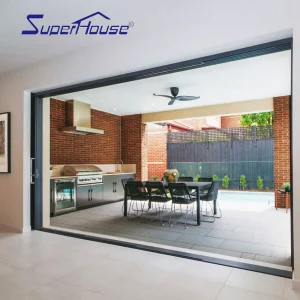
In high-end architectural developments across Australia and the Middle East, expansive views and sleek framing are essential. Our ultra-narrow profile pivot and folding systems offer panoramic daylighting without compromising structural load capacity.
Pioneering Smart Integration, Electrochromic Glass, and Sustainable Metallurgy
Integrating biometrics, facial recognition, and smart home automation platforms directly into extruded door stiles. Concealed electronic multi-point lock actuators provide seamless keyless access while maintaining structural DP ratings.
Incorporating dynamic smart glass units that adjust light transmittance electronically. This technology reduces solar heat gain coefficient (SHGC) dynamically based on real-time solar irradiation, drastically reducing HVAC consumption.
Transitioning primary extrusion lines toward 100% recycled aluminum billets processed via renewable hydropower. This lowers the embodied carbon footprint per door unit by up to 70% to meet global green building credits (LEED, BREEAM).
Adopting aerospace-grade dual-component silicone structural glazing sealants to bond glass directly to ultra-slim aluminum profiles, maximizing structural strength and seismic flexibility.
Crucial Information for Wholesalers, Builders, and Project Importers
Our aluminum entry door and window product lines hold broad certifications across major global markets. Key compliance achievements include Florida Building Code NOA (Notice of Acceptance) for High-Velocity Hurricane Zones (HVHZ), NFRC thermal performance energy ratings (U-factor and SHGC), Australian Standard AS2047 & AS1288 certification, and European CE marking under EN 14351-1. Our plant operates under strict ISO9001 quality management procedures.
Standard lead times for custom architectural door production typically range between 25 to 35 business days following final CAD shop drawing sign-off and deposit receipt. For large-scale commercial contracts or specialized custom powder-coat extrusion runs, lead times can be synchronized according to structural construction milestones.
We utilize a multi-layer protective packaging standard. Glass units and frames are protected with corner guards, wrapped in PE protective film, encapsulated in heavy-duty bubble wrap, and loaded inside fully enclosed, fumigated ISPM-15 plywood crates. Containers are packed with air cushion dunnage and heavy-duty strapping to prevent movement during sea transit.
Yes. Supported by our 24-person R&D engineering staff, we provide end-to-end OEM and ODM structural customization. We can develop custom extrusion die dies, engineer specific profile cavity geometries, and adapt thermal break systems to meet specific local building code performance requirements.
Non-thermal break aluminum profiles consist of solid metal extrusions, which conduct heat and cold easily across the door frame. Thermal break profiles insert a structural, low-conductive polyamide strip (PA66-GF25) between interior and exterior aluminum profiles. This isolates thermal conductivity, dramatically reducing heating and cooling costs while preventing interior surface condensation.
Comprehensive Product Catalog for Global Distributors and Construction Projects
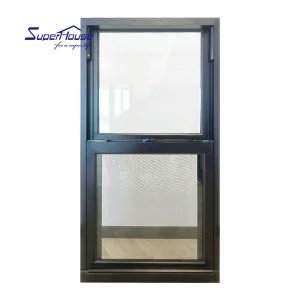
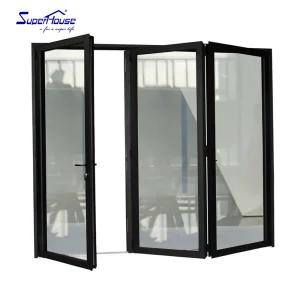
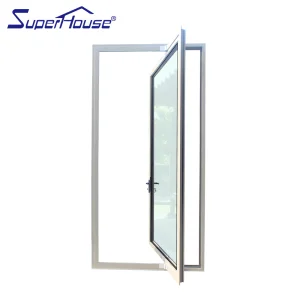
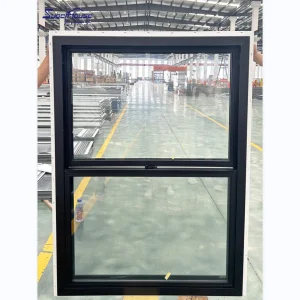
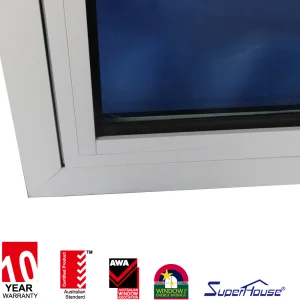
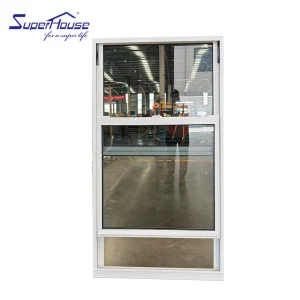
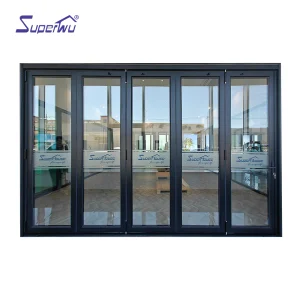
 OptiDoors