Explore our certified high-performance thermal break aluminum doors and specialized impact windows engineered for modern architectural requirements worldwide.
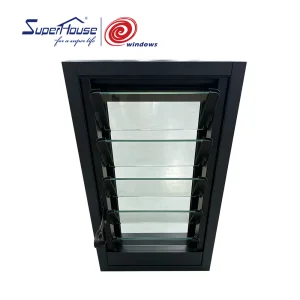
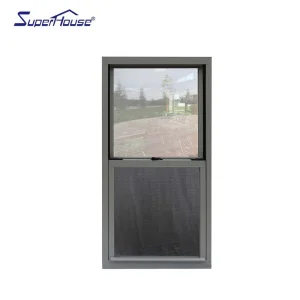
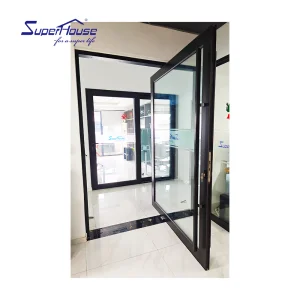
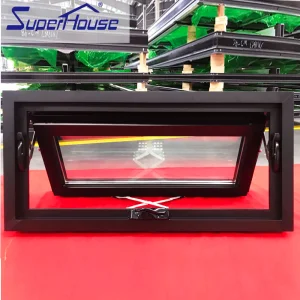
A technical examination of thermal bridging, building envelope efficiency regulations, and material performance parameters driving international procurement strategies.
Modern building envelope regulations, such as the European Union’s Energy Performance of Buildings Directive (EPBD) and North American Energy Star specifications, mandate overall thermal transmittance values (U-factors) below 1.2 W/m²K. Insulated entry doors form the primary thermal boundary preventing conductive heat loss and air infiltration.
Uninsulated aluminum frames conduct heat rapidly (high thermal conductivity λ ≈ 200 W/m·K). By inserting structural Polyamide PA66 GF25 (25% glass fiber reinforced) thermal break strips between inner and outer extruded aluminum profiles, heat transfer is reduced by up to 85%, eliminating condensation risks.
Under European Standard EN 14351-1, CE certification ensures that insulated entry doors pass strict assessments for wind resistance (EN 12210), water tightness (EN 12208), air permeability (EN 12207), and operating forces. This certification provides verified technical transparency for enterprise buyers.
In contemporary commercial and high-end residential construction, the building envelope represents the critical threshold determining operational carbon emissions and indoor environmental quality (IEQ). Insulated entry doors have transitioned from basic security barriers into complex, multi-layered architectural components required to deliver exceptional thermal resistance, acoustic damping, wind-load resistance, and long-term durability.
The global shift toward Net-Zero Energy Buildings (NZEB) and Passive House (Passivhaus) standards has drastically elevated performance benchmarks. In traditional door designs, thermal bridging across the frame and perimeter seals accounts for over 25% of total building air leakage and conductive energy loss. Modern CE certified insulated entry doors mitigate these failures by utilizing multi-cavity thermal break profiles, polyisocyanurate (PIR) or high-density polyurethane (PU) insulating core panels, and triple-sealed EPDM (Ethylene Propylene Diene Monomer) gasket systems.
Furthermore, structural stability under dynamic climatic loads remains paramount. Doors installed in coastal or high-altitude regions must resist severe wind pressure variations without mechanical deflection that could compromise seal integrity. Integrating high-tensile extruded 6063-T5/T6 aluminum alloys with automated multi-point lock mechanisms provides structural stability while ensuring continuous compression against perimeter seals under severe ambient pressures.
Founded in 2018, Shandong OptiDoors Technology Co., Ltd. occupies a state-of-the-art manufacturing complex of 8,200 m², uniting advanced automated machinery, dedicated R&D engineering, and comprehensive ISO9001 quality assurance.
Backed by 8 years of specialized door industry experience and 4 years of rapidly expanding global trade, our factory executes strict ISO9001 quality management procedures. To guarantee flawless performance under extreme atmospheric exposure, every product line undergoes rigorous salt-spray corrosion chamber testing, static air-pressure testing, structural wind-load deflection analysis, and forced impact testing methods.
Our quality control organization employs 16 dedicated QA officers who monitor every critical production stage, from raw material ingot arrival and alloy extrusion verification to final automated packaging and container loading.
Our primary international customer footprint spans Western Europe, the Middle East, Central Asia, North America, and Australia, supported by an established network of 380 supply chain partners and a highly versatile international trade background.
Our primary client base includes regional door wholesalers, custom commercial and residential home builders, and high-volume e-commerce importers. With agile product engineering capabilities, our in-house engineering team of 24 R&D experts successfully released 40 new entry door lines last year alone, offering versatile customization including modern minimal profile aesthetics, advanced thermal break internal cavities, exact custom RAL powder coating colors, and heavy-duty multi-point security locking systems.
Explore the 9 core stages of our automated production line, engineered to maintain tight mechanical tolerances within ±0.1mm across every door frame and sash.
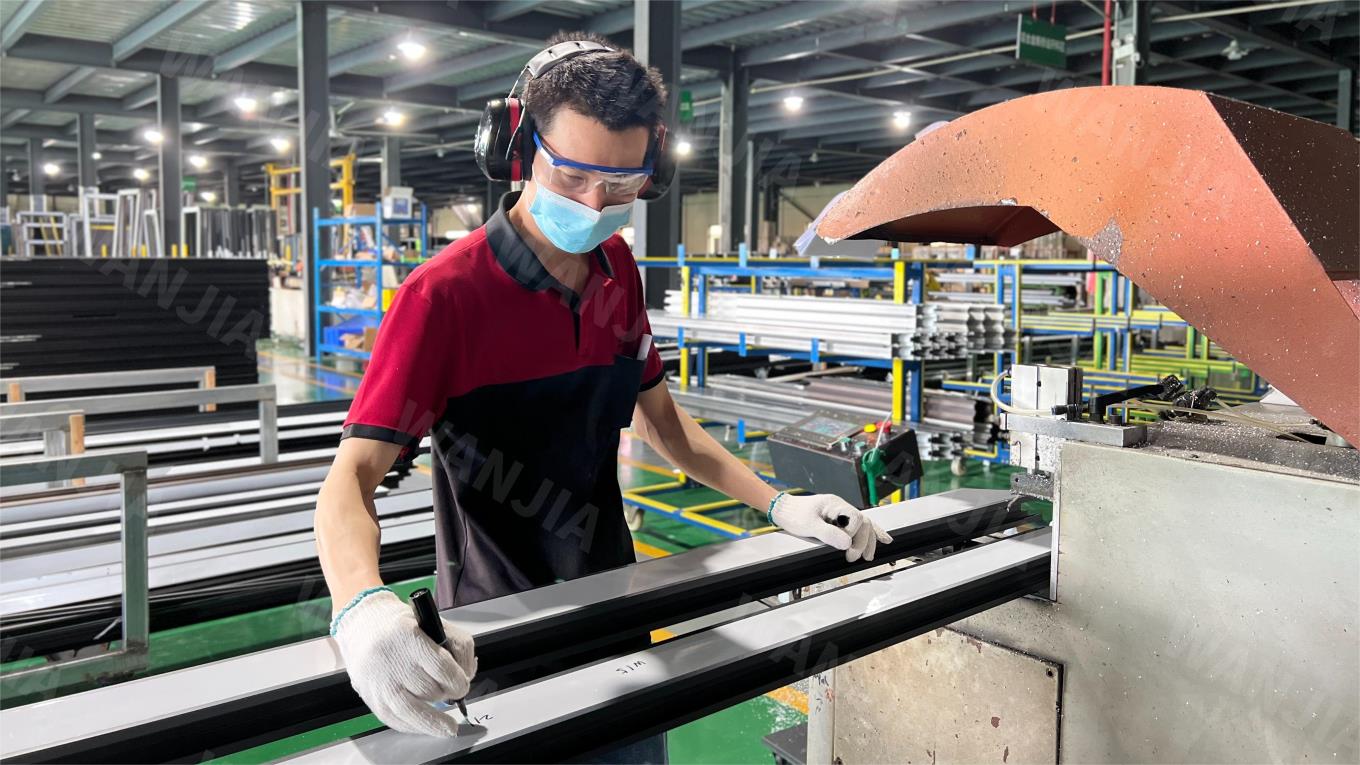
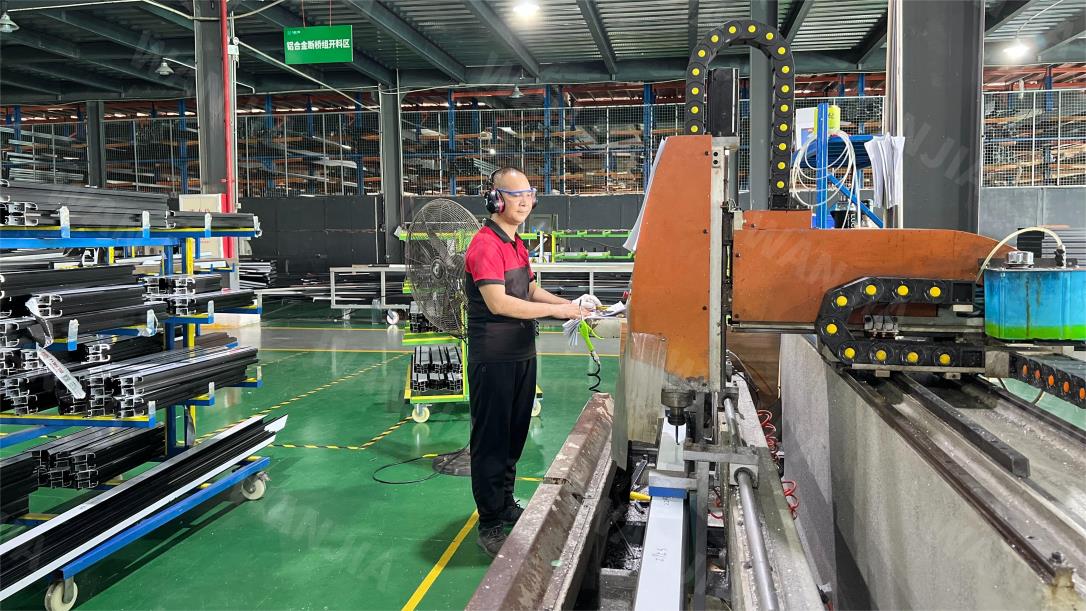
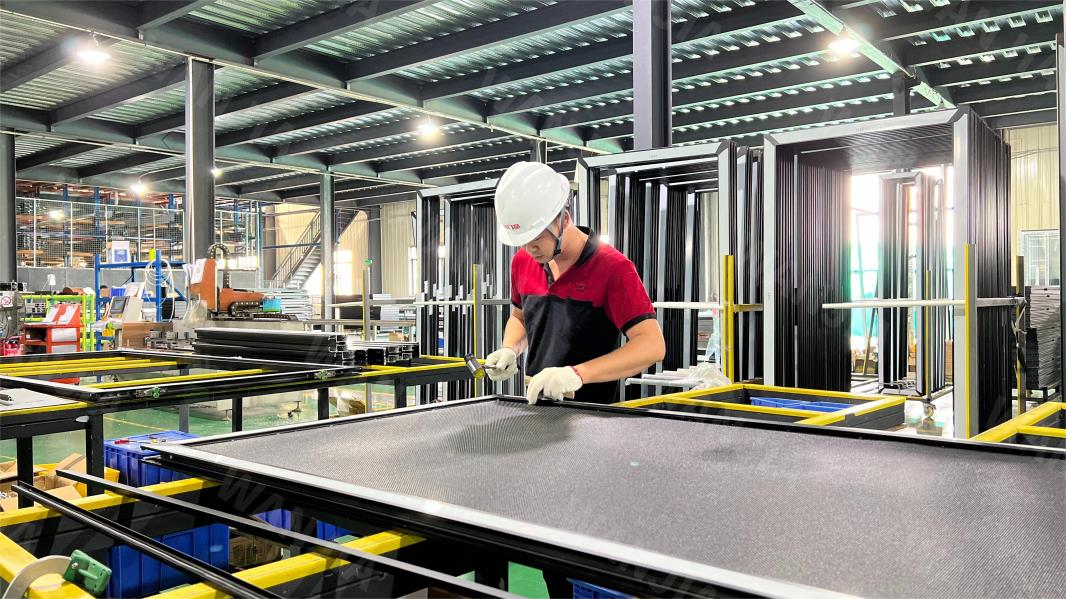
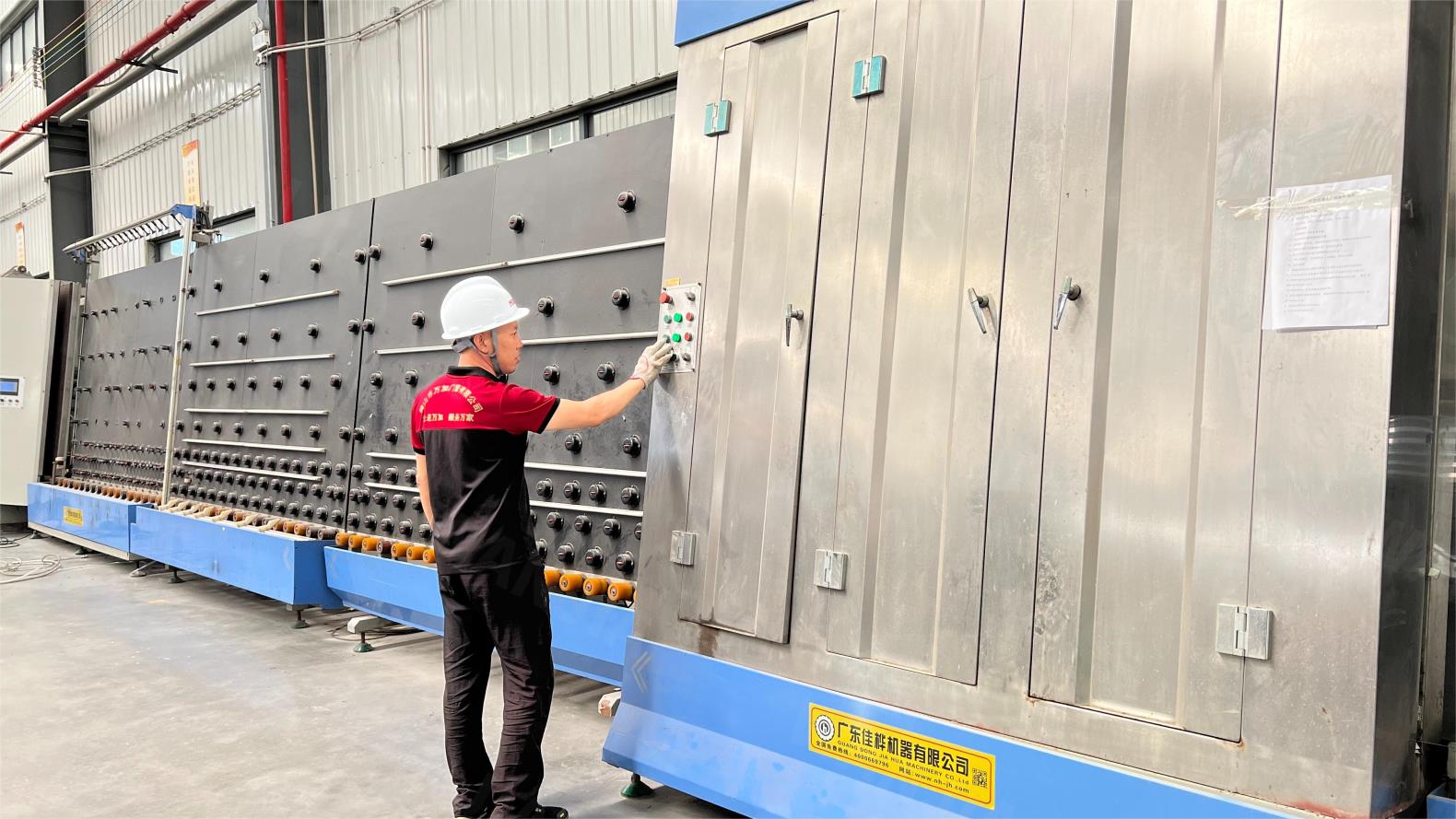
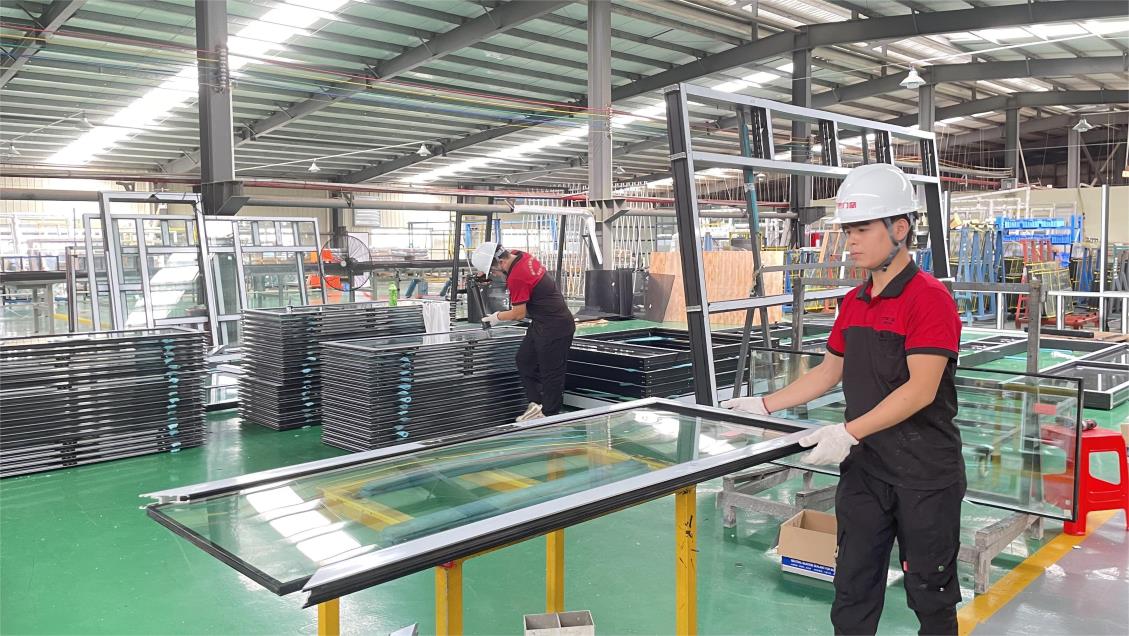
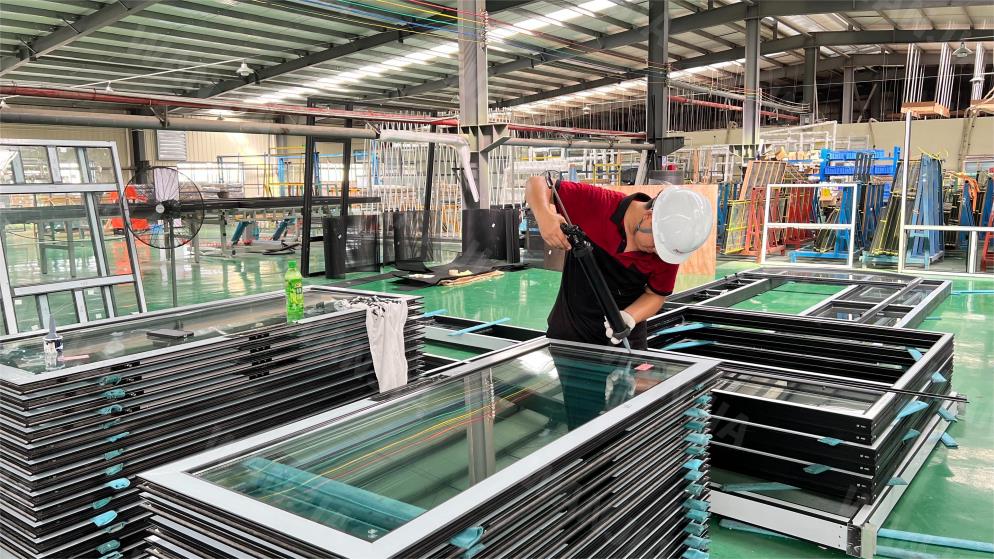
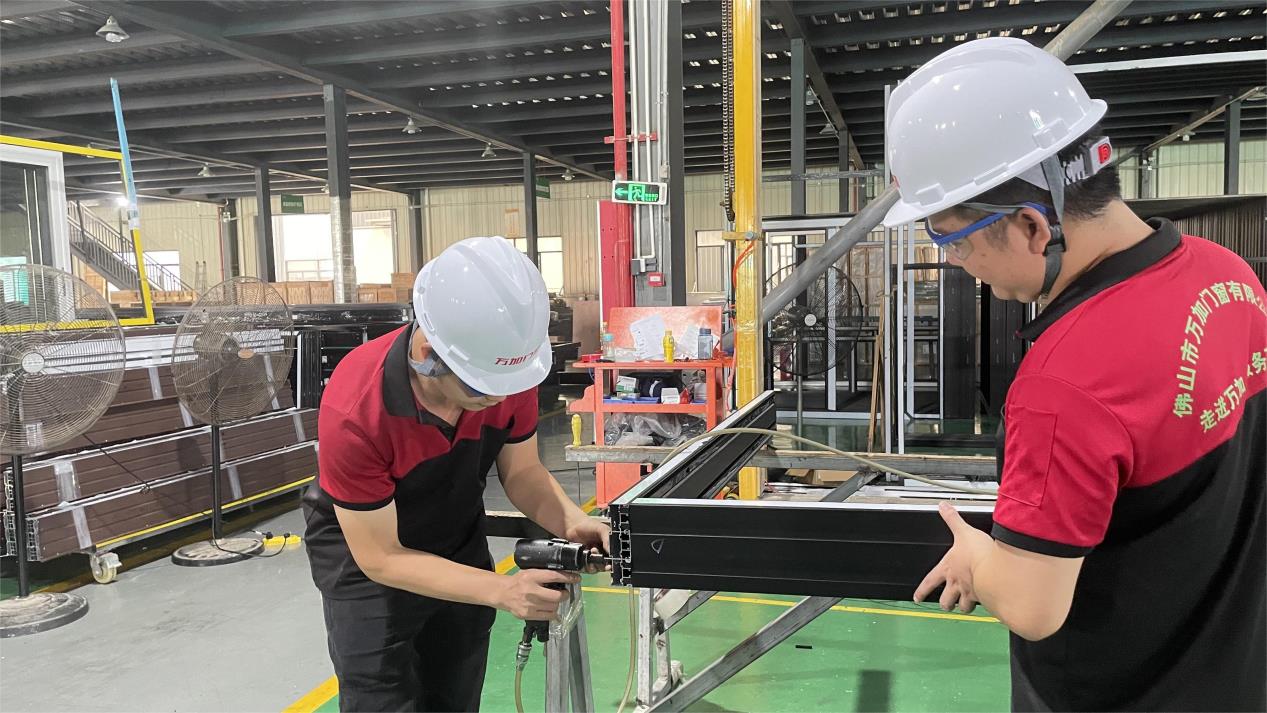
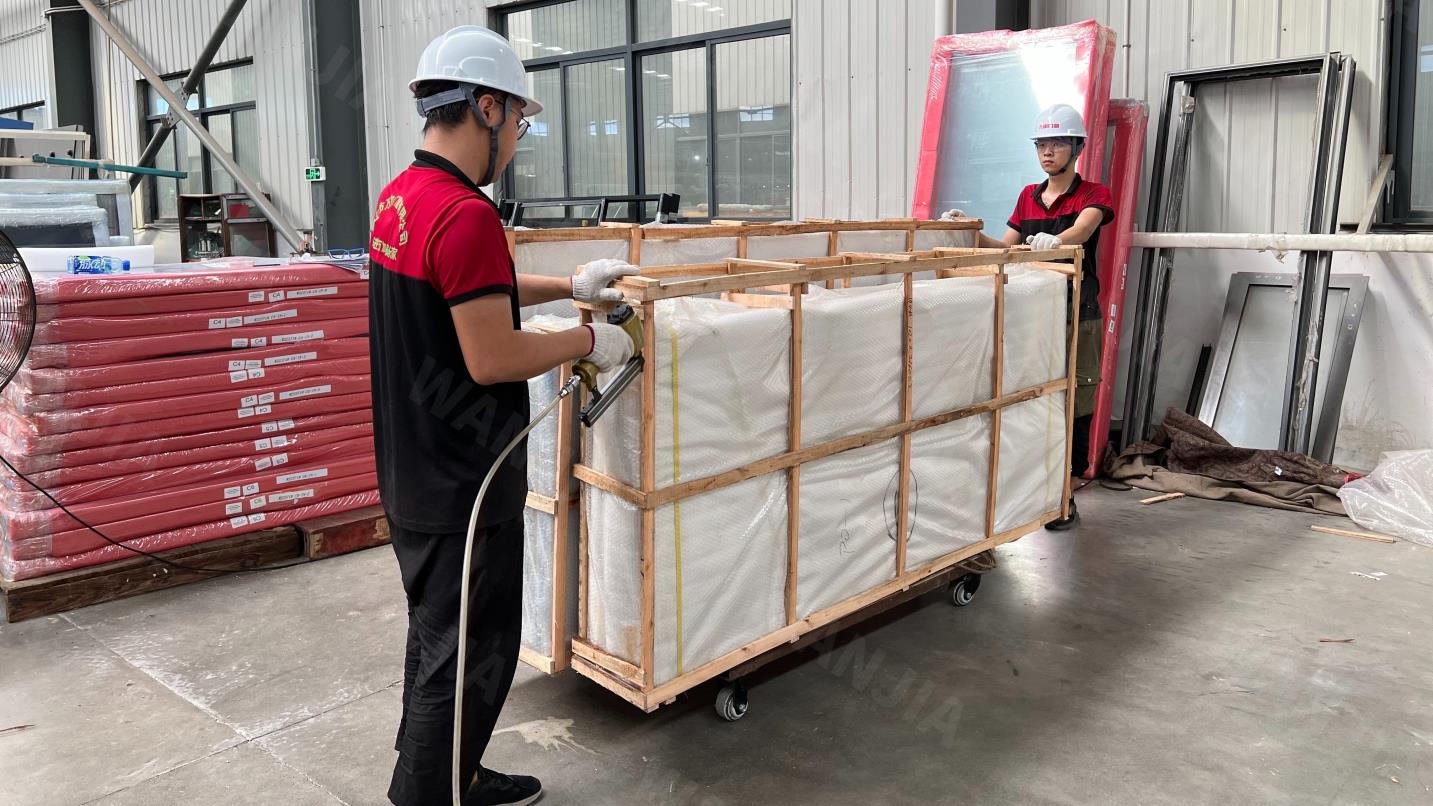
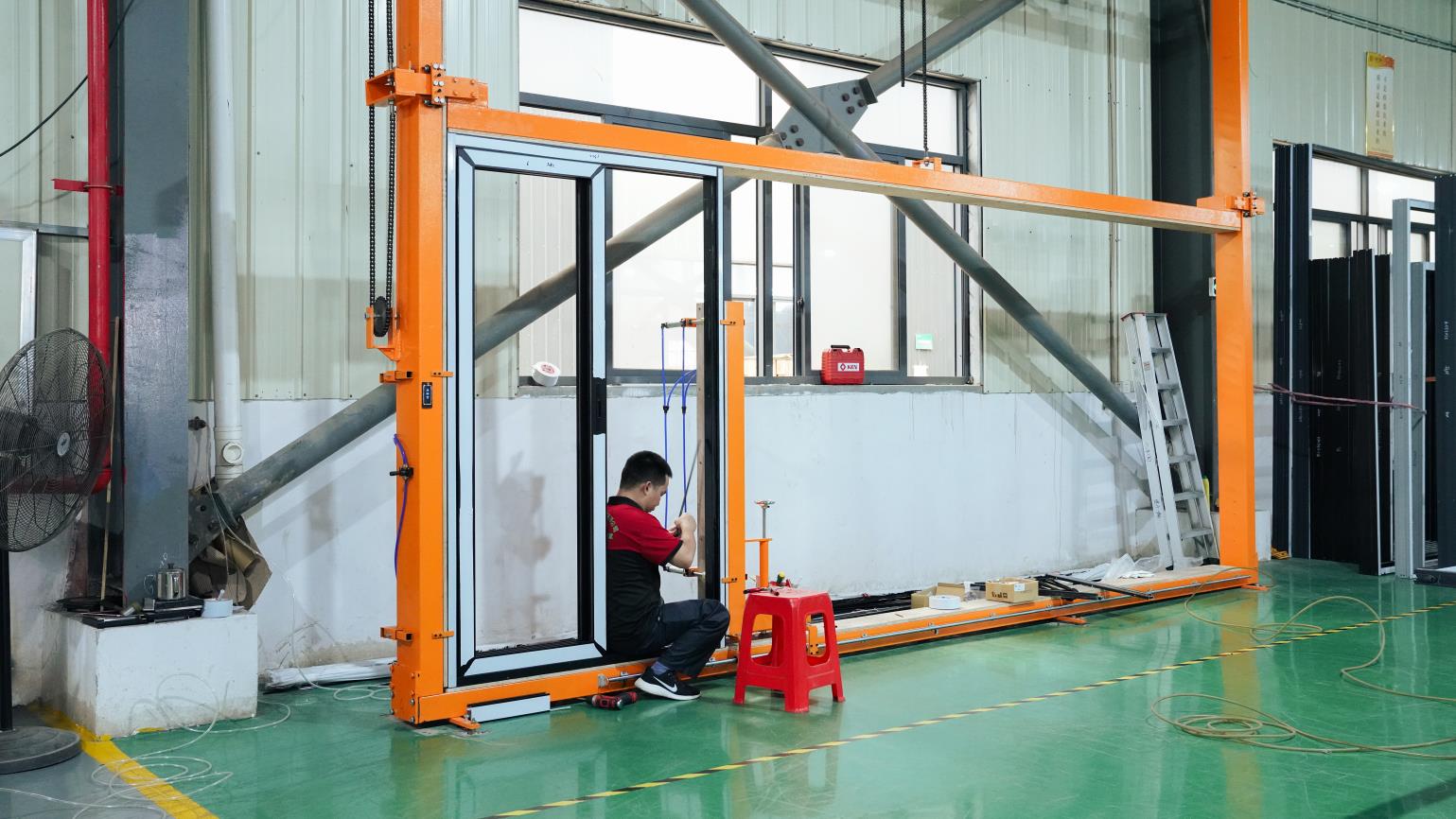
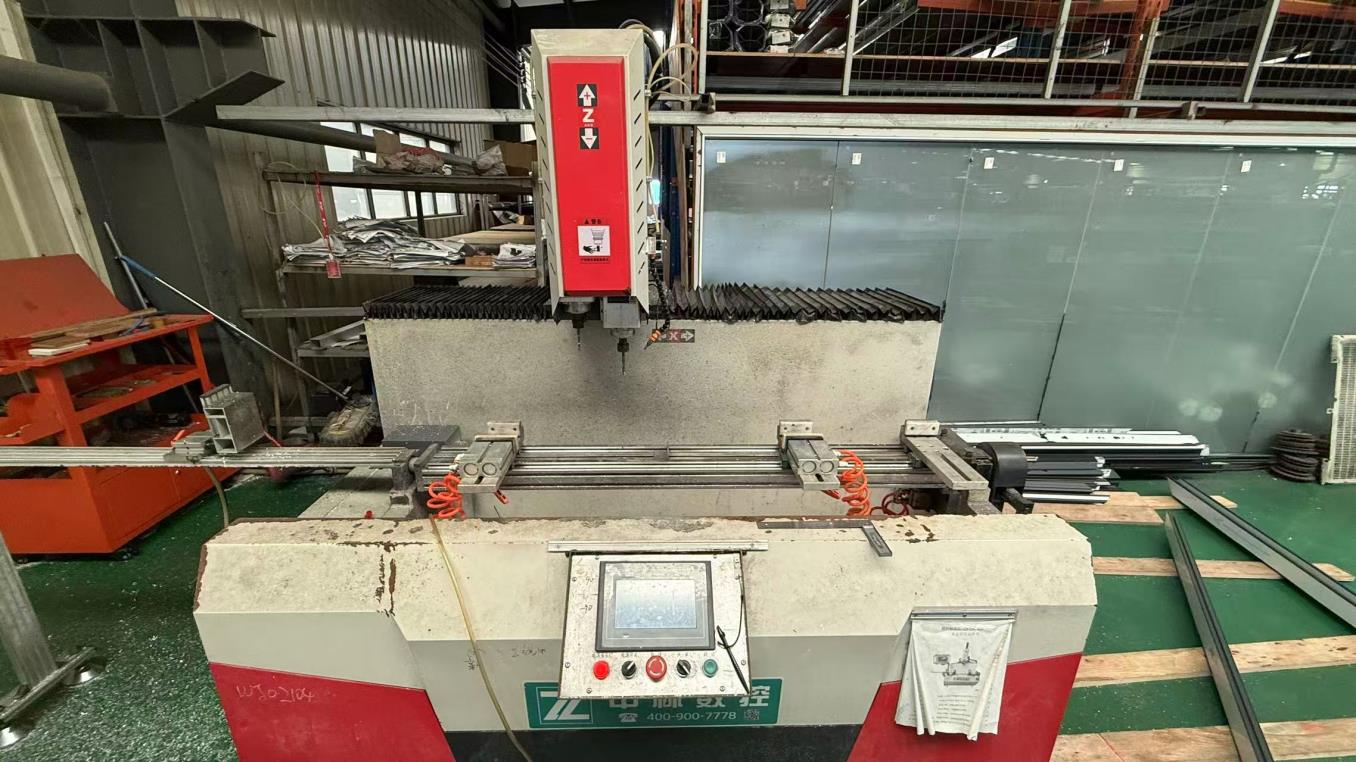
Our 8,200 m² factory is equipped with automated CNC machinery, enabling scalable output, rapid turnaround times, and consistent fabrication quality.
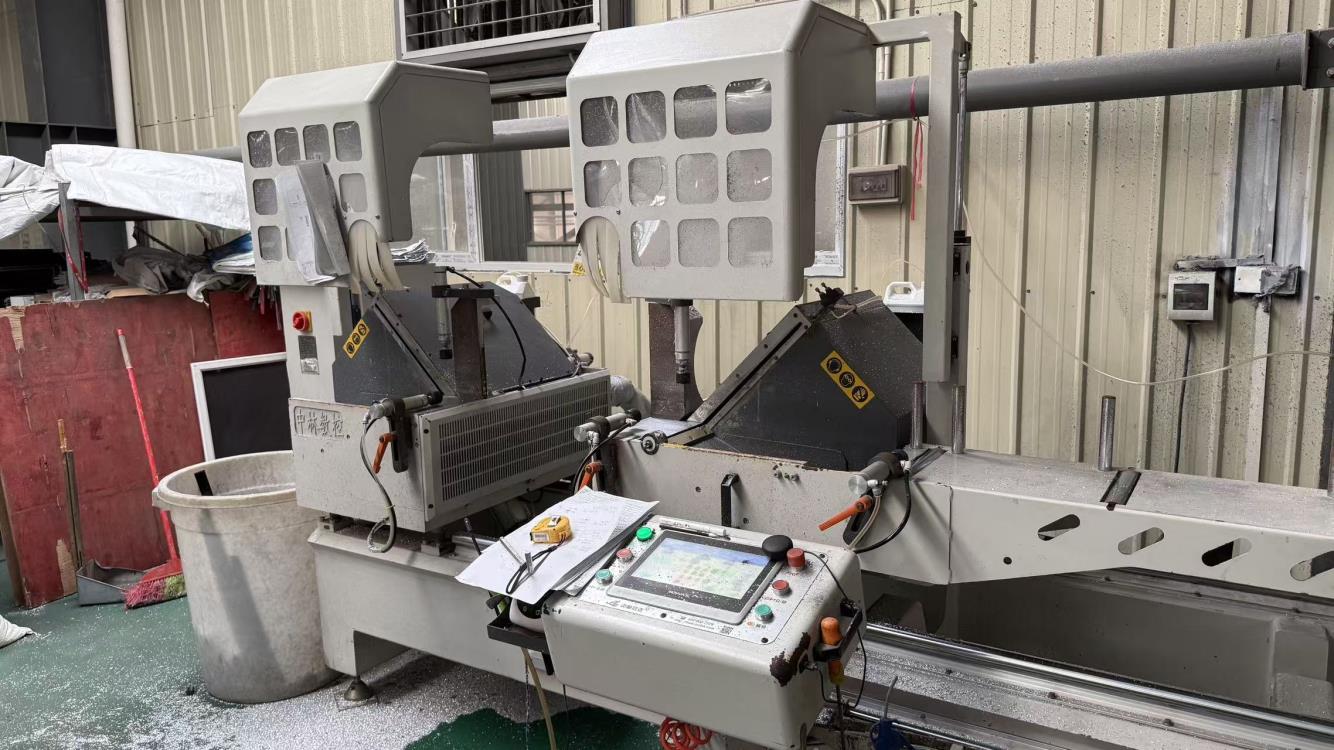
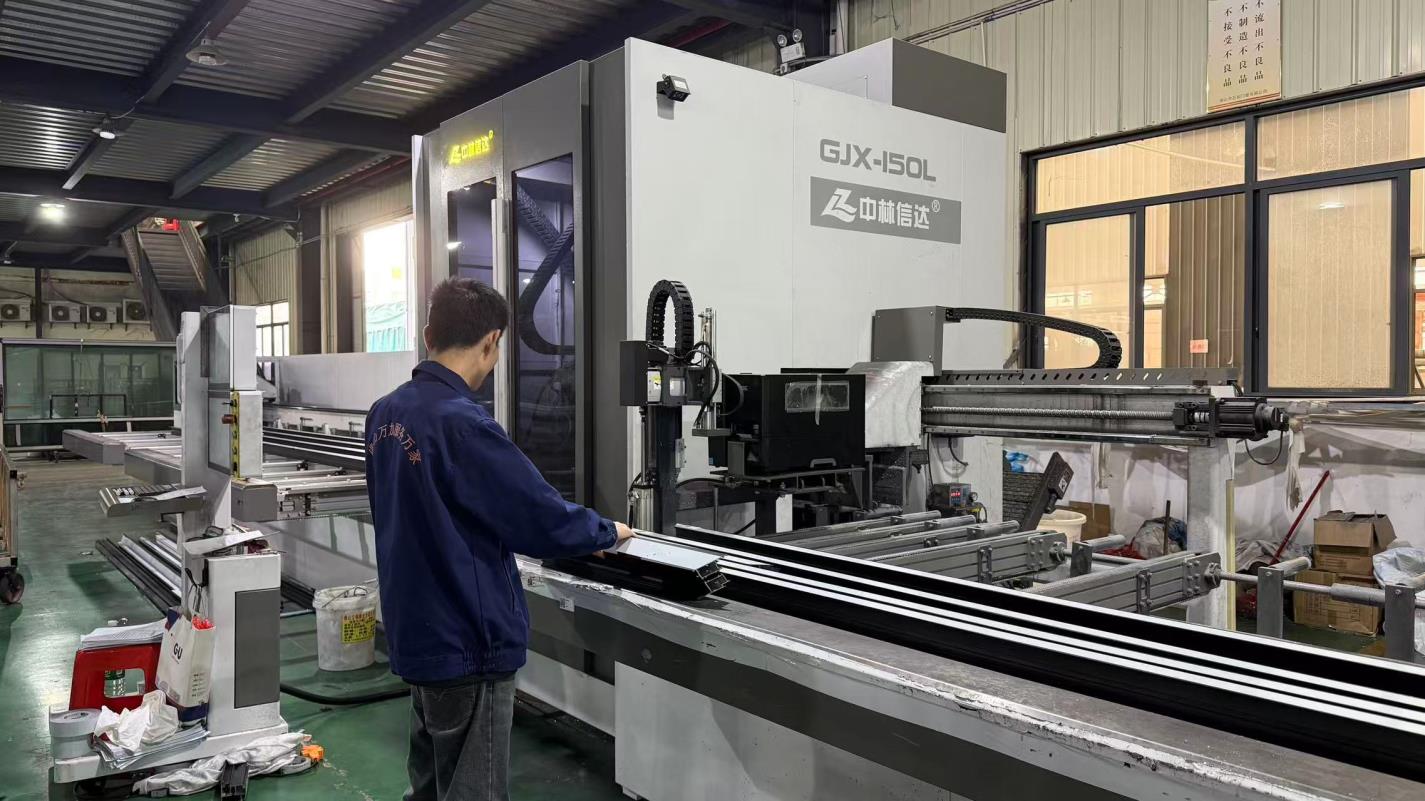
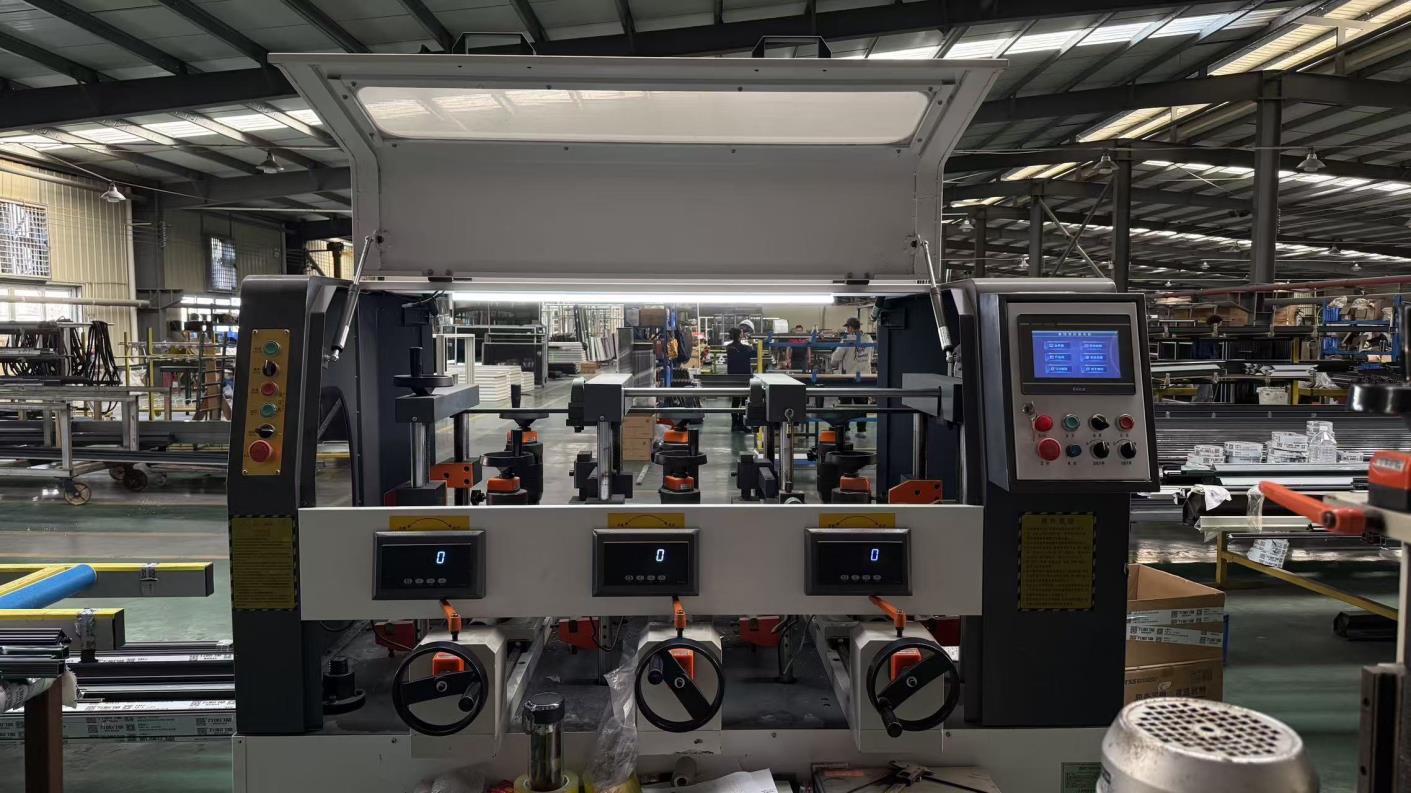
Every batch of CE certified insulated doors undergoes physical laboratory testing to ensure compliance with European, American, and Australian structural standards.
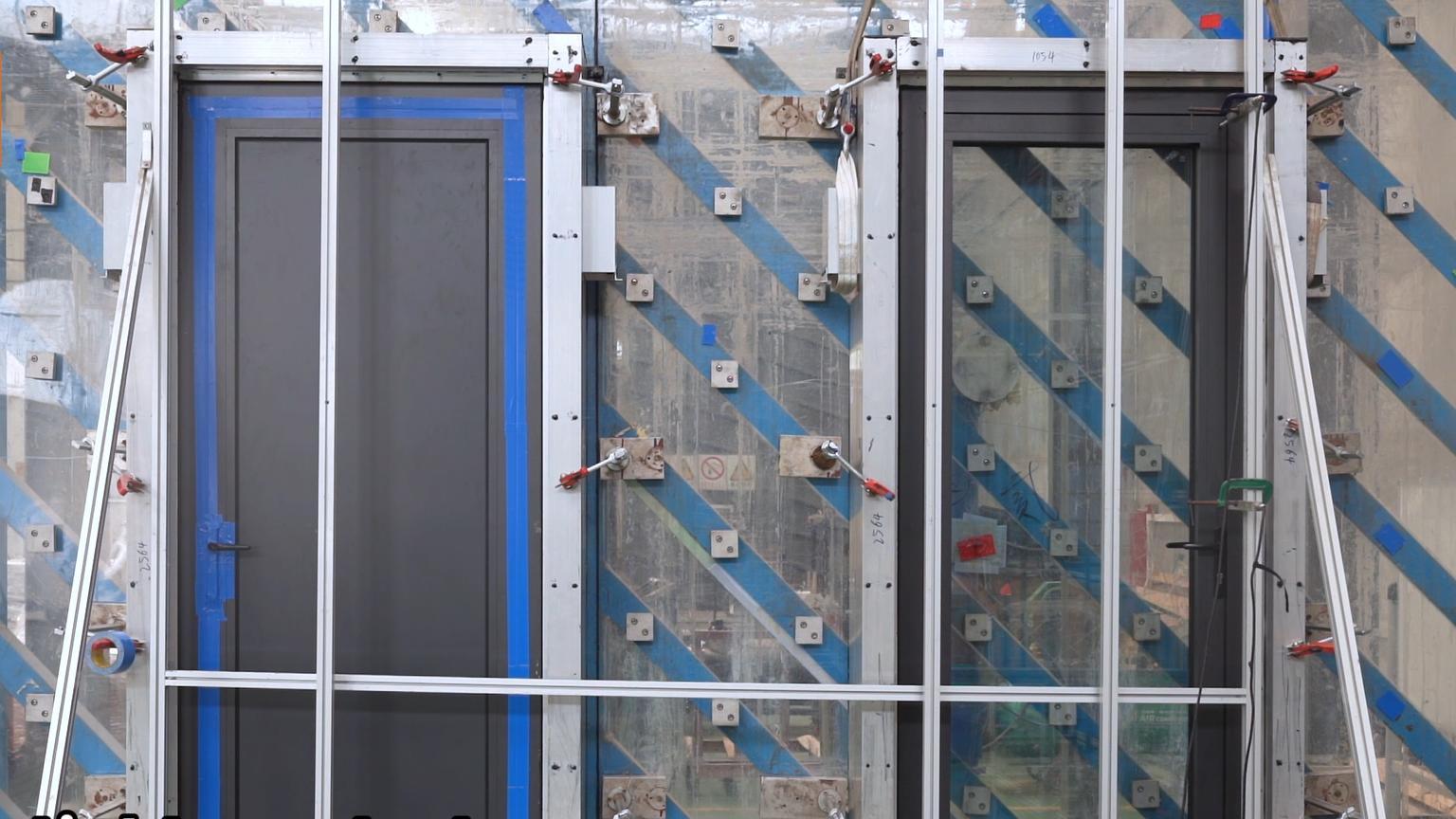
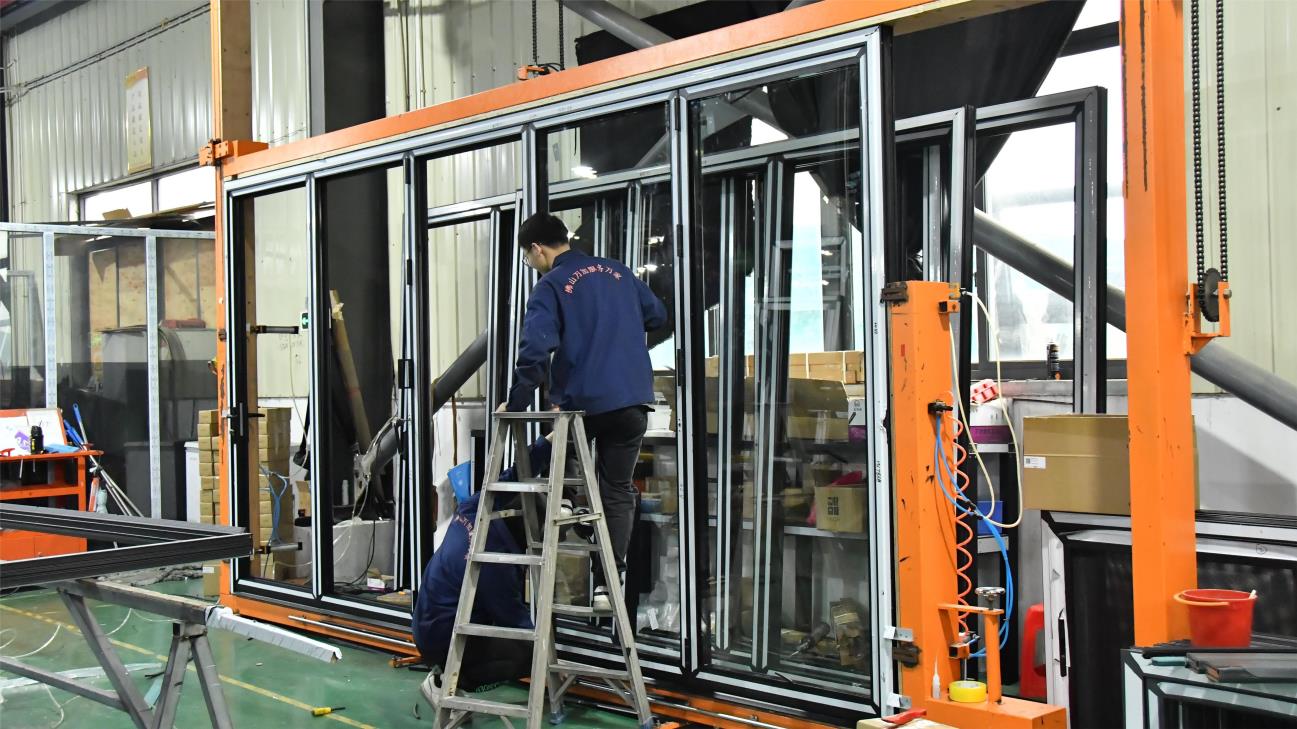
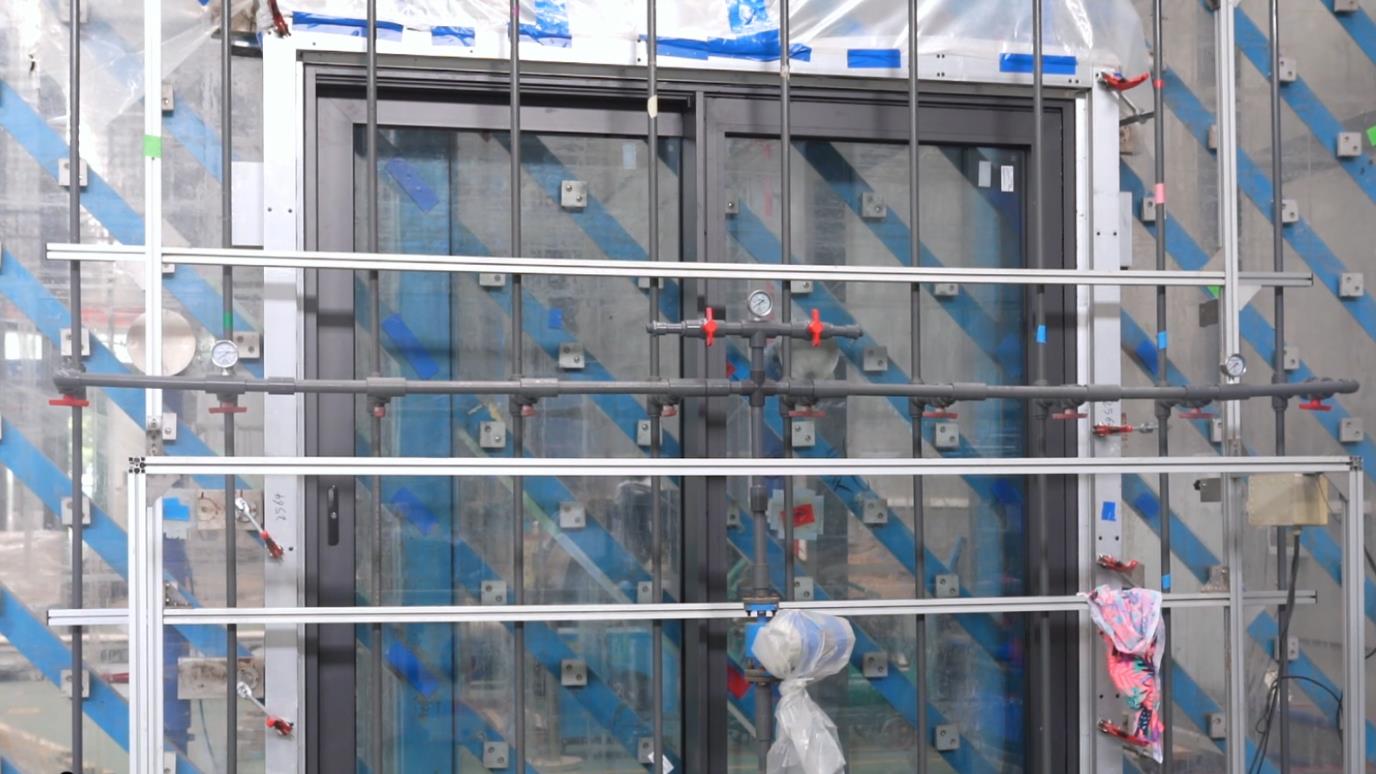
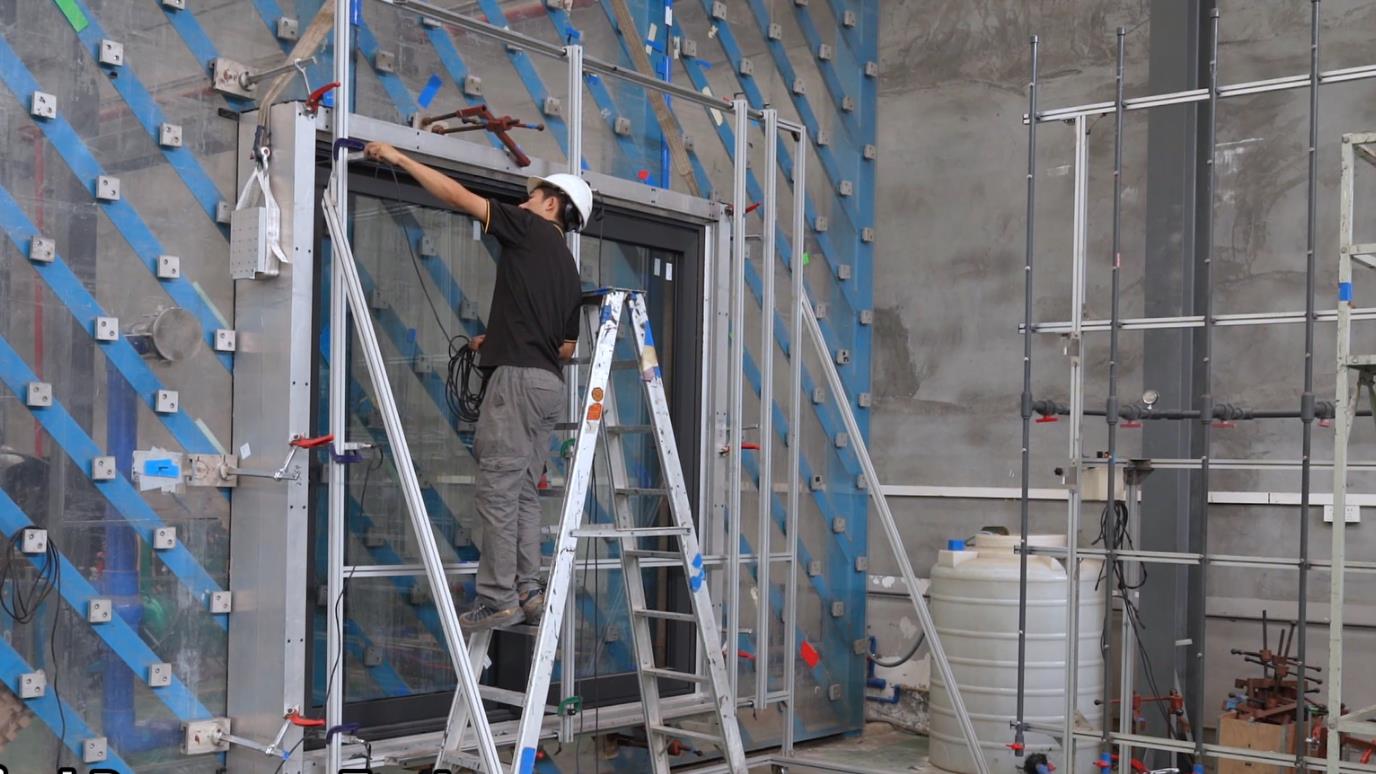
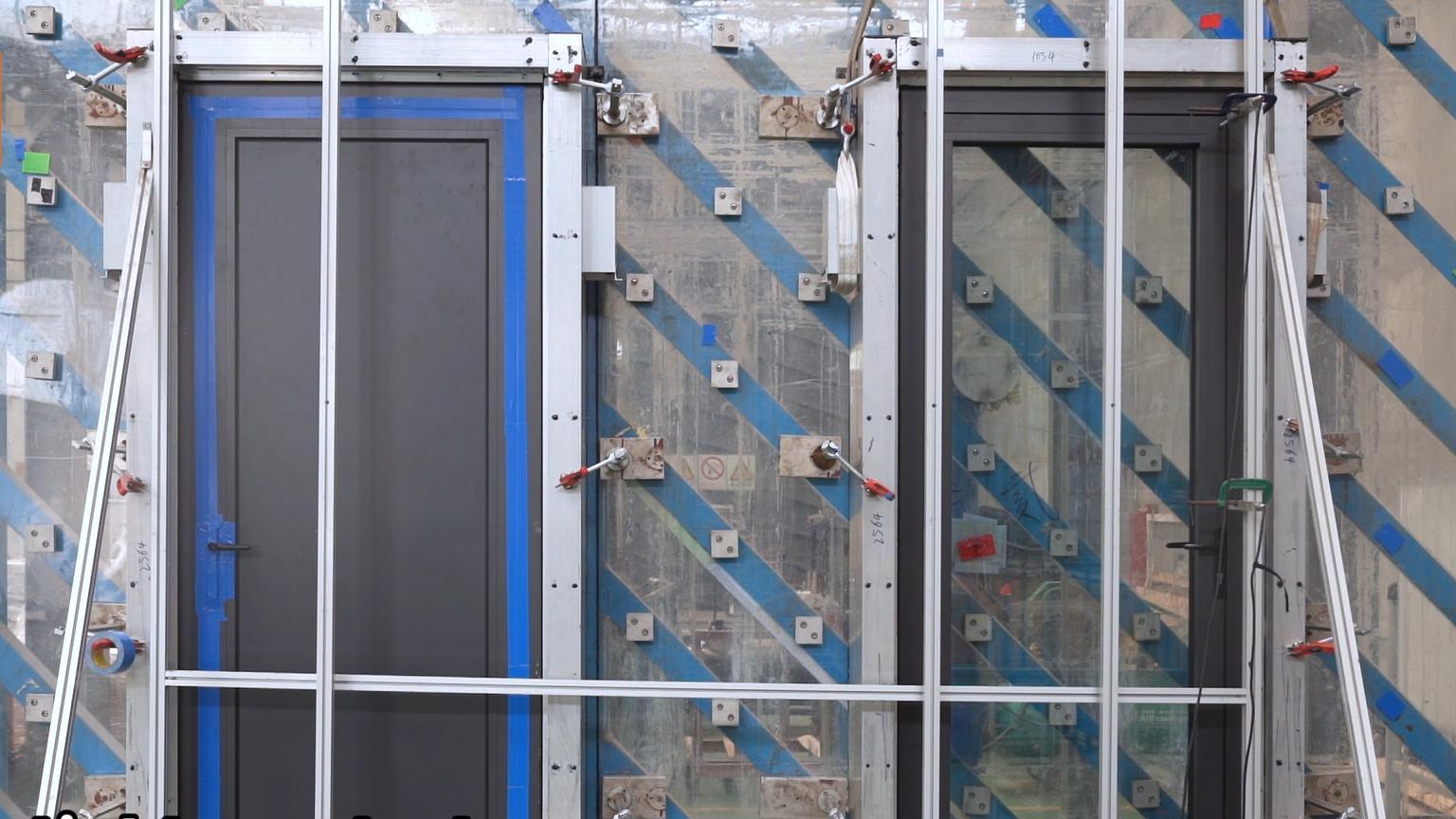
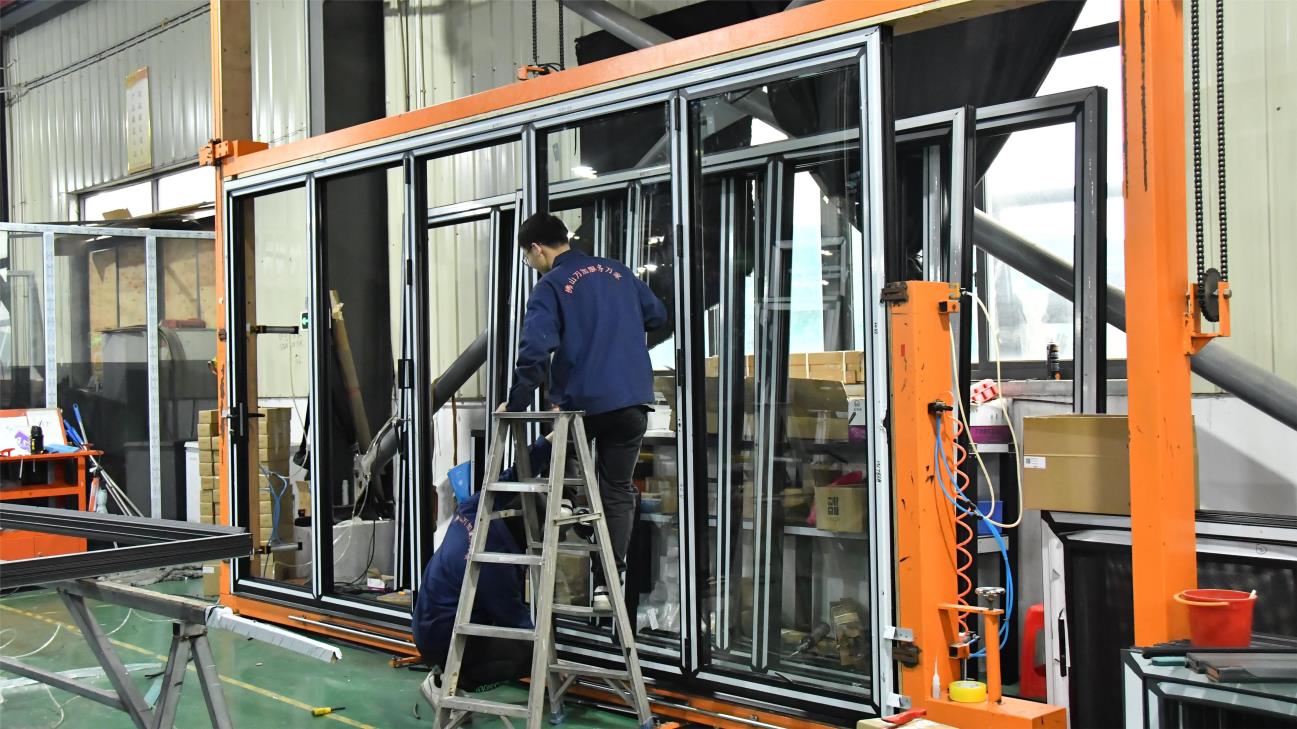
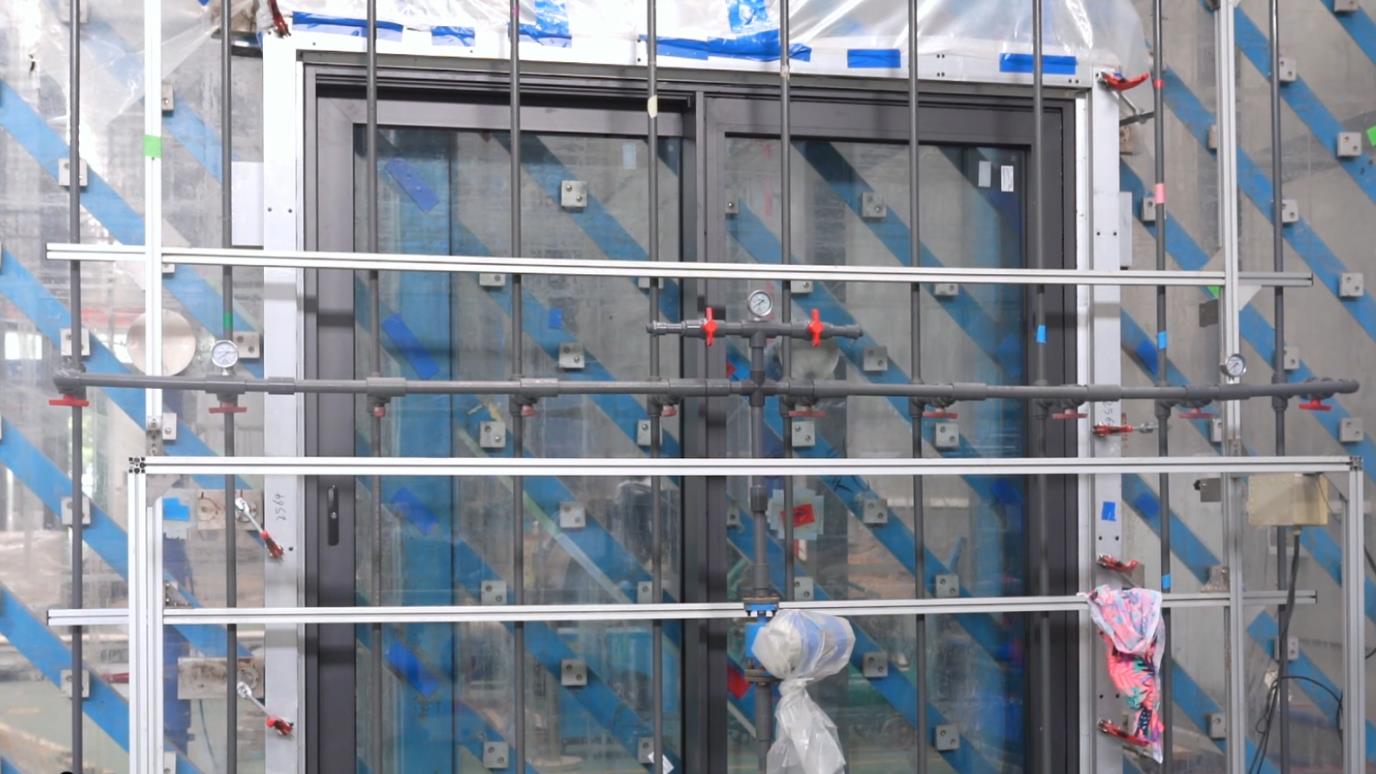
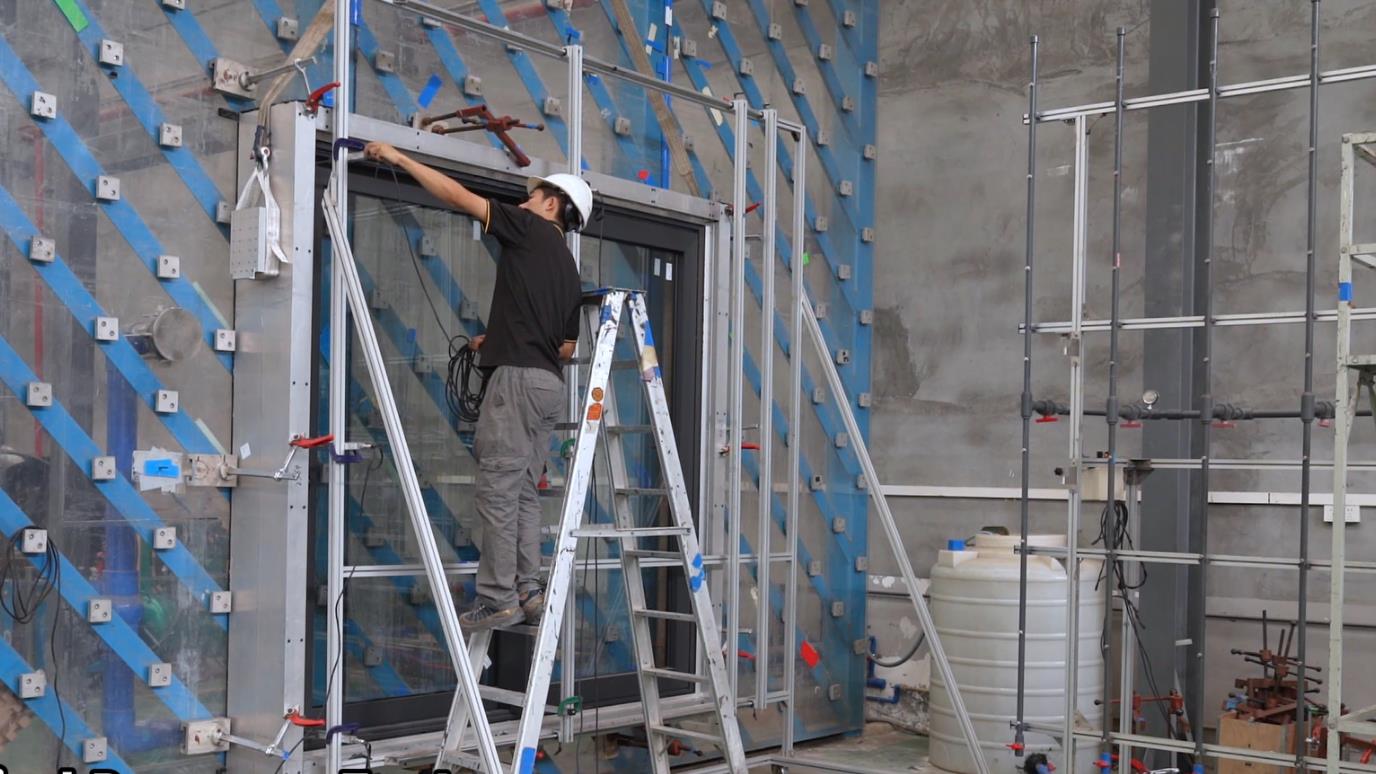
With 24 R&D engineers, Shandong OptiDoors continuously refines profile cavities and structural dynamics, producing over 40 new door systems annually.
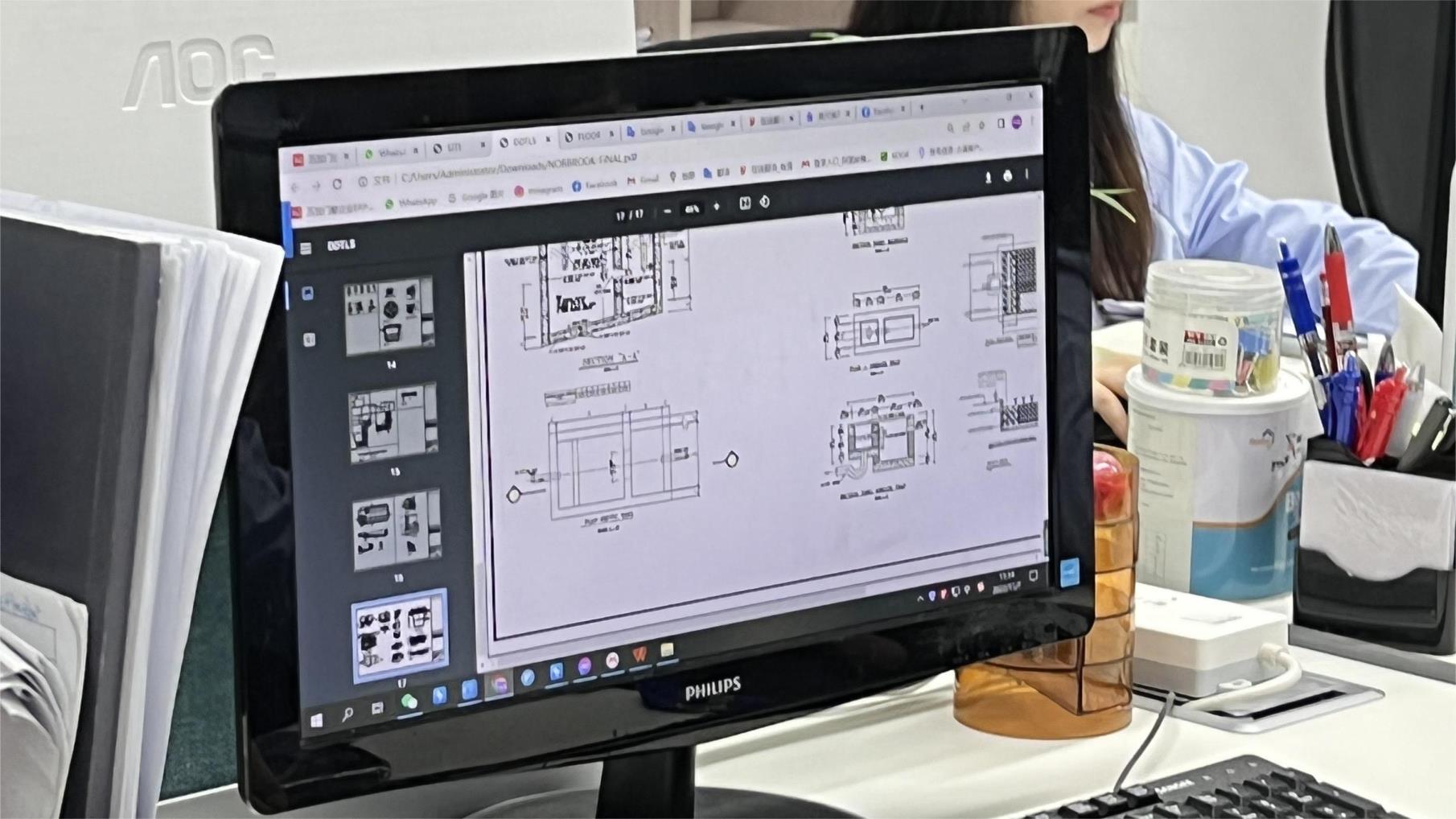
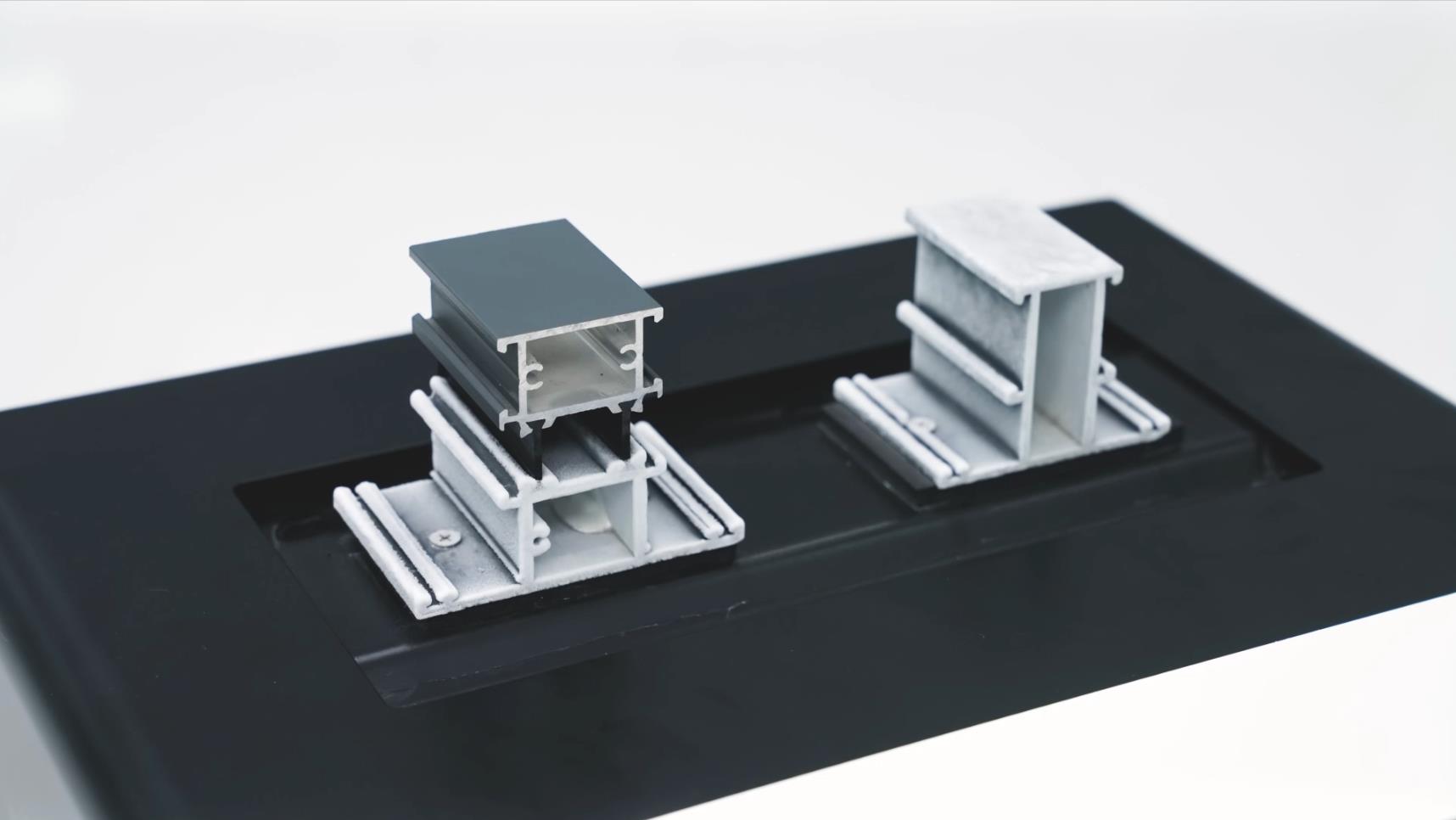
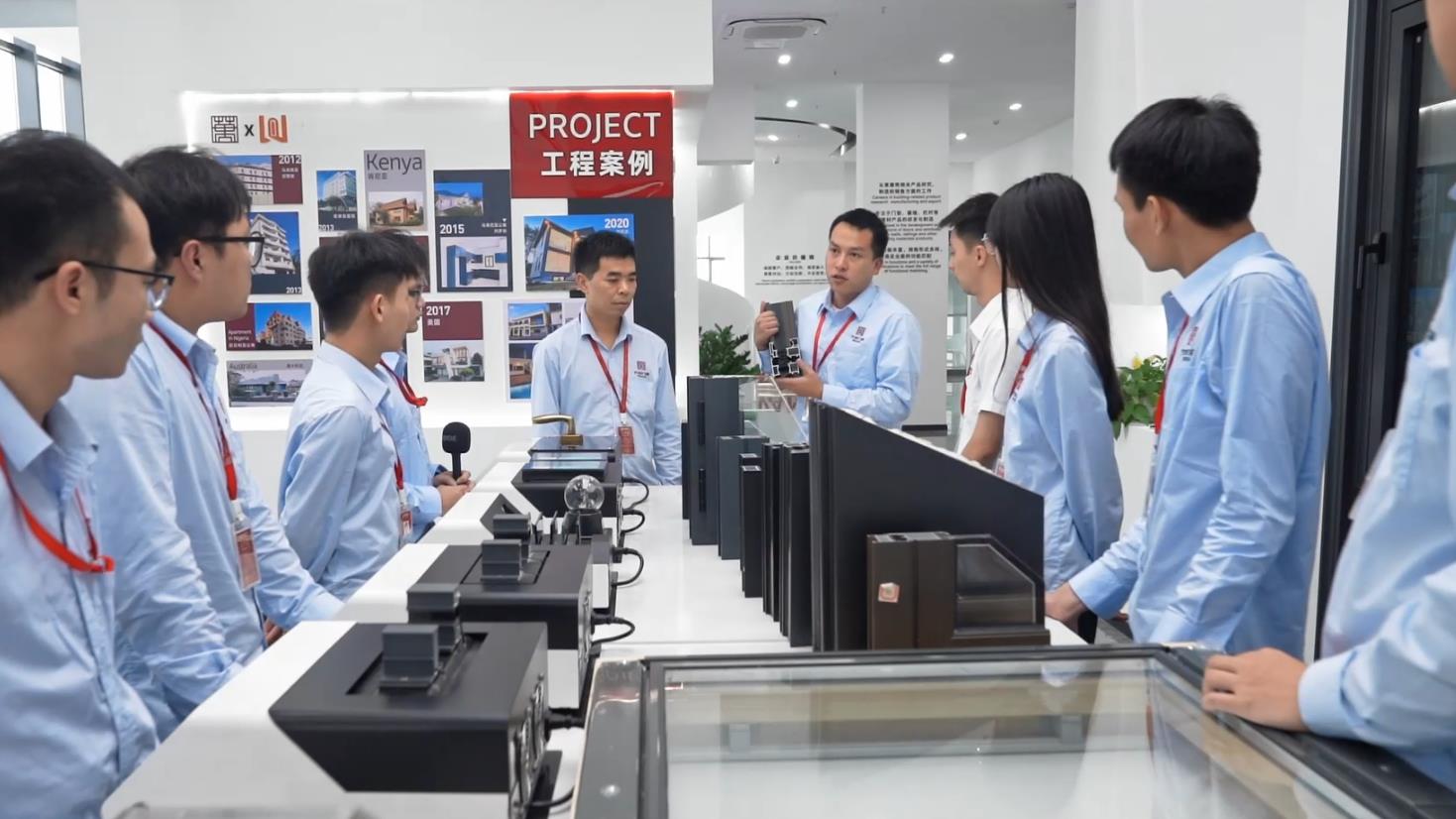
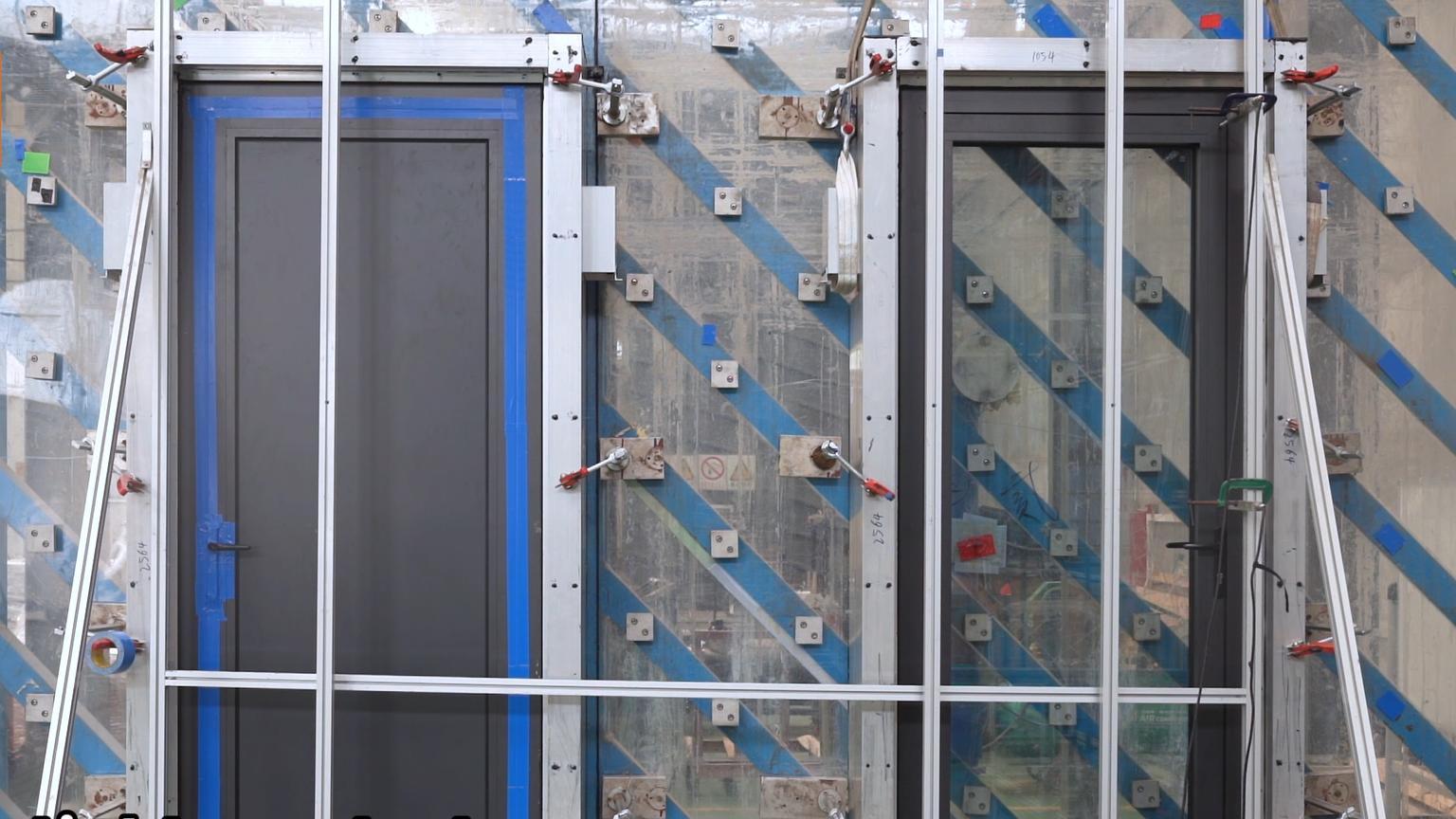
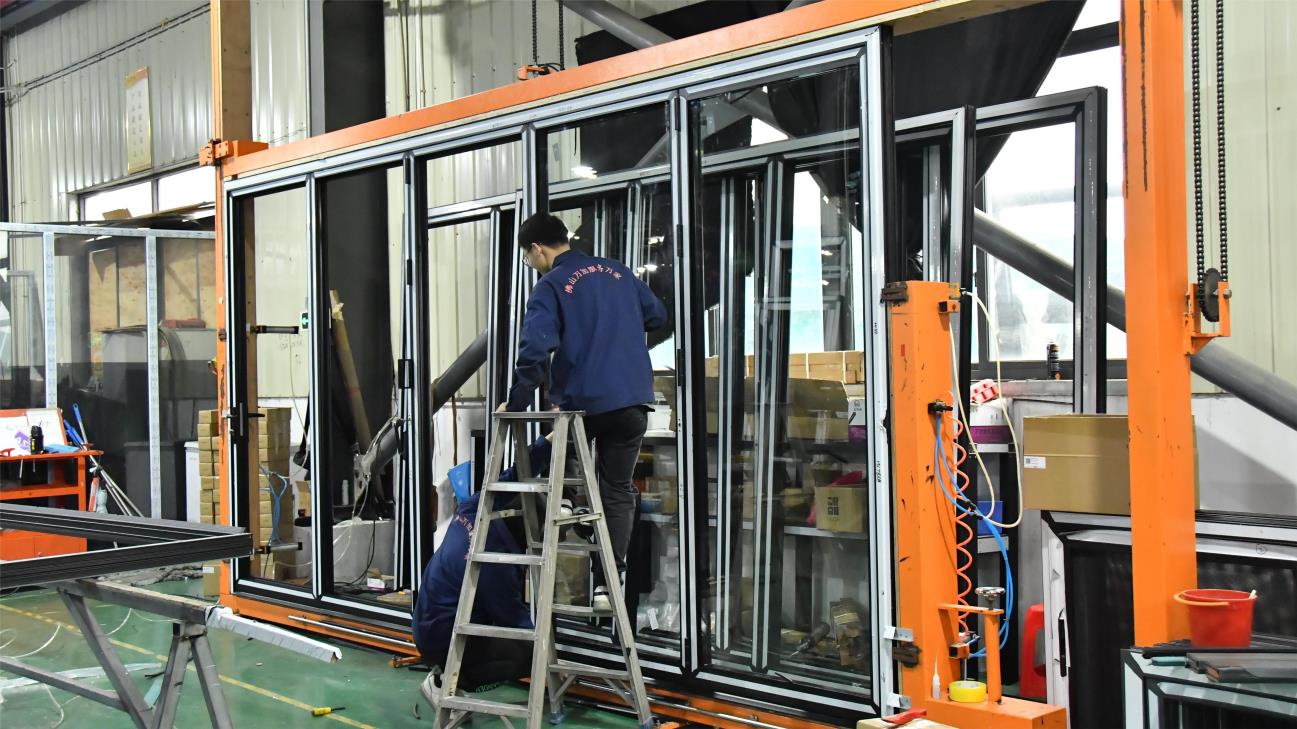
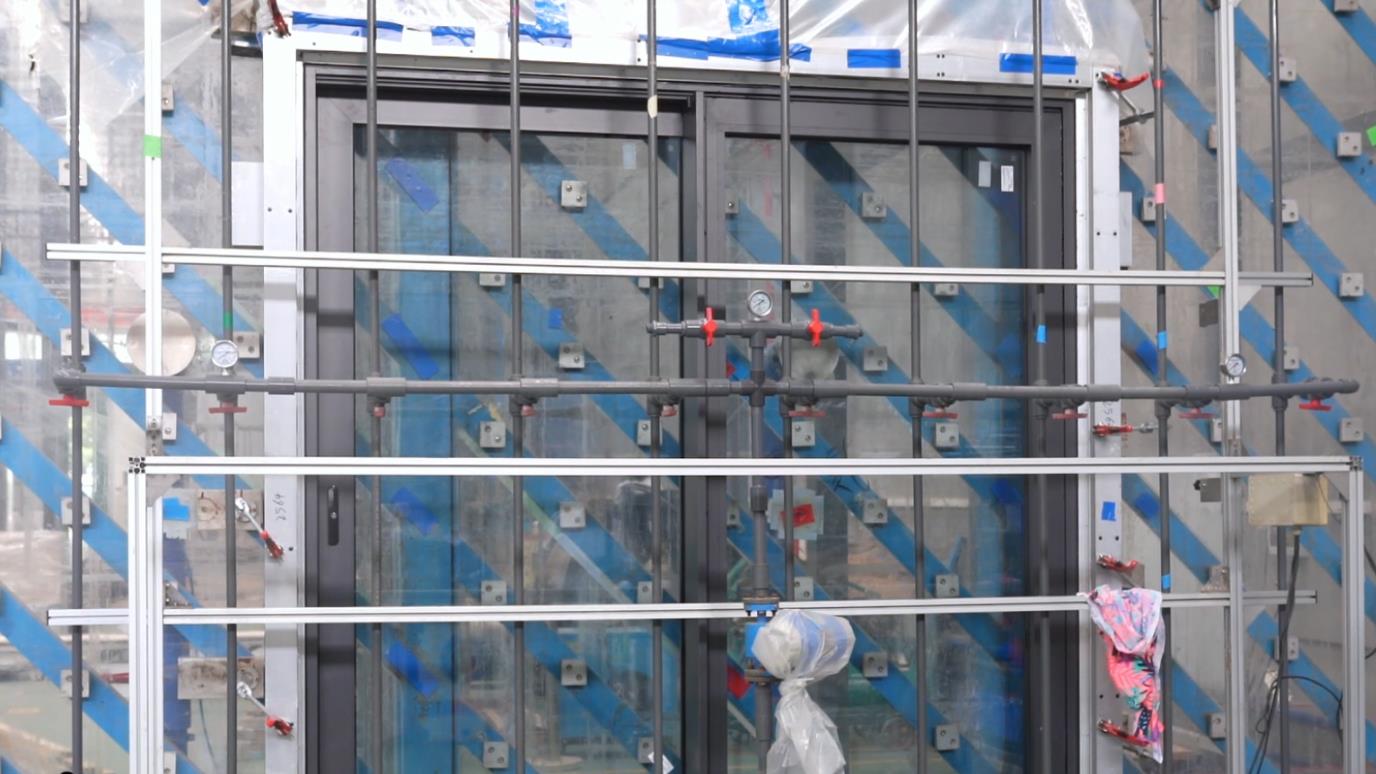
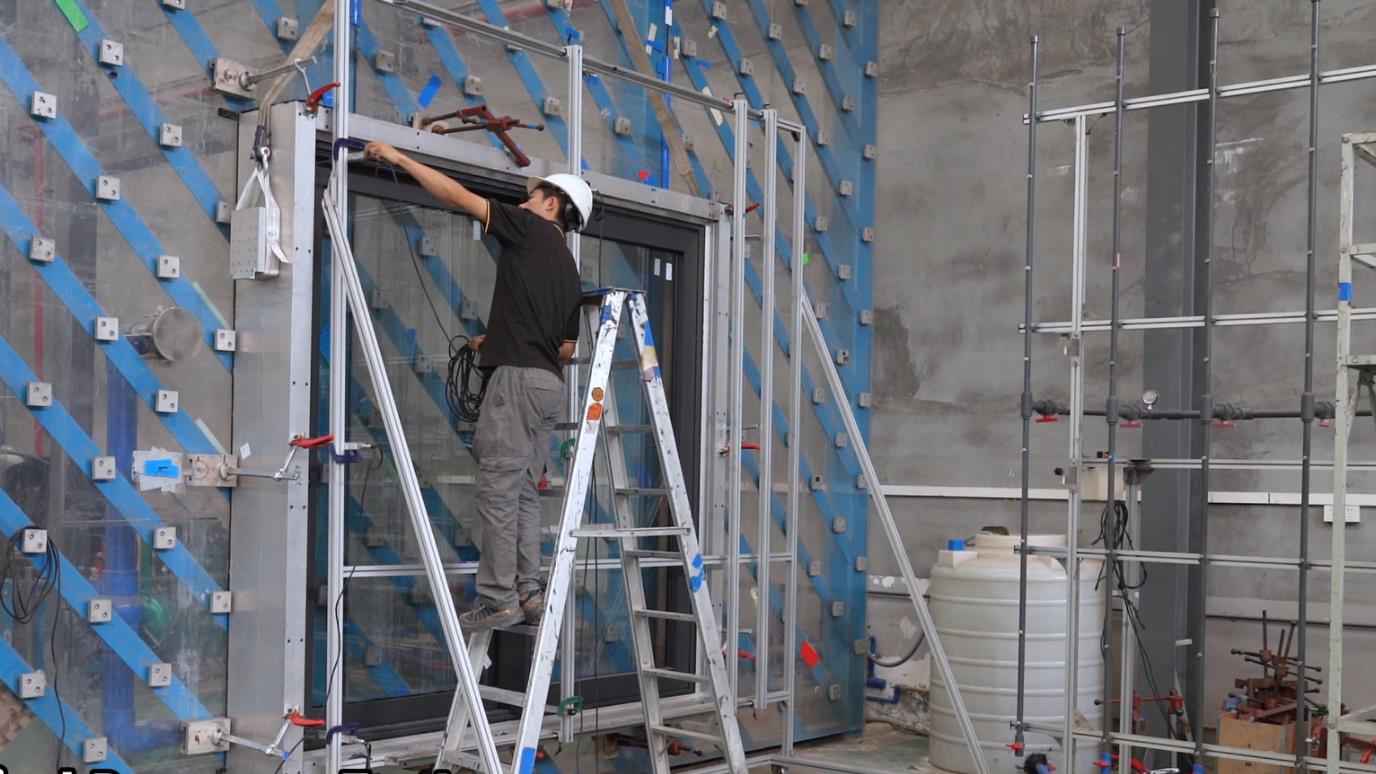
Comprehensive breakdown of physical properties, thermal coefficients, and certification compliance across our standard insulated entry door configurations.
| Performance Characteristic | Technical Benchmark / Standard | OptiDoors Test Result | Target Architectural Application |
|---|---|---|---|
| Thermal Transmittance (U-factor) | EN ISO 10077-2 / NFRC 100 | 0.85 – 1.20 W/m²K (0.15 – 0.21 Btu/h·ft²·°F) | Passive House & High-Efficiency Commercial |
| Air Permeability | EN 12207 / ASTM E283 | Class 4 (Highest Rating: ≤ 3.0 m³/h·m²) | Cold Climates & High-Rise Structures |
| Water Tightness | EN 12208 / ASTM E331 | Class E1050 (Static pressure 1050 Pa) | Coastal & High-Rainfall Environments |
| Wind Load Resistance | EN 12210 / TAS 202 (Florida NOA) | Class C5 / Design Pressure ±70 PSF | Hurricane-Prone Zones & Sky-Rises |
| Acoustic Sound Insulation | EN ISO 717-1 / ASTM E90 | Rw = 38 dB – 45 dB (with laminated acoustic glass) | Urban Commercial, Hotels & Luxury Villas |
| Security Rating | EN 1627 / PAS 24 | RC2 / RC3 Anti-Burglary Multi-Point Lock | Residential Main Entrance & Commercial Panic Outgoing |
| Surface Powder Coating | AAMA 2604 / AAMA 2605 / Qualicoat Class 2 | Salt spray resistance > 3,000 Hours (Fluorocarbon PVDF) | High UV Desert & Marine Environment |
Understanding how Chinese manufacturing scale combined with localized engineering compliance serves enterprise procurements across major continents.
Strict European energy directives mandate low U-values (Uw ≤ 1.0 W/m²K) and full CE certification under EN 14351-1. Our products integrate PA66 GF25 thermal breaks and argon-filled double/triple Low-E glazing, perfectly matching Western European residential retrofit and new build projects.
In Florida and the Gulf Coast, door systems require Miami-Dade NOA and Florida Product Approval (FPA) for hurricane impact testing (TAS 201/202/203). Combined with NFRC thermal ratings for Title 24, OptiDoors provides tailored multi-layer laminated safety glass solutions.
Extreme surface temperature fluctuations in desert climates require high thermal insulation to prevent heat gain, paired with heavy-duty EPDM weatherstripping to block fine sand dust. Fluorocarbon PVDF coatings resist intense ultraviolet degradation and chalking.
Shandong OptiDoors Technology Co., Ltd. operates at the center of China’s premier aluminum manufacturing corridor. This strategic positioning provides direct access to 380+ raw material supply chain partners, high-purity aluminum ingot smelters, specialized hardware forging mills, and precision glass processors.
Integrated supply chains allow custom CAD prototypes to move into mass production within 15–20 days, cutting global lead times by 30%.
Automated laser cutting and robotic glue assembly dramatically reduce labor overhead while maintaining tight European precision tolerances.
In-house die-making capabilities allow instant custom profile extrusion development matching proprietary architect hardware specs.
Anticipating market evolution in smart building integration, ultra-low vacuum glazing, and sustainable material lifecycle engineering.
Entry doors are evolving into connected smart home hubs. Modern door sashes now embed concealed motorized multi-point locks, facial recognition, 3D fingerprint sensors, and encrypted Zigbee/Z-Wave protocols powered by internal structural wiring channels.
Replacing traditional argon-filled double glazing with 0.1mm high-vacuum gap panels allows entry door sashes to achieve center-of-glass U-values as low as 0.40 W/m²K in ultra-slim profiles, maximizing interior natural light while eliminating thermal loss.
Infusing multi-chamber aluminum profiles with silica aerogel foam blankets pushes overall frame conductivity down to passive house limits without increasing structural frame width, delivering unprecedented energy ratings.
Comprehensive technical and commercial insights to assist door distributors, general contractors, and procurement managers in decision making.
Browse our additional certified aluminum door, window, and commercial entryway solutions optimized for international building codes.
 OptiDoors