Engineered to rigorous international standards including CE EN 14351-1, AS2047, NFRC, and Miami-Dade NOA specifications.
An in-depth technical analysis on regulatory compliance, thermal physics, structural integrity, and manufacturing innovation for high-performance building envelopes.
The modern architectural fenestration sector is experiencing a paradigm shift driven by stringent global energy conservation codes, urban density challenges, and extreme weather events brought about by climate volatility. Exterior doors and entrance systems are no longer viewed as simple passive physical barriers; they are now engineered as critical multi-functional active thermal envelopes responsible for structural stability, air/water resistance, occupant safety, and acoustic attenuation.
In the European Union, the Construction Products Regulation (CPR 305/2011) mandates that external pedestrian doorsets meet rigorous performance criteria certified via the CE EN 14351-1 standard. This framework governs Essential Characteristics including thermal transmittance ($U_w$ value), resistance to wind load, water tightness, air permeability, acoustic performance, and load-bearing capacity of safety devices. Achieving certified compliance requires advanced extrusion design, thermal break integration using glass-fiber reinforced polyamide strips, precision perimeter weatherstripping, and high-performance insulated glass units (IGUs).
Technical Insight: Standard building envelope systems account for up to 35% of total building heating and cooling energy loss. Integrating CE certified thermal-break aluminum exterior door systems featuring low-emissivity argon-filled double/triple glazing reduces systemic thermal bridging, achieving U-values as low as 0.8 to 1.2 W/m²K in demanding climates.
Architects, project developers, and structural engineers face complex regulatory landscapes across global markets. The matrix below outlines how CE marking aligns with major international fenestration testing certifications:
| Standard / Certification | Geographic Focus | Primary Test Focus Area | Engineering Acceptance Threshold |
|---|---|---|---|
| CE EN 14351-1 | European Union & International | Thermal ($U_w$), Air (EN 12207), Water (EN 12208), Wind (EN 12210) | Class 4 Air Permeability / E1050 Water Tightness |
| AS2047 / AS1288 | Australia & New Zealand | Deflection, Ultimate Strength, Water Penetration (N3-N6 Ratings) | Structural Deflection L/175 under positive/negative pressure |
| NFRC / Title 24 | North America (USA/Canada) | U-Factor, Solar Heat Gain Coefficient (SHGC), Condensation Resistance | U-Factor ≤ 0.28 BTU/h·ft²·°F; SHGC ≤ 0.22 in Southern Zones |
| Miami-Dade NOA / HVHZ | Coastal US & Caribbean | Large Missile Impact (TAS 201), Cyclic Wind Pressure (TAS 203) | 8-ft 2x4 timber missile impact at 50 ft/s without breach |
A global leader in high-precision aluminum fenestration manufacturing, specialized engineering, and customized entry door systems.
Founded in 2018, Shandong OptiDoors Technology Co., Ltd. occupies an advanced manufacturing complex spanning 8,200 m². Backed by 8 years of specialized door industry engineering experience and 4 years of expanding global trade operations, the company yields an annual export revenue of USD 6,800,000.
To ensure flawless product execution, we strictly follow ISO9001 quality management procedures along with rigorous salt-spray corrosion resistance, dynamic wind-load, and heavy impact testing methods. Our dedicated Quality Assurance department employs 16 qualified QA officers who monitor every production stage from raw aluminum billet arrival to final export packaging.
Our primary export markets encompass Western Europe, North America, the Middle East, and Central Asia, supported by an established global network of 380 supply chain partners and a versatile international trading infrastructure.
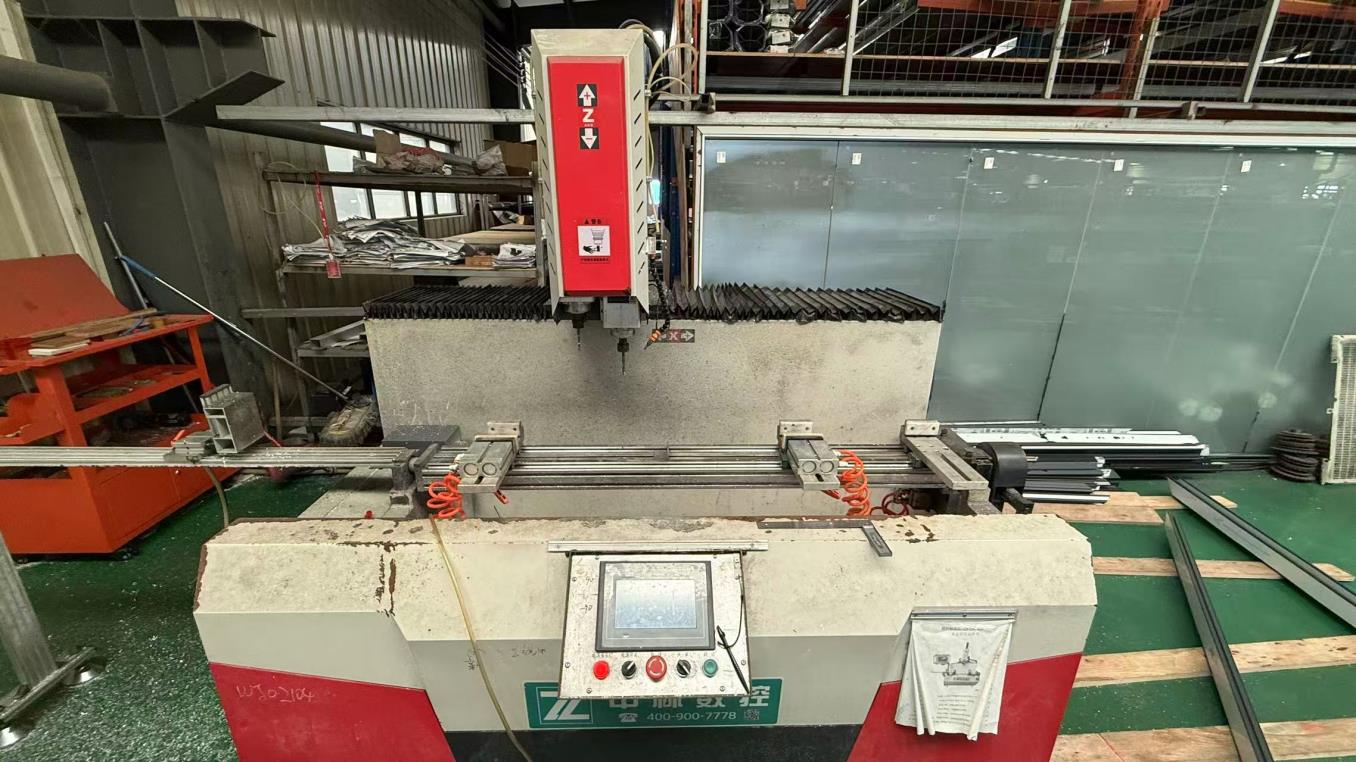
State-of-the-art automated machinery guaranteeing micrometer-level fabrication precision, structural durability, and seamless structural joints.
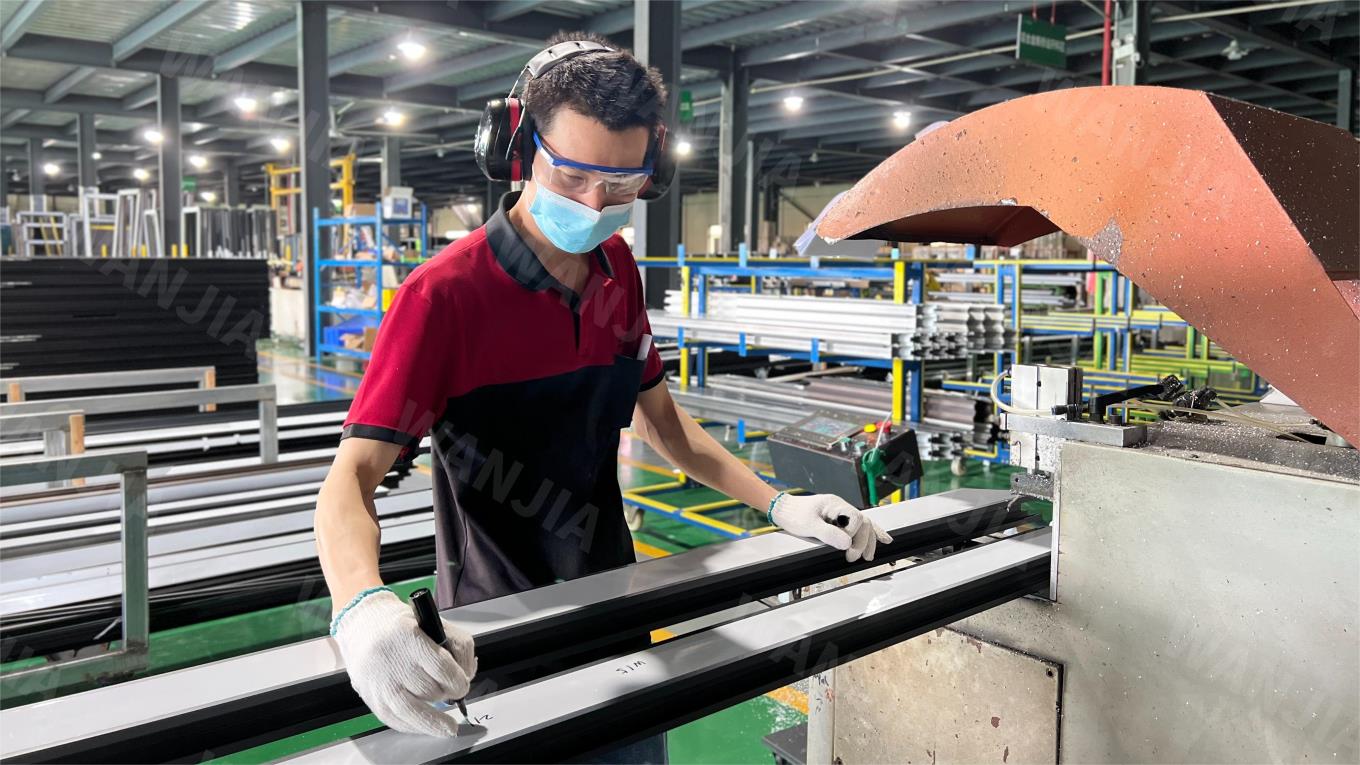
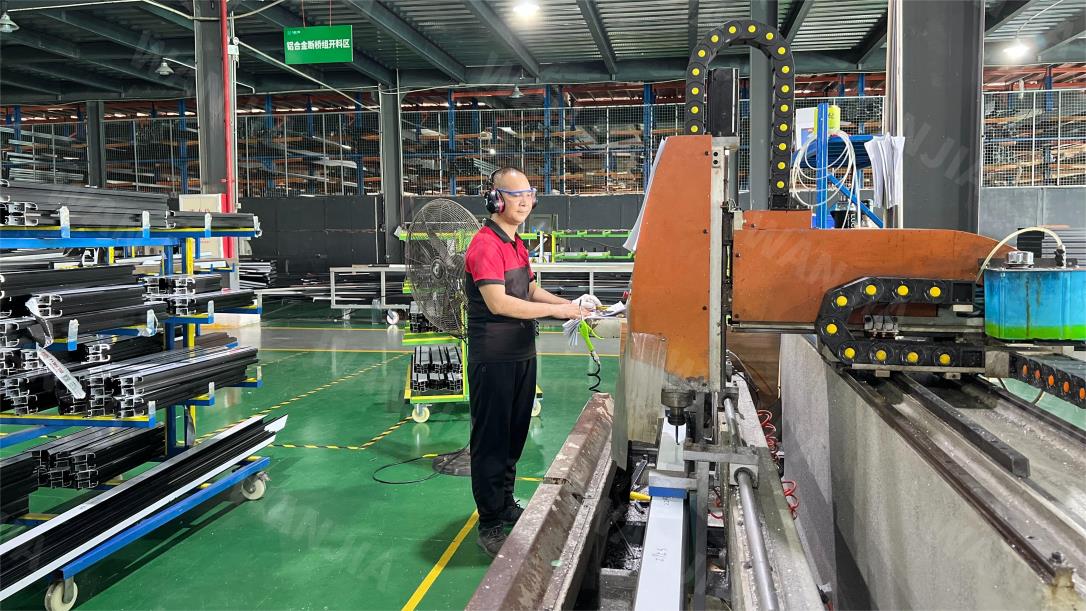
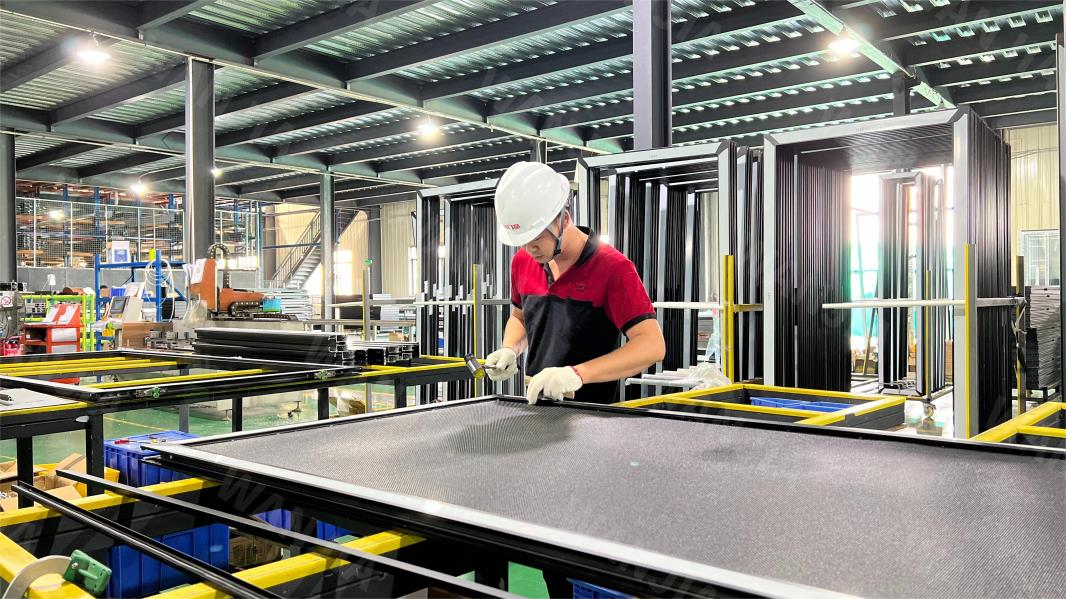
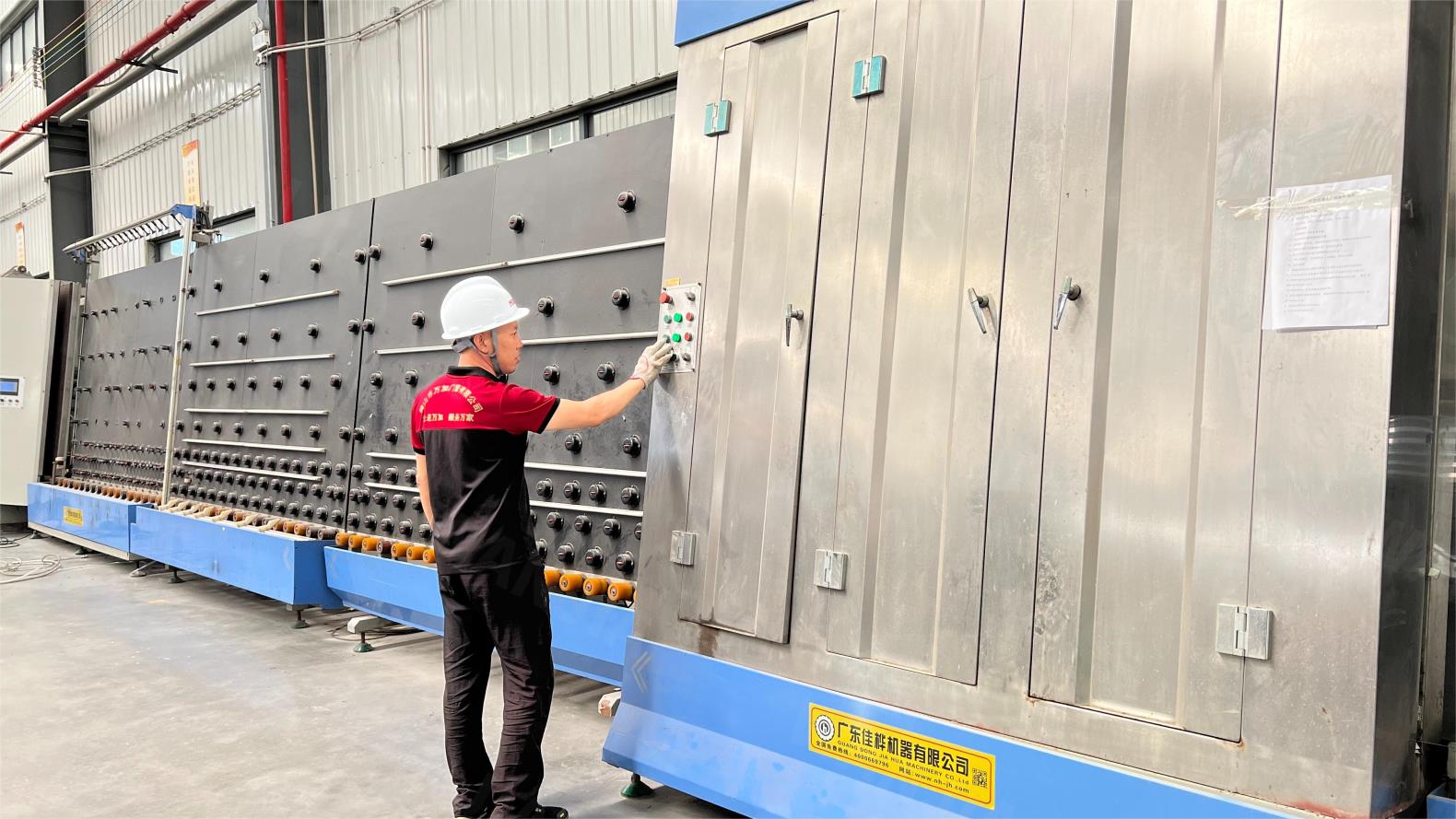
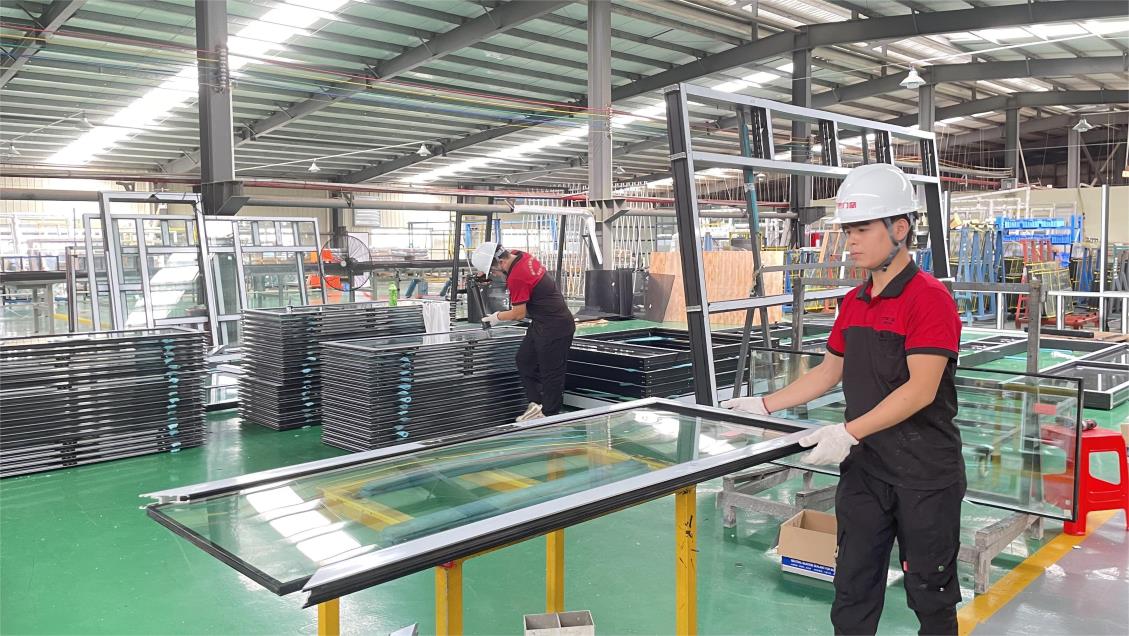
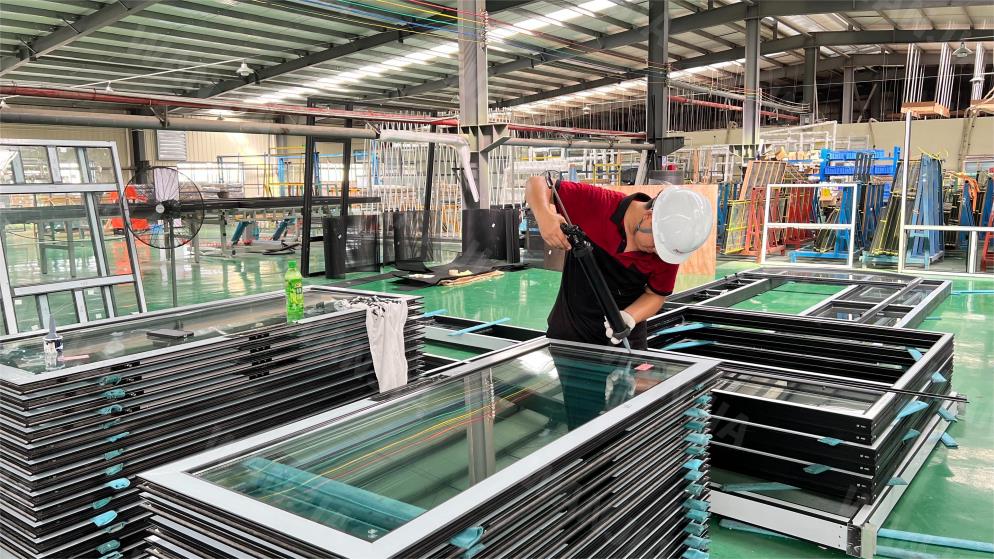
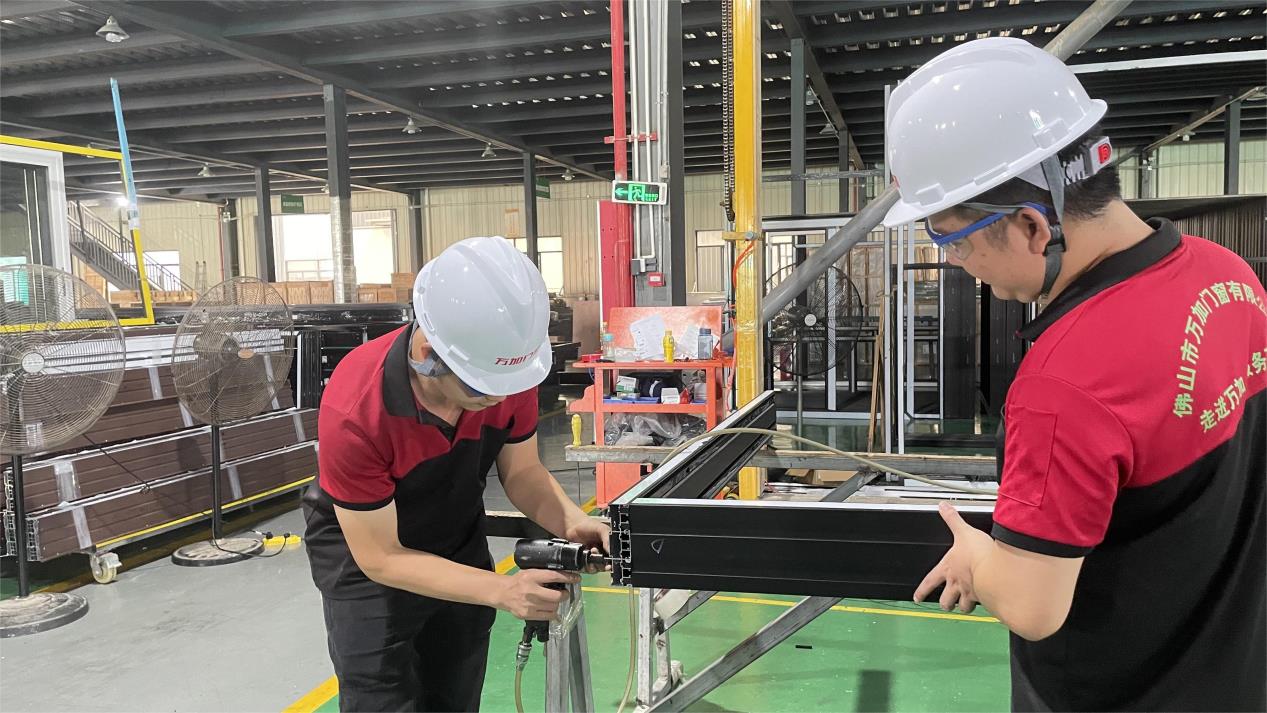
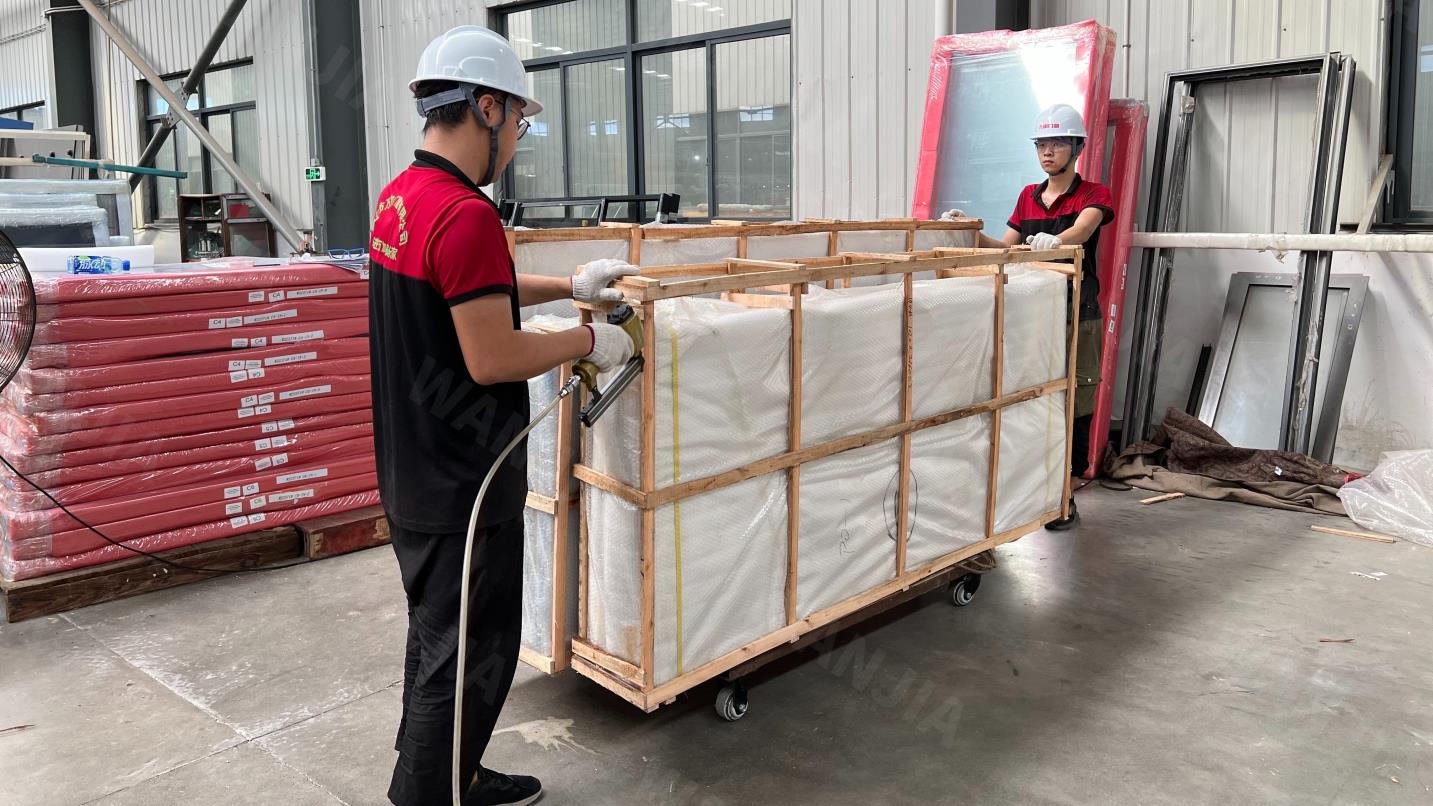
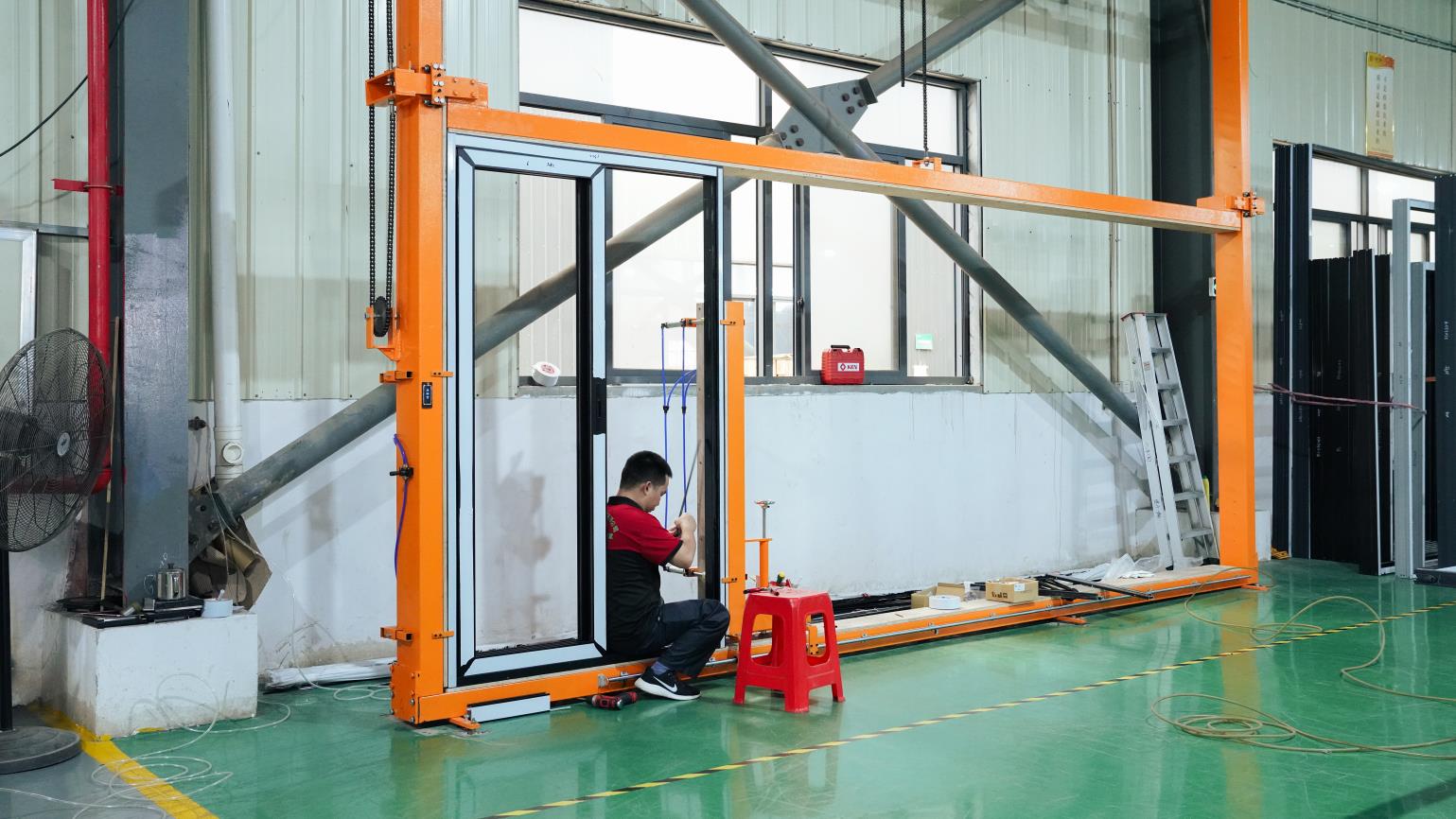
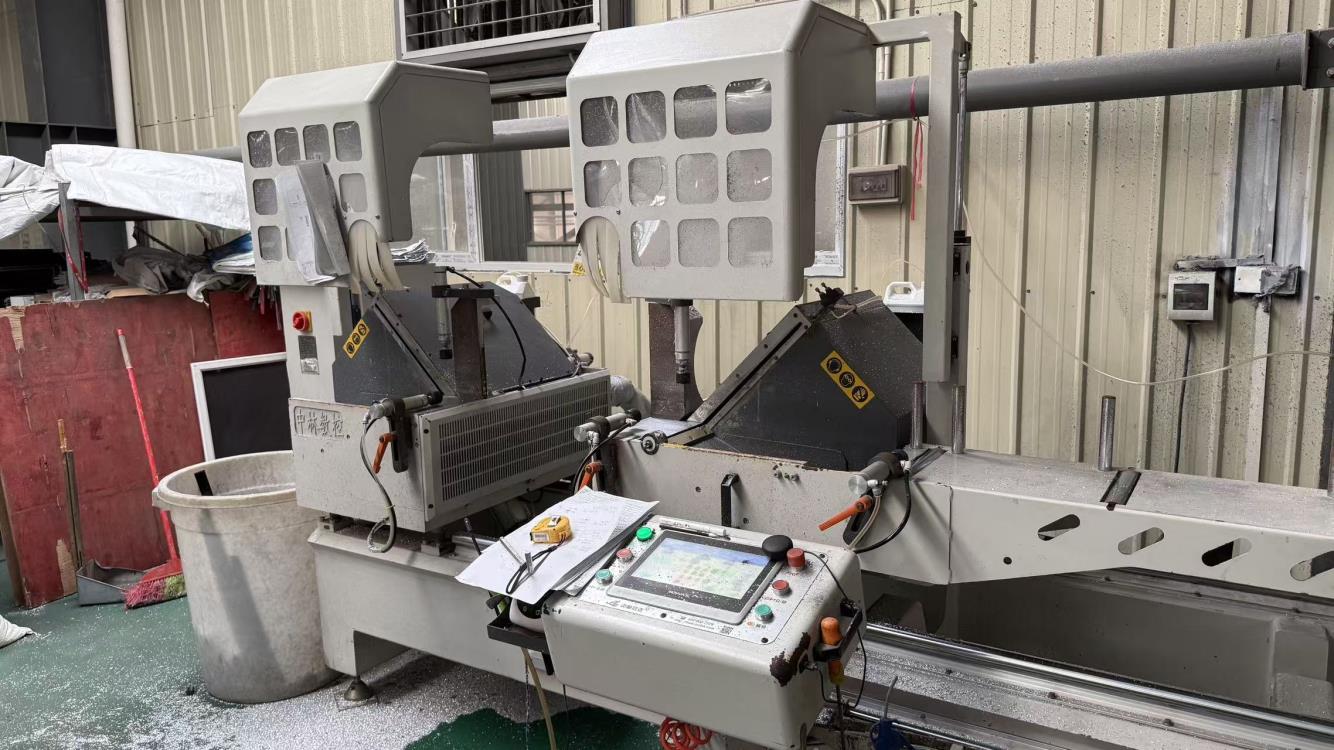
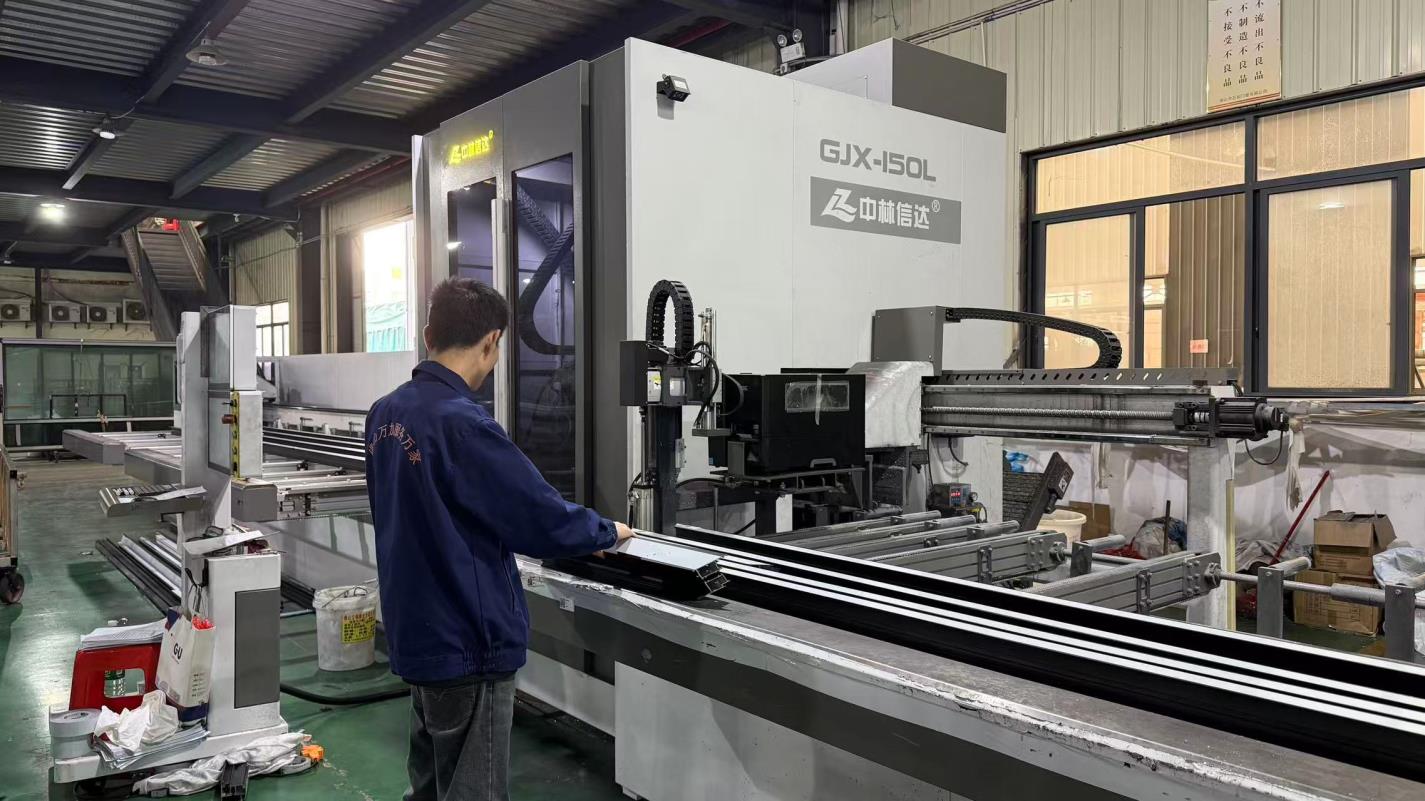
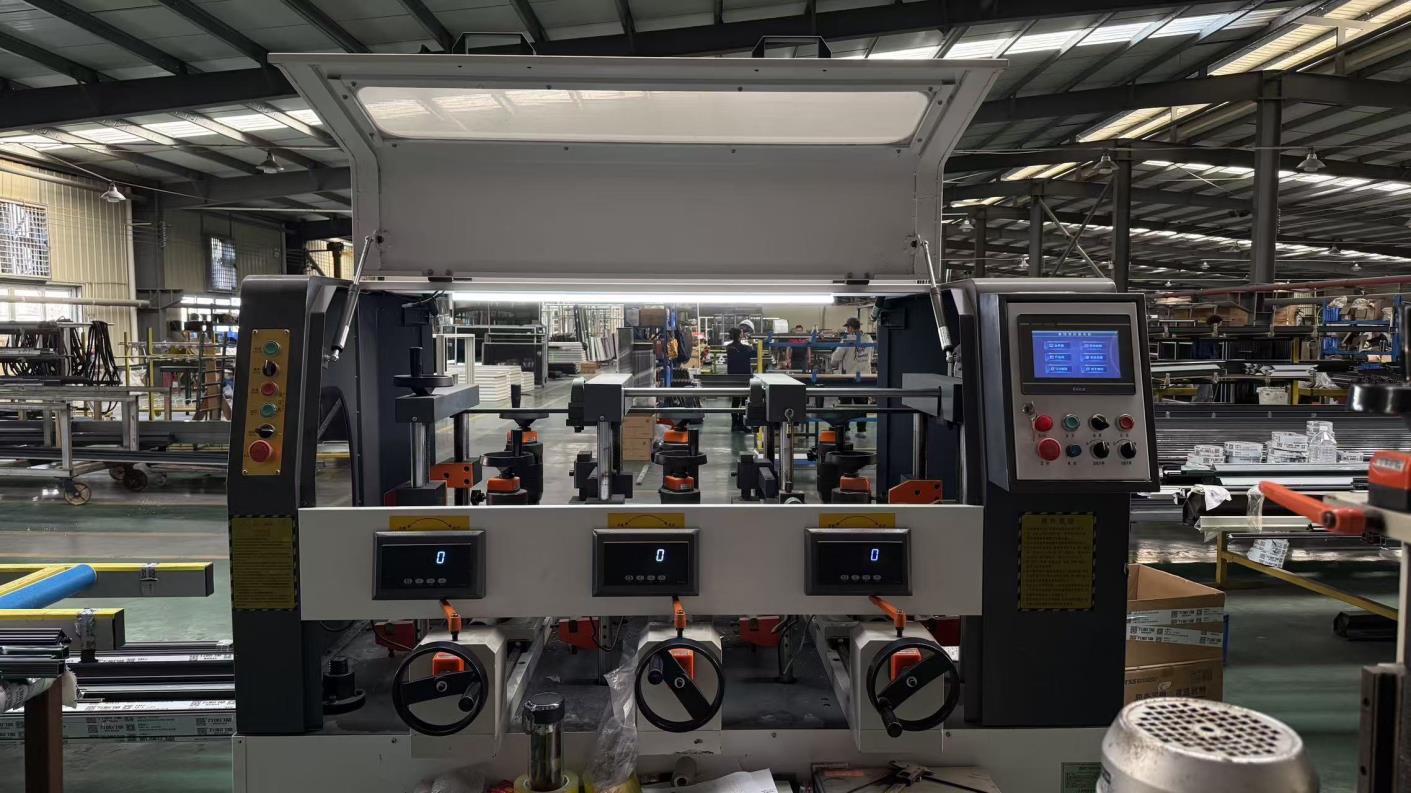
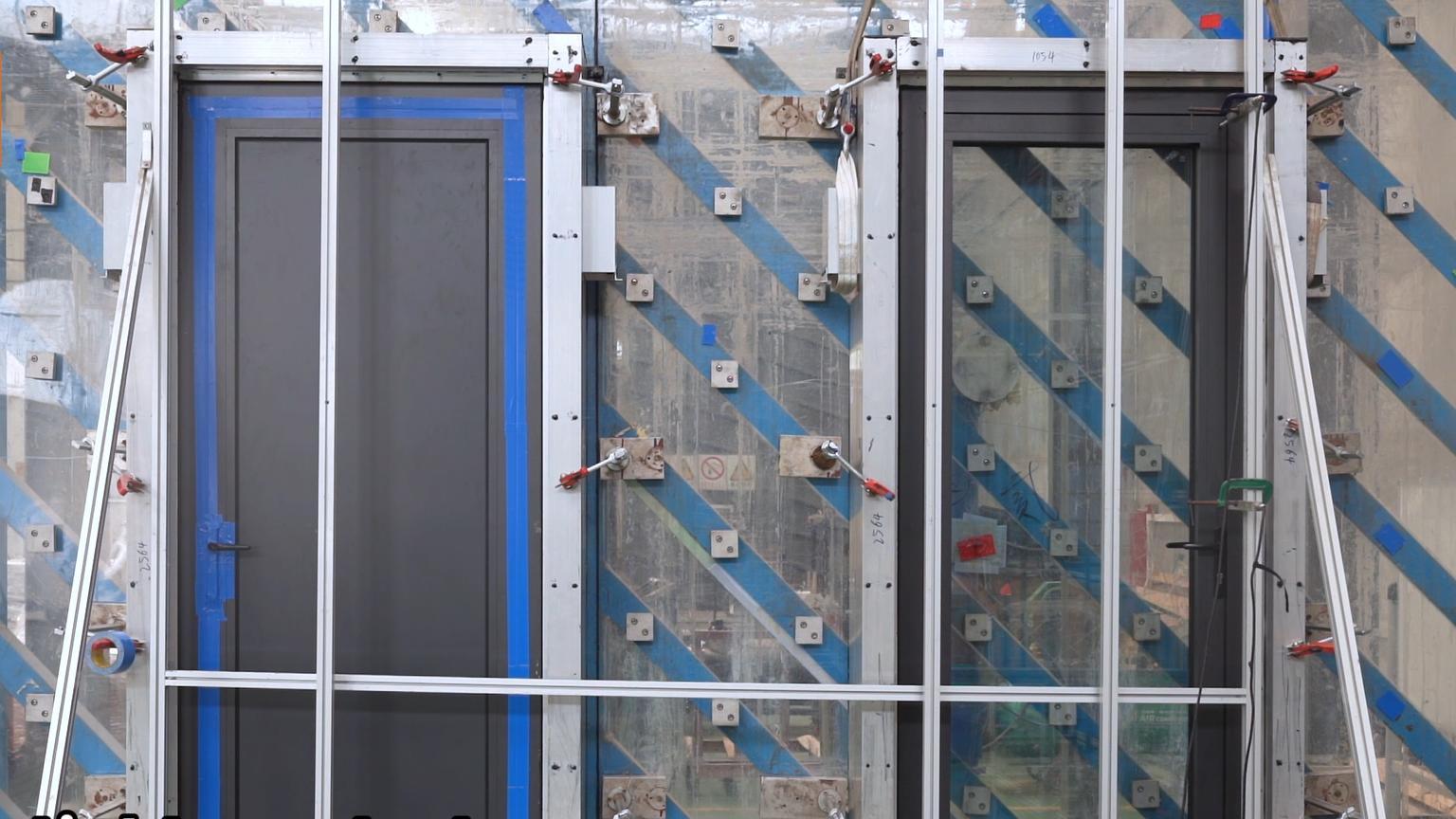
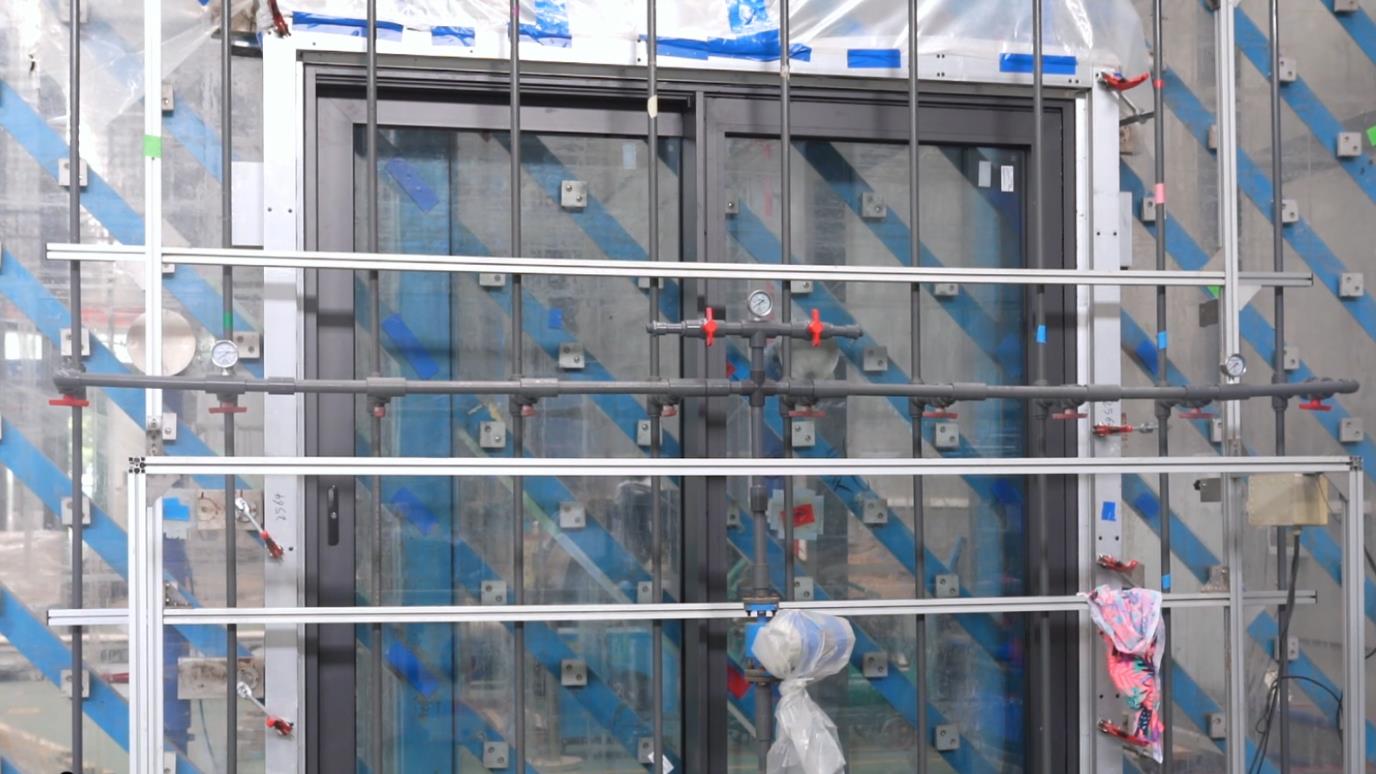
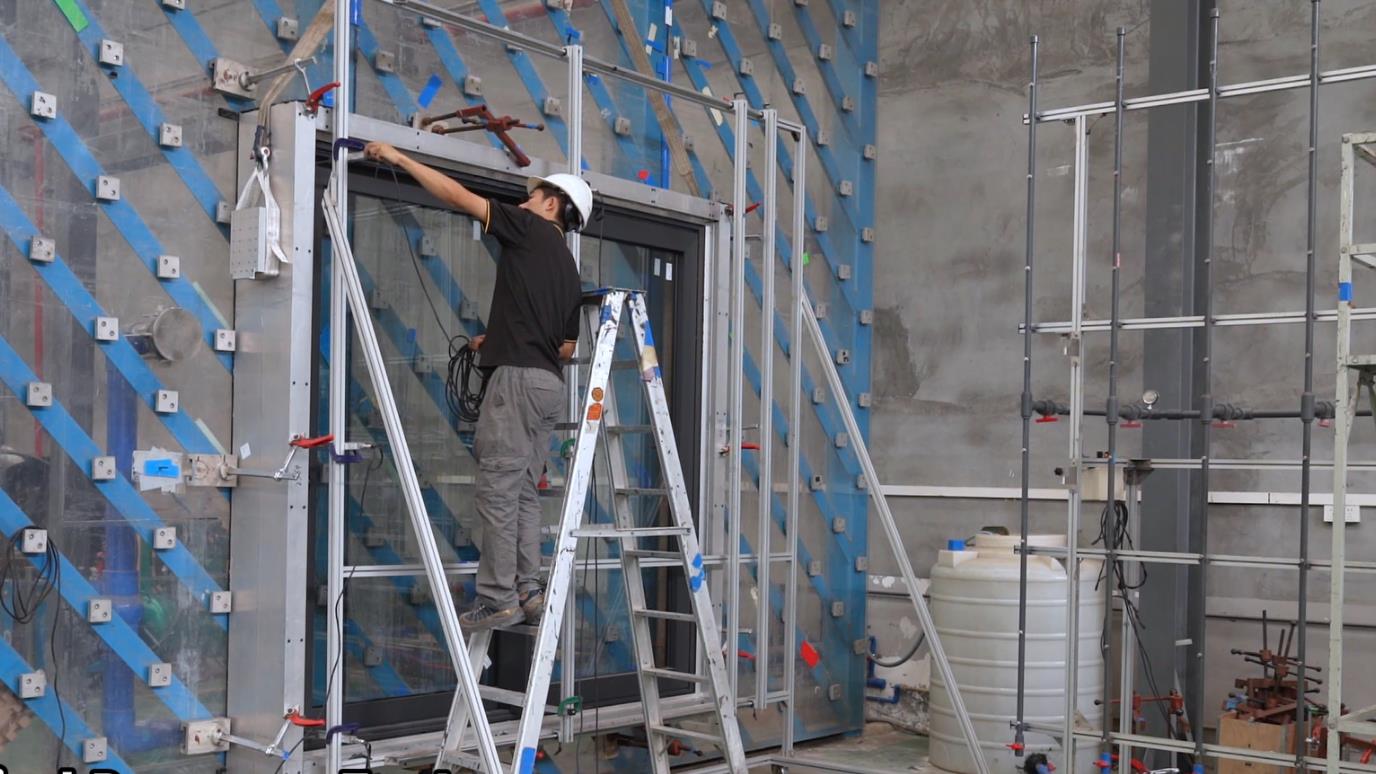
Every batch undergoes stringent physical validation to surpass international structural, thermal, and meteorological limits.
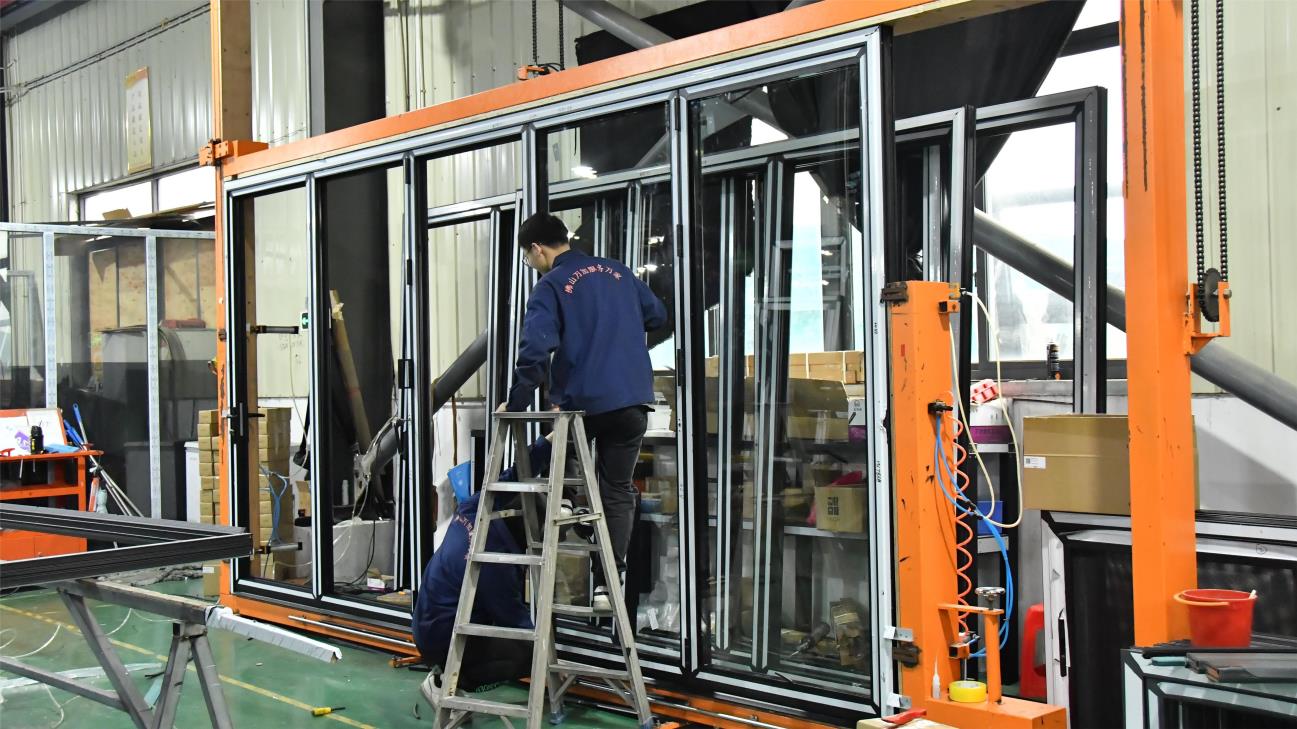
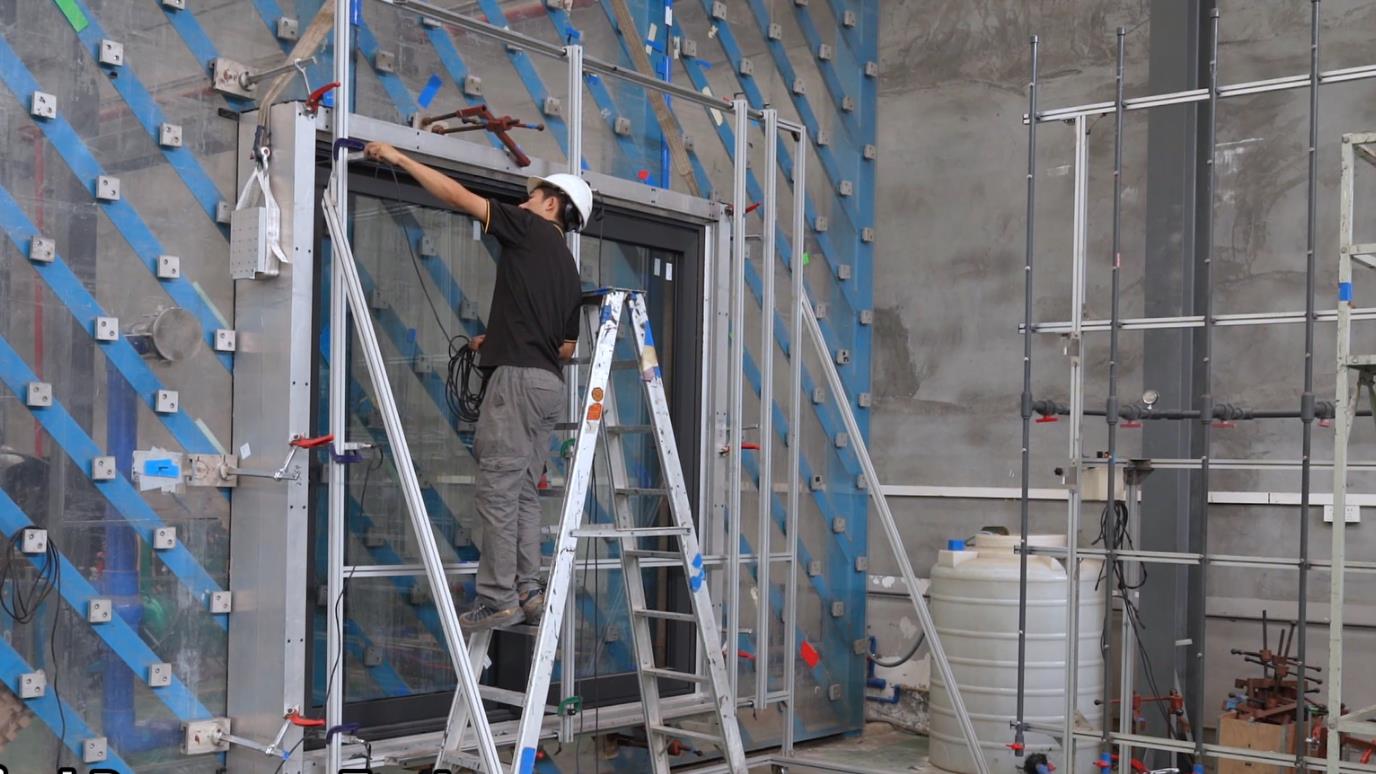
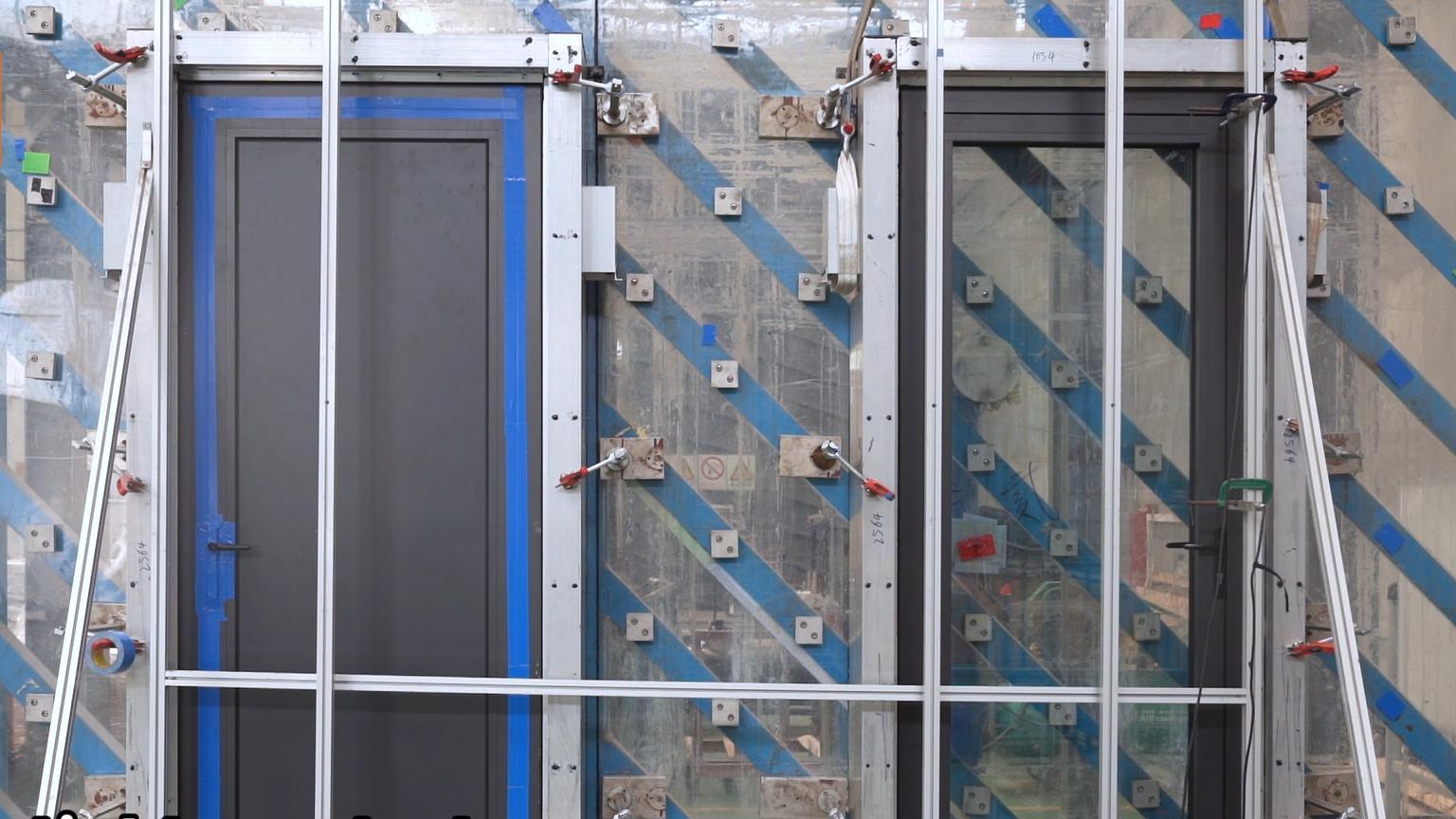
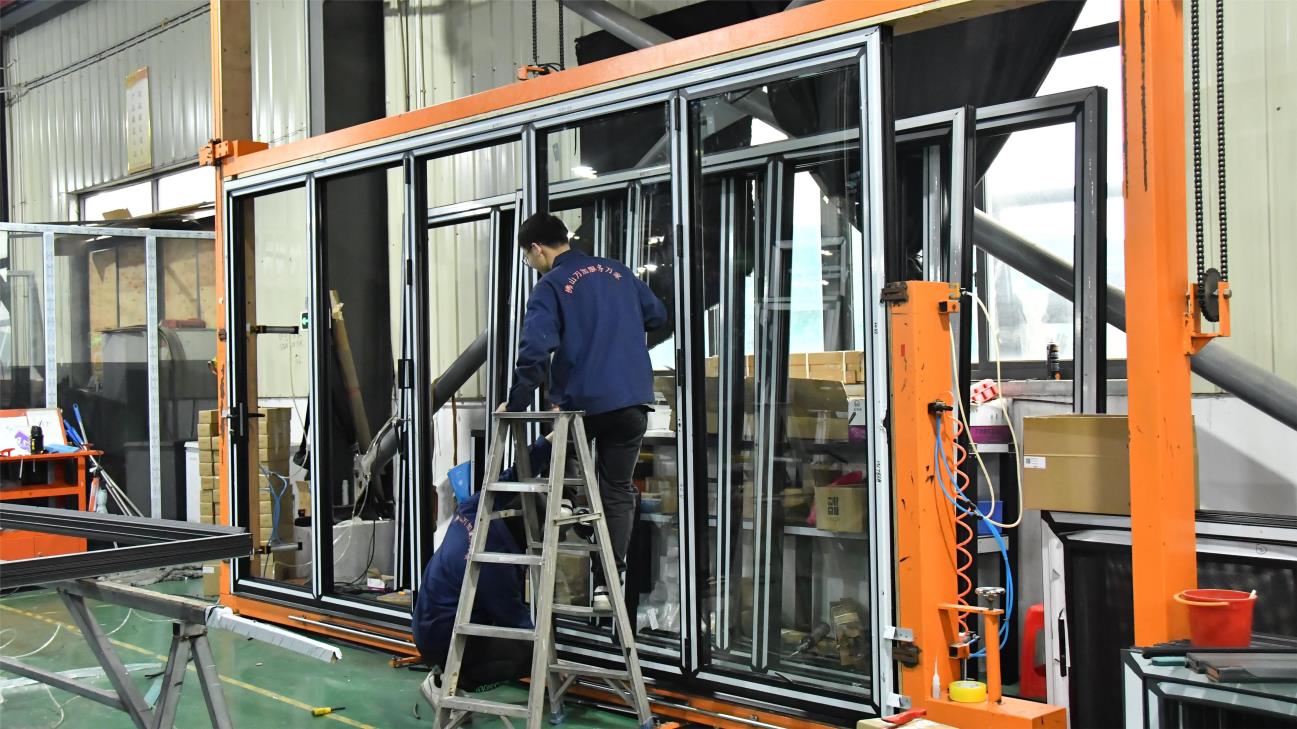
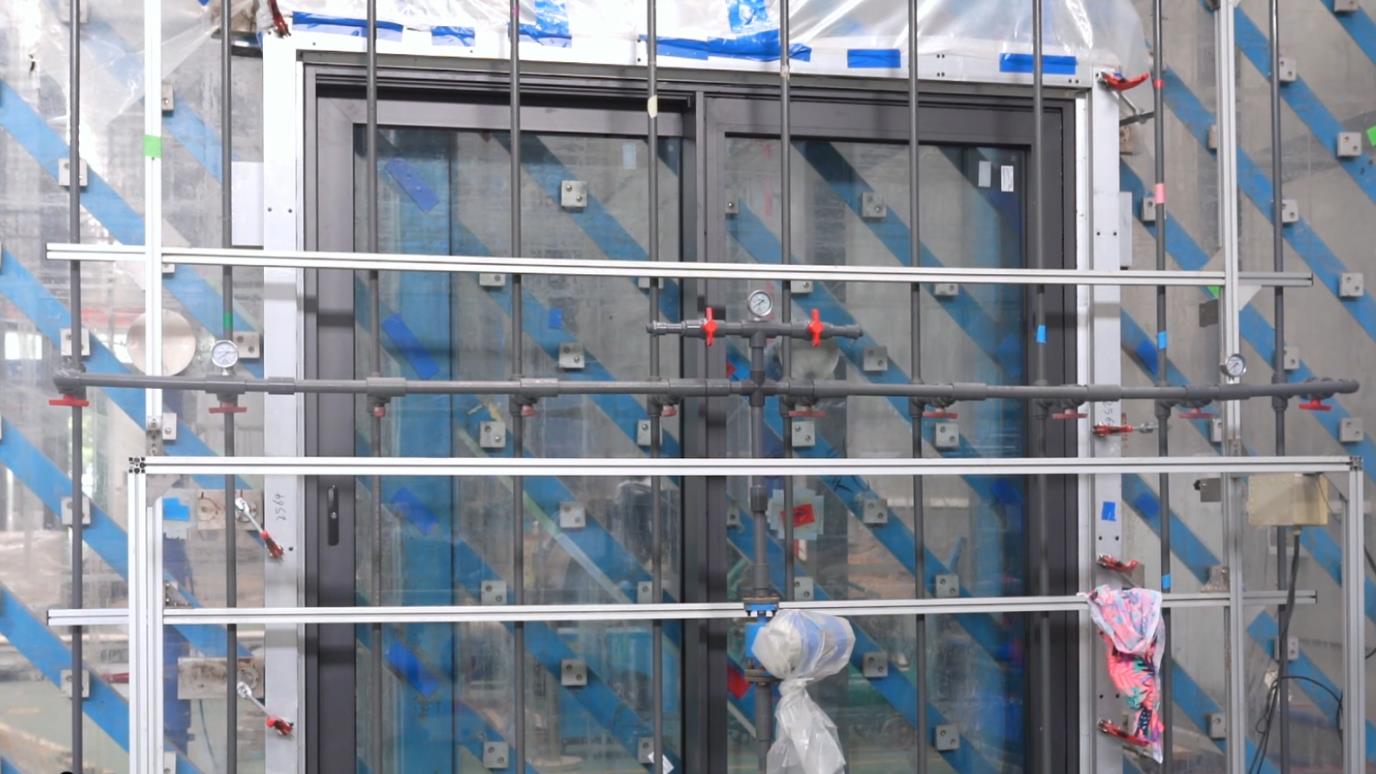
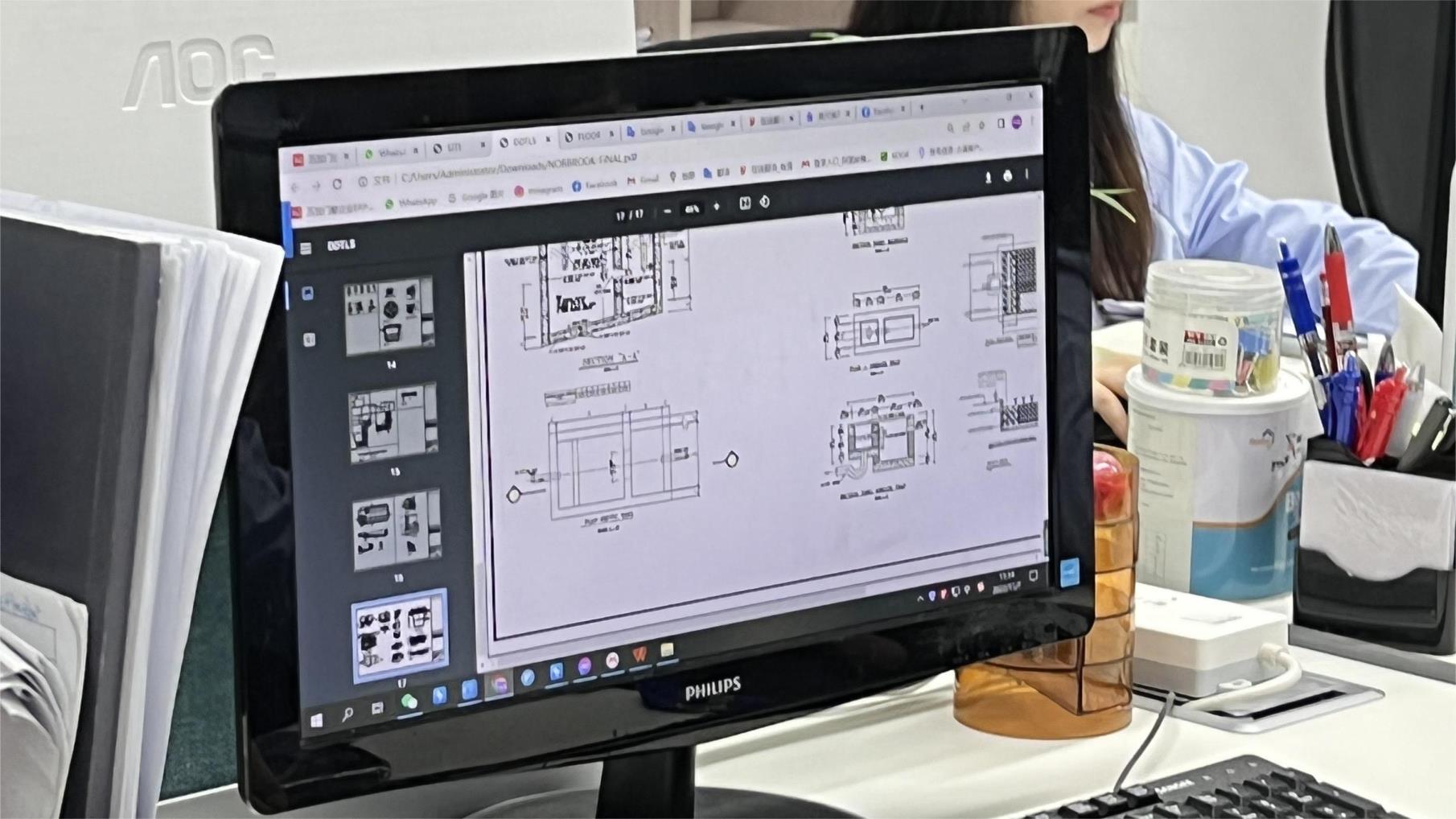
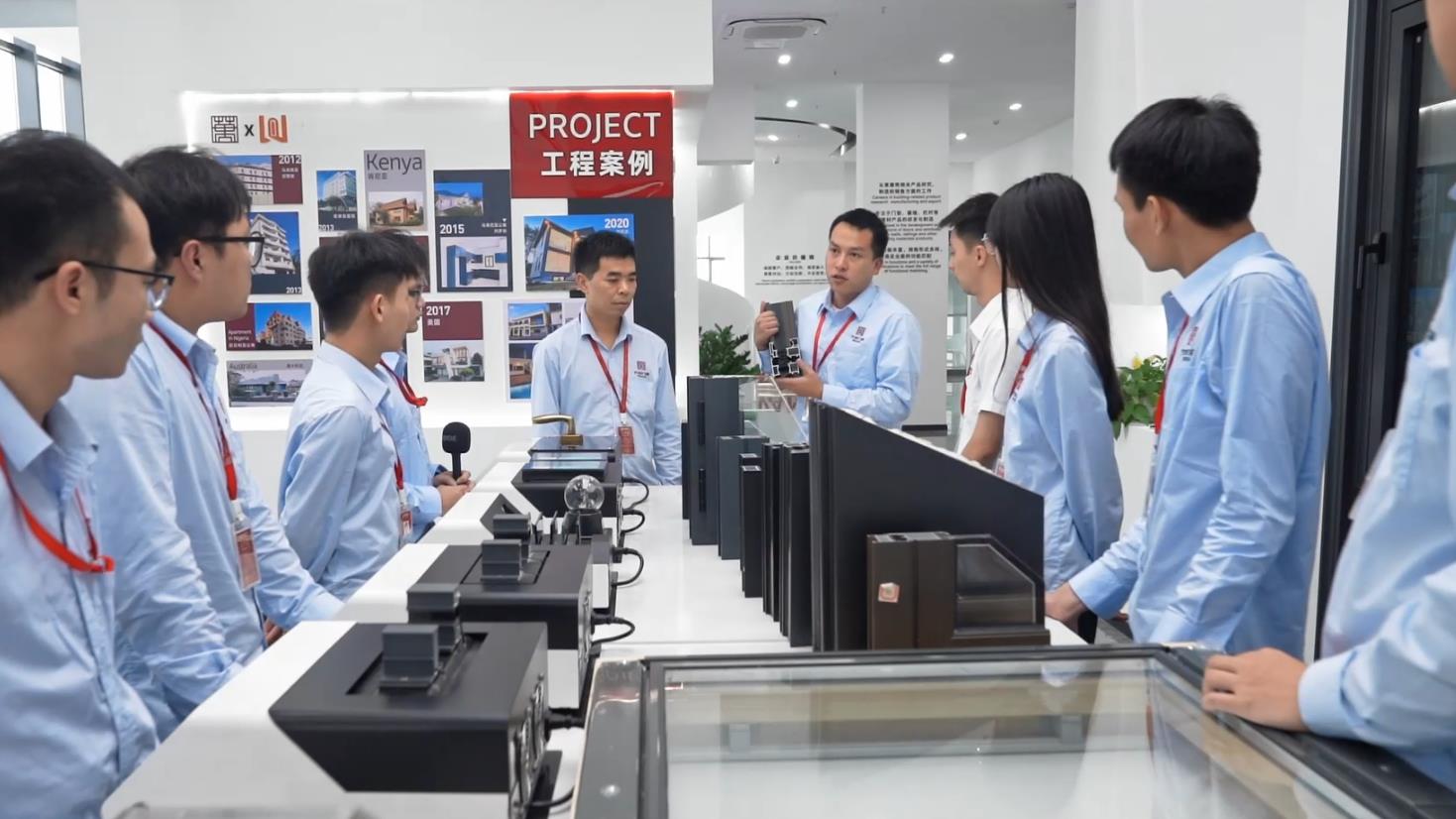
Driven by an agile team of 24 engineering experts responsible for launching over 40 new custom exterior entry systems annually.
Complete 2D/3D BIM modeling and CAD integration tailored to regional architectural codes, accommodating custom frame depths, corner joins, and multi-point locking channels.
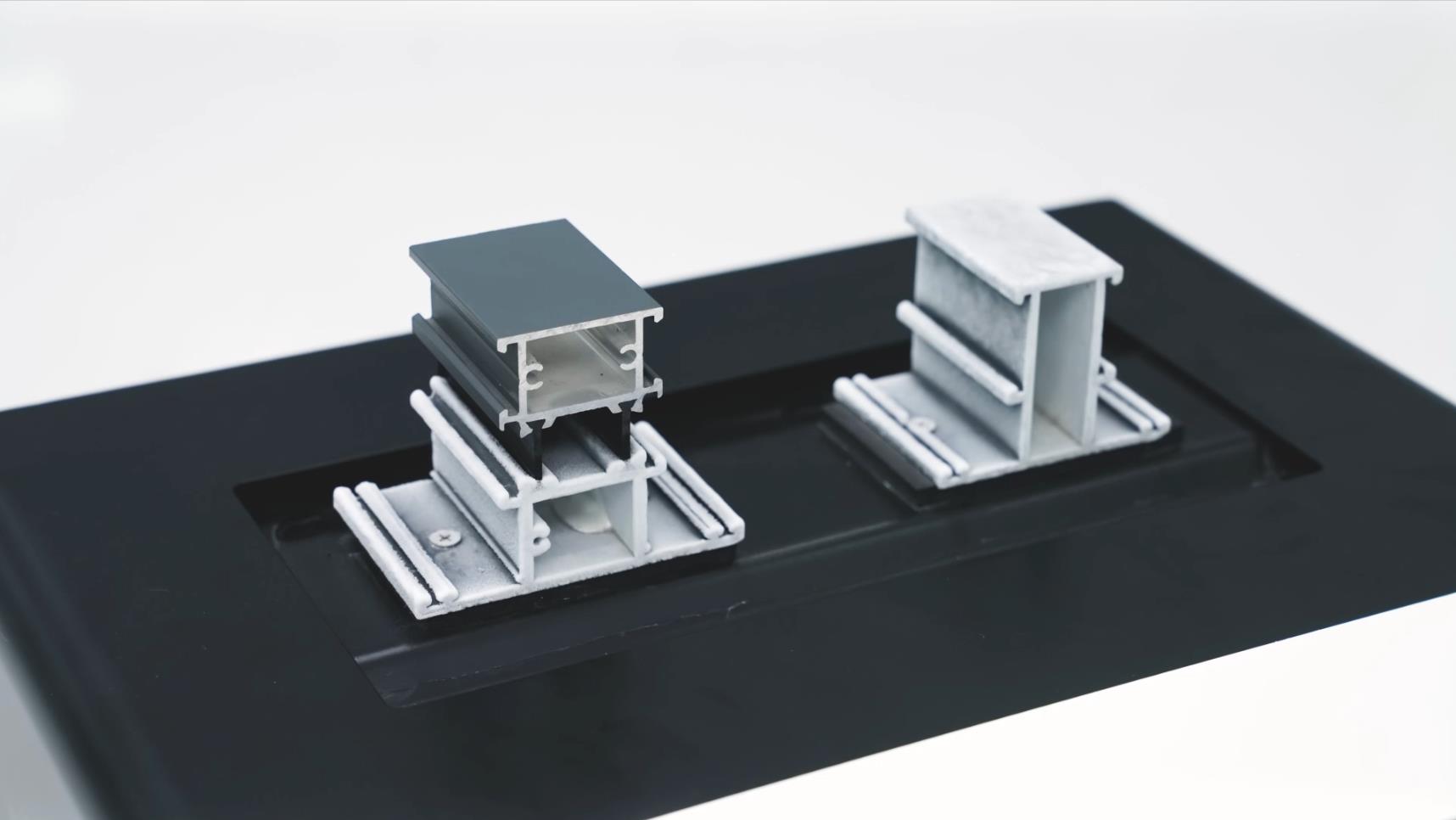
Advanced profile cavity design featuring multi-chambered polyamide breaks (PA66-GF25), optimizing finite element heat-transfer models to drastically eliminate thermal bridging.
Automated powder coating and electrophoresis finishing lines offering extended UV stabilization, salt-mist corrosion defense, and comprehensive RAL color customization.
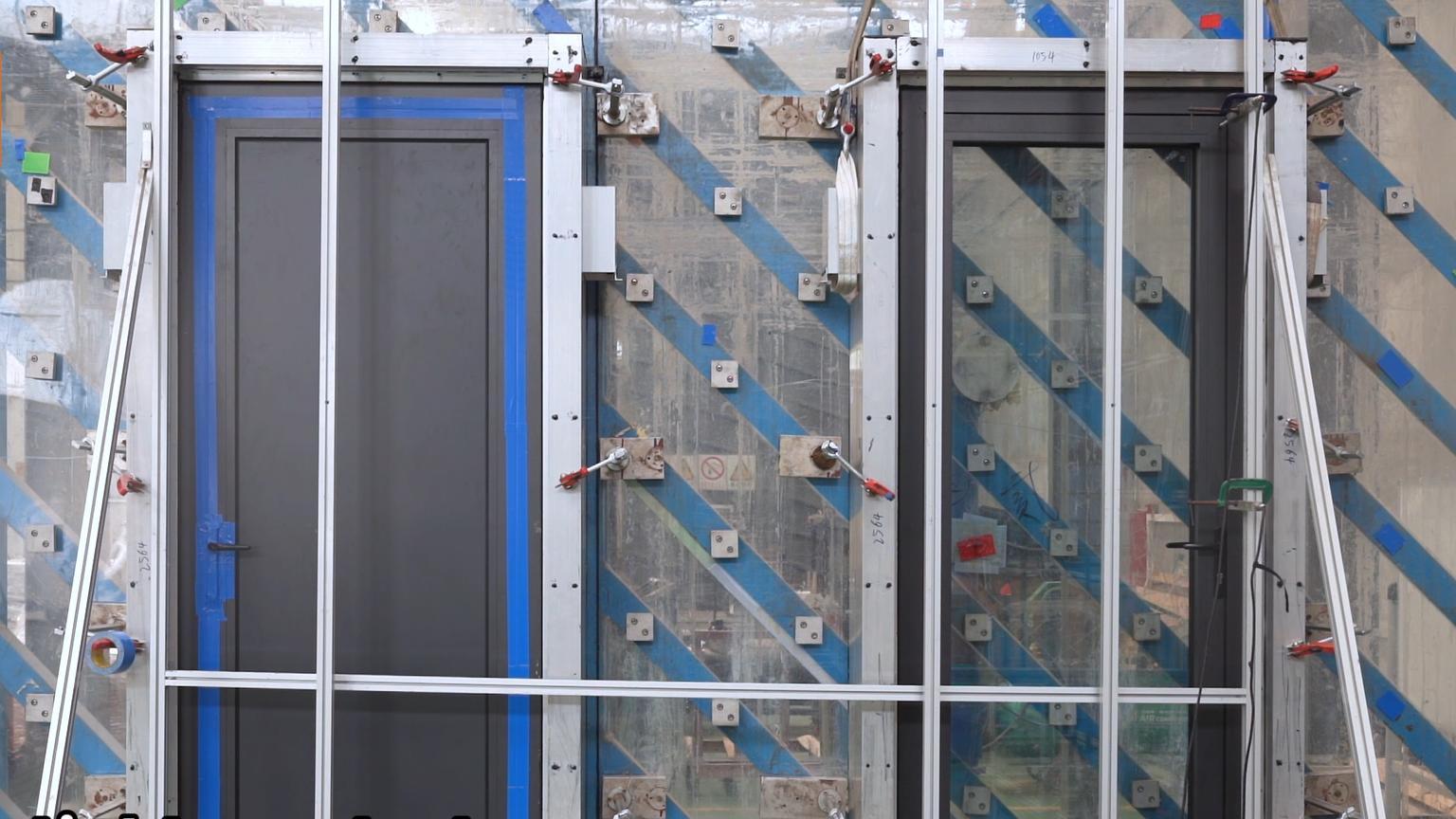
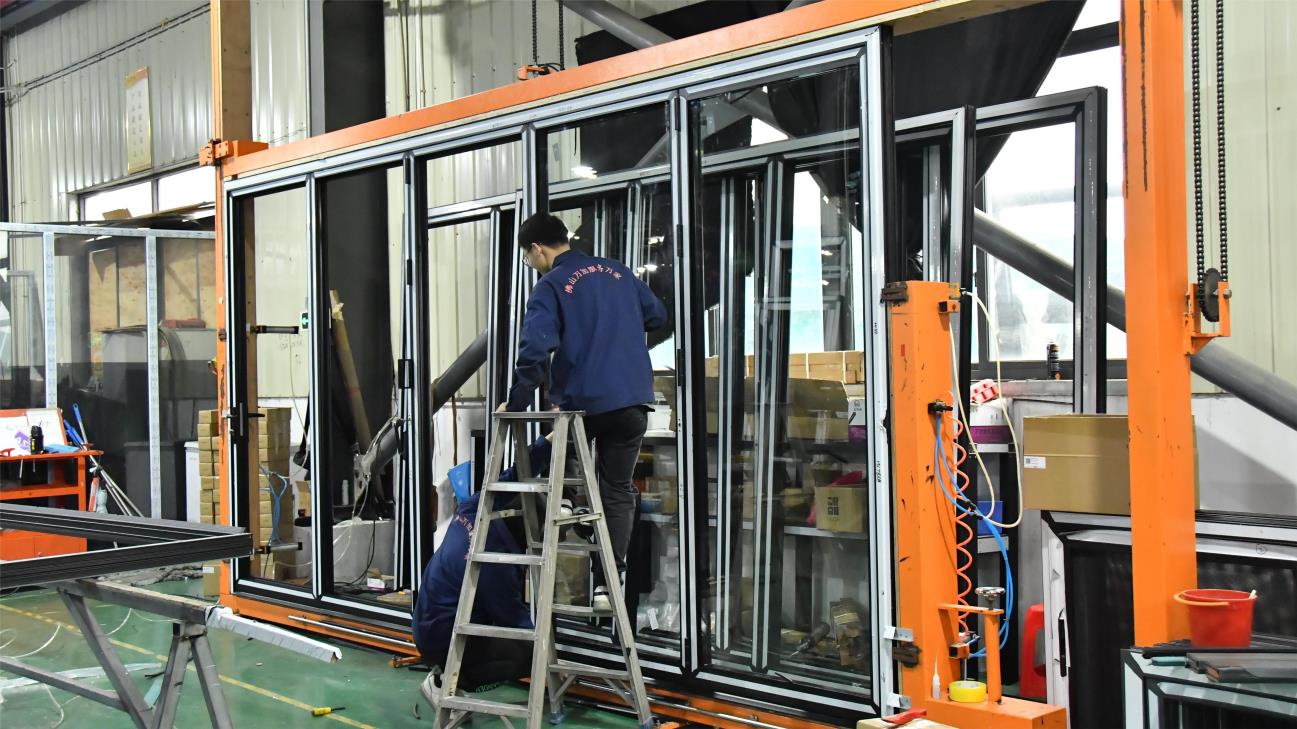
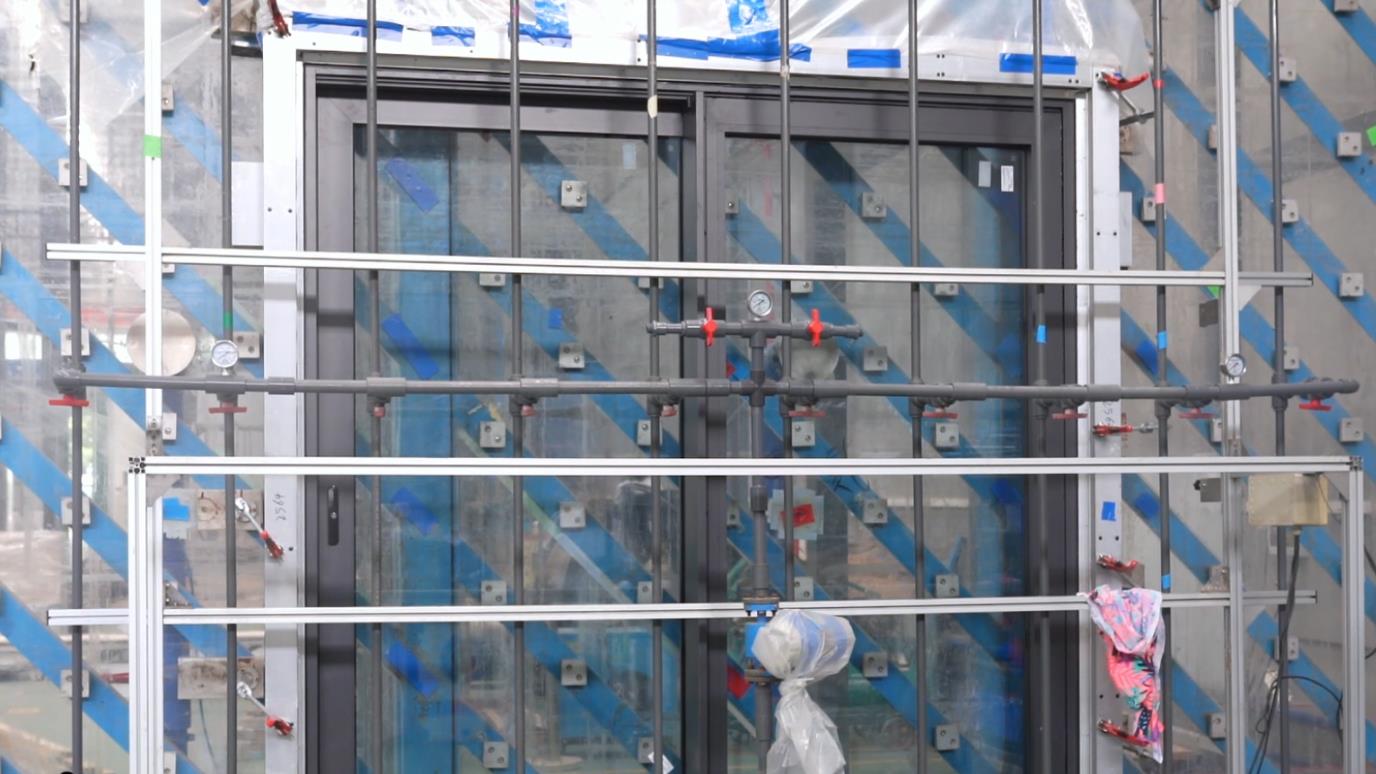
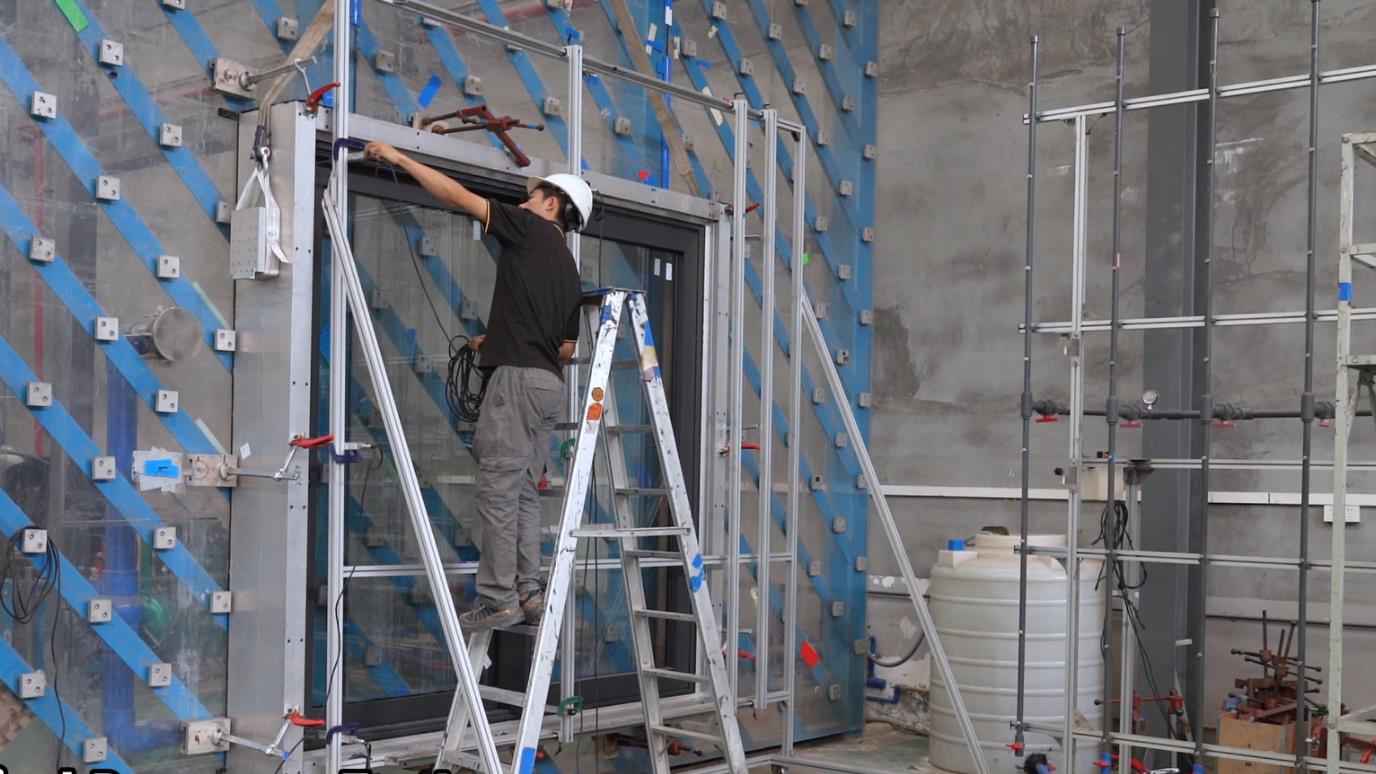
Engineered architectural configurations for specific regional microclimates, structural building codes, and sector requirements.
Coastal developments across the Southeastern US, Caribbean, and typhoon-prone Pacific regions demand structural fenestration capable of withstanding dynamic pressure spikes and flying debris. Our Miami-Dade NOA certified impact doors utilize heavy-wall extruded 6063-T6 aluminum profiles, laminated impact safety glass with PVB/SGP interlayers, and continuous multi-point stainless steel locking gear to prevent frame deflection and envelope breach under pressure loads exceeding ±90 PSF.
In Northern European and North American zones, controlling interior surface temperature and preventing condensation is critical. OptiDoors utilizes engineered thermal barrier systems featuring 24mm to 34mm polyamides, triple-pane argon-filled warm-edge glass configurations, and multi-channel EPDM gasket seals. This achieves optimal condensation resistance (CR) values and keeps U-factors below 0.85 W/m²K, maintaining thermal equilibrium even during sub-zero exterior temperatures.
Urban commercial applications demand maximum structural longevity paired with acoustic isolation (STC ratings up to 45 dB). Our commercial storefront entrance doors, heavy-duty bifold glass walls, and automated sliding systems integrate specialized sound-dampening acoustic PVB interlayers and heavy-gauge concealed door closers designed to withstand over 500,000 continuous operational cycles.
Architectural installations in regions such as Oceania, Australia, and the Middle East face high solar exposure and corrosive salt spray. We utilize specialized powder coatings complying with Qualicoat Class 2 and AAMA 2605 standards, alongside electro-chemically anodized finishes to prevent surface chalking, pitting, and color fading under intensive UV exposure.
The fenestration sector is evolving toward intelligent building envelope integration. Shandong OptiDoors Technology Co., Ltd. is actively advancing its technical roadmap across four primary vector domains:
Technical guidance and compliance insights for wholesale buyers, architectural specifiers, and trade partners.
CE marking under EN 14351-1 requires verified laboratory testing covering key performance metrics: Air Permeability (EN 12207, Class 1-4), Water Tightness (EN 12208, Class 1A-9A/E750+), Wind Load Resistance (EN 12210, Class 1-5/C5), Thermal Transmittance ($U_w$), and Operating Forces. Factory production must also meet ISO9001 quality management procedures under AVCP System 3 or 1.
Aluminum is a highly conductive metal. A thermal break profile introduces a non-conductive structural barrier—typically glass-fiber reinforced polyamide (PA66-GF25)—between the inner and outer aluminum profile chambers. This thermal bridge drastically reduces heat transfer, prevents condensation formation on interior surfaces, and substantially lowers HVAC energy load.
Yes. Supported by our team of 24 R&D engineers, Shandong OptiDoors offers complete customization. Buyers can specify exact CAD dimensions, glazing packages (Double/Triple glazed, Low-E, Reflective, Tinted, Acoustic, Bulletproof), hardware systems, and finishes (powder coating across all RAL colors, wood-grain transfers, or anodizing).
Our products undergo dedicated testing for specific target markets. For Oceania, we maintain AS2047 compliance, testing window and door deflection under L/175 limits. For US hurricane zones, our impact-resistant lines utilize laminated structural glass and heavy-duty reinforced alloy framing tested under TAS 201/203 cyclic pressure standards.
Explore our full range of CE-certified, thermally insulated, and impact-tested exterior door and window solutions.
 OptiDoors