Engineered for extreme structural resistance, thermal efficiency, and seamless IoT hardware integration.
The global high-end construction and commercial property sector is undergoing a structural transition. As modern architecture demands higher building envelope energy performance alongside seamless IoT security integration, traditional front entrance assemblies are rapidly being replaced by advanced aluminum front doors with integrated smart locking systems. According to global building code updates across the European Union, North America, and Australia, entrance systems must now satisfy multi-dimensional criteria—combining structural wind load resistance, thermal isolation (low U-values), certified forced-entry resistance (RC2/RC3 standards), and encrypted electronic access controls.
A CE Mark on an aluminum front entrance door is not merely a trading label; it signifies compliance with the European Construction Products Regulation (CPR EU 305/2011) and EN 14351-1:2006+A2:2016. Furthermore, when equipped with smart locks, the assembly must meet Radio Equipment Directive (RED 2014/53/EU) guidelines to ensure cybersecurity, electromagnetic compatibility, and structural longevity against mechanical fatigue.
For B2B buyers—including commercial developers, residential custom builders, import distributors, and smart home system integrators—sourcing CE certified aluminum entrance systems requires evaluating both the metallurgical performance of the aluminum profiles and the electromechanical integrity of the lock mechanisms. Non-compliant units frequently suffer from thermal bridging, gasket degradation, wireless protocol instability, and vulnerability to forced mechanical overrides.
Constructed using extruded 6063-T6 or 6060-T66 aluminum alloys, delivering ultimate tensile strength while maintaining lightweight structural balance for heavy panel operation.
Fully integrated mechatronic locks featuring multi-biometric algorithms, AES-128/256 banking-grade encryption, and universal smart building connectivity.
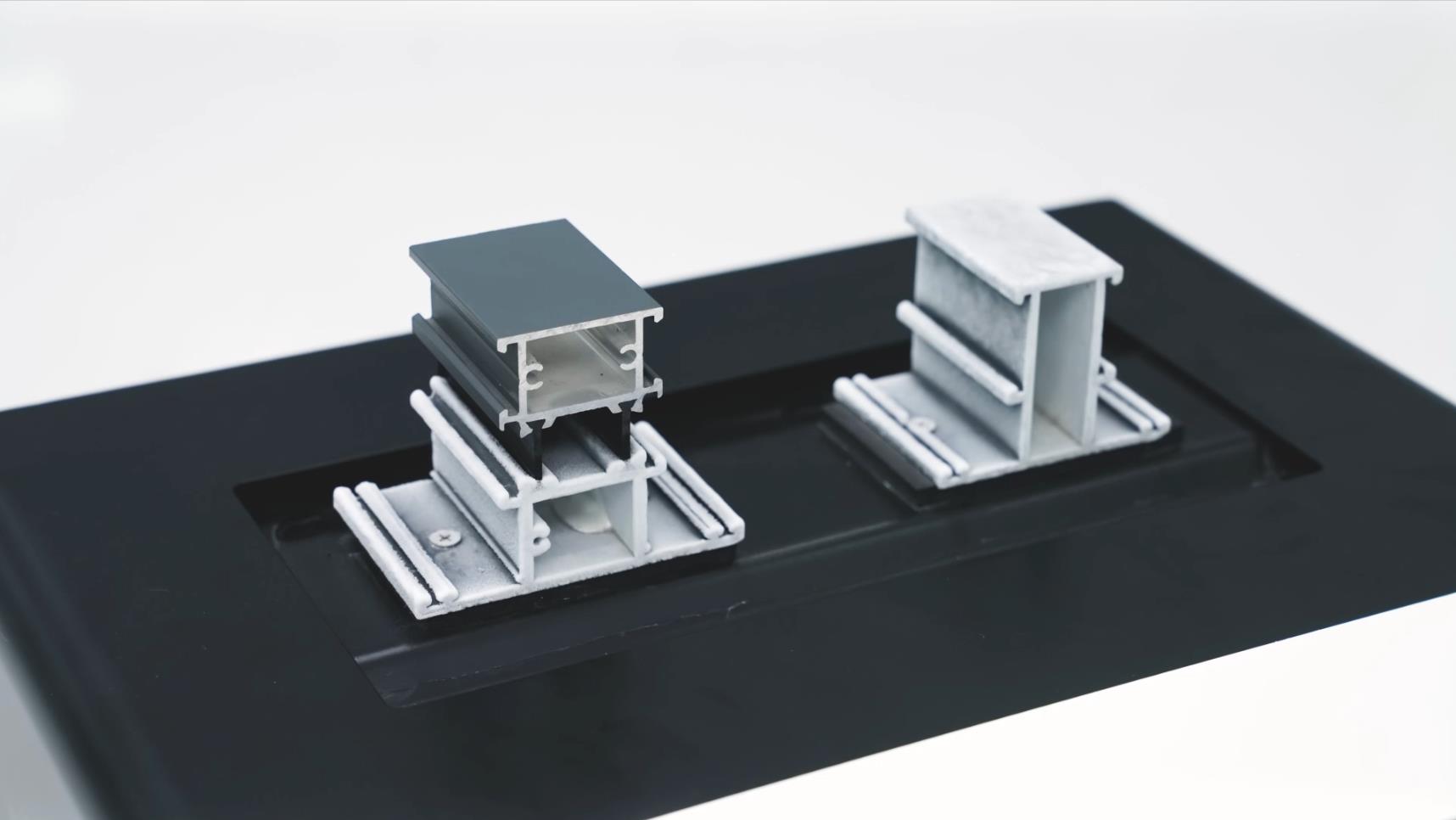
Engineered with multi-cavity PA66GF25 (25% glass fiber reinforced polyamide) thermal barriers to stop conductive heat transfer in extreme climates.
A structured evaluation framework for B2B buyers, EPC contractors, and global hardware distributors.
| Evaluation Metric | Commercial Requirements | Standard Market Level | OptiDoors Industrial Standard |
|---|---|---|---|
| Structural Resistance | EN 12210 Wind Load / EN 12207 Air Permeability | Class C3 / Class 3 | Class C5 / Class 4 (High Pressure Tested) |
| Security Rating | EN 1627 Anti-Burglar Protection | Basic Latch (RC1) | Certified RC2 / RC3 Multi-Point Locking |
| Smart Lock Encryption | RED 2014/53/EU Cybersecurity Standards | Standard Dynamic Code | AES-128/256 Bit Dual-Layer Encrypted Chipset |
| Thermal Insulation | EN ISO 10077-1 / EN ISO 10077-2 | Ud ~ 1.8 - 2.2 W/m²K | Ud ≤ 0.85 - 1.1 W/m²K (Thermal Break PA66) |
| Surface Finish Durability | AAMA 2604 / AAMA 2605 / Qualicoat Class 2 | Standard Powder Coat (500 hrs Salt Spray) | Fluorocarbon / PVDF (2000+ hrs Neutral Salt Spray) |
| Operational Life Cycle | EN 12400 Mechanical Hinge & Latch Endurance | 50,000 Cycles | 200,000+ Opening Cycles (Heavy-Duty Bearings) |
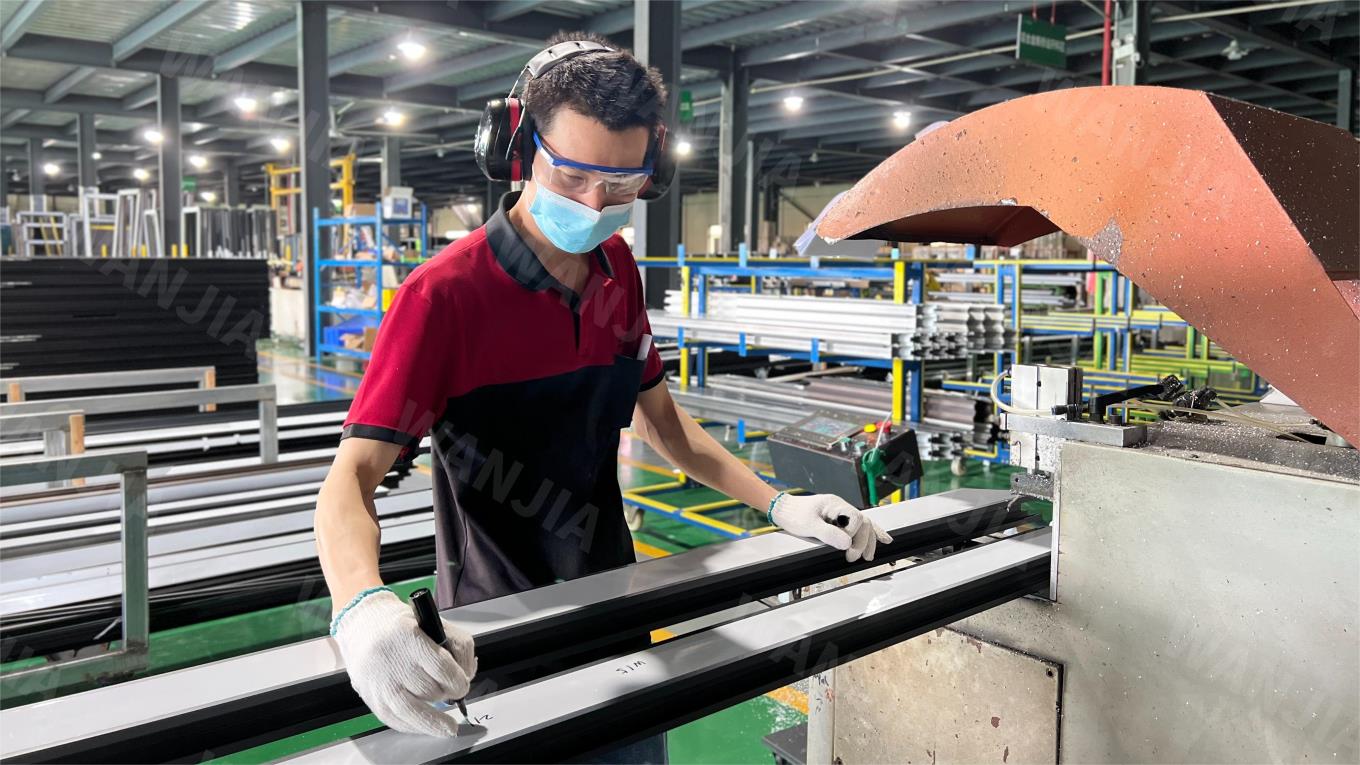
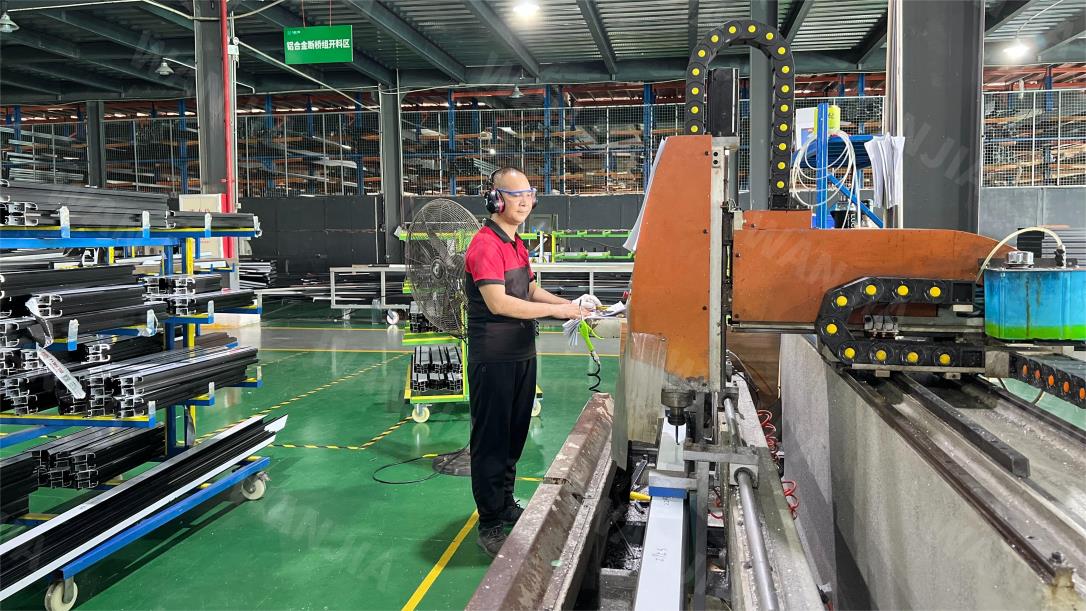
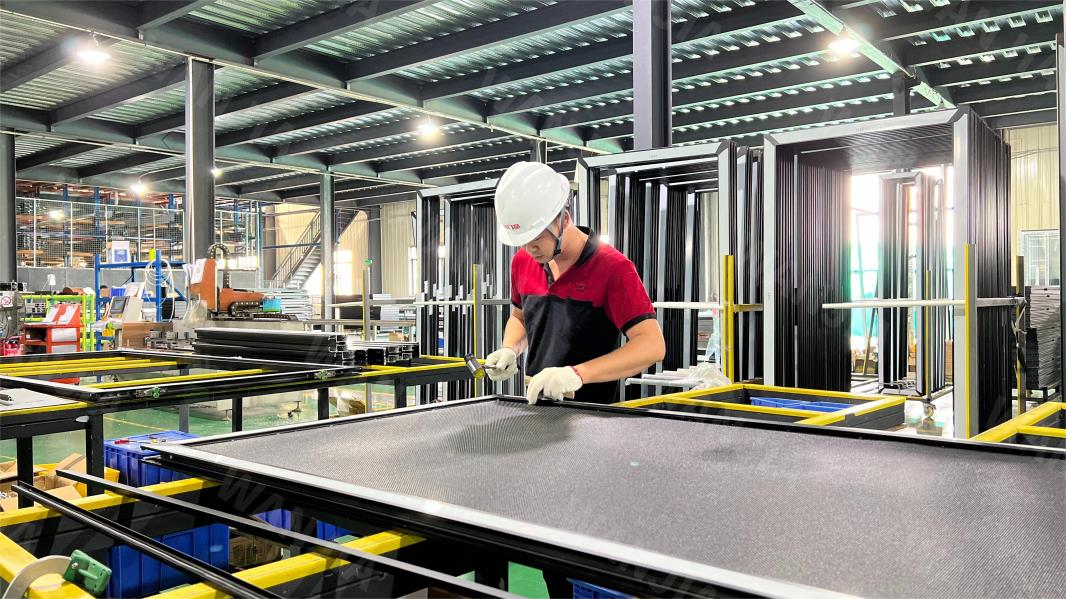
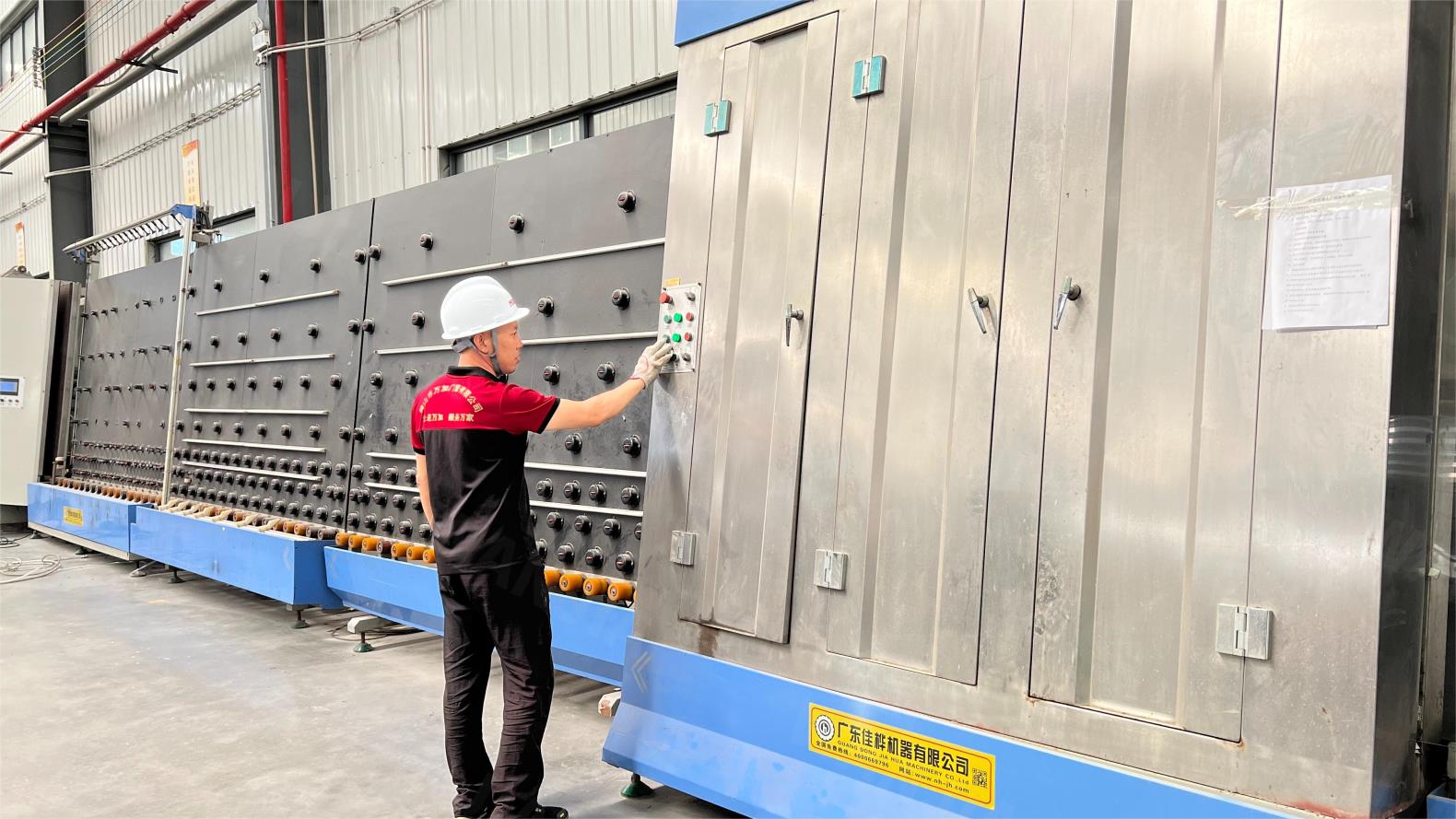
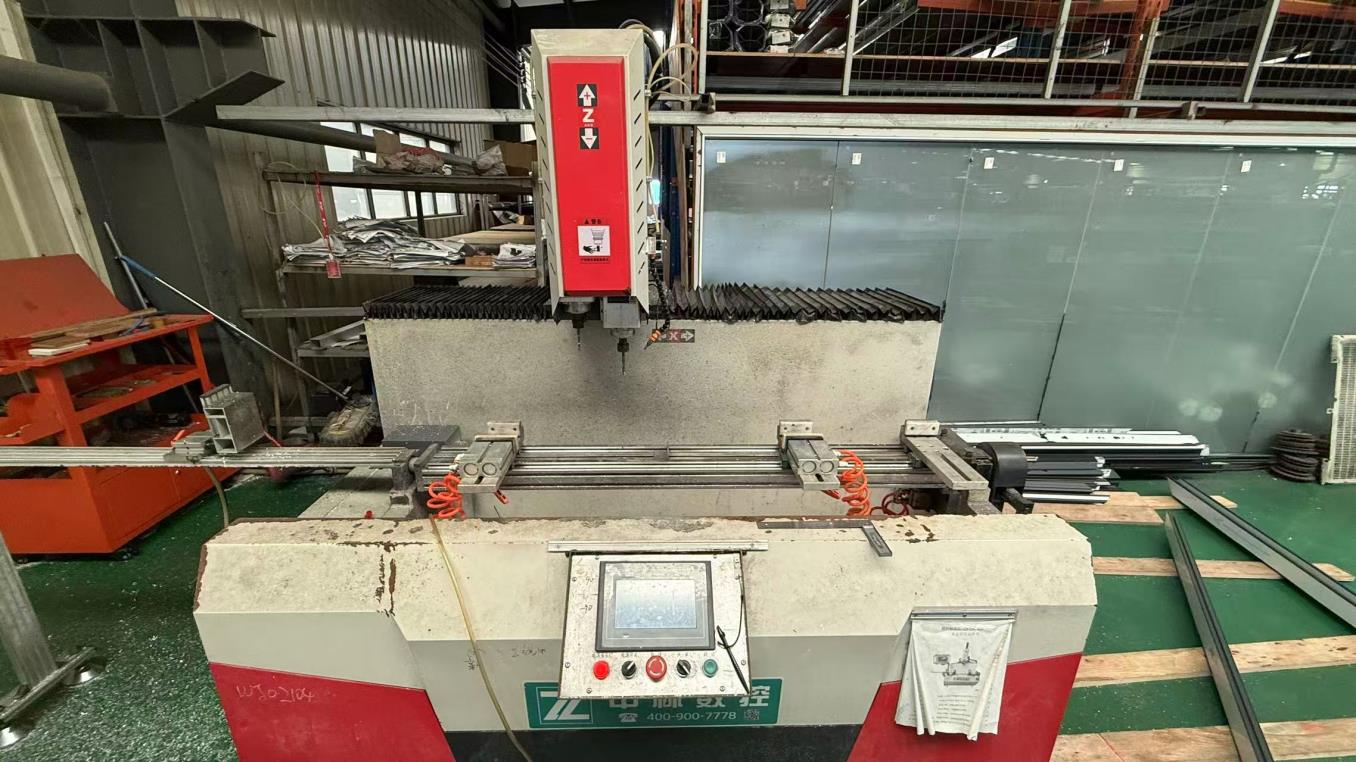
Operational background, automated production lines, and quality control systems.
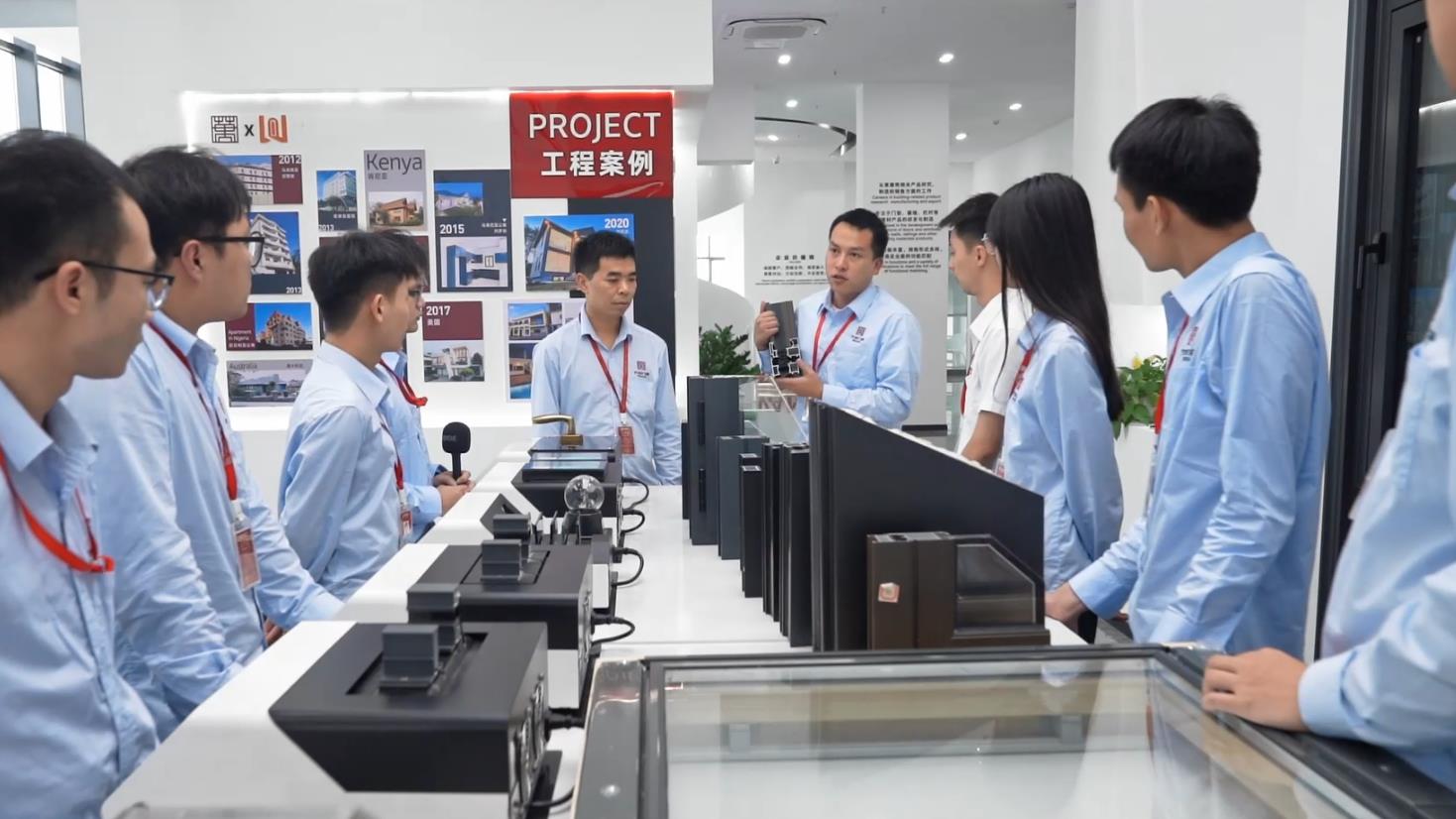
Founded in 2018, Shandong OptiDoors Technology Co., Ltd. operates an advanced manufacturing complex spanning 8,200 m². Backed by 8 years of specialized architectural door production and 4 years of rapid international expansion, the enterprise yields an annual export revenue of USD 6,800,000 across high-compliance markets including Western Europe, the Middle East, Central Asia, and Australia.
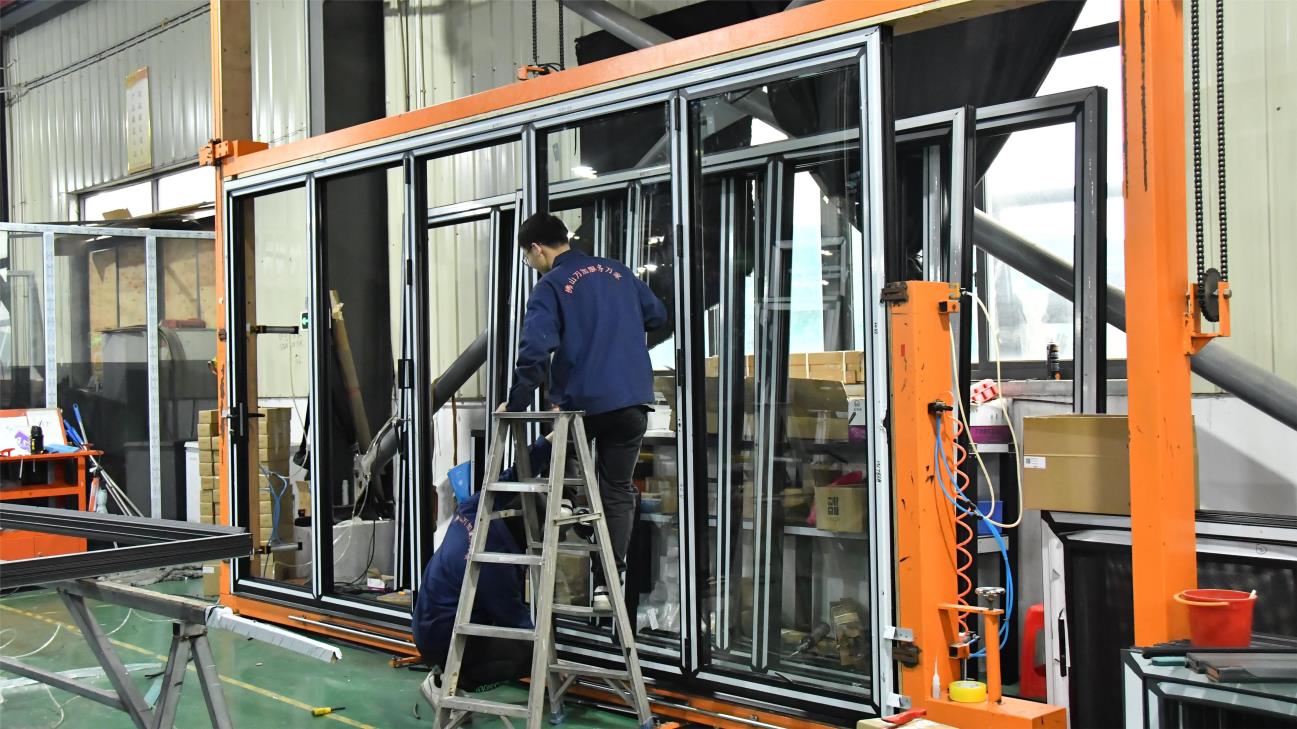
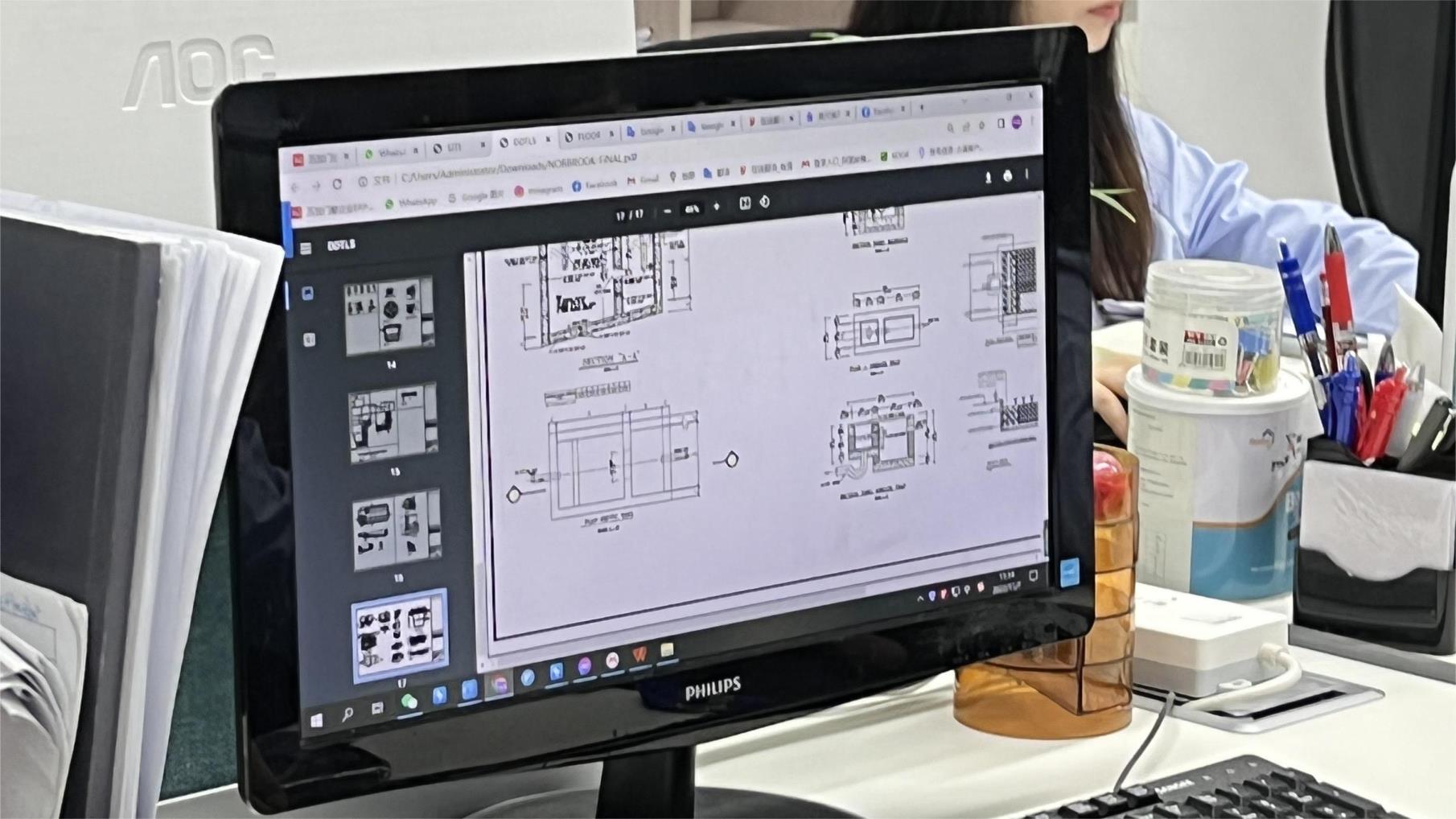
To deliver uncompromising quality across custom B2B orders, OptiDoors enforces an ISO9001-certified Quality Management System. The company maintains an independent Quality Assurance department staffed by 16 dedicated QA officers who supervise every stage of production—from raw aluminum billet inspection and thermal strip crimping to smart lock electronic circuit testing and final export packaging. Supported by a robust network of 380 supply chain partners and an agile R&D team of 24 engineering experts, OptiDoors developed and commercialized over 40 original door profile series in the last annual cycle alone.
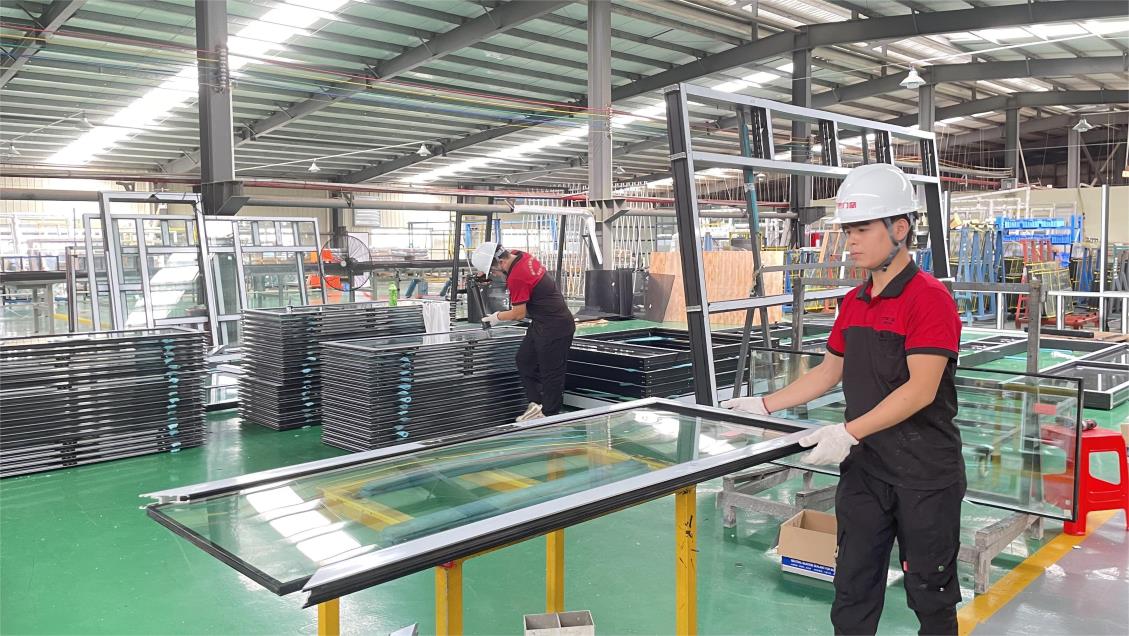
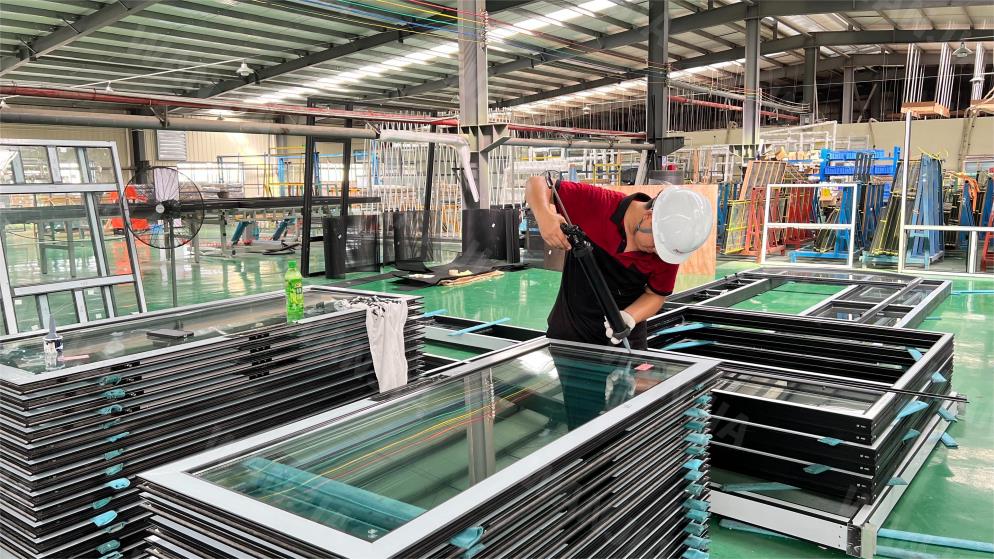
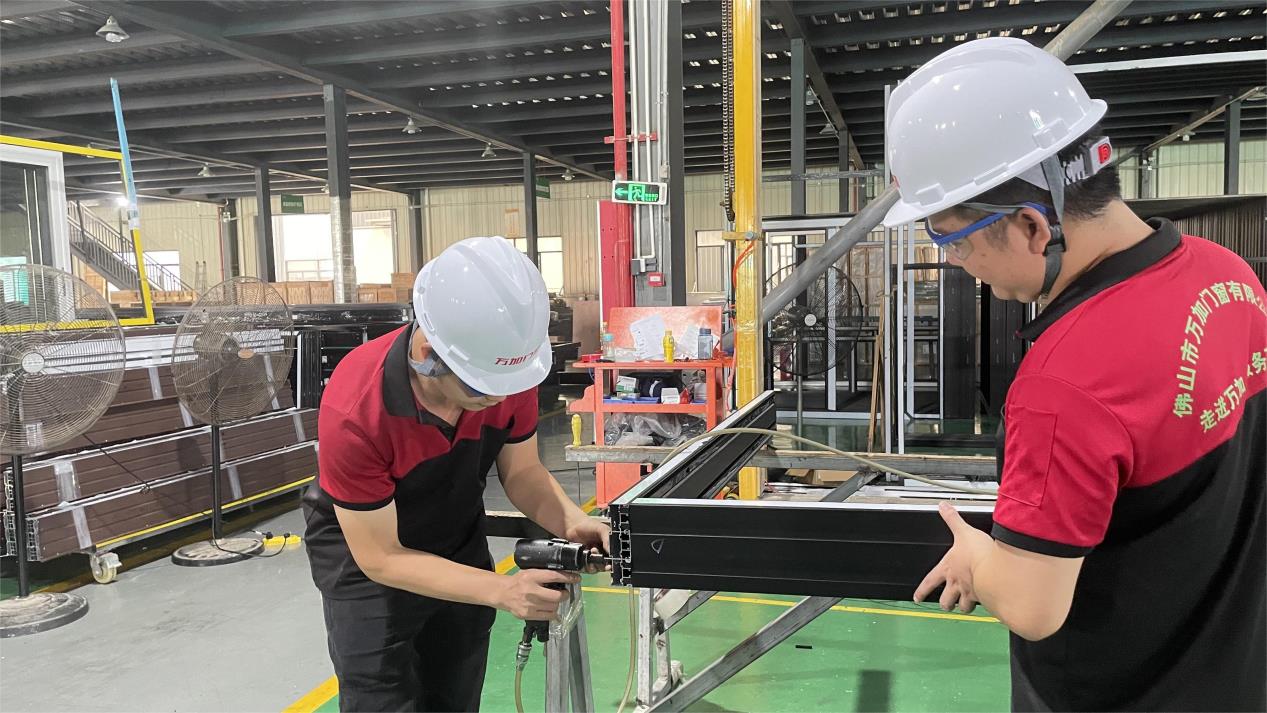
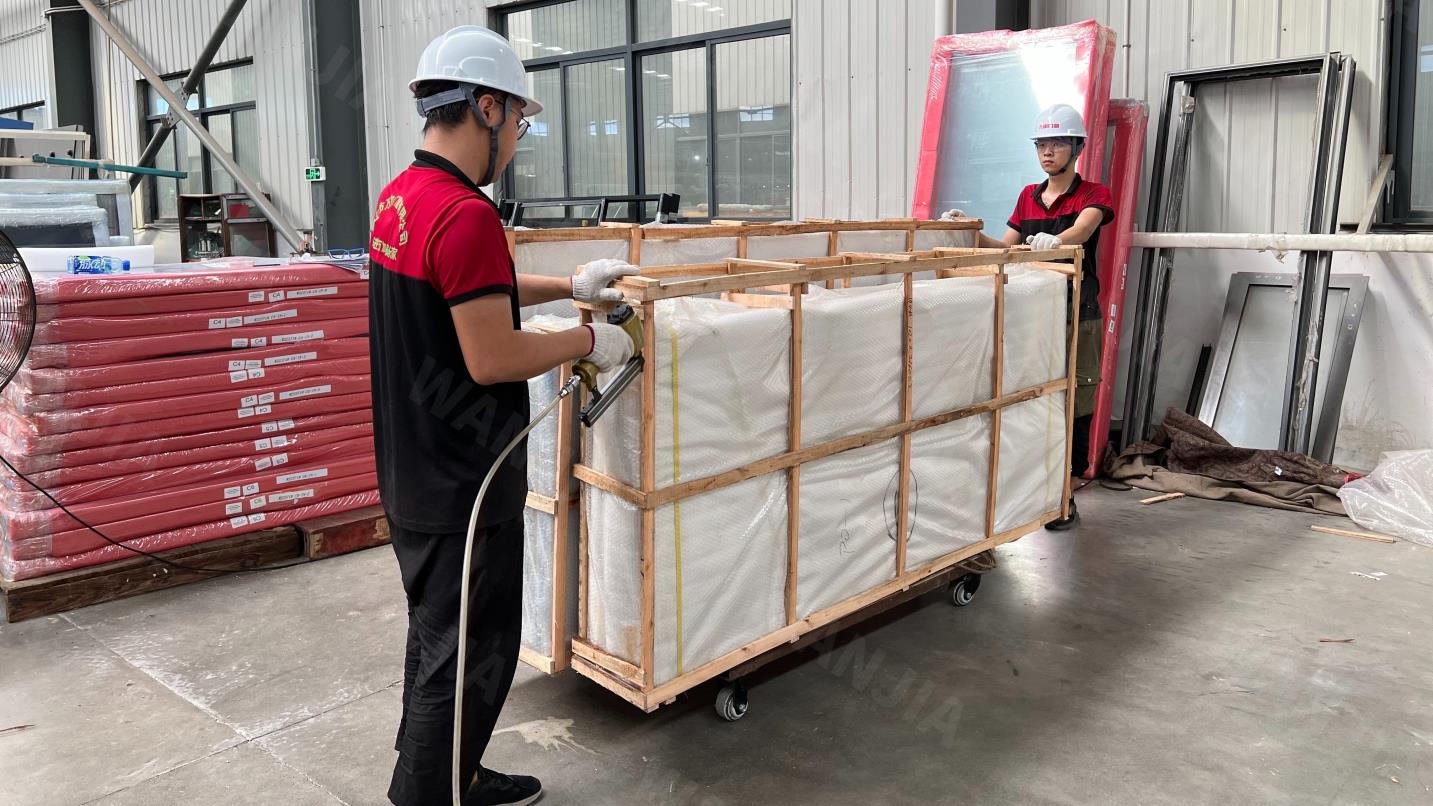
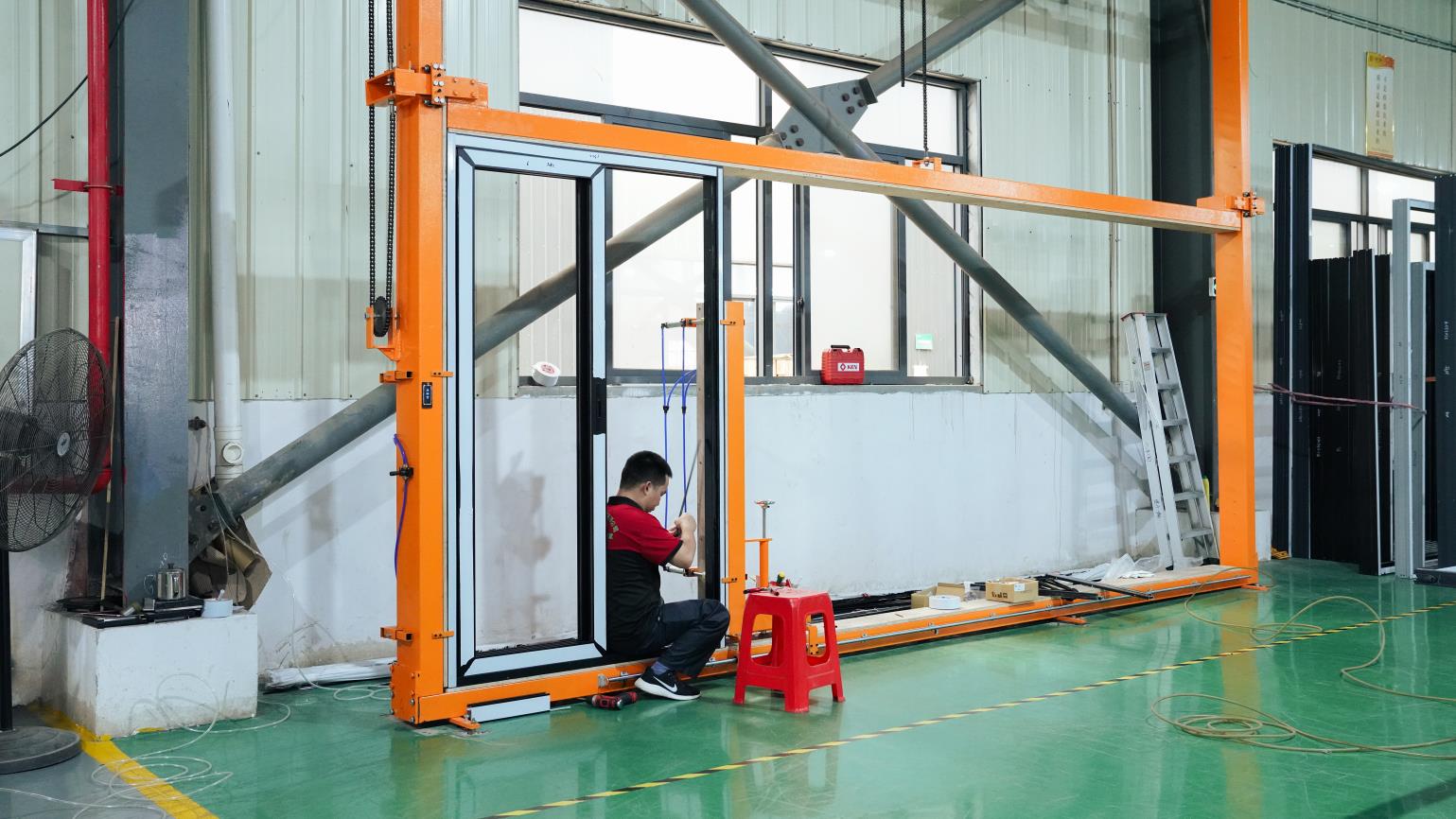
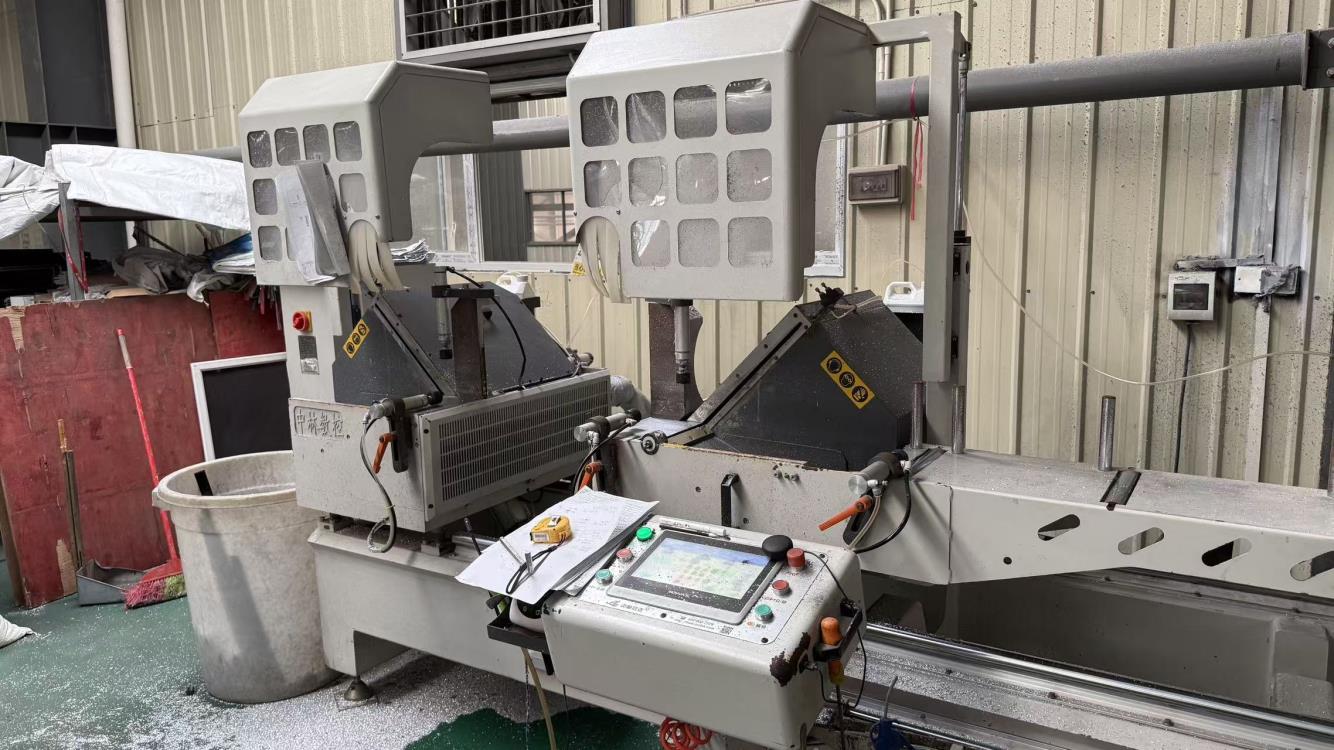
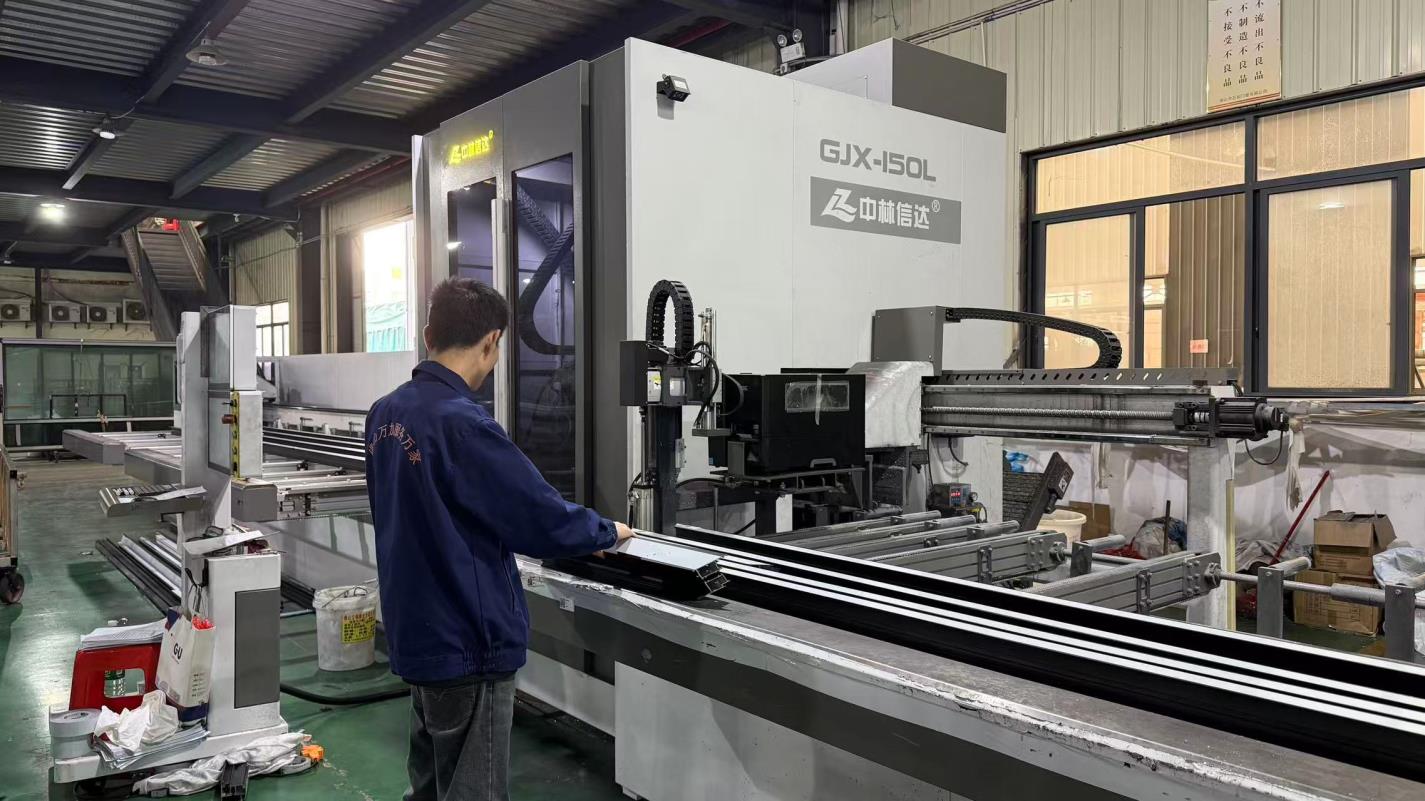
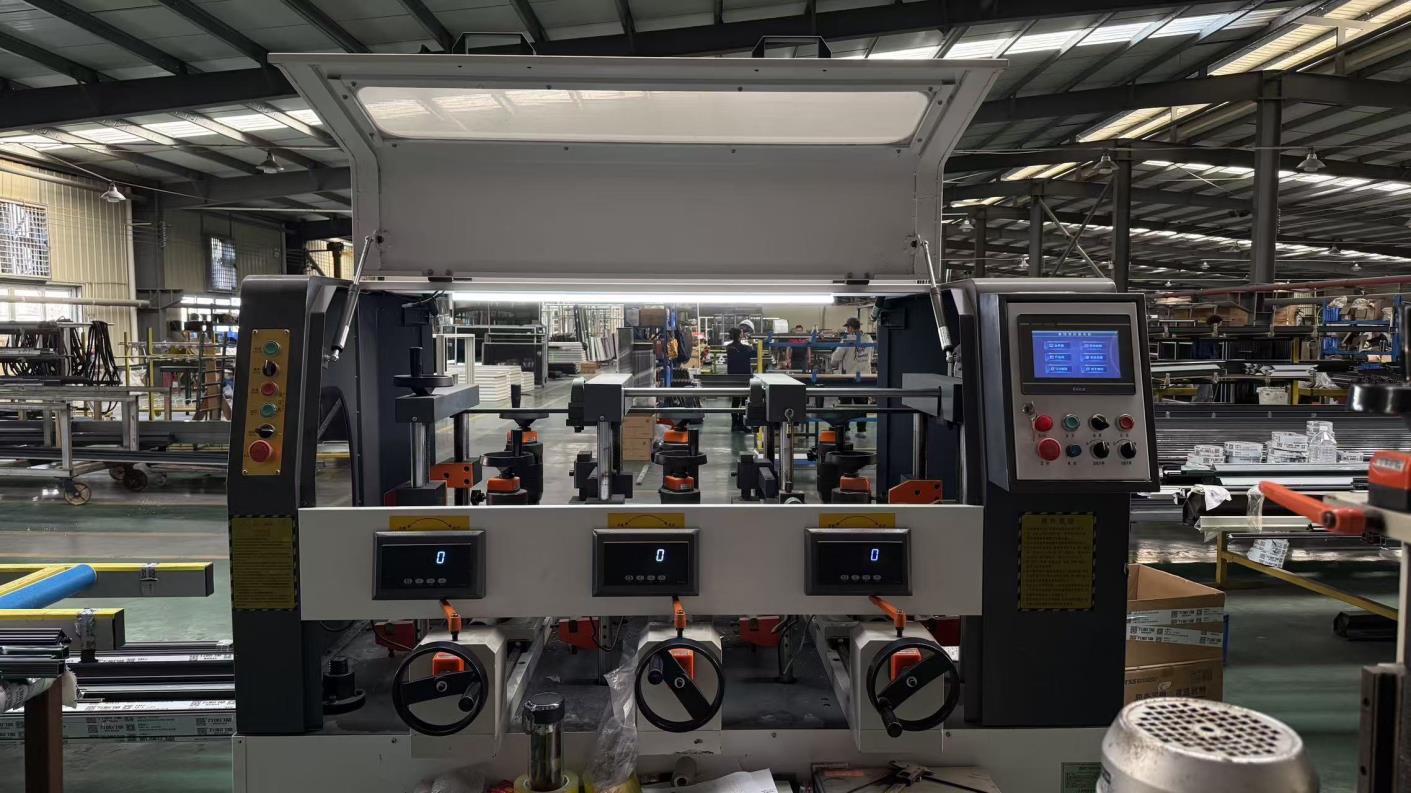
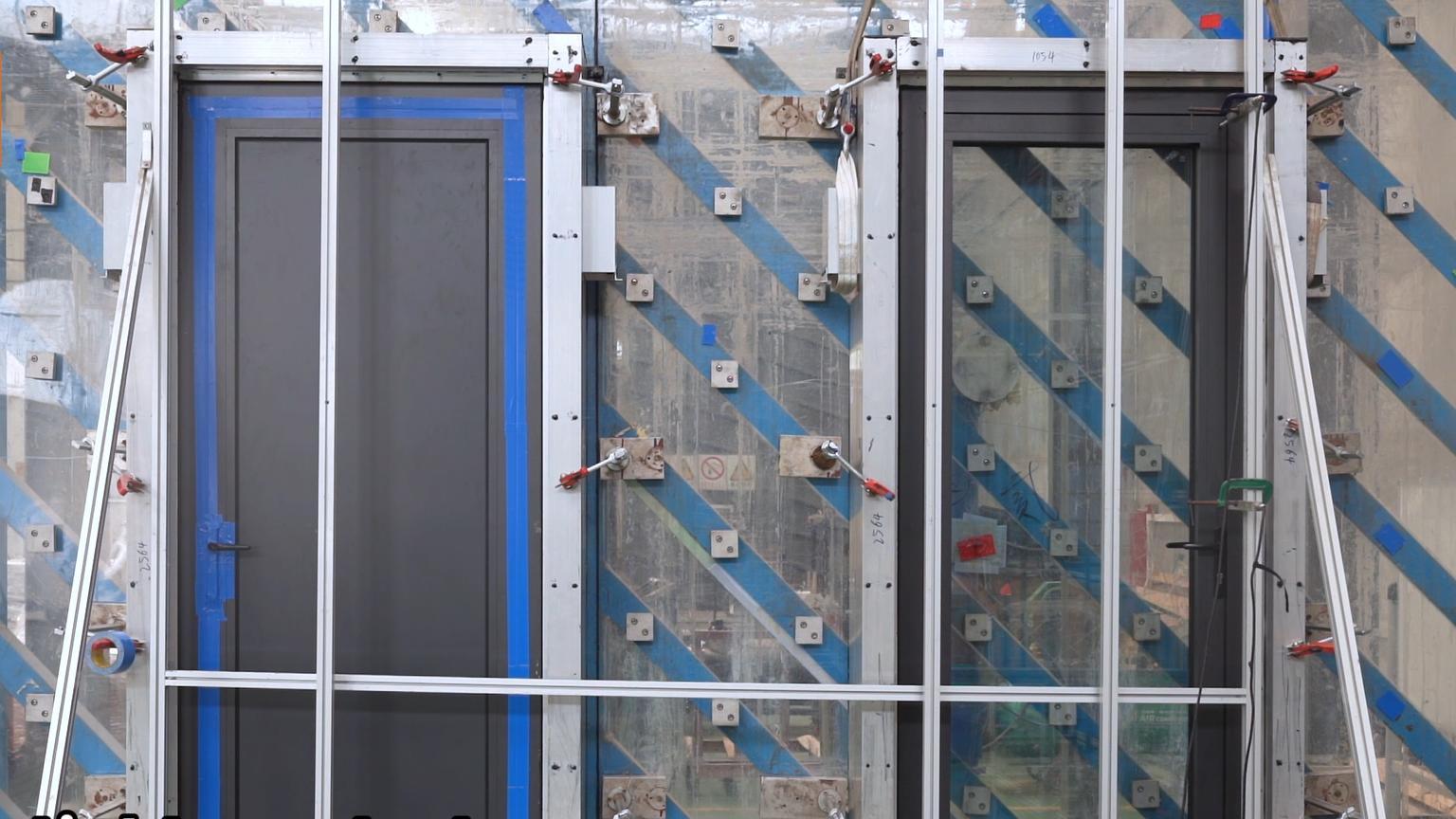
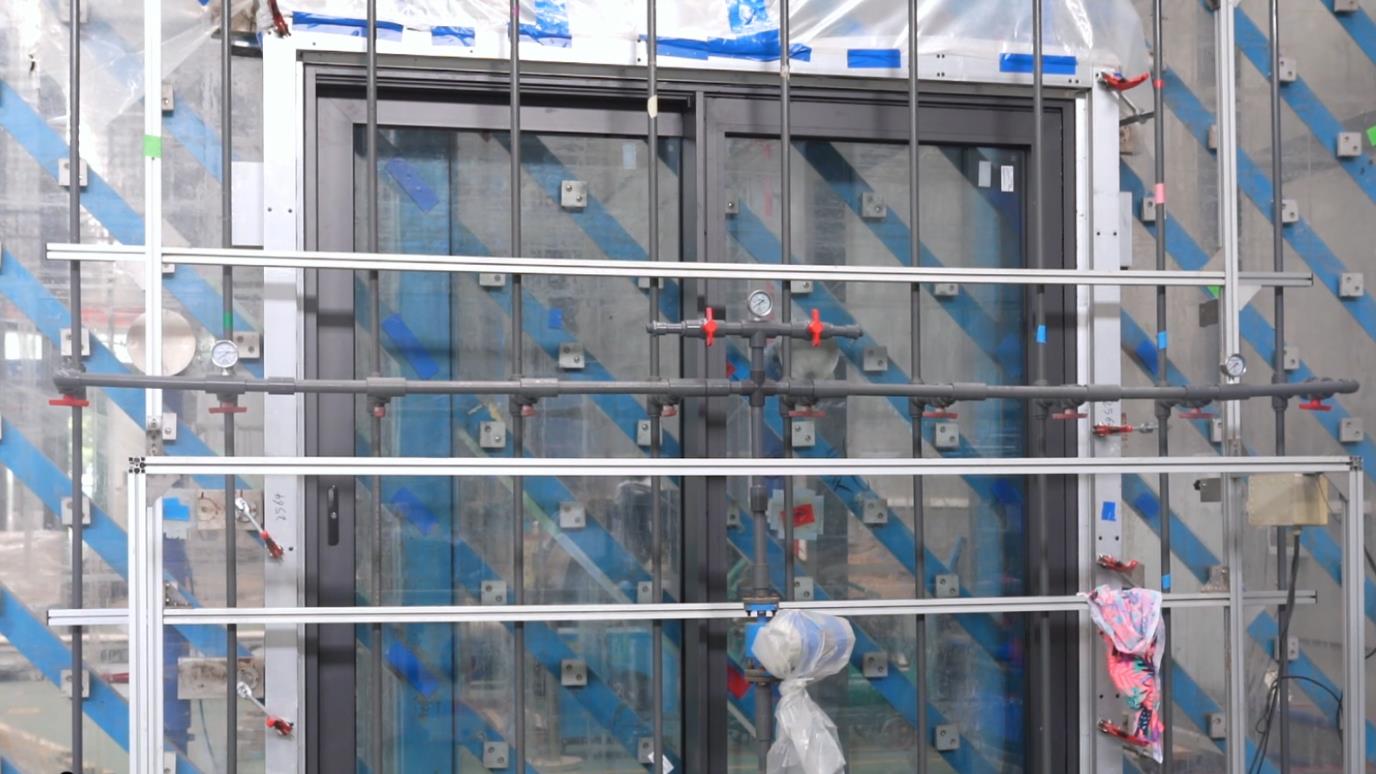
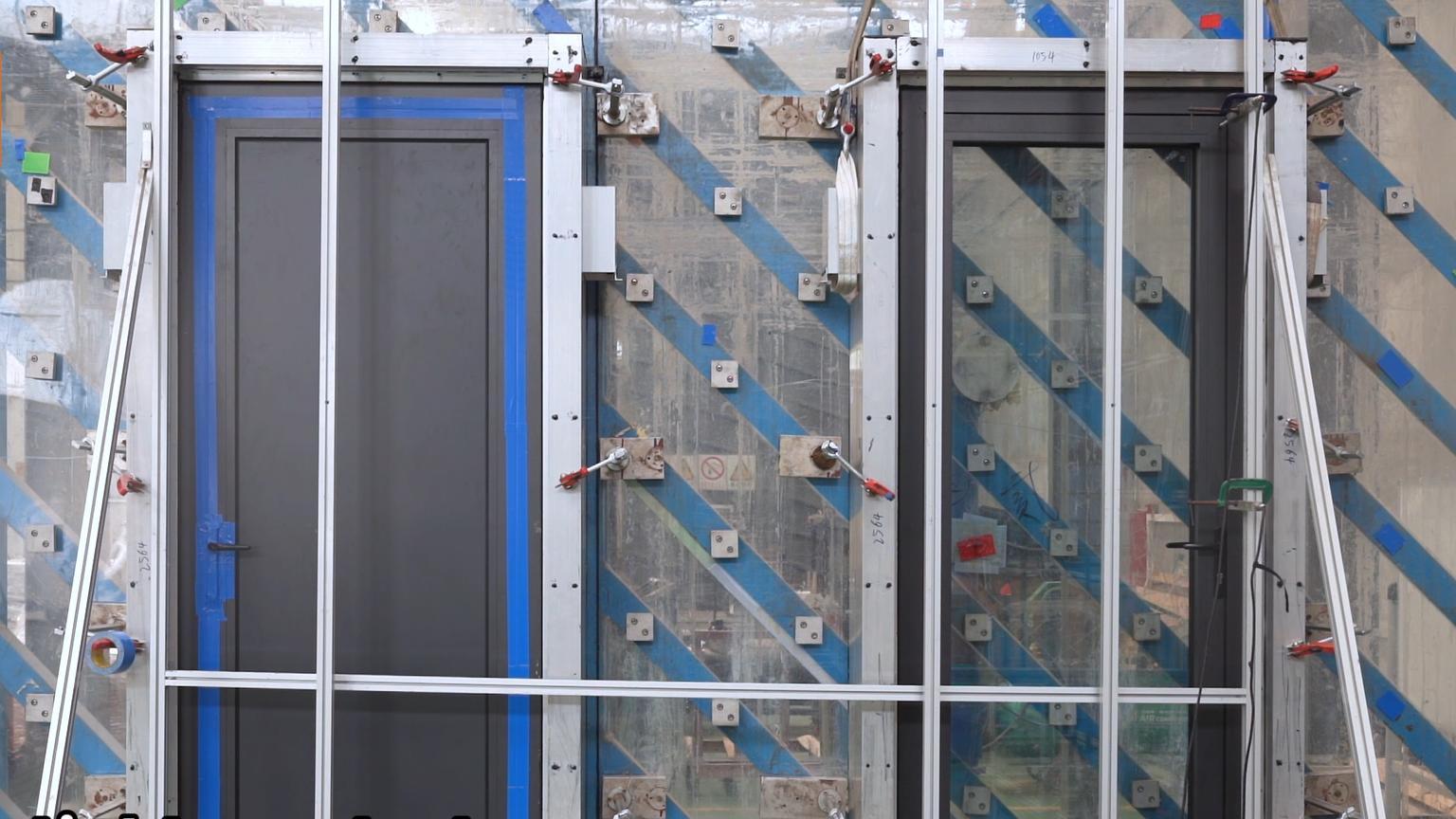
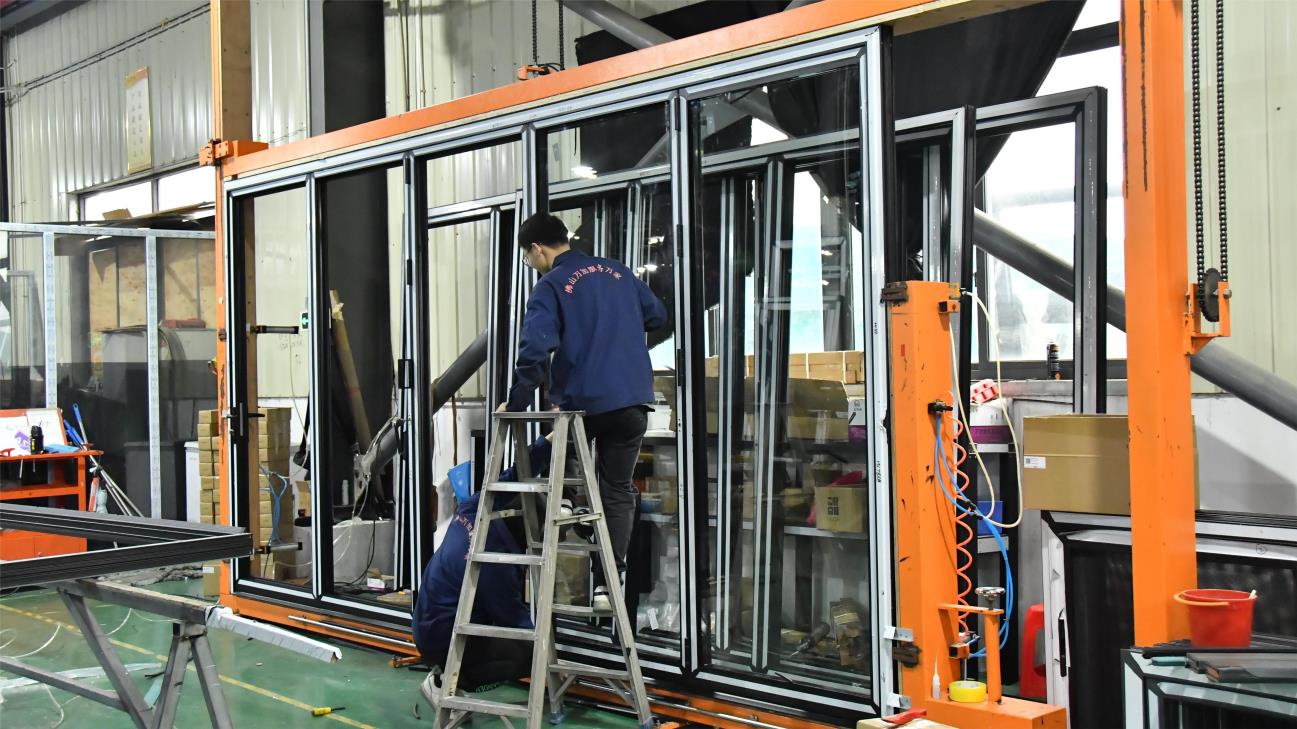
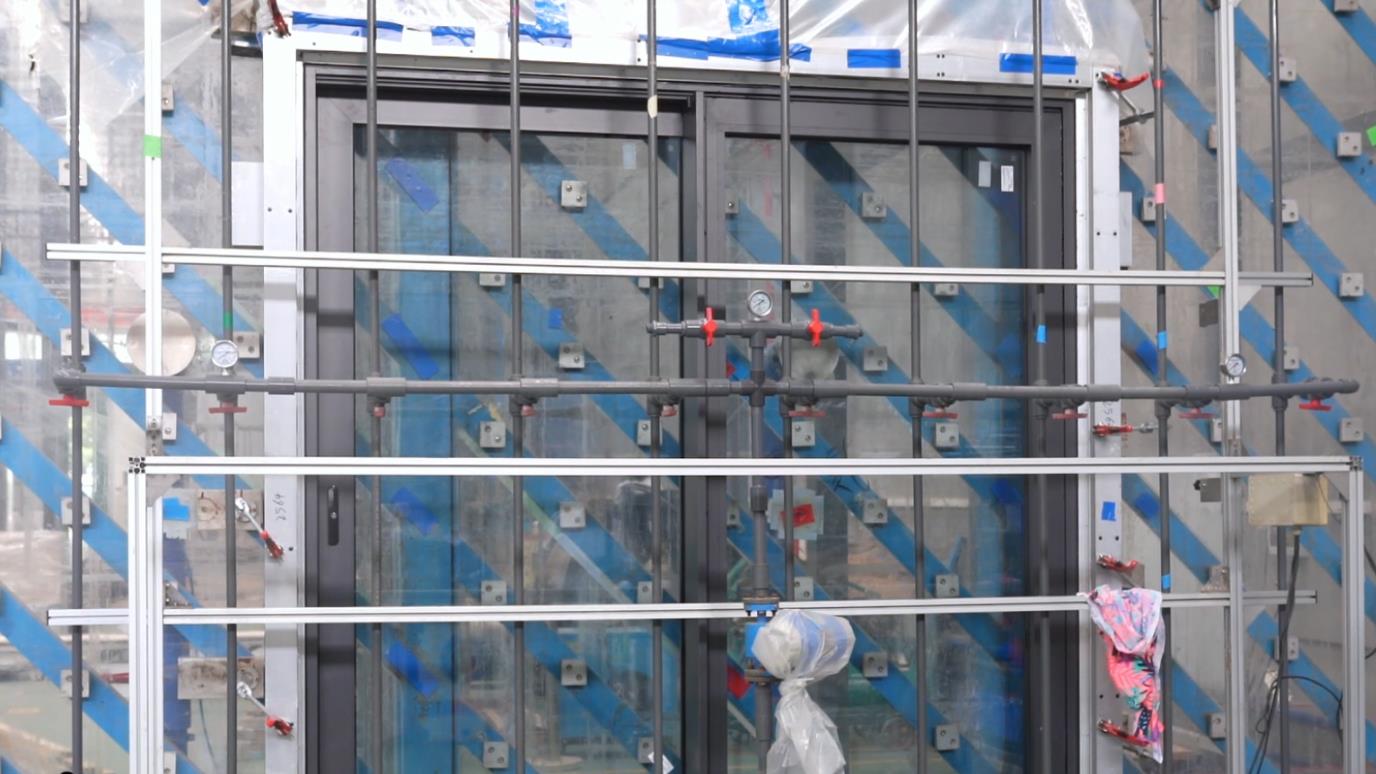
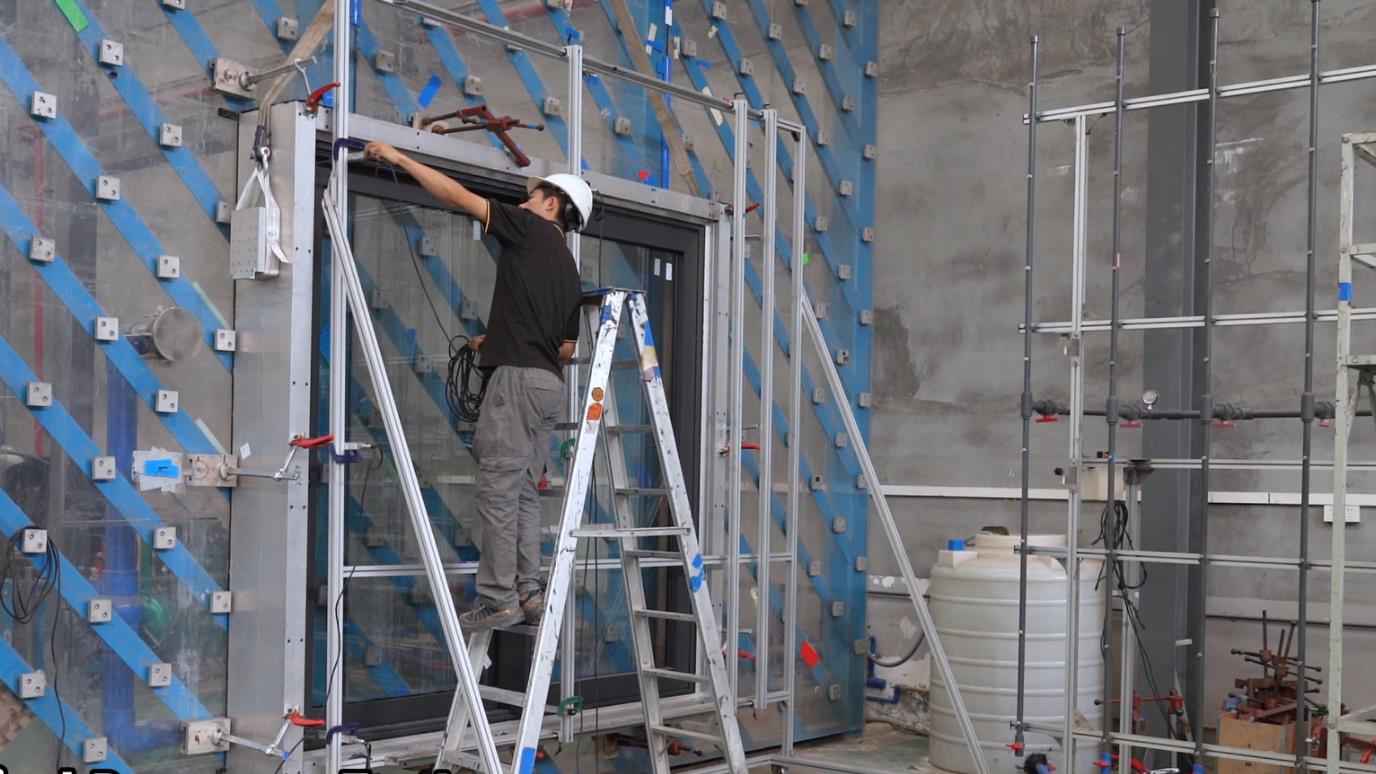
Simulating extreme environmental stress and forced entry scenarios to guarantee compliance.
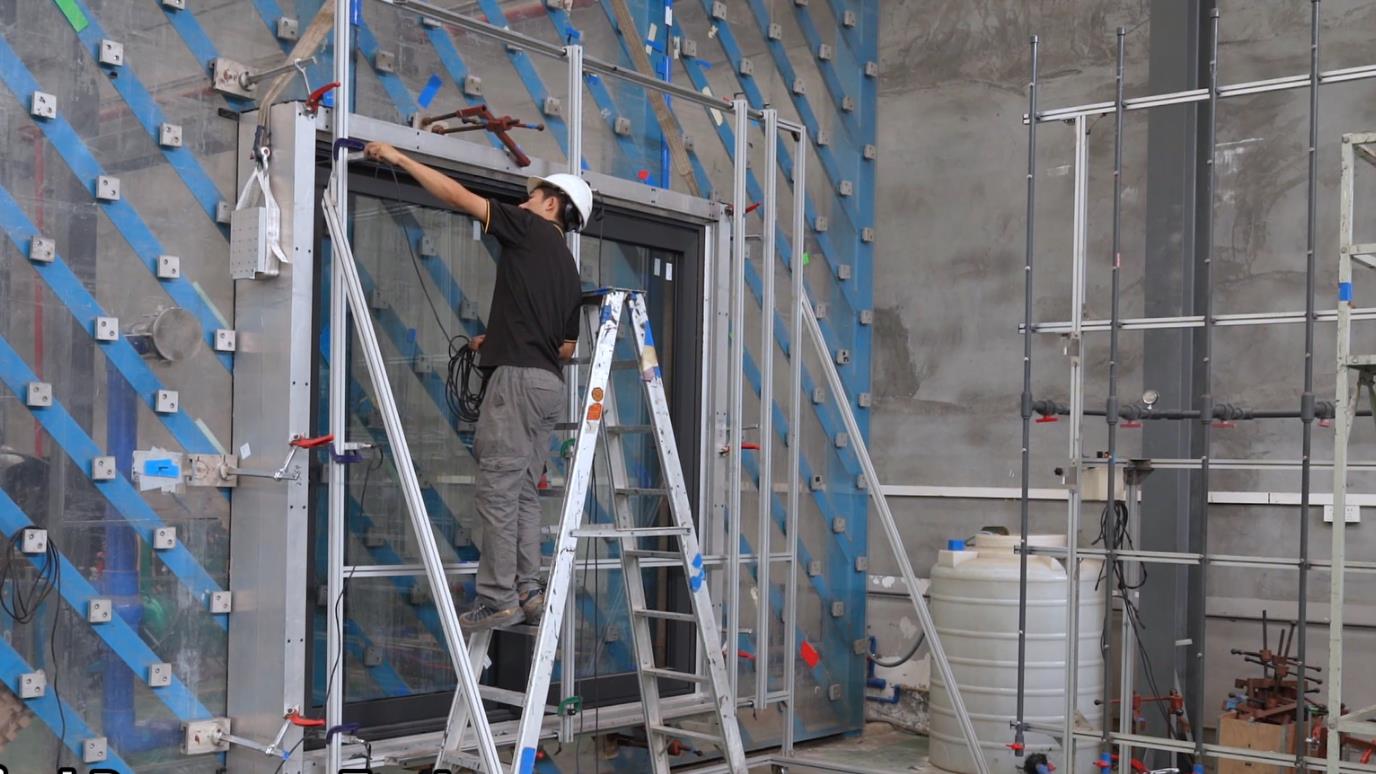
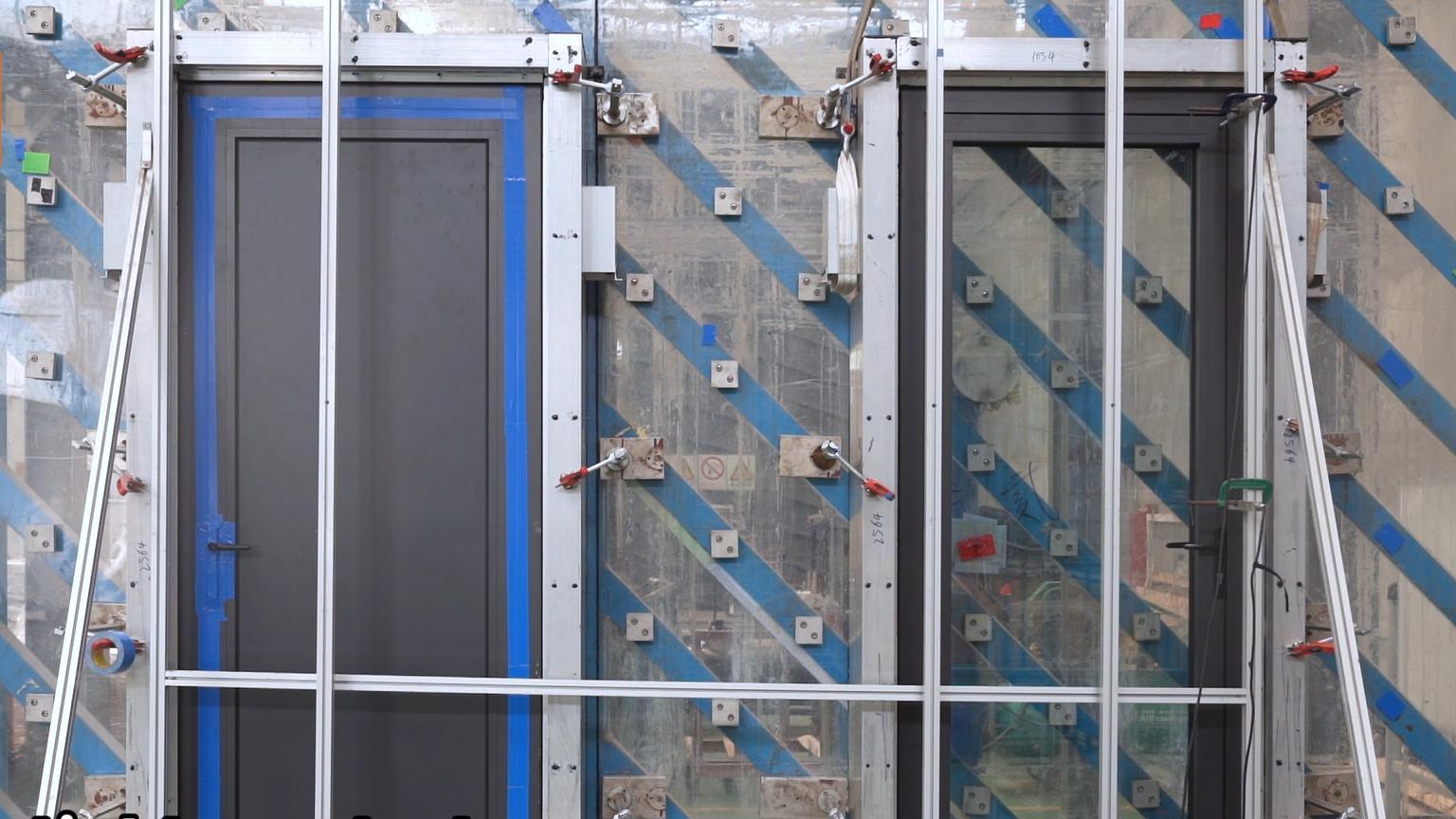
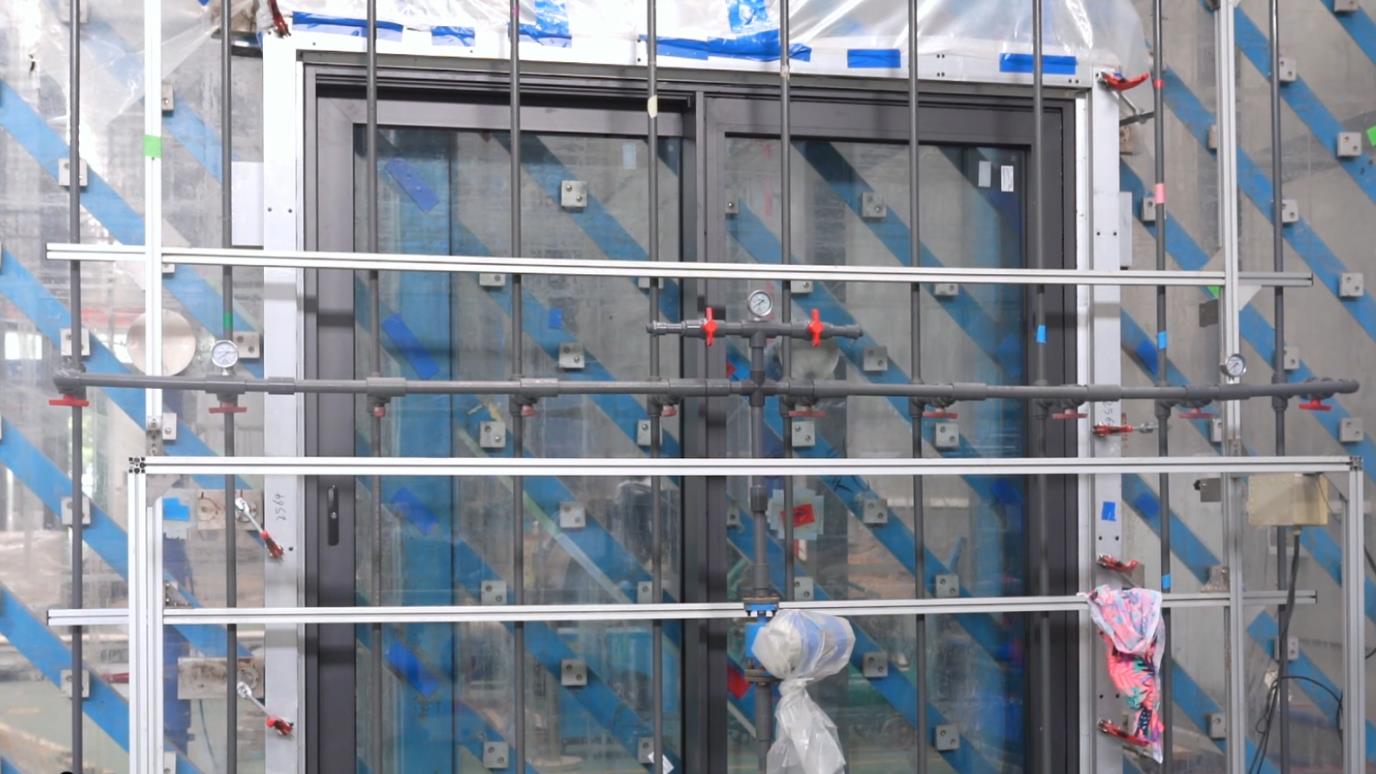
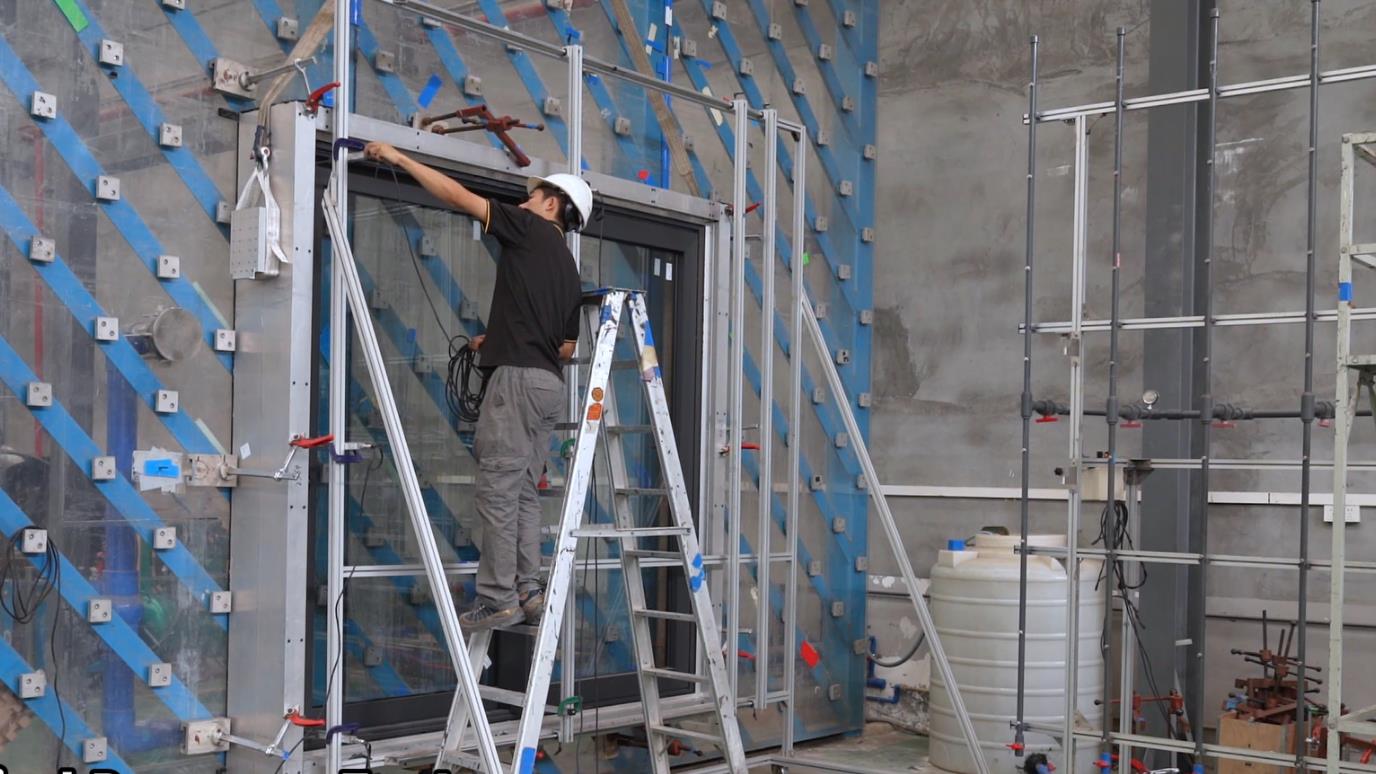
Prior to shipment, every product series undergoes laboratory-grade testing to ensure structural integrity and air/water tightness. Using state-of-the-art testing rigs, OptiDoors verifies wind resistance, water penetration under positive pressure, dynamic air leakage, and cycle durability of lock latches and hidden hinges.
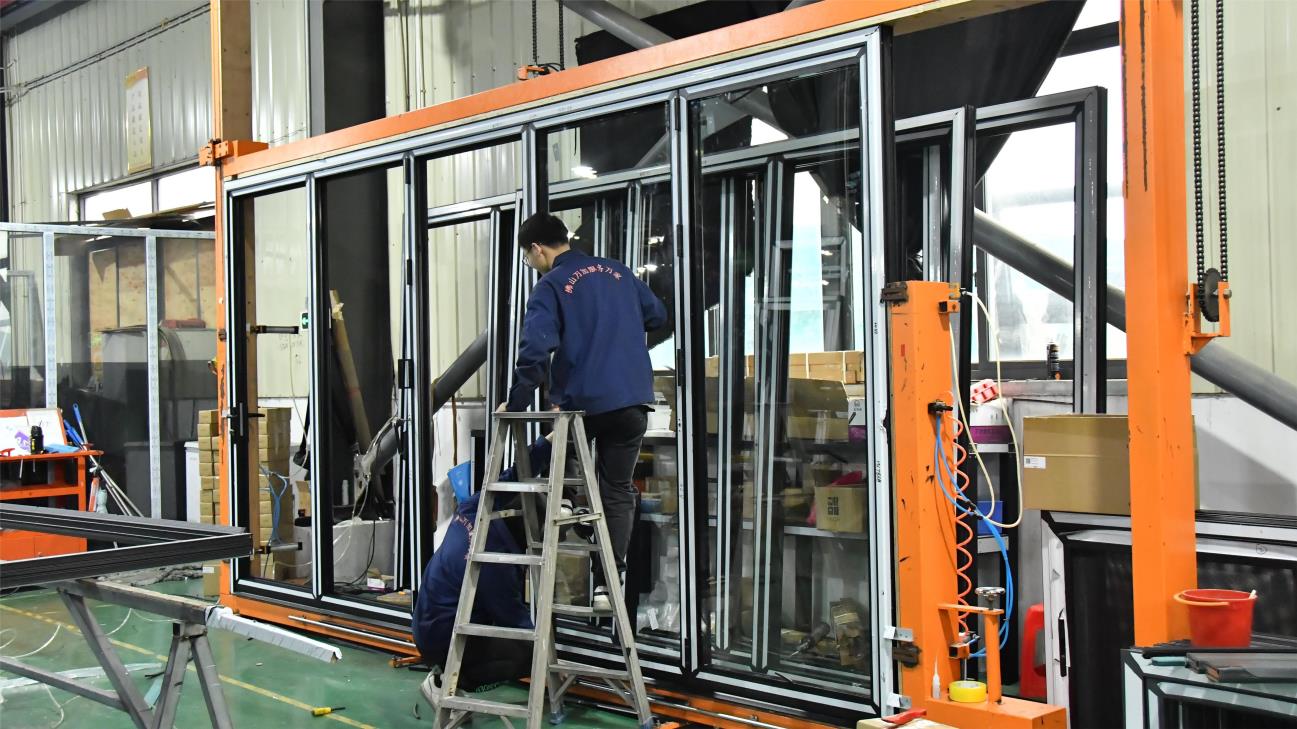
Customized architectural door configurations tailored to specific building typology demands.
Integrated access management system allowing property managers to issue temporary SDK dynamic passwords while maintaining uniform aesthetic elevation across units.
Heavy-traffic automated smart entrance systems featuring motorized lock mortises, high-speed biometric processing, and emergency panic-bar overrides compliant with EN 179 / EN 1125.
Ultra-insulated thermal break entrance assemblies utilizing vacuum insulated glass (VIG) or triple-pane LOW-E argon units combined with quad-sealed EPDM gaskets.
Architectural entrance hardware trends driven by AI vision, sustainable metallurgy, and smart grid connectivity.
Transitioning smart entrance locks from local biometric sensors to AI-driven 3D Structured Light facial and palm-vein scanning. Native compliance with the universal Matter protocol guarantees direct interoperability with Apple HomeKit, Google Home, and Amazon Alexa without proprietary bridges.
Integration of transparent photovoltaic thin-film glazing on entrance vision lites alongside kinetic micro-generators inside heavy-duty hinges. The generated power charges internal solid-state smart lock batteries, eliminating the need for periodic lithium-ion battery manual replacements.
Deployment of quantum-resistant firmware encryption algorithms to safeguard smart entrance locks against future wireless decryption risks. Manufacturing transition to 100% post-consumer recycled aluminum extrusions, reducing embodied carbon by over 75% while retaining full structural tension ratings.
Ensuring frictionless importing, code compliance, and structural longevity across worldwide markets.
OptiDoors engineering teams adapt profile extrusion wall thicknesses, thermal break geometry, and glass specs to pass regional certification protocols:
To eliminate surface scratches, glass breakage, or internal lock dynamic vibration damage during ocean freight transit, OptiDoors deploys a 5-tier packaging protocol:
Explore complete architectural solutions from accordion folding systems to hurricane-impact rated hung assemblies.
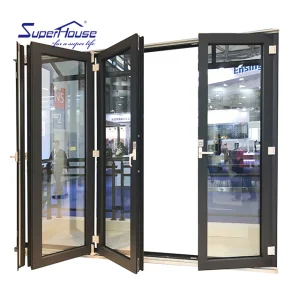
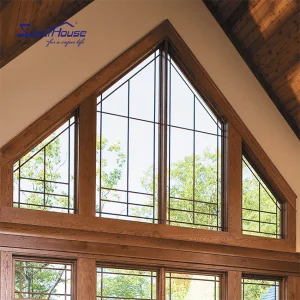
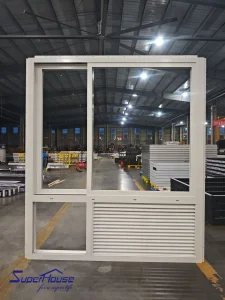
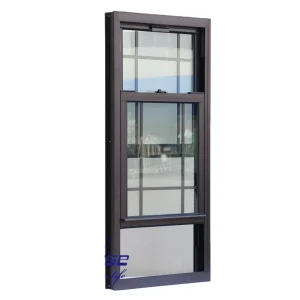
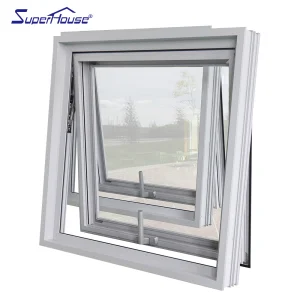
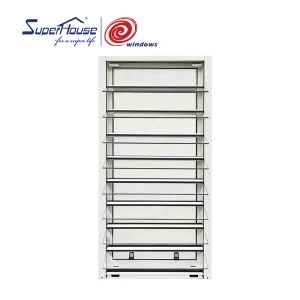
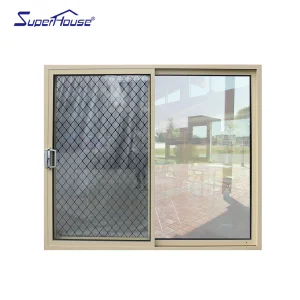
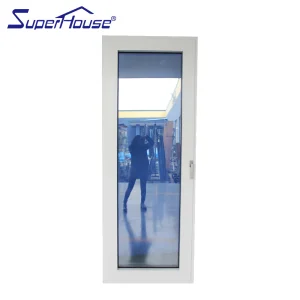
Clear, authoritative answers to critical engineering, manufacturing, and procurement inquiries.
 OptiDoors