7 Tips for Buying a Luxury Aluminum Entry Door

Time:2026-11-01 Author:Aria
0%

A Luxury Aluminum Entry Door can sharpen a home’s entrance, but appearance is only part of the decision. The right choice should suit your climate, opening, security needs, and daily routine. Small details matter. Think of a wet threshold, a hard afternoon sun, or a handle used with full hands.

This guide offers seven practical checks before you buy. Compare frame construction, thermal breaks, glazing, hardware, finishes, installation, and warranty terms. Ask how the door performs in your local conditions, not just how it looks in a showroom. Request clear specifications. Check whether the quoted price includes measuring, delivery, and fitting. A low price can leave important work out.

For transparency, Adrian Cole is a fictional aluminum-entry specialist created for this introduction; his line is original, not a sourced quotation: “A beautiful door earns its place when it still works well after years of weather and daily use.” Keep that idea in mind as you compare options. Inspect finish samples in natural light. Confirm the swing, clearance, and threshold height at the actual opening. Then weigh the trade-offs honestly: premium hardware may add cost, while oversized glazing can change privacy and upkeep. No door suits every home. The aim is an informed choice, built around real measurements and dependable product details.
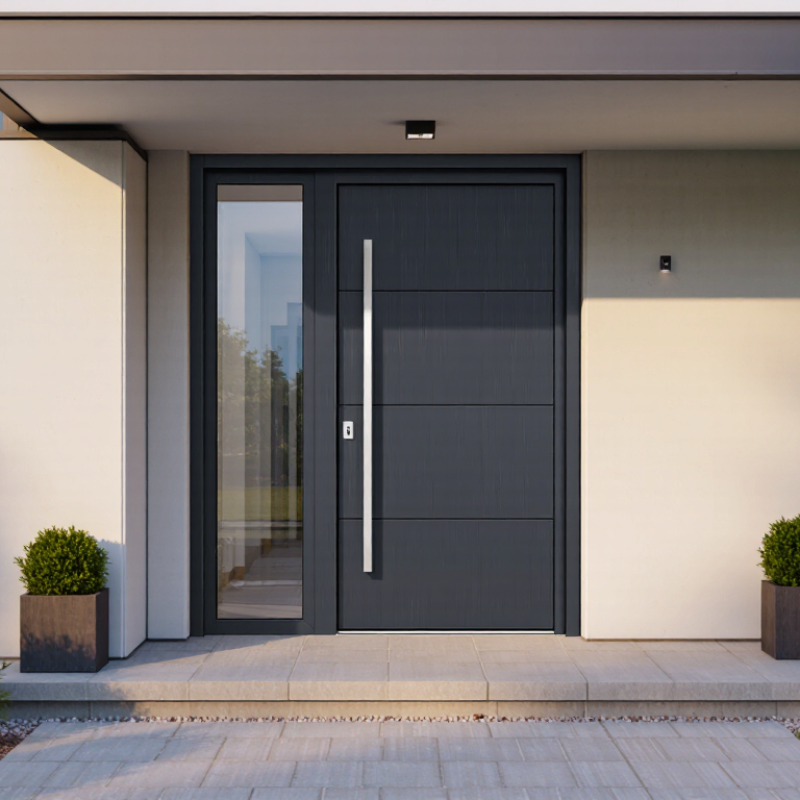
7 Tips for Buying a Luxury Aluminum Entry Door

Understanding Luxury Aluminum Entry Doors and Their Key Features

Luxury aluminum entry doors pair a strong, corrosion-resistant frame with clean, narrow sightlines. Their appeal depends on more than appearance. Aluminum conducts heat readily, so look for a thermal break: an insulating barrier separating the interior and exterior frame sections. This detail helps limit heat transfer. Check the frame’s U-factor and the glazing’s solar heat gain coefficient on an NFRC-certified label; lower U-factors generally indicate better insulation. Small numbers matter.

Glass, seals, and installation shape real-world performance. The U.S. Department of Energy’s Energy Saver guidance attributes 25–30% of residential heating and cooling energy use to heat gain and loss through windows. That figure is not specific to entry doors, but it highlights why glazed areas deserve careful attention. For a door with sidelights, compare the complete assembly’s ratings, not just the glass. Look for continuous weatherstripping, a well-sealed threshold, and tested air- and water-resistance ratings. A handsome frame cannot compensate for a poor fit.

Security and daily use matter, too. A rigid aluminum frame can support multipoint locking, while clear sightlines preserve daylight in a shaded foyer. Ask how the finish handles coastal salt, strong sun, or frequent cleaning; conditions vary. Dark finishes can feel striking, but dust and scratches may show more. That trade-off is easy to overlook. Check hinge adjustment and hardware availability before ordering, because even a premium door needs occasional attention.

Assessing Your Home’s Climate, Security, and Entryway Requirements

Start with the weather your entrance actually faces. In a cold region, ask about a thermally broken frame, insulated panels, and tight compression seals. In hot, sunny climates, consider how the door’s finish and glazing handle prolonged heat and direct light. Coastal air can be hard on metal, so ask how the finish resists corrosion and what care it needs. Small details matter. Local wind exposure also affects the frame, hardware, and installation requirements.

Security depends on more than a heavy door. Check that the lock, hinges, frame, and anchoring method work together. Ask how the assembly is secured to the surrounding wall, not just how the slab is built. Glass near the handle may change your privacy and security preferences; compare glazing options before choosing a design. A qualified installer can assess the opening and explain which features suit your home. I would not assume that a premium finish means a stronger installation.

Measure the entryway carefully, including the width, height, threshold, and nearby walls. Note whether the door swings inward or outward, and leave room for furniture, steps, and everyday traffic. A broad pivot door may look striking, yet feel awkward in a narrow hall. It is easy to focus on appearance; I would, too. Bring photos and measurements to your supplier, and discuss drainage, accessibility, and how the threshold meets your flooring.

7 Tips for Buying a Luxury Aluminum Entry Door - Assessing Your Home’s Climate, Security, and Entryway Requirements

Tip What to Assess Useful Facts and Checks Questions to Ask Before Buying
1 Match the door to your climate Aluminum conducts heat readily, so a thermally broken frame can help reduce heat transfer between the exterior and interior. For cold or hot climates, compare the complete door assembly’s published U-factor; a lower U-factor indicates less heat transfer. Does the frame include a thermal break? Are performance figures available for the complete door, including its glazing and frame?
2 Check weather sealing and water management Look for continuous weatherstripping, a well-sealed threshold, and drainage details suited to the exposure. Air-leakage and water-penetration results should be based on a stated test method and apply to the specified door configuration. What air- and water-performance test results are available? How should the sill and perimeter be installed to manage water at my entry?
3 Choose glazing for light, heat, and privacy If the door includes glass, compare its U-factor and solar heat gain coefficient (SHGC). Lower SHGC reduces solar heat gain; the most suitable balance depends on local climate, orientation, shading, and energy goals. Tempered or laminated safety glazing may be required in locations specified by building codes. What glazing is included, and is it safety-rated for its location? Do the glass options provide the privacy and solar control I need?
4 Evaluate the full security system Security depends on the door slab, frame, hinges, lock, strike plate, fasteners, and installation—not on the material alone. A properly fitted deadbolt and reinforced strike area can strengthen the locking side; glazed designs should also be assessed for glass security. What lock and strike hardware is supplied? How is the frame anchored to the structure, and what glazing options are available?
5 Confirm wind and impact requirements Homes in hurricane-prone or high-wind areas may be subject to local requirements for wind pressure and impact protection. Approved ratings apply to tested configurations, sizes, glazing, and installation details; requirements vary by jurisdiction and site conditions. Does this exact door configuration meet the applicable local code or approval? Are any impact-rated glass, shutters, or other protections required?
6 Measure the opening and plan the swing Measure the rough opening, wall depth, finished floor height, and available clearance before ordering. Check handing and swing direction, nearby walls, stairs, furniture, and any screen or storm door. Custom sizes and configurations can affect lead time and cost. Who will verify the opening dimensions? Will the selected door clear the entry path and fit the existing wall and threshold conditions?
7 Review finish, maintenance, and warranty Exterior finishes face sunlight, moisture, salt, and pollution differently. Ask about cleaning instructions, finish-care requirements, hardware maintenance, and warranty coverage. In coastal environments, confirm that the finish and hardware are appropriate for salt exposure. What cleaning and maintenance are recommended? What do the warranties cover for the finish, hardware, glass, and installation?

Note: Performance needs and code requirements depend on the home’s location, exposure, and door configuration. Confirm specifications with local building officials and a qualified installer.

Comparing Frame Quality, Insulation, Glass, and Hardware

Tip: Examine the aluminum frame at its corners and meeting points. Tight, even joints and a smooth finish suggest careful fabrication, but appearance alone proves little. Ask whether the frame includes a thermal break, which separates interior and exterior metal to reduce heat transfer. Check the door’s weight and alignment, too. A heavy door is not automatically a better one.

Tip: Compare insulation details, not just sales descriptions. Look for published thermal-performance figures and ask how they were tested. Weatherstripping should compress evenly when the door closes, without visible gaps at the threshold. A small paper test can help: close the door on a strip and tug gently. It should resist. Still, one spot can feel tight while another leaks.

Tip: Consider glass and hardware together. Double glazing can improve comfort, while low-emissivity coatings may limit unwanted heat gain; confirm the glass configuration suits your climate. Stand near a sample and check for glare or reflections that bother you. Then test the handle, hinges, and lock several times. They should move smoothly, without scraping or looseness. Small details matter. A beautiful finish may distract from a stiff latch, so take your time.

7 Tips for Buying a Luxury Aluminum Entry Door

Compare frame quality, insulation, glass, and hardware

Use this suggested 100-point checklist to compare options: prioritize a thermally broken frame, effective insulation and weather seals, and suitable glazing. Then assess hardware durability and finish maintenance. These are planning weights, not product test results; adjust them for your climate, security needs, and design preferences.

Choosing a Style, Finish, and Customization Options

Tip 1 Choose a style that suits the home’s proportions, not just a showroom display. A tall, narrow entry may benefit from clean vertical lines, while a broad opening can carry wider panels or sidelights. Look at the door beside your actual brick, stone, or siding. Small details matter. A dramatic design can feel oversized once installed, so check scale before approving drawings.

Tip 2 Compare finish samples outdoors. Aluminum finishes can appear different in direct sun, shade, and evening light. Hold a sample near the trim and view it from the sidewalk. Matte charcoal can soften a modern façade; warm bronze may sit more naturally beside wood tones. Ask how the finish is cleaned and maintained. I’d avoid choosing from a tiny screen image alone.

Tip 3 Customize with purpose. Consider glass for daylight, but check privacy from the street at night; textured or frosted panels can help. Select handles that feel comfortable in your hand, and confirm their finish matches nearby hardware. Ask the installer how the frame, threshold, and weather seals fit your opening. A custom option is not automatically better. Sometimes fewer details make the entrance feel more considered.

Evaluating Price, Warranty, Installation, and Supplier Support

A luxury aluminum entry door is more than its price tag. Compare written quotes line by line, including the frame, glass, locking hardware, delivery, removal, and finishing. A low quote may omit flashing or a suitable sill. Ask whether the price includes measuring the opening and correcting uneven surfaces. Small details affect both cost and performance.

Read the warranty carefully. Check how long the finish, glass, hardware, and frame are covered, and note any exclusions for coastal exposure or improper cleaning. Ask who handles a claim and what proof is required. Keep the quote, care instructions, and installation records together. It helps later. A warranty is only useful when its terms match the door’s real conditions.

Installation deserves equal attention. Confirm that the installer will check the opening for level and plumb, seal the perimeter, and follow the manufacturer’s fastening requirements. Request a written scope and a clear plan for protecting the threshold from water. Ask the supplier about replacement parts, technical documents, and response times after delivery. Who answers? A prompt, specific reply is reassuring, though it is not a guarantee. If answers stay vague, pause before paying a deposit. I’d also ask who returns if the door needs adjustment; that detail is easy to overlook.

FAQS

What should I check in an aluminum entry door frame?

Look for a thermal break, an insulating barrier between the frame’s interior and exterior sections. Check the frame’s U-factor on its rating label. Lower values generally mean better insulation. Small numbers matter.

How can I compare doors with glass or sidelights?

Compare the complete door assembly, not just the glass. Check its U-factor, solar heat gain coefficient, and tested air- and water-resistance ratings. Continuous weatherstripping and a sealed threshold matter, too.

Which door features suit different climates?

Cold regions may need insulated panels and tight compression seals. In sunny areas, ask how the finish and glazing handle prolonged heat. Coastal air can challenge metal finishes. Ask about corrosion resistance and care.

What should I consider for security?

Check how the lock, hinges, frame, and wall anchoring work together. Glass near the handle may affect privacy and security preferences. A heavy door alone is not enough.

How do I know whether a door will fit my entryway?

Measure the opening’s width and height, the threshold, and nearby walls. Note the swing direction and space for furniture, steps, and daily traffic. A wide pivot door might feel awkward in a narrow hall.

What should a written quote include?

Compare the frame, glass, locking hardware, delivery, removal, and finishing line by line. Ask whether measuring, flashing, and a suitable sill are included. A low quote may leave out important work.

What should I look for in the warranty and installation plan?

Check coverage for the finish, glass, hardware, and frame, including exclusions for coastal exposure or cleaning. Ask how the installer will check the opening, seal the perimeter, and protect the threshold from water. Get the work scope in writing.

What supplier support questions should I ask before ordering?

Ask about replacement parts, technical documents, response times, and who handles later adjustments. Keep the quote, care instructions, and installation records together. Vague answers would make me pause before paying a deposit.

Conclusion

Choosing a Luxury Aluminum Entry Door starts with understanding its key features, including durable construction, clean design, and options for glass and hardware. Before selecting a model, consider your local climate, the level of security you need, and the dimensions and layout of your entryway. These factors help you identify a door that suits both your home’s practical requirements and its overall appearance.

Compare frame quality and insulation performance, and consider how the glass and hardware affect comfort, privacy, and everyday use. Then explore styles, finishes, and customization options that complement your home. Finally, look beyond the purchase price: review the warranty, installation requirements, and the supplier’s support. A careful evaluation of these details can help you choose a well-fitting, attractive door that offers lasting value.

Aria

Aria

Aria is a dedicated marketing professional with a deep passion for innovative strategies and a keen understanding of our company's product offerings. With a wealth of experience in the industry, Aria excels at crafting engaging content that highlights the unique features and benefits of our......