2026 Best Aluminum Exterior Door Manufacturers

Time:2026-11-15 Author:Aria
0%

Choosing an Aluminum Exterior Door manufacturer in 2026 means looking beyond a sleek showroom finish. A door must suit its climate, opening size, daily use, and installation conditions. In a coastal home, salt air can challenge finishes. In a cold region, weak thermal performance may leave the interior frame unpleasantly chilly. Details matter.

This guide introduces manufacturers to consider and explains how to compare their products without treating a brand name as a guarantee. Look closely at frame construction, thermal breaks, glazing options, weather seals, hardware, finish choices, and documented performance testing. Ask how replacement parts are sourced and what the warranty actually covers. Specifications can differ between product lines, markets, and custom configurations, so confirm them for the exact model under consideration. A broad catalog is useful, but responsive technical support can matter just as much when measurements or site conditions change.

A polished brochure is not proof of long-term performance. Neither is one glowing review. The better choice depends on the building, budget, installer, and local exposure. Some claims may be difficult to compare directly, and that deserves a second look. This overview offers a practical starting point for architects, builders, and homeowners who want clear questions before requesting quotes. The best fit is not always the most expensive door. It is the one whose documented features, service, and installation plan match the project.
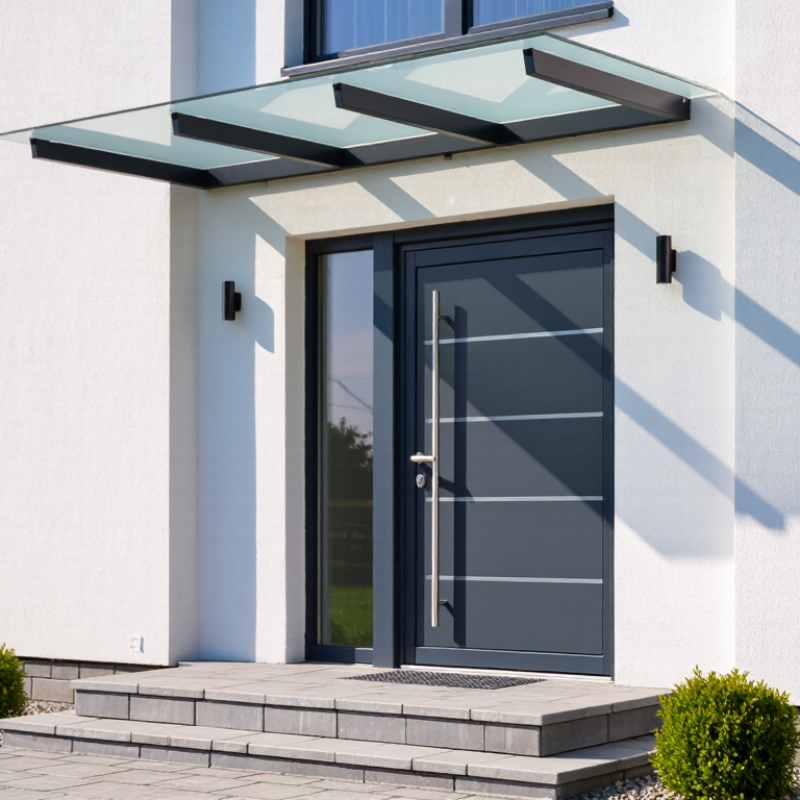
2026 Best Aluminum Exterior Door Manufacturers

Understanding Aluminum Exterior Doors and Their Main Types

Aluminum exterior doors combine a rigid metal frame with glass, insulated panels, or both. Their slim profiles can bring more daylight into an entryway without making the frame feel bulky. Aluminum also resists rust, though its finish and hardware still need care in exposed locations. Check the coating, drainage details, and weather seals, not just the frame’s appearance.

Hinged doors swing inward or outward and suit many standard entrances. Sliding doors move along a track, saving clearance where a patio or walkway is tight. Folding systems stack panels to create a wider opening, but their tracks and multiple seals need careful installation. Pivot doors rotate on offset hardware, creating a distinctive entrance; they also require enough space and accurate support. Each type serves a different layout.

Details matter. A thermal break separates interior and exterior portions of the frame, reducing heat transfer. Without one, a cold frame may feel uncomfortable and can collect condensation in some conditions. Glazing, threshold height, and the quality of installation also affect comfort and weather resistance. It is tempting to compare frame width alone, but that can mislead. A slim look is not the whole story. Check how the door operates, seals, and fits your climate before choosing.

How to Evaluate Aluminum Exterior Door Manufacturers in 2026

How to Evaluate Aluminum Exterior Door Manufacturers in 2026

When comparing aluminum exterior door manufacturers, ask for test reports—not just attractive catalog images. Check whether the complete door assembly has documented air-leakage, water-penetration, and structural-performance results. The AAMA/WDMA/CSA 101/I.S.2/A440 standard provides performance classes and grades for fenestration products; ask which tested configuration matches your intended size and exposure. Small details matter. Inspect thermal breaks, corner joints, drainage paths, weather seals, and hardware in a physical sample.

Thermal claims need context. The U.S. Department of Energy’s Energy Saver guidance estimates that heat gain and loss through windows account for 25–30% of residential heating and cooling energy use. That figure is not a door-specific estimate, but it shows why verified envelope performance matters. For glazed doors, review independently certified NFRC ratings, including U-factor and solar heat gain coefficient. Ask how ratings change with glass options, frame dimensions, and configuration. A number without its tested setup can mislead.

Tips: Request current third-party test documents, warranty terms, finish-care instructions, and replacement-hardware availability. Confirm who handles installation support. A polished showroom sample cannot reveal how a door drains after heavy rain. I would also ask for references from projects in a similar climate; this step takes time, and it is easy to skip.

2026 Best Aluminum Exterior Door Manufacturers

How to Evaluate Aluminum Exterior Door Manufacturers in 2026

Suggested evaluation weighting—not measured market data or ratings of individual manufacturers. Compare documented thermal, air and water performance, structural testing, finish durability, installation requirements, warranty terms, and environmental disclosures. Adjust the weighting to suit your project and climate.

Leading Manufacturers and Their Distinctive Product Strengths

Leading aluminum exterior door manufacturers distinguish themselves through the problems they solve best. Some focus on slim sightlines, using carefully engineered frames to bring more daylight into a room. Others specialize in oversized openings, where reinforced profiles and dependable hardware help panels move smoothly. The difference is visible at the threshold. Details matter.

For colder climates, manufacturers may prioritize thermal-break frames, insulated glass options, and precise weather seals. Buyers should compare documented performance values, not rely on phrases such as “energy efficient.” Ask how the doors were tested and whether the stated results apply to the selected size and configuration. A well-built frame still needs correct installation; even a small gap can invite drafts or water.

Custom fabrication is another strength, especially for unusual dimensions, specific finishes, or coordinated entry systems. In coastal settings, finish durability and corrosion-resistant hardware deserve close attention. Request finish-care guidance and confirm which components are covered by the warranty. Some manufacturers offer broad customization, but longer lead times and limited replacement-part availability can be drawbacks. That trade-off is easy to overlook when a showroom sample looks perfect.

Comparing Performance, Customization, Warranty, and Service

2026 Best Aluminum Exterior Door Manufacturers

Comparing Performance, Customization, Warranty, and Service

Performance should be judged by test data, not frame thickness alone. Ask for the door’s whole-unit U-factor, air-leakage results, and water-penetration ratings. For glazed models, the National Fenestration Rating Council’s label helps compare U-factor and solar heat gain coefficient. The U.S. Department of Energy estimates that windows account for 25–30% of home heating and cooling energy use. That figure is not specific to doors, but it shows why large glazed openings deserve careful thermal review.

Customization matters when an opening is unusually wide, exposed to strong sun, or near salty coastal air. Check available frame depths, finishes, glass options, hardware, and threshold details. Ask how the selected finish is tested for weathering and how repairs are handled. Small details count. A low threshold may ease access, yet needs suitable water management. No option is perfect.

Compare warranty terms line by line: coverage period, finish exclusions, hardware, glass seals, and labor costs. A long warranty can still leave installation issues unresolved. Request written guidance on maintenance and expected service response times. NFRC ratings help compare energy performance, but they do not predict every site condition. I would also ask for references from projects in similar climates. That takes extra time, and it may not reveal everything, but it gives a more grounded view of service after installation.

Choosing a Manufacturer for Your Building Project

2026 Best Aluminum Exterior Door Manufacturers

Choosing a Manufacturer for Your Building Project

A suitable manufacturer should fit the project, not just offer an attractive catalog. Start with the opening sizes, traffic levels, local climate, and required thermal performance. For cold or hot regions, ask whether the door uses a thermal break and request performance data for the exact configuration. A test report for a different size or glass option may not tell the whole story. Details matter.

Ask for a physical finish sample and inspect it in daylight. Check corners, coating consistency, seals, hinges, and lock operation. If possible, review a completed installation with similar exposure to wind and rain. Confirm who handles shop drawings, field measurements, packaging, and replacement parts. These handoffs can affect schedules as much as manufacturing time. Get them in writing.

Price is only one part of the decision. Compare lead times, warranty coverage, technical support, and the process for resolving defects. A low quote may exclude hardware or special finishes. That can change the budget later. I would also ask how the manufacturer manages revisions after approval; this step is easy to overlook, and honestly, project teams sometimes approve drawings too quickly. A clear answer, backed by documentation, is more useful than a broad promise.

FAQS

Which performance figures should I compare?

Ask for whole-unit U-factor, air-leakage results, and water-penetration ratings. For glazed doors, compare solar heat gain too. Numbers matter.

Why does the exact door configuration matter?

Size, glass, and frame choices can change performance results. A report for another configuration may not describe your door. Check closely.

What features help in colder climates?

Look for thermal-break frames, insulated glass options, and well-fitted weather seals. Even a small installation gap can cause drafts or water entry.

What should coastal buyers inspect?

Check finish durability and corrosion-resistant hardware. Request care instructions and ask which parts the warranty covers. Salt air is unforgiving.

How should I assess custom options?

Confirm available dimensions, finishes, glass, hardware, and threshold details. Custom work can fit unusual openings, but lead times may grow. Replacement parts may be harder to find.

What should I check on a physical sample?

View the finish in daylight. Inspect corners, coating consistency, seals, hinges, and lock movement. A showroom sample may not reveal every site-specific issue.

Which warranty details deserve attention?

Compare coverage periods, finish exclusions, hardware, glass seals, and labor costs. Ask for maintenance guidance and expected service response times. A long warranty may not cover installation problems.

How can I compare quotes fairly?

Check whether each quote includes hardware, special finishes, packaging, and clear project responsibilities. A low price may change when missing items appear. Get exclusions in writing.

What project details should be confirmed before approval?

Clarify shop drawings, field measurements, delivery, replacement parts, and revision procedures. Teams sometimes approve drawings too quickly. I would slow down here.

Conclusion

This guide to the 2026 best Aluminum Exterior Door manufacturers explains the main door types, from sliding and folding systems to hinged and entrance doors, and how their designs suit different building needs. It outlines practical ways to evaluate manufacturers, including product construction, thermal and weather performance, security features, available finishes, and the quality of technical support. Rather than focusing on names, the guide highlights the strengths buyers should look for when comparing options.

It also considers how performance, customization, warranty terms, and after-sales service can affect long-term value. Before choosing a manufacturer, project teams should assess the building’s design, climate, opening dimensions, budget, installation requirements, and maintenance expectations. Comparing these factors helps homeowners, architects, and contractors select a solution that fits the project and offers dependable performance over time.

Aria

Aria

Aria is a dedicated marketing professional with a deep passion for innovative strategies and a keen understanding of our company's product offerings. With a wealth of experience in the industry, Aria excels at crafting engaging content that highlights the unique features and benefits of our......